Tetramorium
Tetramorium immigrans
Nuptial Flight Calendar
Care Guide
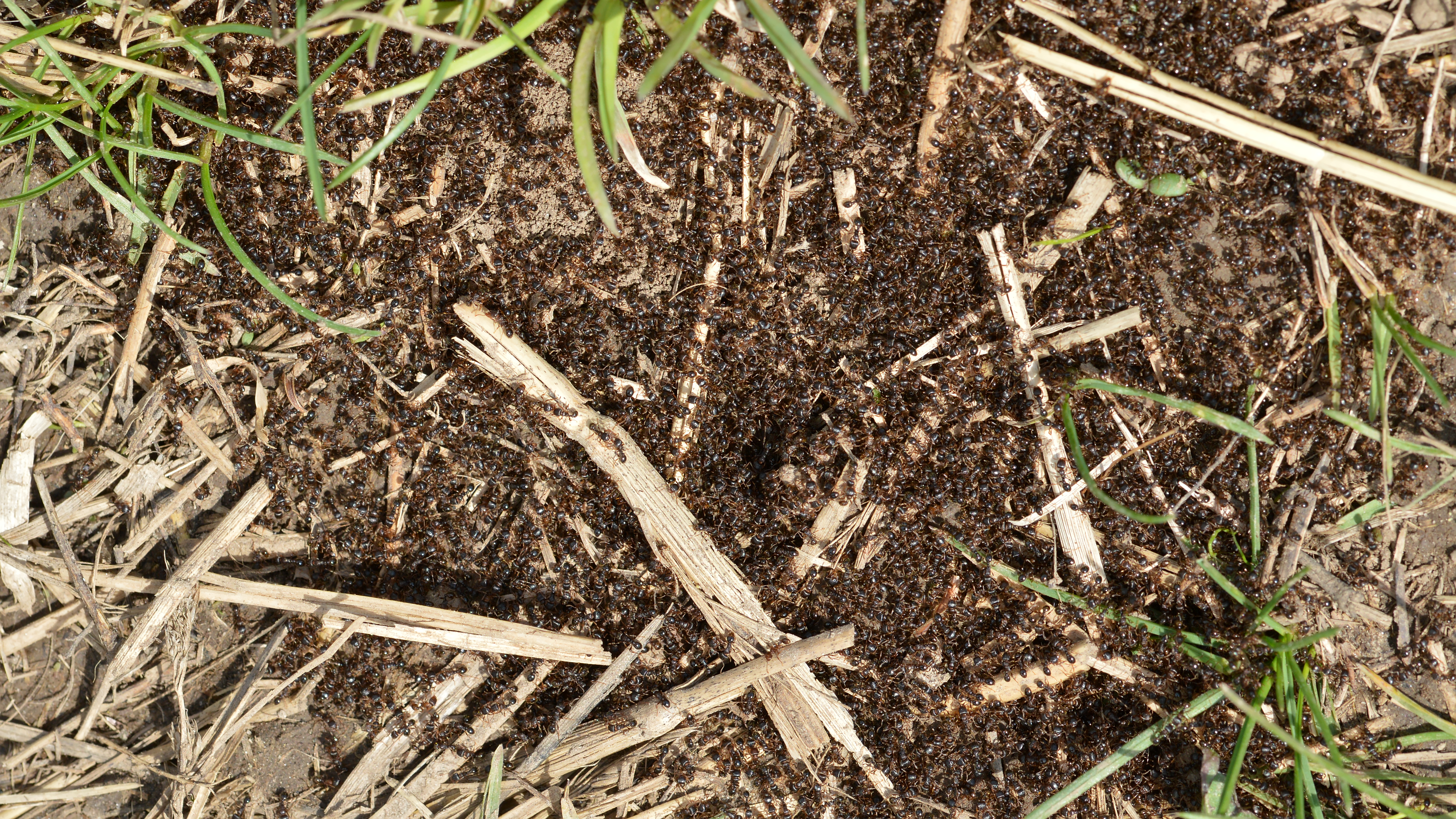
Tetramorium immigrans, commonly known as the pavement ant, is a delightfully resilient species that has earned its reputation as one of the most beginner-friendly ants in the hobby. The queen, measuring between 6 and 8 mm, is a compact and robust mother to a colony that can eventually number between three thousand and twenty thousand workers. Workers are small, just 2.5 to 3.5 mm, and present a uniform, monomorphic form — no major or minor castes here, just steady, hardworking individuals. This species is claustral, meaning the queen seals herself into a founding chamber and rears her first brood entirely on her own stored reserves, requiring no feeding until the first workers arrive. It is a strategy that makes early colony care remarkably simple.
One of the most endearing traits of Tetramorium immigrans is its omnivorous, no-fuss diet. These ants are true generalists, happily accepting a wide range of foods. Insects such as fruit flies, mealworms, or small crickets provide essential protein for brood development. They also have a strong taste for sugar water or honey water, which fuels the workers’ endless foraging energy. Interestingly, they will also collect seeds — though unlike specialist seed harvesters, they consume the softer inner parts rather than milling them. A balanced diet of protein and carbohydrates, offered in small amounts a few times per week, keeps the colony thriving. They also benefit from a small dish of clean water or a hydrated test tube. Importantly, Tetramorium immigrans requires a genuine winter diapause. Hibernation at around 8°C for two to three months is essential for long-term health and future queen production. Without this resting period, colonies may weaken or fail to grow.
Care difficulty
Keeping Tetramorium immigrans is an ideal starting point for anyone new to ant keeping. Their adaptability, forgiving nature, and low aggression make them a pleasure to observe. They tolerate minor fluctuations in temperature and humidity, though they do best between 20 and 26°C with humidity levels of 50 to 70 percent. Their claustral founding phase is straightforward — just leave the queen undisturbed in a darkened test tube setup until the first workers emerge. Once the colony reaches about a dozen workers, you can begin offering small prey items.
Housing
A formicarium with moderate moisture in the nesting area works well for Tetramorium immigrans. They are not particularly picky about nest material; plaster, sand-clay mixes, or acrylic chambers all suit them. The foraging arena should be kept dry, with a water source and feeding station. These ants are relatively tolerant of vibrations and light compared to more sensitive species, but you should still place their setup in a calm, low-traffic area. As the colony grows, provide a larger arena to accommodate their impressive foraging trails. They are escape artists, so ensure all connections are sealed tightly with fluon or oil.
First days after purchase
Upon receiving your Tetramorium immigrans colony, transfer them gently into their new formicarium or test tube setup. Place the container in a quiet, dim location and let them settle for at least 24 hours. Avoid disturbing them during this acclimation period. The first few days, simply check that they have access to water and a small drop of sugar water. Resist the urge to feed insects until you see the ants actively foraging in the arena. Within a week, they will feel at home, and you can begin their regular feeding and care routine. With patience, this hardy little species will reward you with a bustling, lively colony that is a joy to watch.