Pheidole
Pheidole moerens
Nuptial Flight Calendar
Care Guide
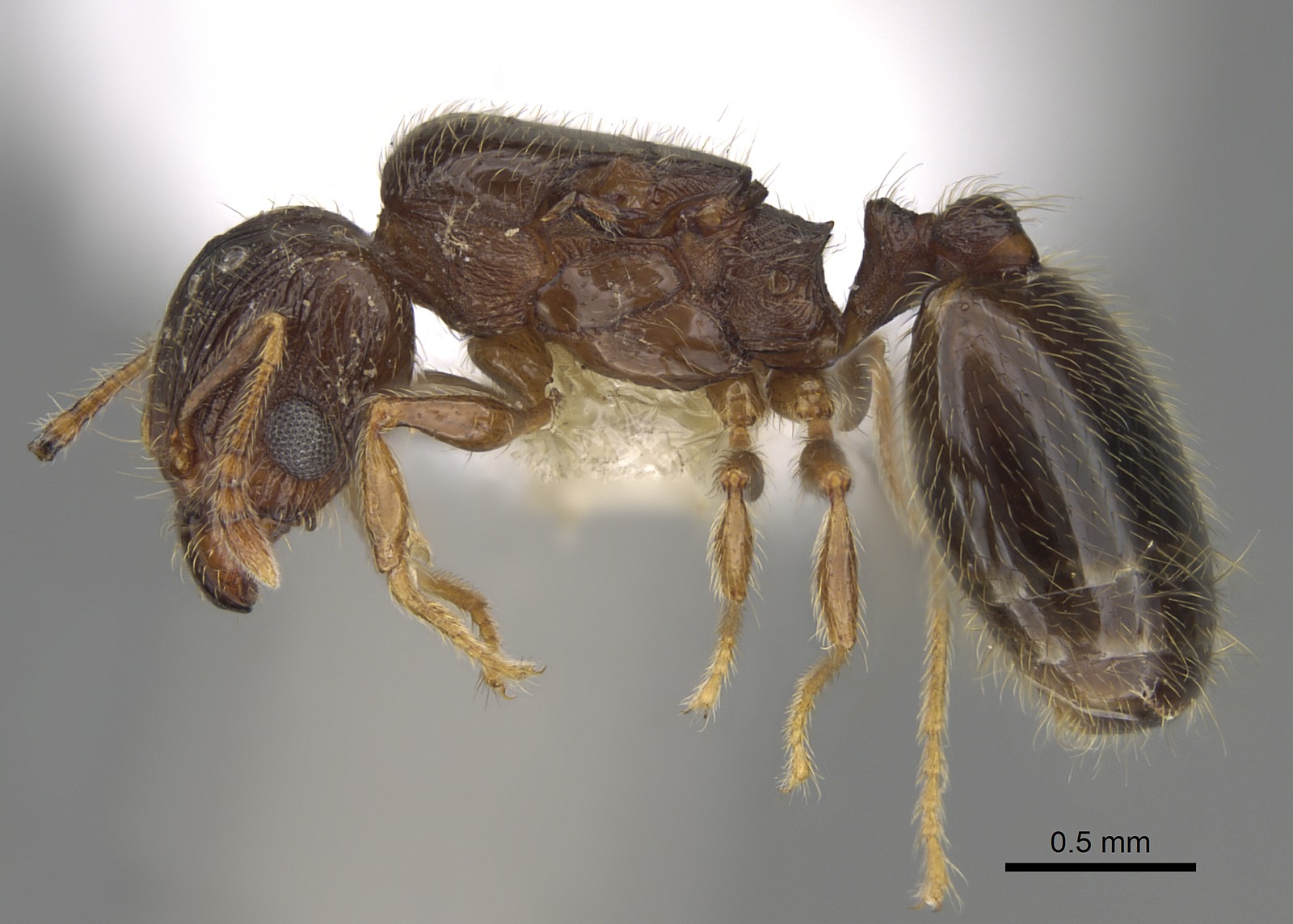
Pheidole moerens displays a clear dimorphism within its colonies, with two distinct worker castes that differ in size and role. The queen, measuring 4.5 to 6 mm, is the founding individual and the heart of the colony. Minor workers are small, around 2 to 3 mm, and handle foraging, brood care, and nest maintenance. Majors, or soldiers, are noticeably larger with disproportionately large heads and powerful mandibles. These majors serve as defenders and are also adept at crushing seeds, a key part of the colony’s diet.
One of the most interesting aspects of Pheidole moerens is its highly flexible feeding habits. These ants are true omnivores, thriving on a varied menu that includes insects for protein, sugar water for energy, and seeds for long-term storage and nutrition. They are particularly fond of small seeds, which the majors can crack open with ease. Offering a diverse diet will keep your colony healthy and encourage steady growth. Unlike some seed specialists, they also readily accept mealworms, fruit flies, or other feeder insects, making them relatively easy to cater to.
Care difficulty
Keeping Pheidole moerens is best suited for intermediate keepers. While the colony is resilient and adaptable, its moderate size and need for consistent humidity and temperature require a bit more attention than a beginner species. The queens are claustral, meaning they can raise the first generation of workers without feeding, but once the colony is established, a reliable food and water supply becomes essential. Provided their basic environmental needs are met, they are forgiving of minor fluctuations.
Housing
A formicarium for Pheidole moerens should offer a well-humidified nest area, as the brood requires humidity levels between 60 and 80 percent. A substrate that retains moisture, such as soil or plaster, works well. The outworld should be spacious enough to accommodate foraging trails and feeding stations. Temperature should be kept between 24 and 28 °C year-round, as these ants do not require hibernation. They appreciate a stable, warm environment. Because they can grow into colonies of several thousand workers, plan for a modular setup that allows expansion over time. Vibrations and strong light should be minimized, especially in the early stages, though they are less sensitive than some other species.
First days after purchase
When your Pheidole moerens colony arrives, place the formicarium in a quiet, dimly lit spot and let the ants settle without disturbance. For the first few days, avoid opening the nest unnecessarily. Provide a small drop of sugar water and a tiny piece of protein (like a crushed insect) near the entrance. Make sure the nest area remains moist but not waterlogged. Observe from a distance; the workers will quickly begin exploring and establishing their new home. Once they are active and feeding, you can gradually introduce a more varied diet. With patience and a steady hand, you will soon see your colony grow from a humble beginning into a bustling, dimorphic society.