Myrmica
Myrmica ruginodis
Nuptial Flight Calendar
Care Guide
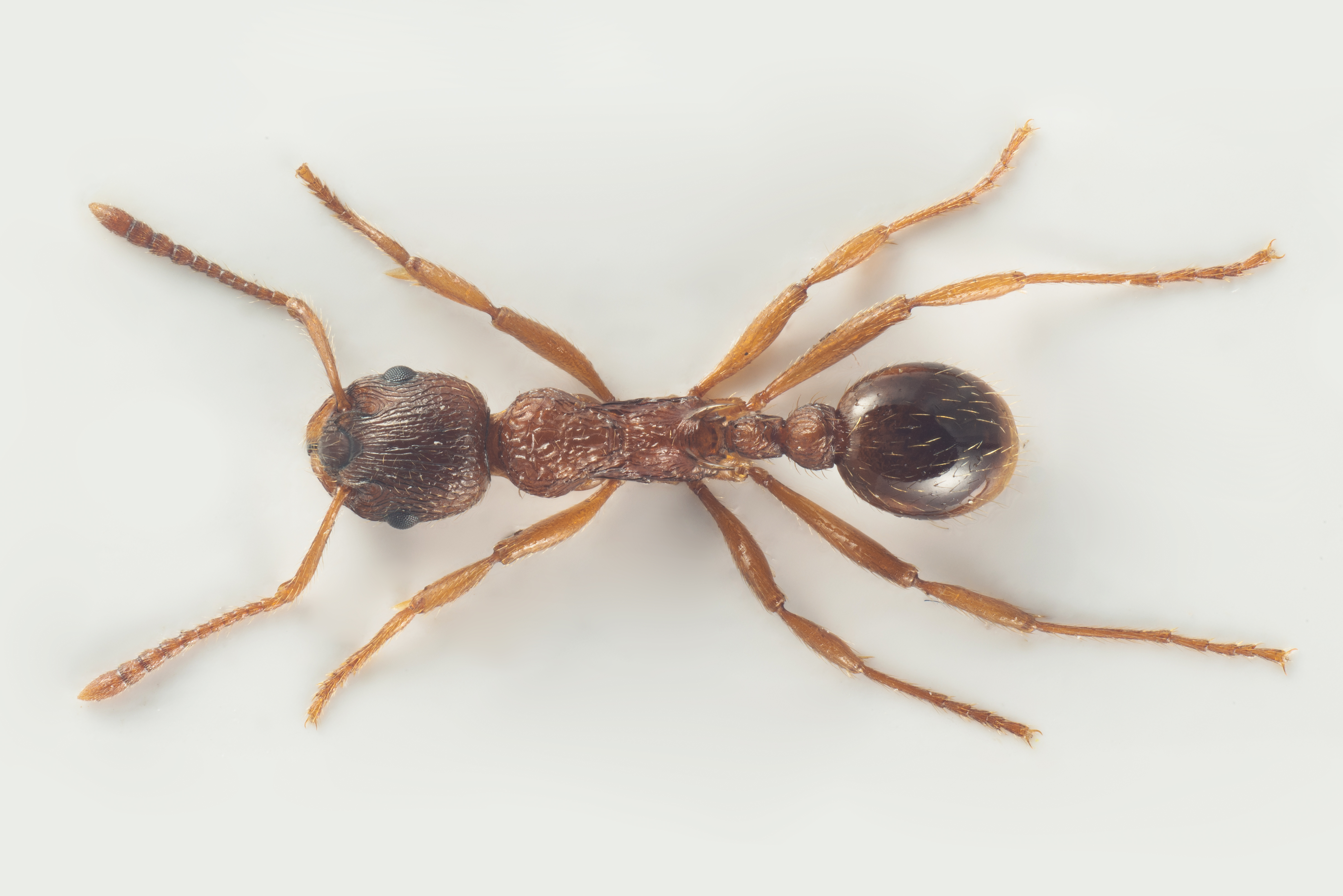
Myrmica ruginodis is a classic introduction to the world of ant keeping, beloved for its hardy nature and fascinating semi-claustral founding behaviour. Unlike fully claustral species that seal themselves away, the Myrmica queen must hunt for food during the early stages, foraging regularly and raising her first workers with active feeding. This makes for a more hands-on and rewarding experience, giving keepers a front-row seat to the queen’s dedication and resilience. Workers are robust, reddish-brown ants, typically ranging from 4 to 6 mm in length, with the queen slightly larger at 6 to 7.5 mm. The colony grows steadily, reaching populations of up to several thousand individuals, and becomes increasingly lively as it matures. Their activity and boldness make them a joy to observe, especially during feeding times when they swarm around protein sources.
One of the most distinctive features of Myrmica ruginodis is their dietary flexibility. These ants thrive on a balanced menu of insects—such as fruit flies, crickets, or mealworms—alongside sugar water and a reliable source of protein. In the wild, they are opportunistic predators and scavengers, and in captivity they respond eagerly to almost any offered insect. Their semi-claustral nature also means that even in the founding stage, they appreciate regular small feedings of protein to help the queen build her colony. They do require a winter cooling period, known as hibernation, at around 5°C, which is essential for their annual life cycle and long-term health in captivity.
Care difficulty
Keeping Myrmica ruginodis is rated as beginner-friendly, though a little more involved than fully claustral seed-eaters. The main challenge is providing consistent protein during the founding phase and ensuring a proper hibernation period. Once established, they are forgiving of minor temperature and humidity fluctuations, making them an ideal first species for those wanting a more interactive experience.
Housing
A formicarium with moderate humidity levels between 55 and 75 percent suits them well. They prefer temperatures between 18 and 24°C, cooler than many tropical species, so no heating cable is usually necessary—room temperature works fine. The nest should include a humidified chamber, as they require moisture for brood development, but good ventilation is also important to prevent mould. Provide a small arena for foraging, as these ants are active and will appreciate space to hunt and explore. A test tube setup works perfectly for early stages, transitioning to a larger outworld as the colony expands.
First days after purchase
Upon receiving your Myrmica ruginodis colony, place the transport container or test tube in a quiet, dimly lit area and allow the ants to settle without disturbance for at least 24 hours. If the queen is alone or with a few workers, offer a tiny drop of sugar water and a small piece of insect, like a freshly killed fruit fly, to support her efforts. Observe carefully but avoid opening the setup too often. The key is patience—these ants will quickly adapt to their new home if given peace and a consistent food supply. Over the first week, gradually connect their nest to a small arena and watch them begin their journey toward a thriving colony.