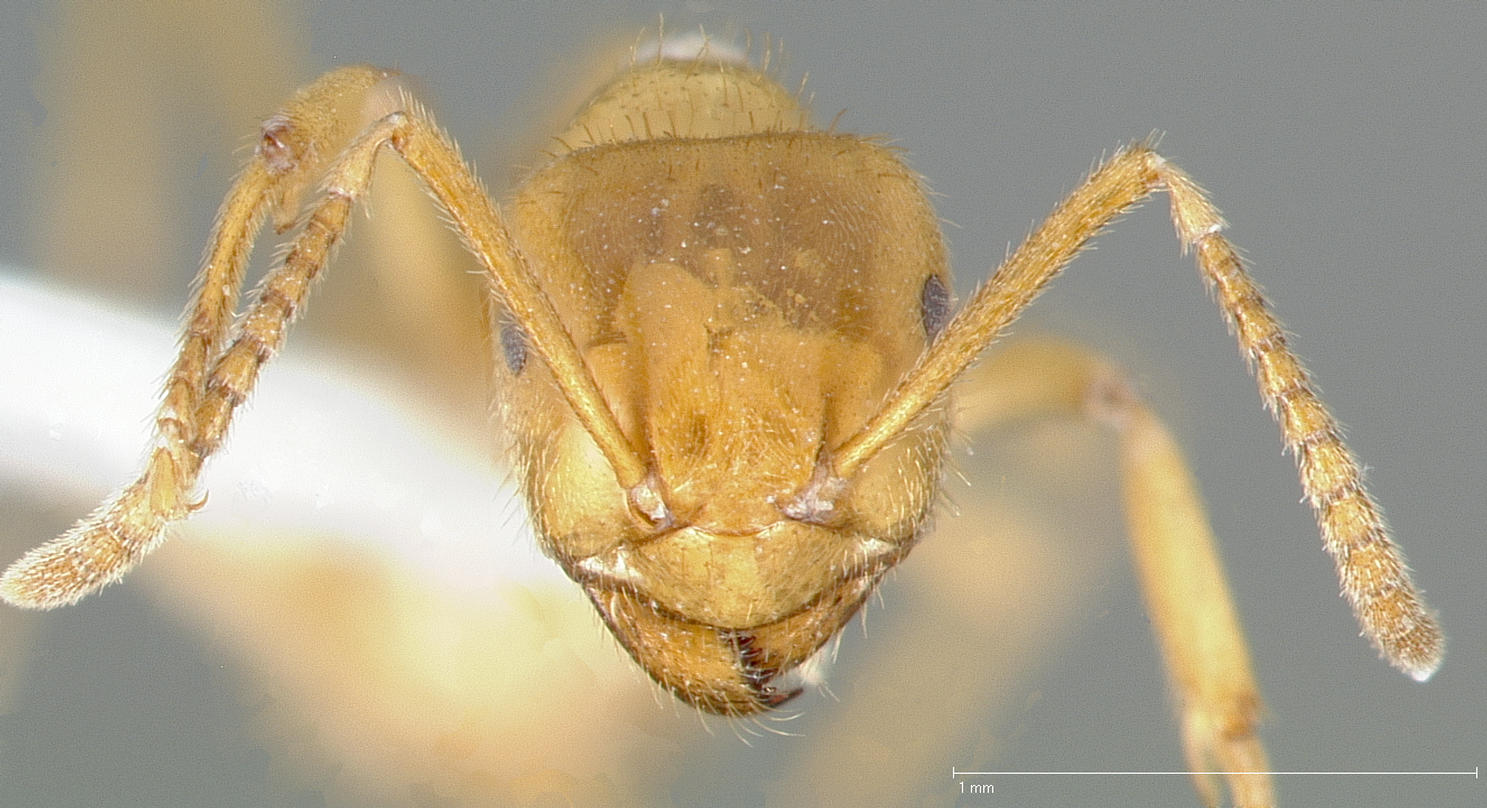
Lasius
Lasius subumbratus
Nuptial Flight Calendar
Care Guide
Lasius subumbratus is a fascinating social parasite, a master of deception that relies on trickery to establish its colonies. Unlike typical ant species, a newly mated Lasius subumbratus queen cannot start a colony on her own. Instead, she must locate a nest of a host species—usually Lasius umbratus or Lasius niger—and infiltrate it. Through chemical mimicry and stealth, she kills or subdues the host queen, then takes her place. The unsuspecting host workers accept her and raise her initial brood, which consists of her own workers mixed with the remaining host workforce. Over time, the host workers die off and the colony becomes a pure Lasius subumbratus society. This complex founding process makes them an advanced-level challenge that rewards patient and observant keepers.
Once established, a Lasius subumbratus colony grows to a moderate size, typically ranging from a few thousand to over fifteen thousand workers. The queen measures seven to eight and a half millimeters, while workers are noticeably smaller, around three and a half to four and a half millimeters. Despite their modest stature, these ants are active and energetic foragers. They thrive on a varied diet: insects such as fruit flies, mealworms, or small crickets provide essential protein, while sugar water and honeydew mimic their natural preference for carbohydrate-rich food sources. A steady supply of both is critical for colony growth and brood development.
Care difficulty
Keeping Lasius subumbratus is suitable only for experienced ant keepers who understand the nuances of parasitic species. The initial establishment phase is the most delicate—success depends on providing a quiet, undisturbed environment during the infiltration and acceptance period. Once the colony is self-sustaining, day-to-day care becomes more manageable, but the keeper must remain attentive to the colony's specific needs. The advanced difficulty rating reflects the extra knowledge and patience required, not necessarily constant hands-on work.
Housing
Lasius subumbratus prefers cooler temperatures, ideally between twenty and twenty-four degrees Celsius, with humidity levels kept between fifty-five and seventy-five percent. A classic formicarium setup works well: a large, well-ventilated foraging arena connected to a nest with adjustable moisture. These ants appreciate soil or a sand-clay substrate that holds humidity but allows them to dig. Maintaining proper moisture gradients within the nest is more important than a uniformly high humidity—provide one dry chamber and one slightly damp chamber so the colony can self-regulate. A hibernation period is essential: from late autumn through winter, reduce the temperature to around six degrees Celsius and provide minimal disturbance for several months. Without this cold rest, the queen may stop laying eggs and the colony may decline.
First days after purchase
If you receive a Lasius subumbratus colony that has already been established (not a newly mated queen), place the formicarium in a quiet, dim location and let the ants acclimate for at least twenty-four hours. Offer a small drop of sugar water and a single dead insect to gauge their activity. Avoid opening the nest or disturbing the colony during the first week; these ants can be skittish after transport. Observe from a distance—consistent feeding and minimal vibration are the keys to a smooth transition. With careful handling, you will soon witness the quiet industry of this remarkable parasitic species.