Lasius
Lasius psammophilus
Nuptial Flight Calendar
Care Guide
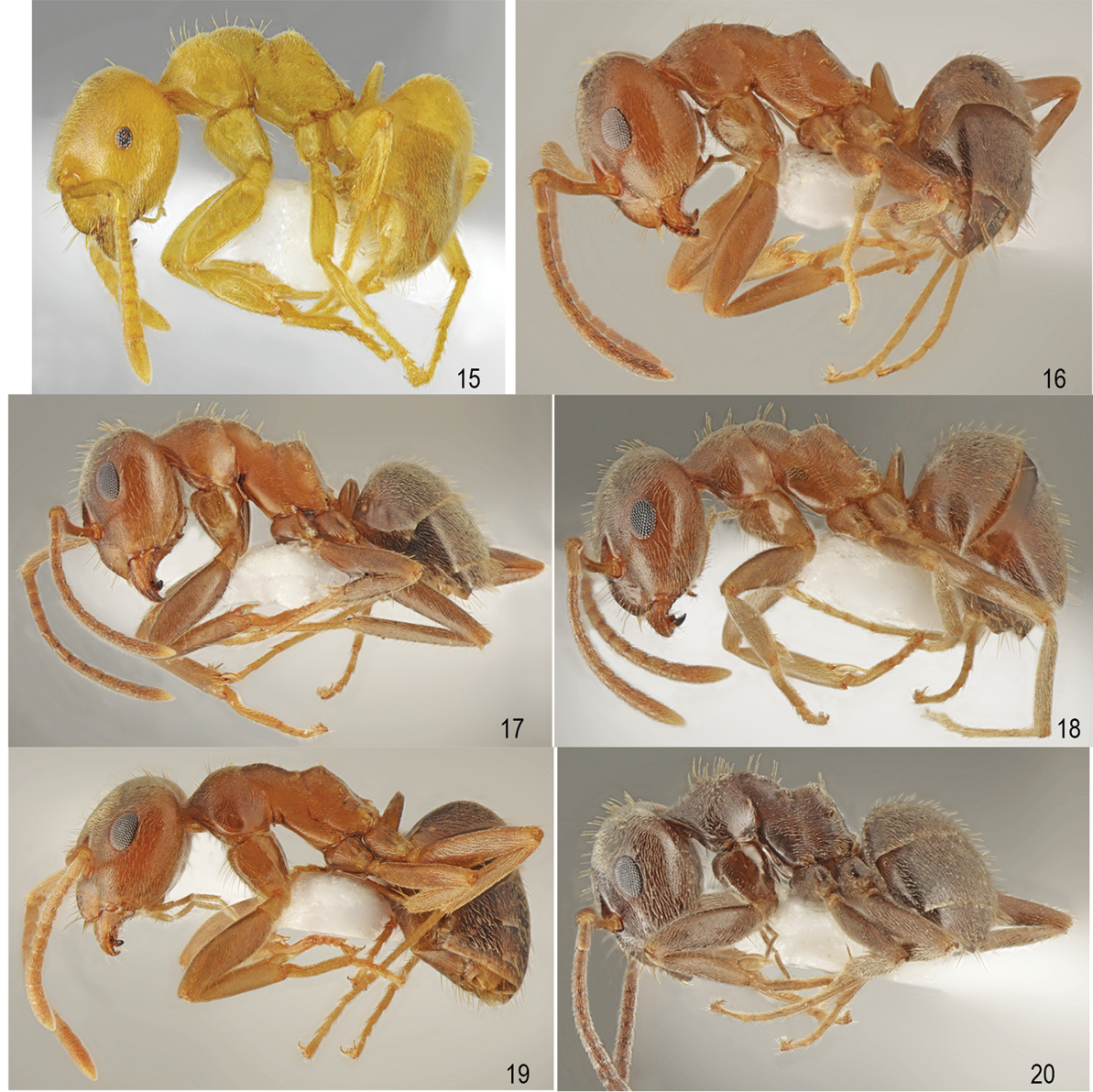
Lasius psammophilus is a charming, sun-loving ant species often found nesting in sandy soils, from which it takes its name. What makes this species particularly appealing to hobbyists is its straightforward biology and gentle temperament. The queen is a sturdy individual, measuring up to 9.5 mm, while the workers are modest in size, ranging from 3 to 4.5 mm, with a uniform dark brown to black coloration that gives the colony a clean, classic appearance. The colony grows steadily to a comfortable size of several thousand workers, making it easy to observe without overwhelming your formicarium.
One of the most rewarding aspects of keeping Lasius psammophilus is their foraging behaviour. These ants are enthusiastic hunters and scavengers, readily accepting a diet of small insects such as fruit flies, crickets, and mealworms. They also have a pronounced sweet tooth, so a steady supply of sugar water or honeydew will keep them active and bustling on the outworld. This species is known for its rapid recruitment to food sources, so you will quickly see a well‑organised trail of workers carrying prey or droplets of syrup back to the nest.
Care difficulty
Keeping Lasius psammophilus is an excellent choice for beginners. Their claustral founding means the queen is fully self‑sufficient during the first few weeks after mating, requiring no feeding until her first workers appear. Once the colony is established, the ants are resilient and adaptable, tolerating a range of conditions as long as basic needs are met. Their diet is simple to provide, and their moderate growth rate gives new keepers plenty of time to learn the rhythms of colony life.
Housing
A standard formicarium with a dry, well‑drained nesting area works well, but a sandy substrate that mimics their natural habitat is appreciated. Maintain a temperature between 20 and 26 °C, with a warm spot of about 25 °C near the outworld to encourage foraging. Humidity in the nest should be kept in the 50–70% range, easily achieved by moistening a section of the substrate or using a hydration tube. A critical requirement for this species is a true hibernation period. From late autumn through winter, gradually reduce the temperature to around 6 °C for two to three months. During this time, the ants become inactive and stop feeding. Do not skip this phase, as it is essential for the queen’s long‑term health and the colony’s future brood production.
First days after purchase
When your Lasius psammophilus colony arrives, transfer them into their new formicarium and place it in a quiet, dimly lit location. For the first few days, avoid disturbance—simply ensure the nest area has some moisture and provide a small drop of sugar water near the entrance. The ants will explore and settle in quickly. Once you see workers actively foraging, you can offer a tiny insect or two. Give them time to acclimate before attempting any nest expansions or rearrangements. Within a week, your colony will be confidently exploring their new home, ready to delight you with their industrious, sun‑seeking nature.