Tetramorium
Tetramorium alpestre
Nuptial Flight Calendar
Flight months: Jul, Aug
Care Guide
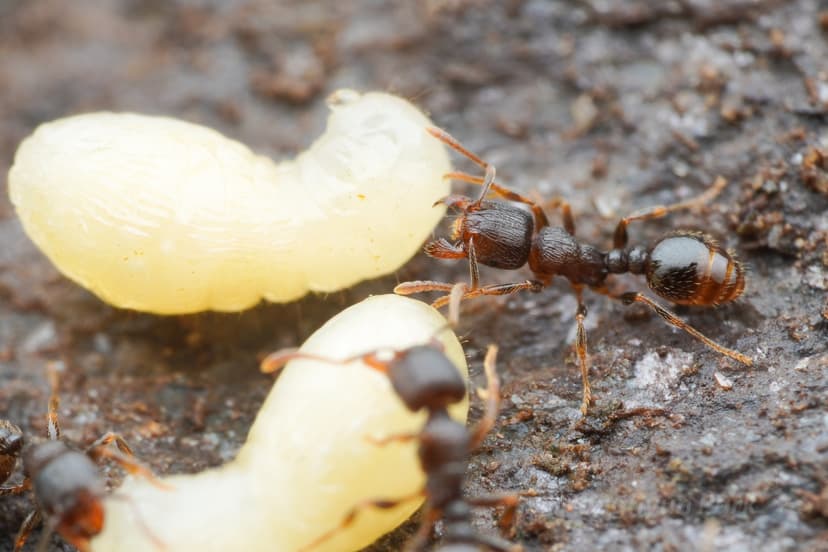
Tetramorium alpestre is a charmingly understated gem of the alpine ant fauna, a species only formally recognized in 2010 by Steiner and colleagues after being long confused with its ubiquitous cousin, the pavement ant Tetramorium caespitum. This small, monomorphic species is perfectly adapted to the cool, montane meadows and rocky slopes of the Alps, with a geographical range stretching from southeastern France to eastern Austria, as evidenced by GBIF occurrence data clustered between roughly 5.5° and 16.5° east. Queens measure a robust 6–7.5 mm, their dark brown to blackish bodies faintly sculptured with fine rugae, while the workers, a uniform 2.8–4 mm, are notably more delicate and paler-legged than those of many lowland Tetramorium. Colonies are claustrally founded and can eventually swell to around 10,000 workers—an impressive figure for such a diminutive creature. What truly makes T. alpestre captivating for the hobbyist is its quiet, businesslike foraging and its strict adherence to an alpine rhythm: a pronounced summer activity period followed by a lengthy, chilly hibernation. Nuptial flights take place on warm, sunny afternoons in July and August, often after rain has softened the soil, and while the confidence in this timing is medium based on sporadic observations, it’s a reliable cue for those hoping to catch a founding queen in the region.
With a care difficulty rating of intermediate, Tetramorium alpestre is best suited to keepers who have already successfully maintained a couple of temperate ant species and are prepared to faithfully meet its seasonal requirements. It is not a beginner’s ant because the mandatory hibernation at a precise low temperature leaves little room for shortcuts; a colony kept at room temperature year-round will slowly dwindle and fail to produce reproductives. However, for the dedicated hobbyist, this species rewards with a hardy, active colony that forages boldly in the open, readily accepts a variety of foods, and exhibits endearing social behaviors like tandem running during nest relocations. The absence of a polymorphic worker caste means there are no jarring size variations to manage, simplifying feeding, yet the sheer numbers a mature colony can reach—upwards of several thousand—demands a well-planned nest that can be expanded over time. If you enjoy the meditative task of providing precise seasonal care and take satisfaction in raising a species that truly mirrors a wild alpine microcosm, T. alpestre will bring years of quiet fascination.
Housing this montane ant requires a balance between the warmth it craves during its active season and the stable hydration it expects from its subterranean retreats. The forging area should be kept at 18–26°C, though the ants flourish best when given a thermal gradient that allows them to thermoregulate their brood, ideally with one end of the nest around 22–24°C. Humidity inside the nest should sit between 40% and 60%, which can be achieved with a plaster, ytong, or grout nest that is regularly misted on one side to create a moisture gradient.These ants appreciate the option to move brood between drier and damper chambers, so avoid a uniformly saturated setup. A thin layer of sand-clay substrate in the outworld not only lends a natural look but also provides material for the workers to arrange around the nest entrance. While they do not need a particularly deep substrate, a small mound or a piece of cork bark for them to excavate under will encourage natural behaviors. Ventilation is crucial to prevent stagnant air, especially in humid nests, so ensure your formicarium has fine-mesh screens. Escape-proofing is essential, as the tiny workers can exploit minute gaps, and a fluon or PTFE barrier applied carefully to the top edges of the outworld is strongly recommended.
In the wild, Tetramorium alpestre scavenges dead arthropods and harvests the sugary excretions of root aphids, and a captive diet should mirror this omnivory. Protein is vital for brood production; offer small live or freshly killed insects such as fruit flies, pinhead crickets, or chopped mealworms two to three times a week, adjusting the quantity to match the colony’s appetite. A surplus of uneaten prey should be removed after a day to prevent mold. Carbohydrates can be provided as a shallow droplet of organic honey, diluted maple syrup, or a laboratory-prepared sugar water solution, offered in a small bottle cap or on a clean piece of wax paper. As the colony grows, you may notice workers avidly drinking from a damp cotton ball or a test tube water dispenser—always have a fresh water source available apart from the nest’s humidification system. There is no need for elaborate supplements, but a grain of pollen or a tiny piece of cooked egg yolk occasionally gives queens a boost during the founding stage. Avoid overfeeding; these ants are efficient at regulating their intake and will stop accepting food when sated.
An uncompromisingly cold hibernation is the linchpin of T. alpestre husbandry. This species has evolved under a thick blanket of alpine snow and requires three to four months at a steady 5°C to reset its internal clock and prime the queen for renewed egg-laying in spring. The transition should be gradual: reduce foraging area temperature and stop offering protein about two weeks before the intended start, allowing the colony to clear its guts. Once the ants have clustered in the moistest chamber and are moving sluggishly, move the entire nest into a dedicated fridge or a cold room that does not fluctuate in temperature. Check monthly for condensation issues, but avoid disturbing them; a small dental mirror can be used to peek without opening the setup. When spring arrives, warm the colony slowly over a week back to active temperatures, and the queen will begin laying again within days. Skipping hibernation, or providing a too-warm winter rest above 8°C, will inevitably lead to a steady decline and early colony death, a fact that cannot be overstated.
After acquiring a newly mated queen or a small founding colony, your first days should be all about quiet patience. Settle the test tube setup in a dim, vibration-free place at around 20–22°C and resist the urge to check on her more than once a week, shielding the tube with a red foil or a cardboard sleeve to simulate underground darkness. A claustral queen needs no food until her first workers eclose; the energetic reserves in her thorax are sufficient, as detailed by classic formicine biology. Only when you see three to five workers moving purposefully around the cotton plug should you consider offering a micro-drop of honey water and a tiny, pre-killed fruit fly. Watch for the workers to accept the food and feed the queen—this first trophallaxis is a sign of a vigorous colony. If the queen seems agitated, tearing at the cotton or pacing obsessively, it may be too bright or warm; adjust her environment accordingly. Within a few weeks, the nascent colony will be ready to move into a small, well-hydrated nest, but always let them migrate at their own pace by simply placing the new nest in the dark beside the old tube. With a steady hand and respect for its alpine heritage, Tetramorium alpestre will soon reward your care with the gentle hum of a true miniature mountain empire.