Temnothorax
Temnothorax unifasciatus
Nuptial Flight Calendar
Flight months: Jul, Aug, Sep
Care Guide
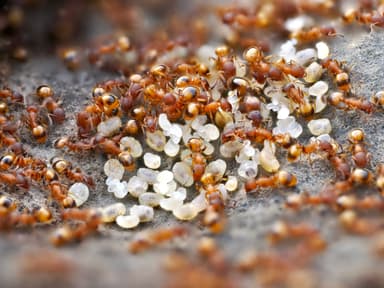
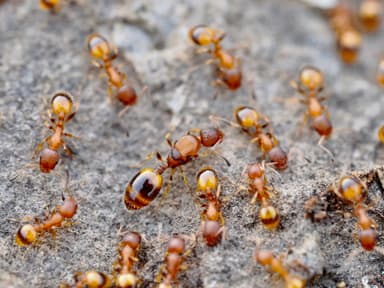
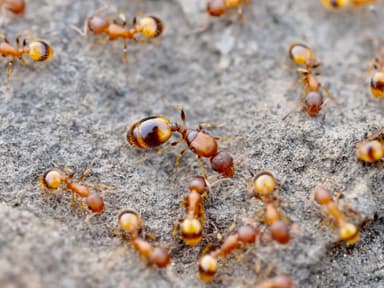
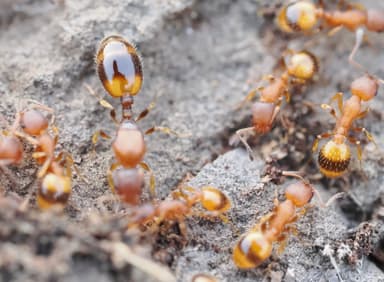
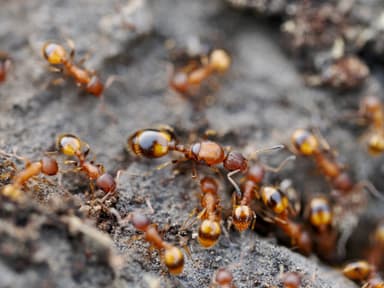
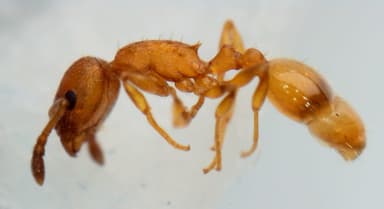
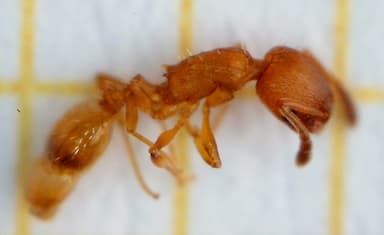
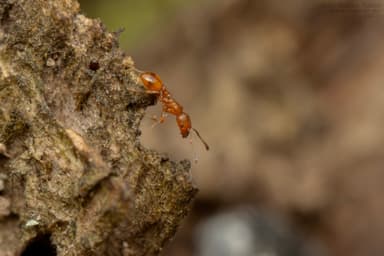
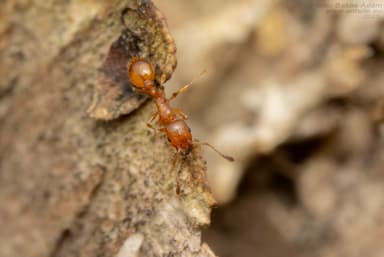
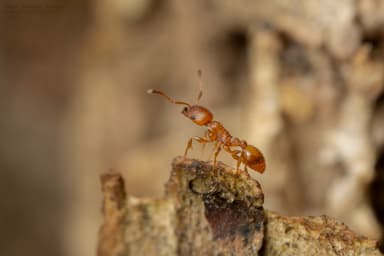
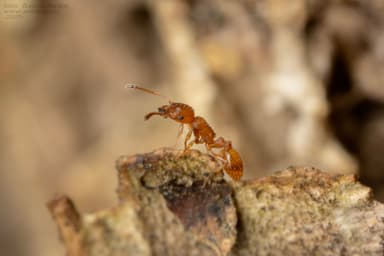
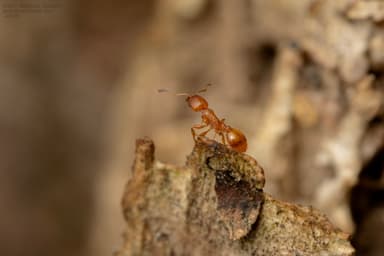
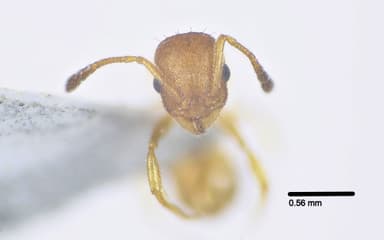
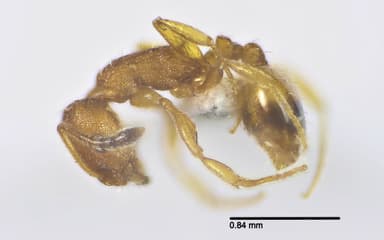
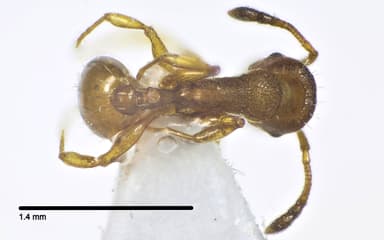
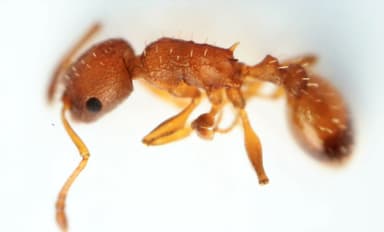
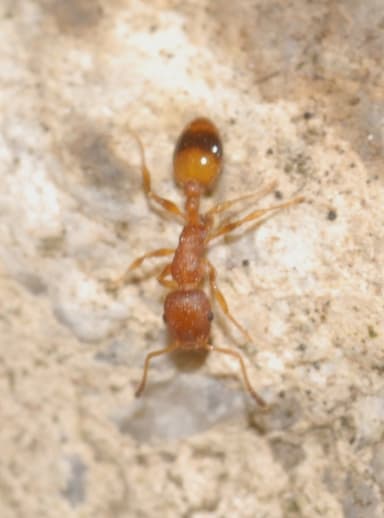
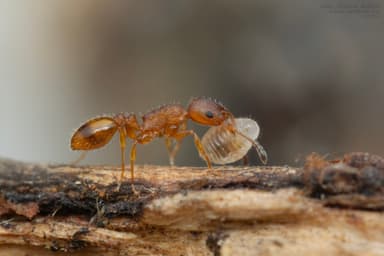
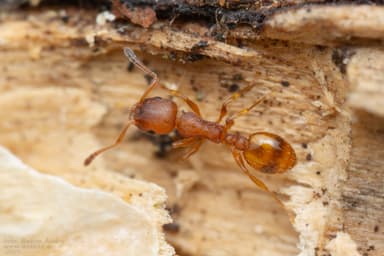
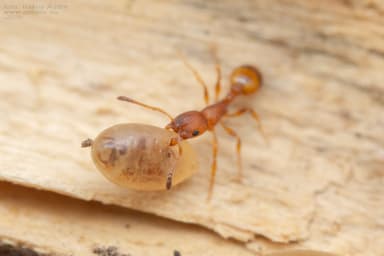
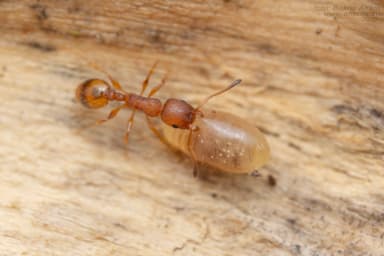
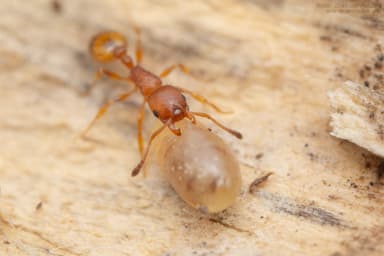
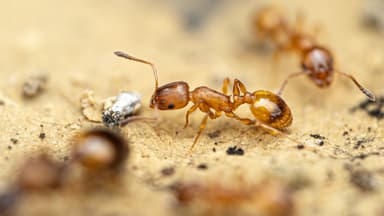
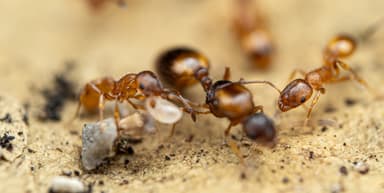
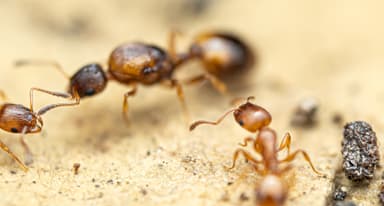
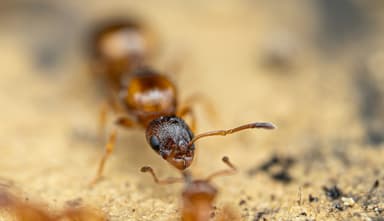
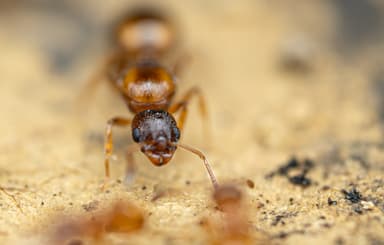
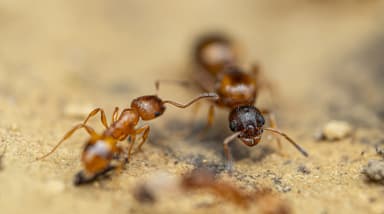
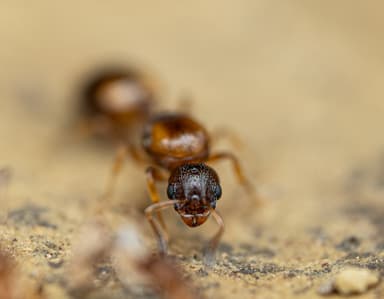
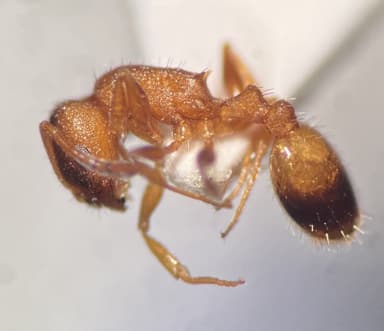
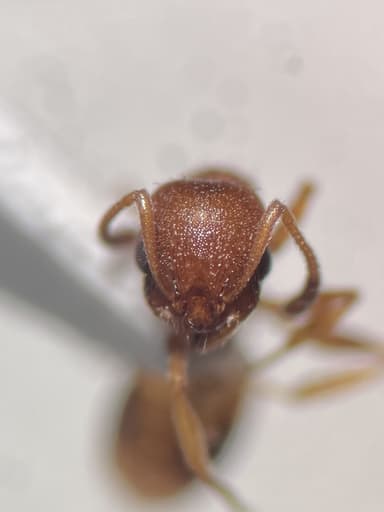
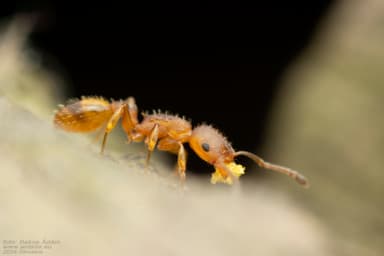
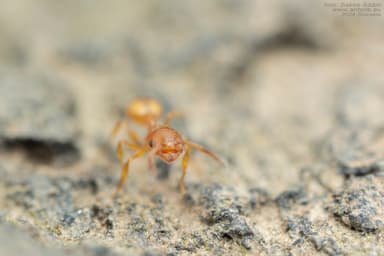
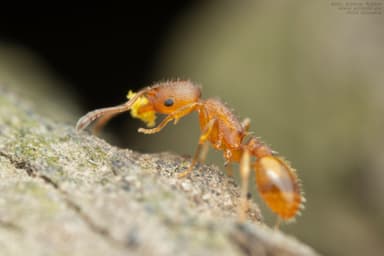
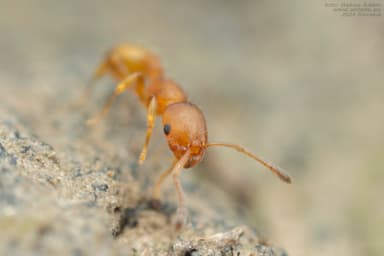
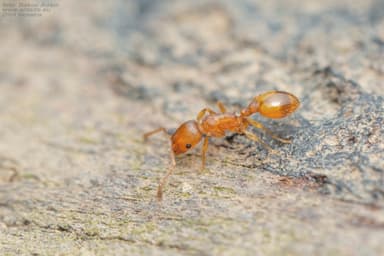
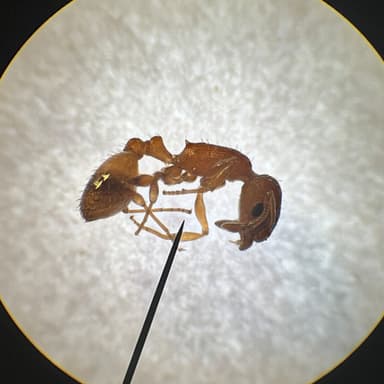
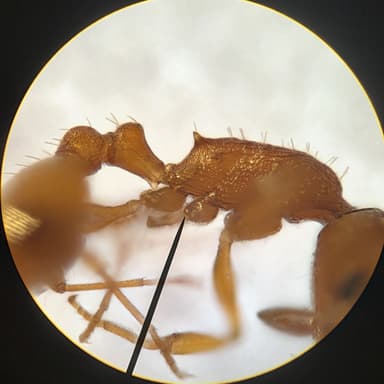
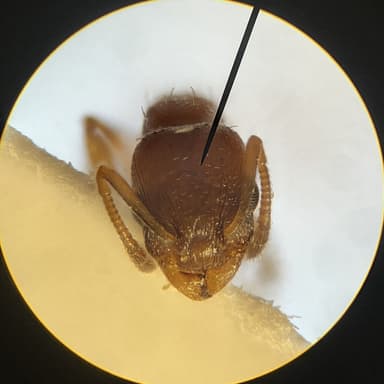
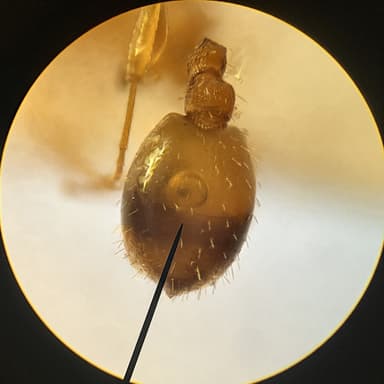
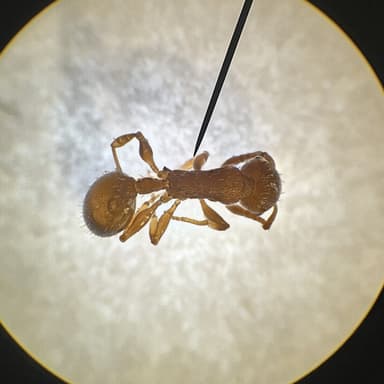
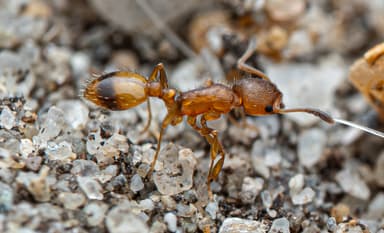
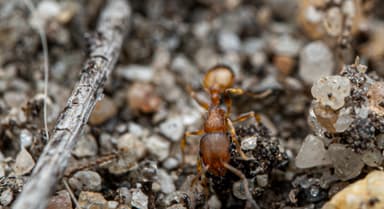
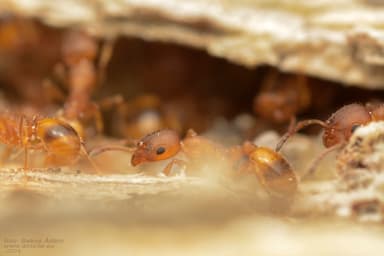
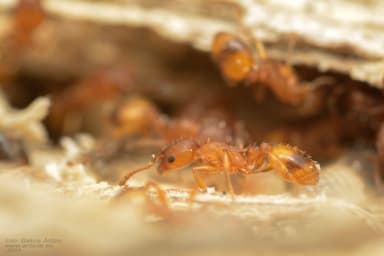
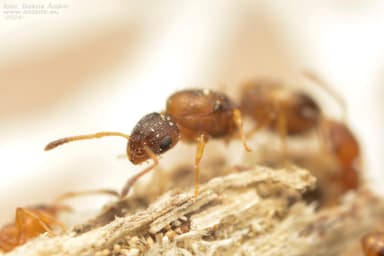
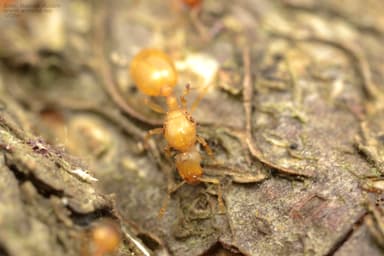
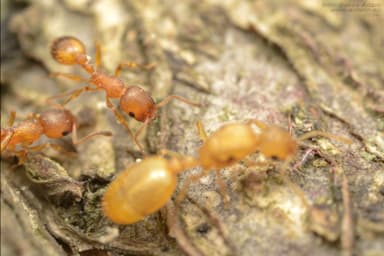
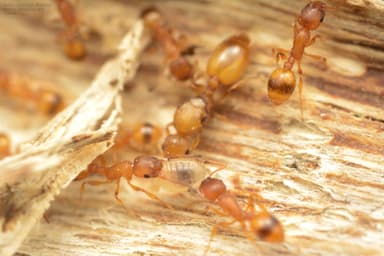
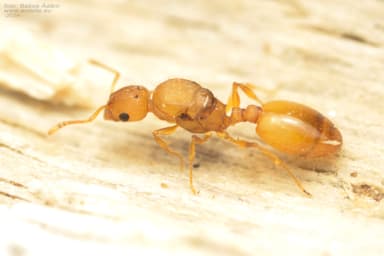
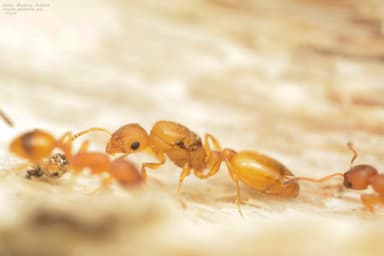
Temnothorax unifasciatus is a charmingly diminutive ant that rewards the meticulous keeper with an intimate view of its social life. Workers measure a mere 2.5 to 3.5 millimetres, while queens reach 3.5 to 4.5 millimetres, both cloaked in a nuanced dark-brown to black cuticle with slightly paler legs and antennae. The species ranges widely across Central and Southern Europe, from the Iberian Peninsula eastwards and north to latitude 55°N, typically dwelling in hollow twigs, acorns, and bark crevices (Seifert 2018; GBIF occurrence data). Colonies are modest, rarely exceeding 300 individuals, and are headed by a single queen who founded claustrally — meaning she sealed herself away without food to rear her first brood entirely from her own reserves. All workers belong to a single monomorphic caste, so there is no dramatic size variation. What makes this ant especially fascinating is its cooperative emigration behaviour and readiness to move nests when conditions change, a feature studied in detail by Heinze et al. Nuptial flights occur on warm, sunny afternoons between July and September, often after rainfall and in low wind, a quiet dramatic spectacle for the patient collector.
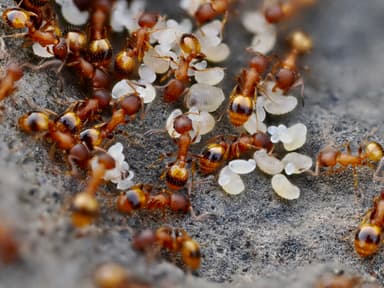
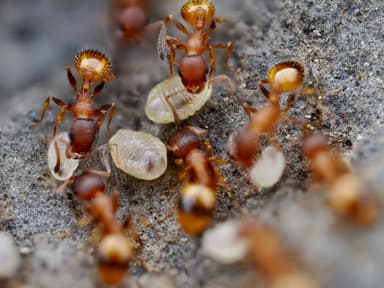
This species sits at an intermediate care difficulty, making it best suited for keepers who already have experience maintaining stable microclimates and securing miniature escape artists. The tiny workers can squeeze through the tiniest gaps, and their colony’s small size means a single oversight in humidity or nutrition can cascade quickly. However, for those who enjoy the challenge of a highly observant yet non-aggressive ant, T. unifasciatus offers endless curiosity. They are notably timid, rarely bite, and are best viewed under a magnifying lens. The colony's intimate scale lets you witness egg-to-cocoon development, tandem running during nest relocations, and the queen’s steady oviposition — all without the overwhelming numbers of more prolific species.
Proper housing must reflect their natural snug cavities while preventing breakouts. A plaster or grout nest with narrow, shallow chambers — just a few millimetres high — works beautifully, as does a sandwich setup of two slates or pieces of bark separated by a thin spacer. The formicarium should offer a temperature gradient between 20 and 28°C, with a gentle warm spot at the upper end, and relative humidity maintained between 40% and 60%. Good ventilation is crucial: stagnant, saturated air promotes mould and mite problems. A thin dusting of sand or fine clay on the nest floor can aid microclimate control, but elaborate substrates are unnecessary. The foraging outworld must be meticulously escape-proofed; a thick barrier of fluon or a similarly slick substance around the rim, combined with a tight-fitting lid, will keep the colony contained. Keep a close eye on any silicone seams, as workers test every junction relentlessly.
A delicate diet sustains these minute ants. Provide protein two or three times a week in the form of flightless fruit flies (Drosophila melanogaster), pinhead crickets, or tiny pieces of chopped mealworm; any uneaten remains should be removed after a day to prevent spoilage. For carbohydrates, offer a minuscule droplet of sugar water, a dab of ant jelly, or a sliver of fresh fruit placed on a piece of wax paper. A constant water source is vital — a cotton-stoppered test tube or a small water feeder designed for micro‑ants will prevent desiccation. Since colonies are small, overfeeding can quickly foul the nest, so portion every offering as if you were feeding a colony a fraction of the size of a standard Lasius.
Temnothorax unifasciatus requires a true hibernation period, as their temperate European origins leave no room for year‑round warmth. From approximately November to late February, gradually lower the temperature to around 8°C (a 5–10°C range is acceptable) and keep the colony in dim light. A cool basement, wine cooler, or a temperature‑controlled cabinet works well. The hibernation medium should remain slightly damp, but never wet, to mimic the humidity of a dormant hollow twig. In late winter, slowly warm the colony back to active temperatures over a week or two. Skipping hibernation will almost certainly lead to a dwindling, broodless colony, as the queen requires this chilled rest to reset her reproductive cycle.
When you first bring a T. unifasciatus colony home, patience is your most important tool. Keep the sealed setup in a quiet, dimly lit corner for at least 24 hours, resisting any urge to peek. After this settling period, offer a tiny smear of sugar water on wax paper and, once the workers begin to forage, introduce a single freshly killed fruit fly. During these early days, watch for the queen’s presence — she may be tucked deep in the nest — and confirm that the test tube or water source is not leaking condensation, which can drown minute workers. Disturbances should be kept to an absolute minimum for the first week; if the colony is actively moving brood and the queen begins laying eggs again, you’ll know your new guests have accepted their home. With gentle, precise care, this charismatic species will flourish and delight you for years.