Nylanderia
Nylanderia jaegerskioeldi
Nuptial Flight Calendar
Flight months: Mar, Apr, May, Sep, Oct
Care Guide
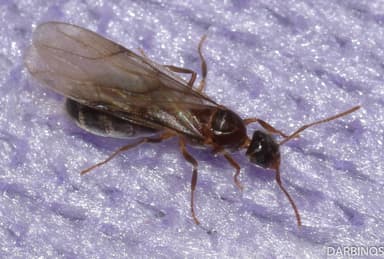
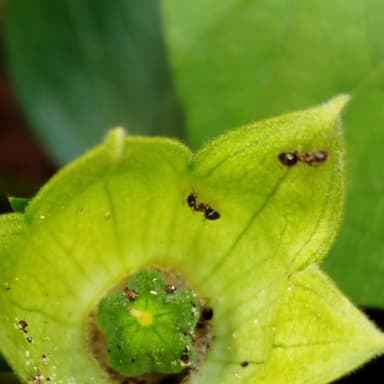
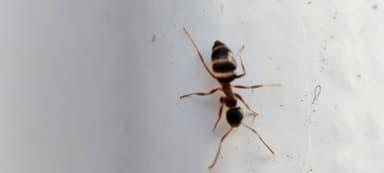
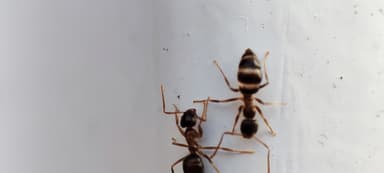
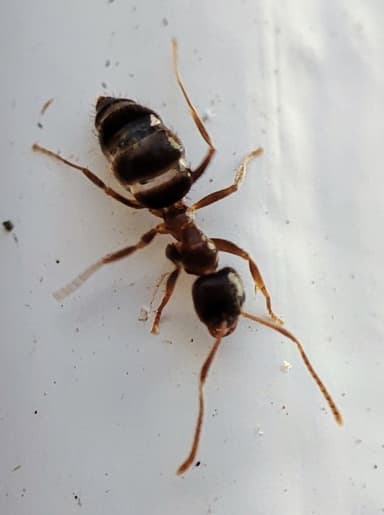
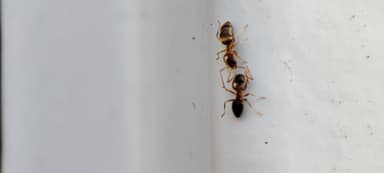
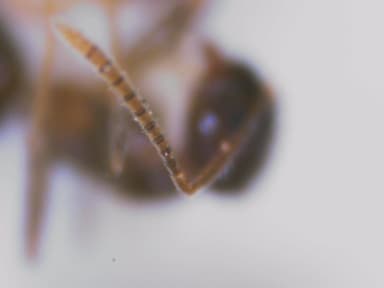
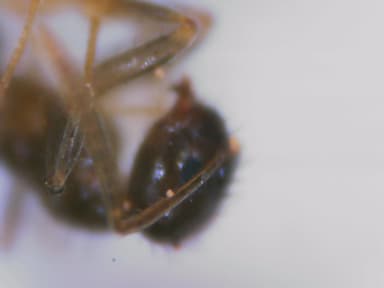
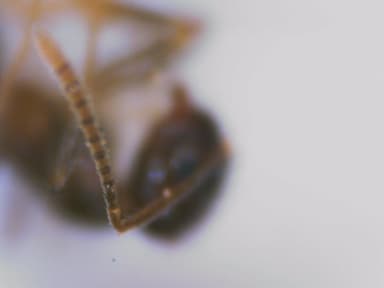
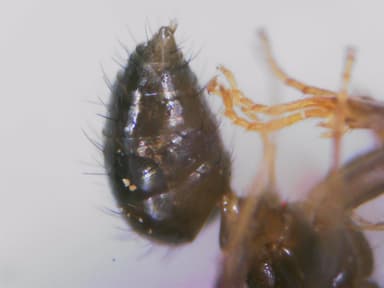
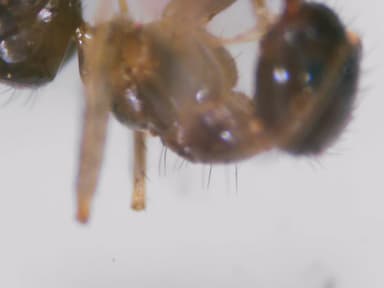
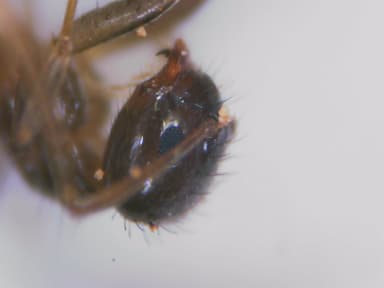
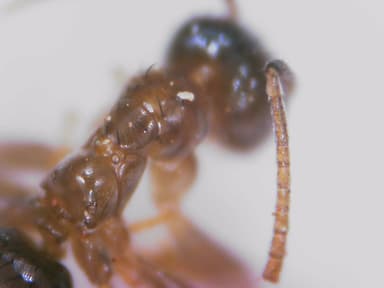
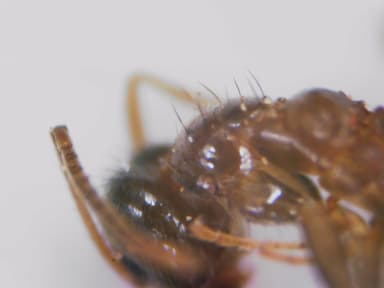
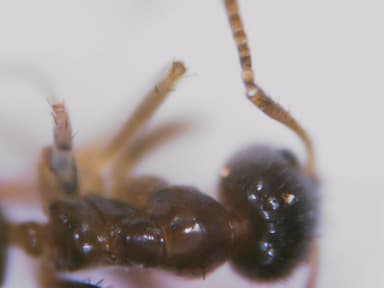
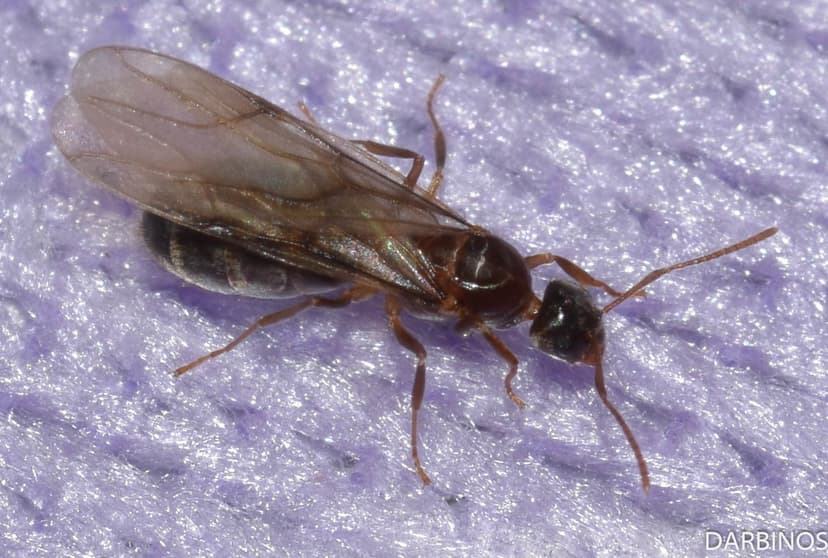
Nylanderia jaegerskioeldi is a lively and underappreciated ant whose subtle beauty and fast-paced behavior reward the attentive keeper. Workers are tiny, spanning just 2 to 2.8 millimetres, and uniformly yellowish-brown to pale amber, with a smooth, shining cuticle that catches the light as they bustle about. Queens are noticeably larger at 4.5 to 5.5 millimetres, sharing the same warm colouration but with a more robust thorax and a distinct, elegant profile. Colonies are monomorphic, composed solely of minor workers, and in the wild can build up to around 3,000 individuals — a modest but dynamic population that fills a nest with constant motion. What sets this species apart is its membership in the Prenolepis genus-group, as clarified by LaPolla et al. (2010), which traces an evolutionary story linking it to the better-known false honey ants. Though it lacks the repletes of its relatives, Nylanderia jaegerskioeldi exhibits a restless curiosity and a readiness to recruit nestmates to food sources, making it a charming subject for observation. Its distribution, stretching across Sub-Saharan Africa and into North Africa (AntWeb; GBIF records), hints at a resilient species adapted to warm, seasonally moist environments.
This is an ant that suits a keeper with some experience under their belt — the care difficulty sits comfortably at an intermediate level. The challenge lies less in specific sensitivities and more in the need to attentively manage moisture and escape-proofing, as the minute workers can exploit the tiniest gaps and desiccate quickly if conditions stray. Newer hobbyists who have successfully cared for a beginner species like Lasius niger may find this an excellent next step, provided they are ready to maintain steady humidity and observe carefully during the colony’s founding phase. The founding type is claustral, meaning the queen seals herself away with her internal reserves and requires no food until her first workers emerge, which simplifies the initial waiting period considerably. The real joy comes as the colony grows: a thriving society of a few hundred to a couple of thousand ants is large enough to exhibit complex foraging and brood-care behaviours without becoming unmanageable. For those who enjoy the elegance of a small, monomorphic ant that can be housed in a relatively compact setup, Nylanderia jaegerskioeldi is a satisfying choice that teaches careful environmental control.
Housing should mirror the warm, humid microhabitats these ants naturally seek out beneath stones, in rotting wood, or within leaf litter. A temperature gradient between 22 and 30 degrees Celsius suits them well; aim for the warmer end during the day to promote brood development, with a slight drop at night if your setup allows, though this is not strictly necessary. Humidity is critical, target a range of 50 to 70 percent within the nest, as workers are prone to dessication. Many successful keepers use a plaster or ytong nest with a hydration reservoir, or a classic test tube setup with a water barrier that can be adjusted by moving the cotton bung. The foraging arena should be kept slightly drier, but a moistened patch of substrate — sand, coconut coir, or a sand-clay mix — helps maintain overall moisture and gives workers a place to deposit waste. Always provide a physical escape barrier; a thin layer of fluon or a tightly fitted lid is non-negotiable for ants of this size. Good ventilation is equally important to prevent stagnant air and mold, so ensure any closed setup has mesh panels or air holes. While they do not require a deep substrate for nesting, a thin layer of sand in the outworld allows them to express natural digging behaviours and can help with humidity buffering.
Feeding Nylanderia jaegerskioeldi is straightforward, as they are eager generalists with a robust appetite. Offer a steady supply of small protein sources: fruit flies, small crickets, chopped mealworms, or pinhead roaches all work well, and they will often accept freshly killed or live prey with equal enthusiasm. It is wise to freeze protein feeders for a few hours beforehand to eliminate mites and potential pathogens. Carbohydrates can come in the form of a sugar-water solution, honeywater, or small slices of sweet fruit; diluted maple syrup on a cotton pad helps prevent drowning. These ants are especially fond of liquid sugars and will collect droplets avidly, returning them to the nest to share via trophallaxis. Always provide fresh water, either through a water tube in the outworld or by ensuring the nest hydration system is topped up with clean, non-chlorinated water. Feed protein two to three times per week for a growing colony, and carbohydrates daily or every other day, adjusting based on how quickly the ants consume the offerings. Remove uneaten food within a day or two to prevent mold, which can be a particular risk in the humid conditions they require.
A welcome feature of this species is that it does not require a hibernation period. Native to regions where temperatures remain relatively warm year-round, Nylanderia jaegerskioeldi keeps active and brooding through all seasons. This means you can enjoy the colony’s activity without the logistical challenge of a cool-down phase, and brood production will continue steadily as long as conditions remain favourable. Without a winter rest, the queen’s egg-laying rhythm is sustained primarily by temperature and food availability, so a slight reduction in heating during the coolest months of your local calendar will not harm them, but neither is it needed. This makes the ant an excellent year-round display subject, and you need never worry about the colony slowing down to an unnerving stillness. Keep the nest in its preferred thermal band, and you can anticipate a constantly buzzing, ever-expanding little community.
When you first bring your queen home, typically in a test tube with a small water reservoir, the most important rule is to leave her in quiet darkness for the first few days. She will have experienced stress from transit, and allowing her to settle undisturbed in a warm spot (around 24 to 26 degrees Celsius) maximises the chances of successful egg-laying. A newly arrived queen should not be fed; her claustral reserves will sustain her through the founding stage. After two to three days, a brief, gentle check with a dim red light is permissible, but avoid jostling the tube. Once the first tiny workers eclose — usually after six to eight weeks — you can start offering a minute drop of sugar water on a piece of foil just inside the tube entrance, and after a day, introduce a tiny protein source like a freshly killed fruit fly. Watch for the queen to quickly reclaim her central position near the brood pile, and observe the workers as they begin exploring with their characteristically rapid, searching gait. Only once the colony reaches roughly 20 to 30 workers should you consider attaching the tube to a small outworld, taking care that all gaps are smaller than the workers themselves. Be patient during those first few months; the reward is a resilient, energetic colony that, with steady care, will flourish into a captivating miniature society.