Formica
Formica selysi
Nuptial Flight Calendar
Flight months: Jun, Jul, Aug, Sep
Care Guide
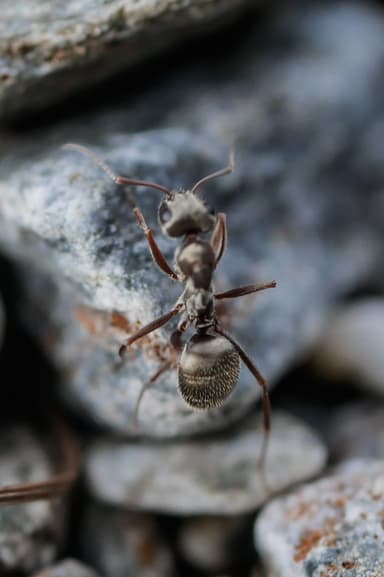
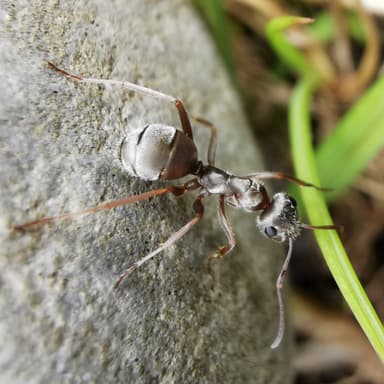
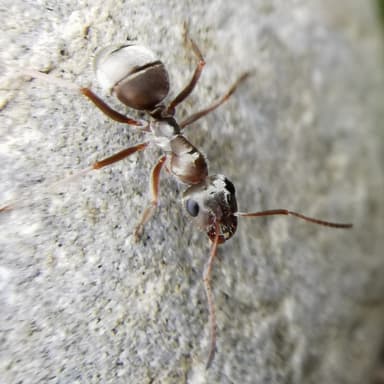
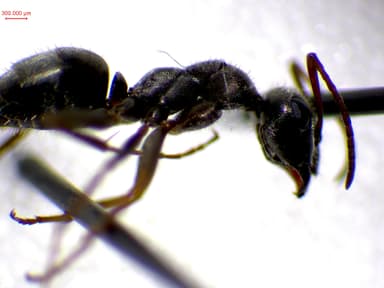
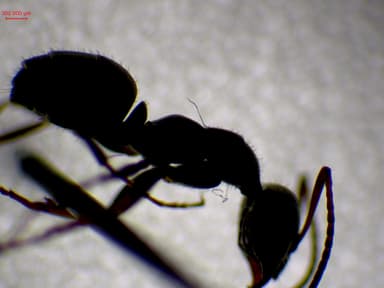
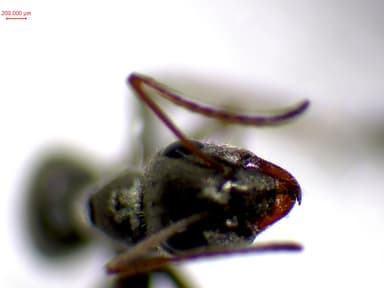
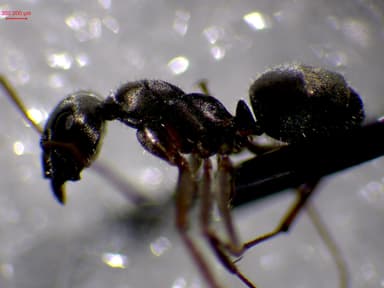
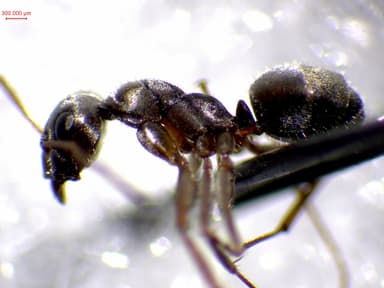
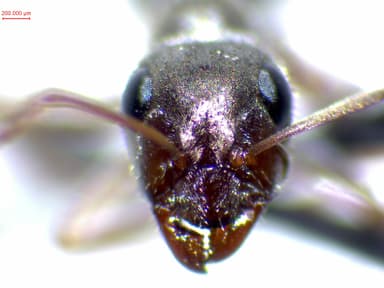
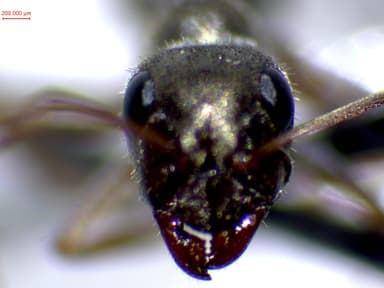
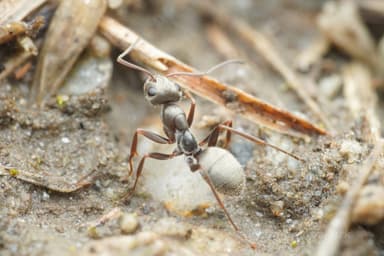
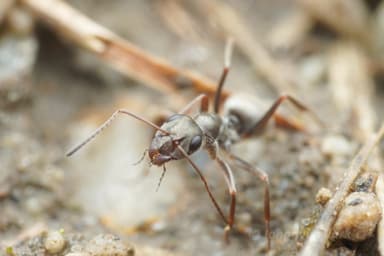
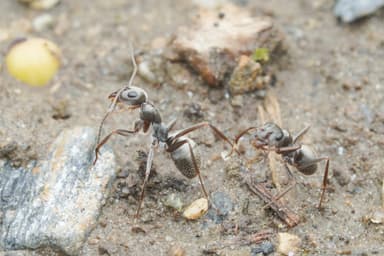
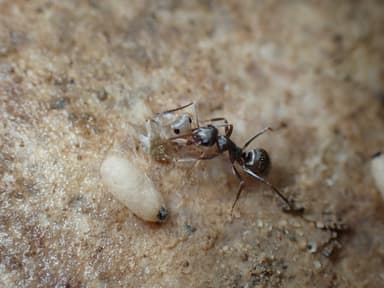
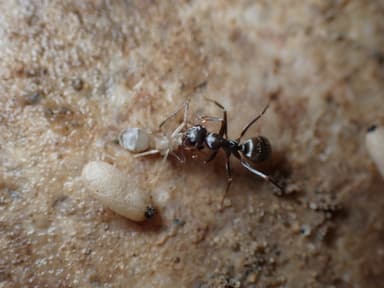
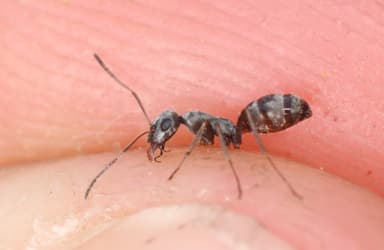
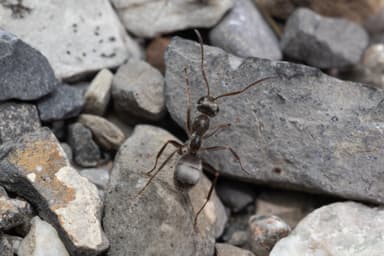
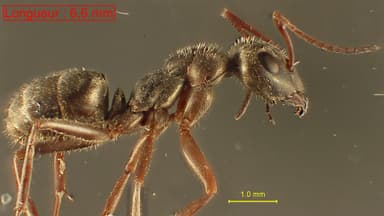
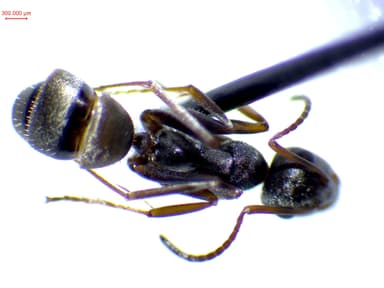
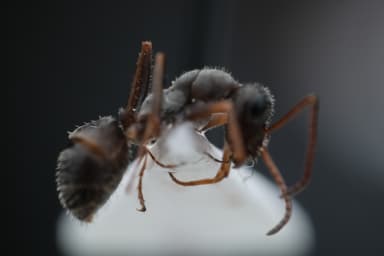
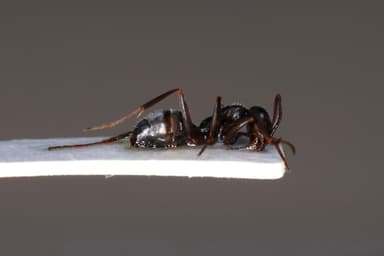
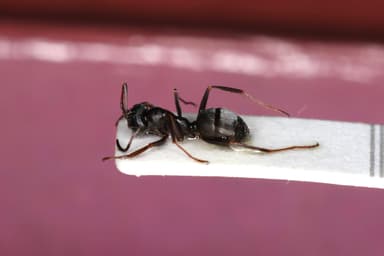
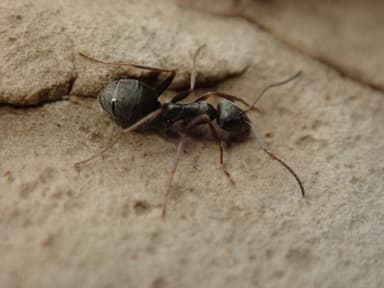
Formica selysi is a robust ant of Central Europe, particularly associated with the shifting gravel beds and floodplains of Alpine rivers, where its distribution stretches roughly between latitudes 36°N and 60°N, and longitudes 10°W to 30°E. Queens measure a substantial 9–11 mm, while the monomorphic workers range from 4.5–7 mm, their dark, subtly shining bodies built for digging in sandy soils. Mature colonies can reach up to 10,000 individuals, and what makes this species especially fascinating is its social polymorphism: populations contain both single-queen (monogynous) and multiple-queen (polygynous) colonies, a trait thoroughly documented in the wild by Purcell & Chapuisat (2013) and Chapuisat et al. (2004). This natural variation, coupled with a semi-claustral founding strategy in which new queens must actively hunt and forage to raise their first brood, gives the keeper a rare window into the early struggles and flexible social architecture of a Formica ant.
With a care difficulty rated intermediate, Formica selysi is best suited to the hobbyist who already has some experience maintaining ant colonies, particularly those with a temperamental founding phase. The semi-claustral start means a lone queen needs more than just a dark tube—she requires a small foraging arena and a steady supply of freshly killed insects, which can be a hurdle for beginners accustomed to fully claustral queens that fast until workers emerge (Reber et al. 2008). Additionally, the mandatory hibernation at a chilly 5°C demands planning and reliable temperature control. If you are comfortable with these nuances, however, you will be rewarded with a large, active colony whose social dynamics can be observed and even influenced by whether you offer additional queens or allow supernumerary deals.
Housing should mimic the alluvial soils these ants naturally inhabit. A nest setup composed of a sand-clay mixture, or a ytong/plaster nest with attached loam-filled basins, allows the workers to excavate and maintain a stable humidity of 40–60%, while a temperature gradient between 18°C and 28°C suits their metabolic needs. Because these ants are excellent escape artists and fond of digging, all joints must be tight and the foraging arena equipped with a reliable barrier. In polygynous colonies the queens often group together, so provide a spacious nest chamber where multiple reproductive females can cohabit without undue stress. A separate outworld with a shallow substrate layer lets workers drag food back and caches the seeds of their daily activity for you to observe. Given their natural habitat, some keepers even simulate occasional “flooding” by lightly misting one corner, though this is not essential.
Feeding Formica selysi is straightforward once the colony is established, but the founding queen demands particular attention. As semi-claustral founders, newly mated queens must receive protein—small fruit flies, cricket drumsticks, or mealworm segments—every two or three days, alongside a tiny dab of honey or sugar water on a clean surface. Workers and brood thrive on a diet of insect protein (fruit flies, crickets, roach nymphs) and carbohydrates from honeydew, diluted honey, or sugar‑water feeders. Because these ants actively tend aphids in the wild, a carbohydrate-rich diet is just as important as protein, and a constant water source, such as a water tube with cotton or a micro-feeder, should always be available. Broods seem to develop best when protein is offered frequently in small portions; uneaten prey must be removed promptly to prevent mold buildup in the moderate humidity.
Hibernation is non-negotiable for the long-term health of Formica selysi and must run for at least three to four months at a stable temperature around 5°C, as inferred from the chilly winters across their European range (Seifert 2018). Begin preparing the colony in late autumn by reducing food offerings and gradually lowering the temperature over several weeks until they enter complete torpor. A frost-free refrigerator set to 5°C, a cool cellar, or a dedicated temperature-controlled cabinet are all suitable. During this rest period, check monthly that the nest retains a slight humidity—dehydration is a greater risk than starvation—and resist the urge to disturb them. Come spring, warm them slowly back to room temperature, and offer a small sugar meal as the first nourishment; the queen will resume egg-laying quickly once conditions stabilise.
When your Formica selysi arrives, the first days are about gentle acclimatisation. If you have a freshly mated queen, place her in a small founding chamber connected directly to a miniature outworld where you can offer that vital first protein and sugar. A founding queen will be restless, constantly exploring and testing barriers, so ensure the lid is secure but the space is not so large that she exhausts herself. Leave her in dim light for a day before feeding, and watch for signs that she has begun to lay eggs: a small cluster of yellowish eggs tucked into a crevice. For an established colony, simply introduce the ants to their new nest, provide a drop of sugar water and a pre-killed insect, and leave them undisturbed for 24–48 hours. Stress at this stage can cause broods to be consumed, so minimal interference is key. After the colony has settled, you can gradually increase observation time and begin the rewarding task of watching their social structure unfold, always mindful that this floodplain specialist’s quiet industry mirrors the rhythms of the wild glaciers and rivers that shaped its evolution.