Ectatomma
Ectatomma tuberculatum
Nuptial Flight Calendar
Flight months: Apr, May, Jun, Oct, Nov
Care Guide
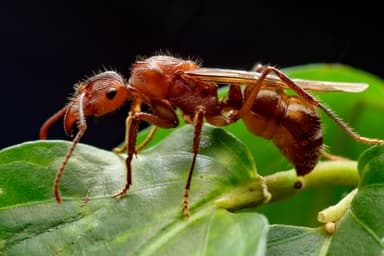
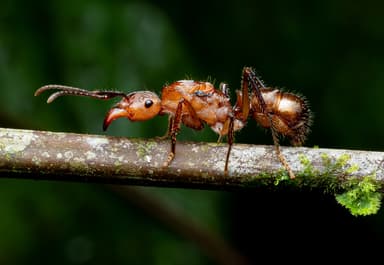
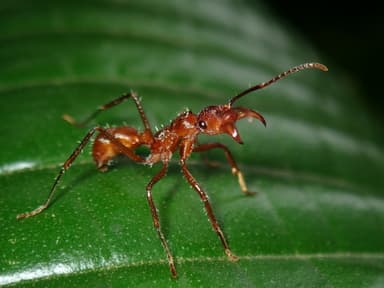
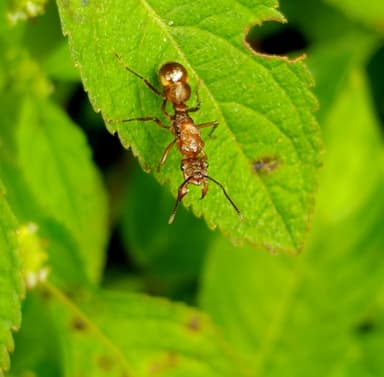
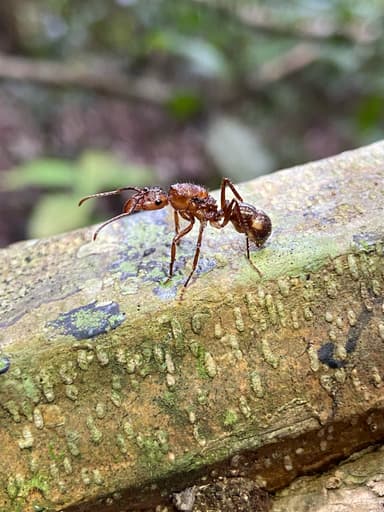
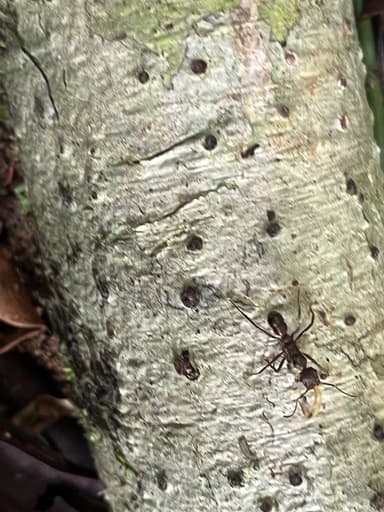
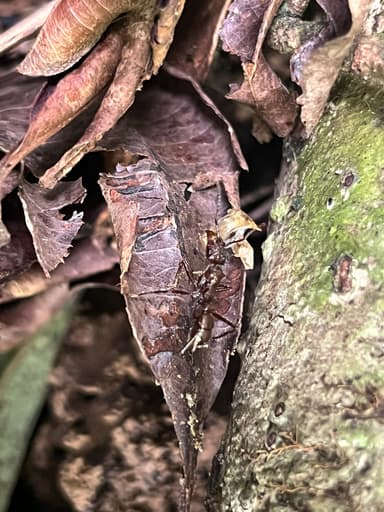
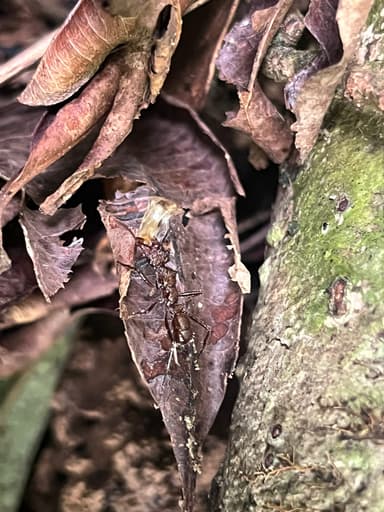
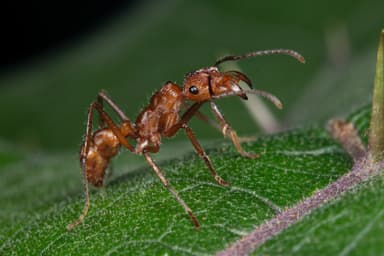
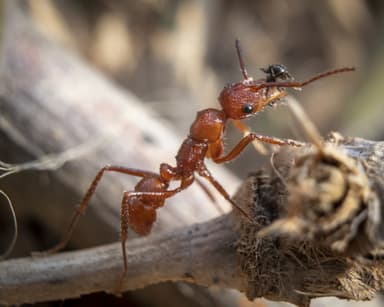
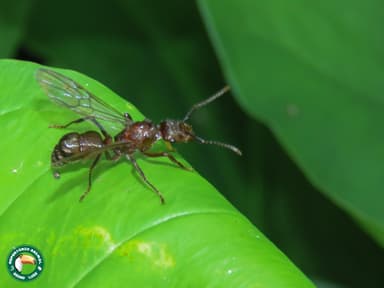
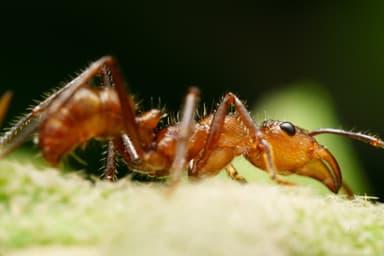
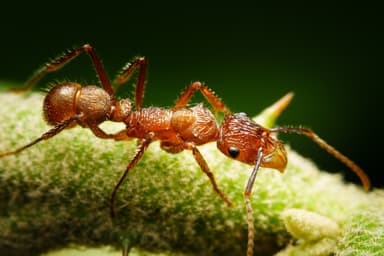
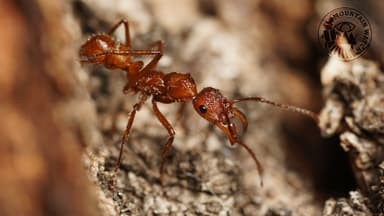
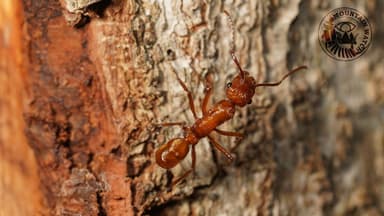
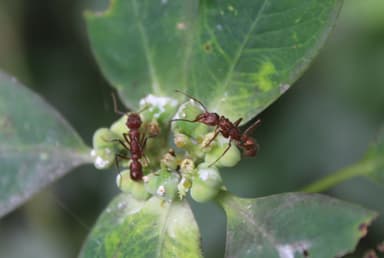
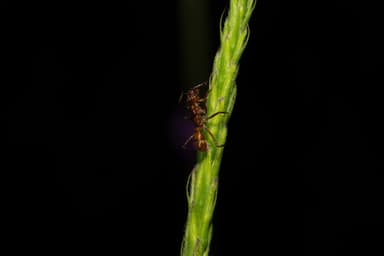
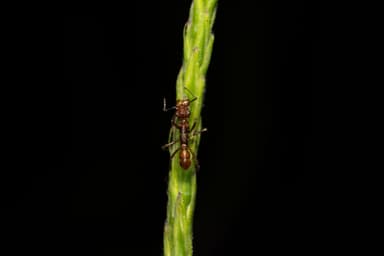
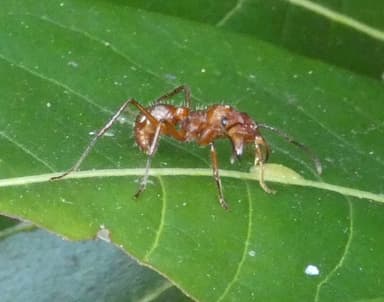
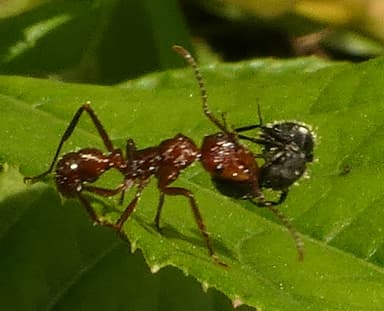
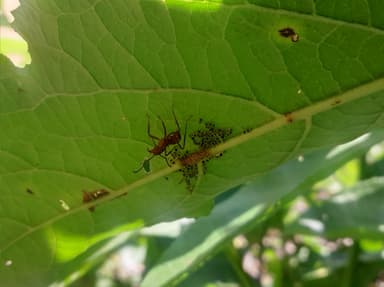
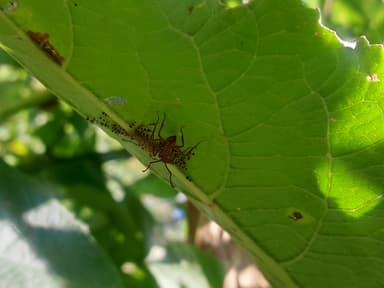
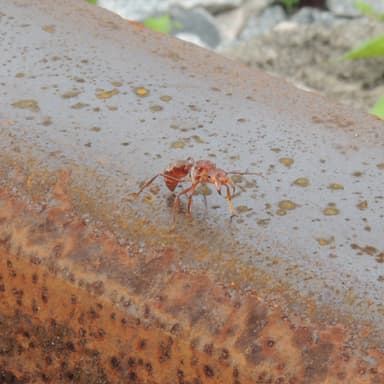
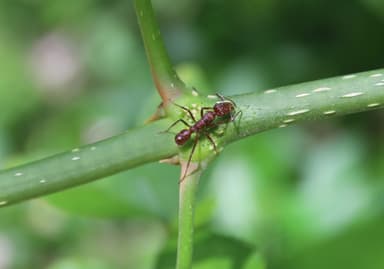
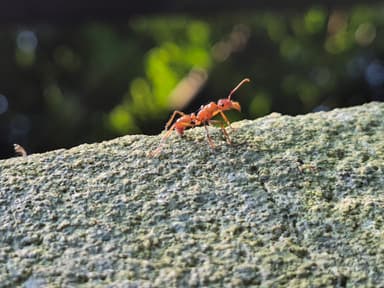
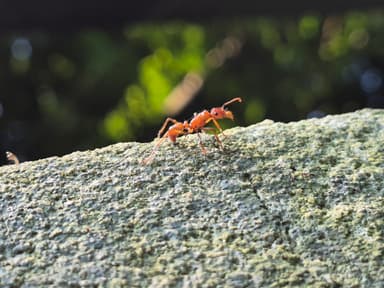
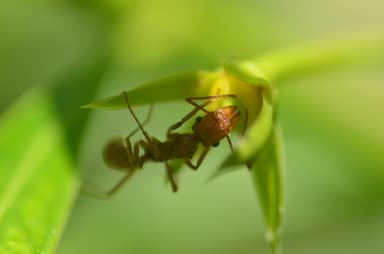
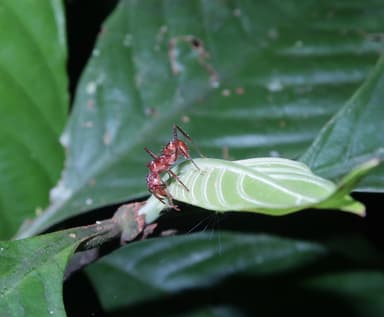
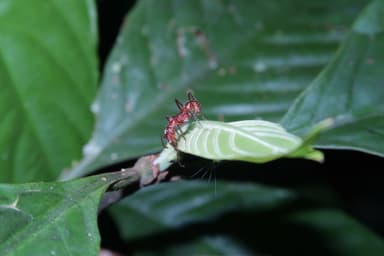
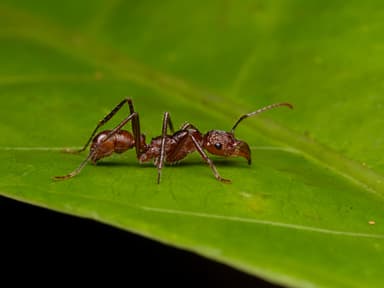
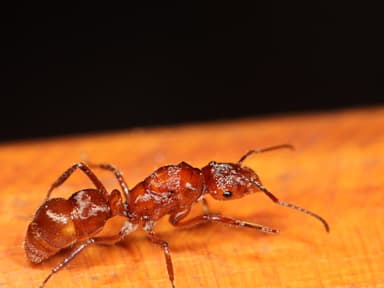
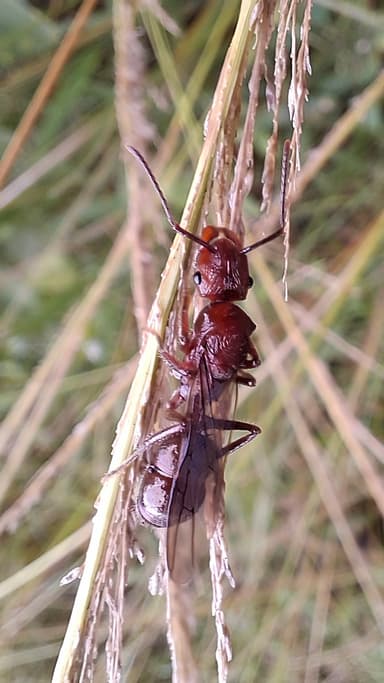
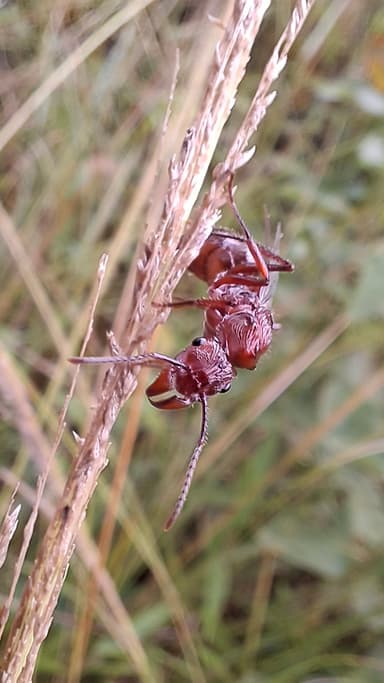
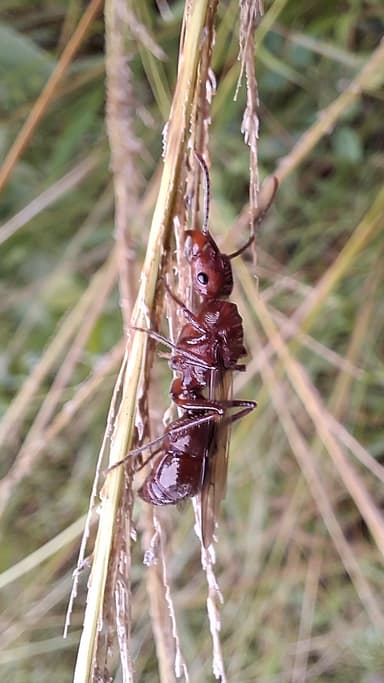
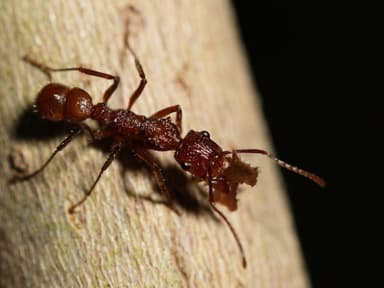
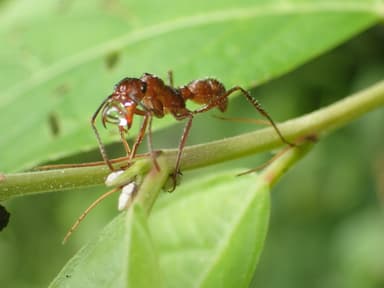
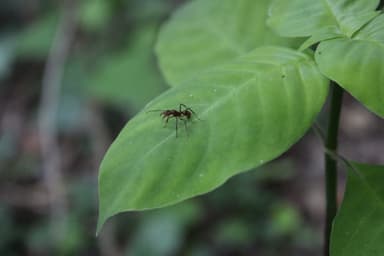
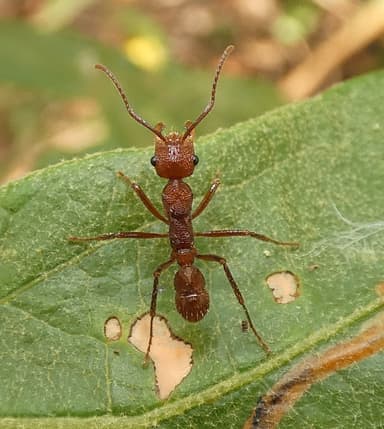
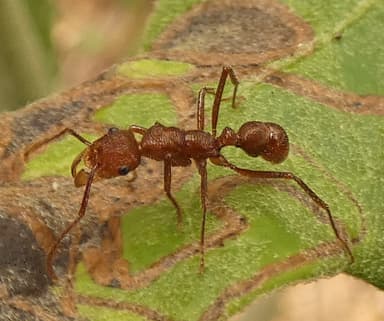
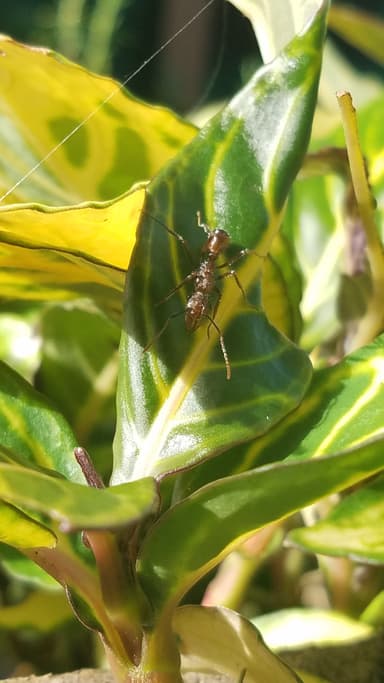
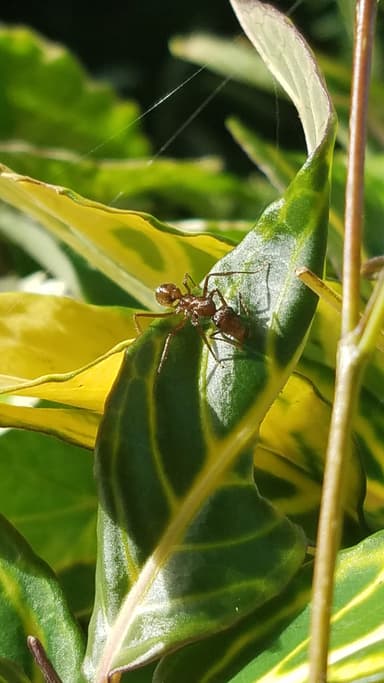
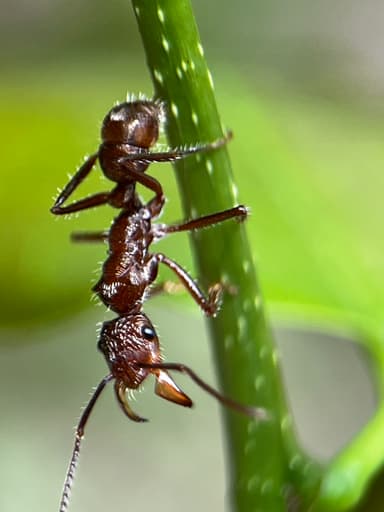
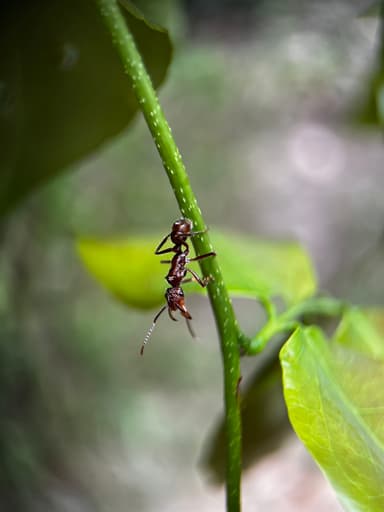
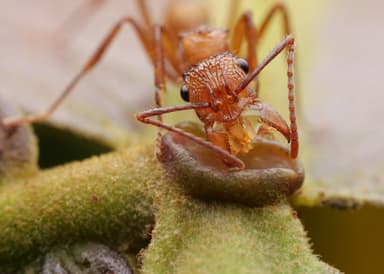
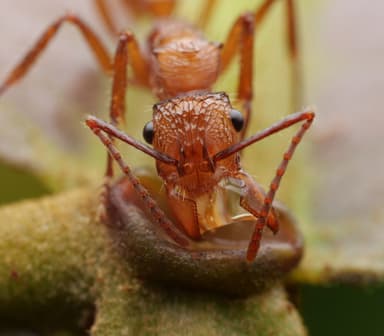
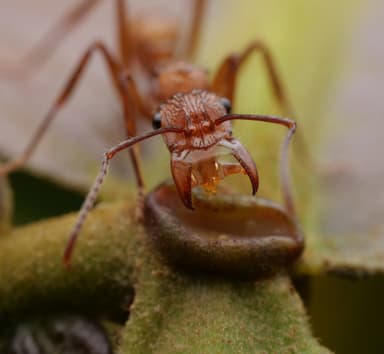
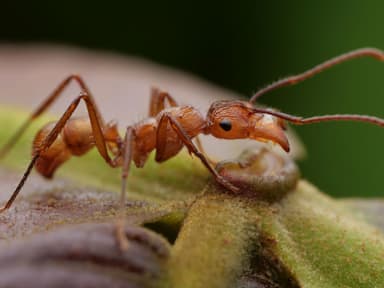
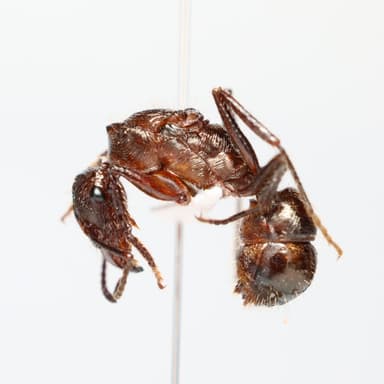
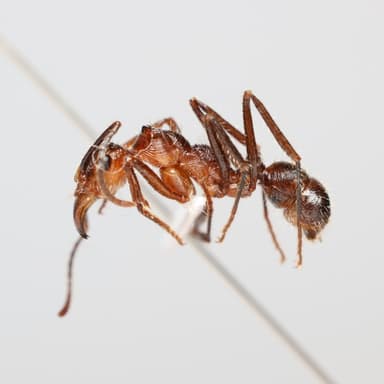
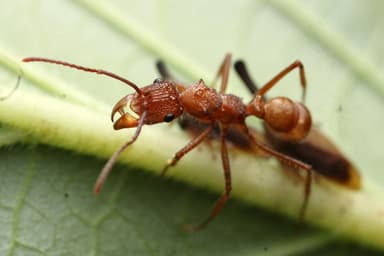
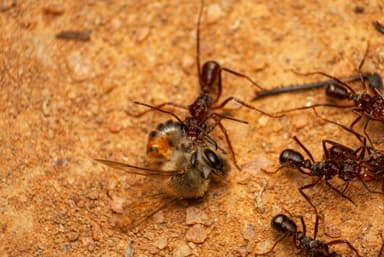
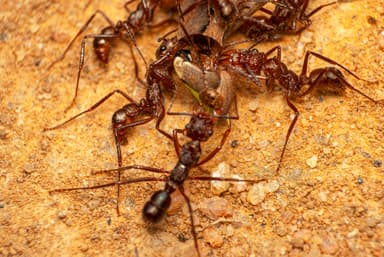
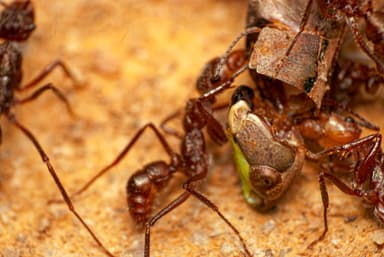
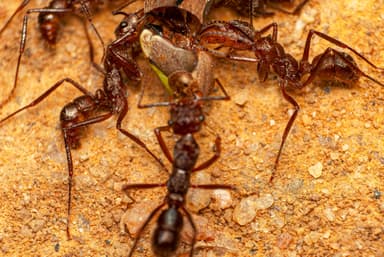
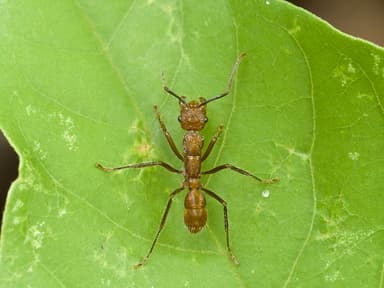
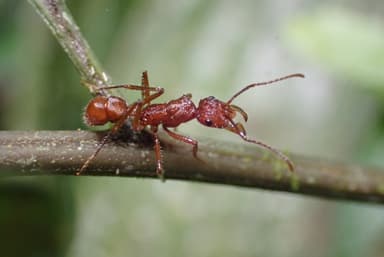
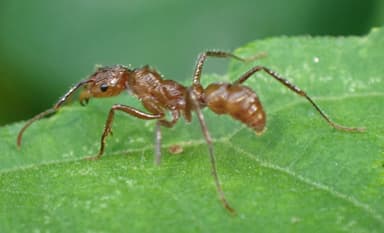
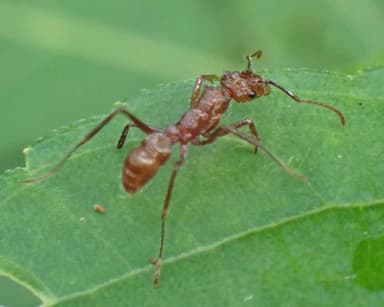
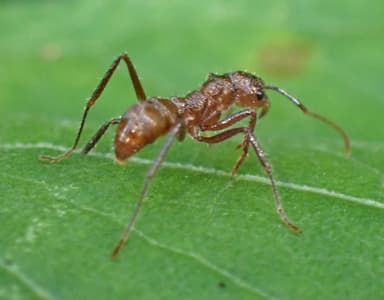
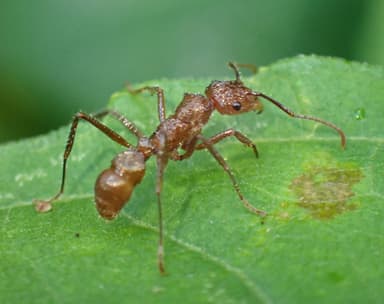
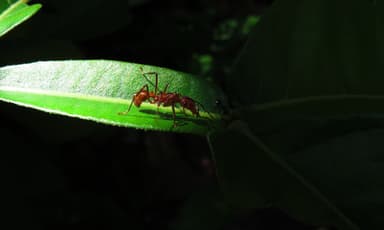
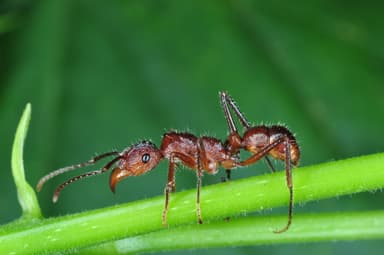
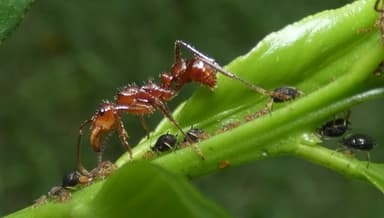
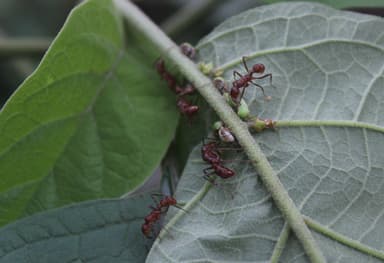
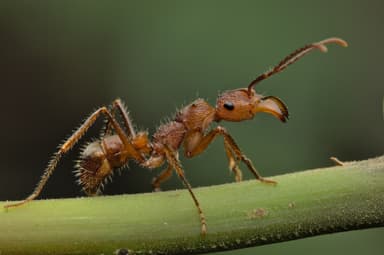
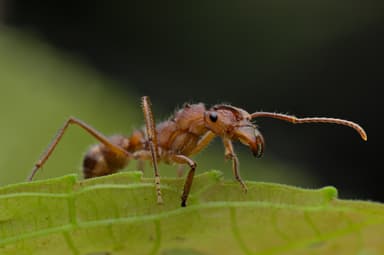
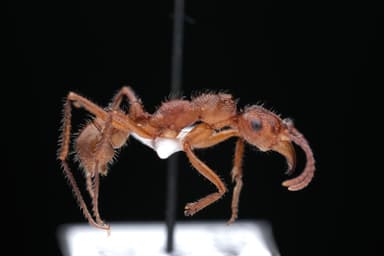
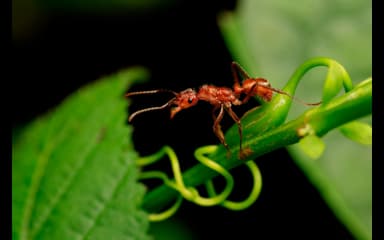
Ectatomma tuberculatum is a robust ponerine ant that immediately draws the eye with its coarse, sculptured exoskeleton and distinct tubercles—the small, rounded protrusions on the head and thorax that give the species its name. Queens measure a substantial 12–14 mm, while workers range from 9–12 mm, all clad in a deep brownish-black that glints under light. Native to the Neotropics, this ant occupies a vast range from Mexico to northern Argentina (GBIF occurrence data), thriving in warm, humid forests and open woodlands. Colonies are relatively modest in size, with mature nests reaching up to around 600 workers (Cook et al. 2010), and they lack a true polymorphic worker caste—all workers are monomorphic, performing tasks without specialized physical divisions. What makes E. tuberculatum particularly fascinating is its reproductive flexibility: it exhibits facultative polygyny, meaning colonies may contain one or multiple functional queens depending on ecological conditions (Hora et al. 2005). This social plasticity, combined with their predatory prowess and semi-claustral founding strategy, offers a compelling window into ponerine evolution and behaviour that rewards the observant keeper.
This species falls squarely into the intermediate care category, best suited for hobbyists who have mastered basic ant-keeping and are ready for a more attentive routine. The primary challenge lies in its semi-claustral founding—a newly mated queen must leave her chamber to hunt, meaning she requires regular feeding from day one rather than relying on internal reserves. For a keeper, this translates into daily check-ins and a steady supply of tiny prey during the earliest stage. Once the first workers eclose, the colony becomes more resilient, yet still demands consistent environmental control and a thoughtful feeding schedule. Because colony growth is gradual and the maximum size is manageable, E. tuberculatum does not threaten to overflow its enclosure rapidly, making it a rewarding long-term project rather than a high-maintenance time bomb. The lack of a hibernation requirement also simplifies year-round scheduling, removing the need for delicate cooling periods that can trip up even experienced keepers.
Housing these ants successfully means replicating the steamy, equatorial conditions of their natural habitat. Maintain a temperature gradient between 22 °C and 30 °C—a gentle heat mat applied to one side of the nest creates a zone where brood can be moved to accelerate development, while the cooler side offers refuge. Humidity must be kept high at all times, typically 70–90%, to prevent desiccation, as their thin epicuticle loses moisture rapidly in dry air. The nest itself should be constructed from a moisture-retentive material like ytong, plaster, or a layered soil-and-clay mix, which allows stable humidity and mimics their preference for nesting in rotting wood or soil cavities. A deep substrate layer of coconut fibre or a sand/loam blend not only holds moisture but also provides material for minor nest modifications. Ventilation requires careful balancing—enough airflow to deter mould, but not so much that humidity crashes. Pair the formicarium with a well-sized foraging arena, securely lidded and treated with a fluon barrier, as the workers and the semi-claustral queen are agile hunters that will actively explore every gap.
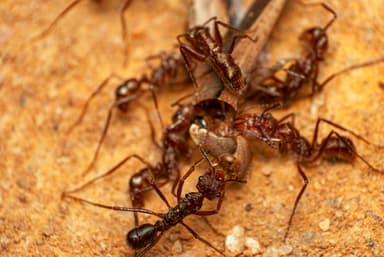
Feeding Ectatomma tuberculatum is a straightforward but protein-heavy affair. These are obligate predators that thrive on a diet of live or freshly killed insects: crickets, mealworm segments, fruit flies, and small roaches all work well. The founding queen must be offered prey regularly—every one to two days, a pinhead cricket or a pre-killed fruit fly will sustain her as she rears her first brood. Workers will also scavenge but much prefer to subdue live prey, so wiggling insects trigger stronger feeding responses. Carbohydrates should not be neglected; a tiny dab of diluted honey, sugar water, or overripe fruit provided on a small dish or soaked cotton satisfies their need for energy. Remove uneaten sugary offerings within a day to prevent spoilage, and always provide a clean water source via a test tube or a micro water bowl with a sponge. As the colony grows, scale food quantities up while still removing carcasses promptly to keep the nest hygienic.
One of the greatest comforts of keeping this ant is the complete absence of a hibernation requirement. E. tuberculatum evolved in climates without a pronounced cold season, so there is no need to lower temperatures or shorten photoperiods at any time of year. Keep the nest conditions stable within the recommended ranges, and the colony will remain active, brooding and foraging continuously. This removes a significant variable that often causes anxiety in temperate ant species, allowing you to focus entirely on the daily rhythms of feeding and observation without seasonal disruption.
Your first days with a new E. tuberculatum queen or founding colony set the tone for success. When you unpack them, gently introduce the ant(s) into the prepared nest—pre-humidified and warmed—and close the system. Resist the urge to check on her for at least 24 hours; stress from shipping and rehoming can cause her to eat her eggs or wander exhaustively. On day two, offer a tiny droplet of honey water and a freshly killed, appropriately sized insect (like a small fruit fly) near the nest entrance. For a semi-claustral queen, it is normal for her to emerge, grab the food, and retreat. If she ignores it, remove the prey after a few hours and try again the next day. Once the first nanitic workers appear, gradually increase prey frequency, but always clean up leftovers. Watch for telltale signs of distress: constant roaming, erratic movement, or a refusal to settle can indicate incorrect humidity or temperature. Patience is your most valuable tool; minimal disturbance now builds the trust that will let you witness one of the Neotropical forest’s most intriguing small societies unfold under your care (Lachaud & Pérez-Lachaud 2015).