Cardiocondyla
Cardiocondyla obscurior
Nuptial Flight Calendar
Flight months: Jan, Feb, Mar, Apr, May, Jun, Jul, Aug, Sep, Oct, Nov, Dec
Care Guide
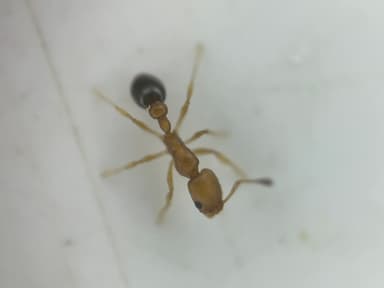
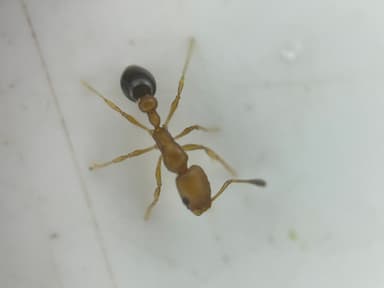
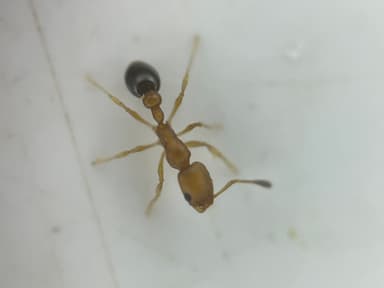
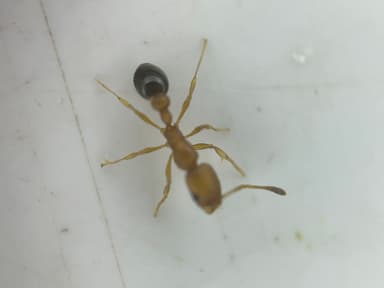
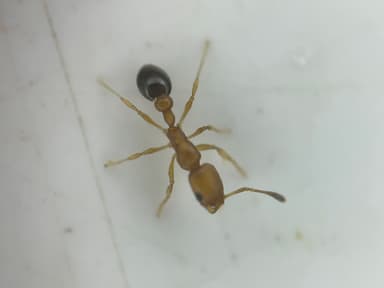
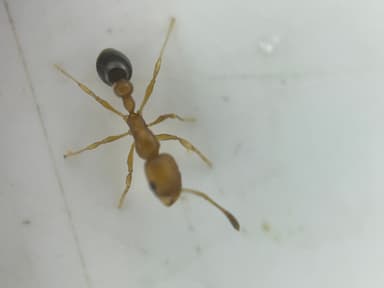
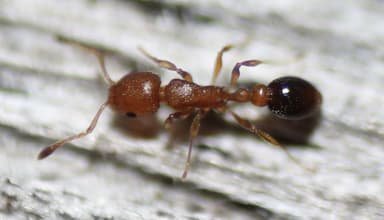
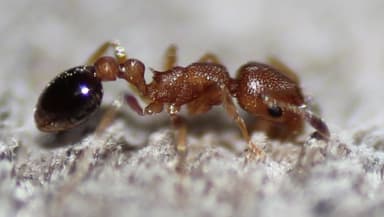
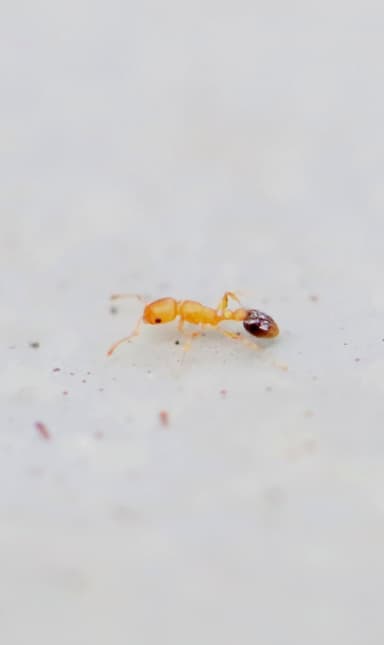
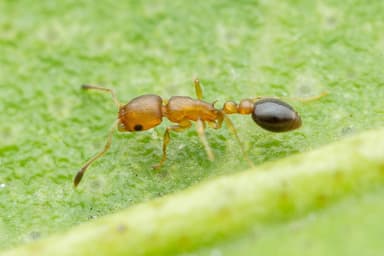
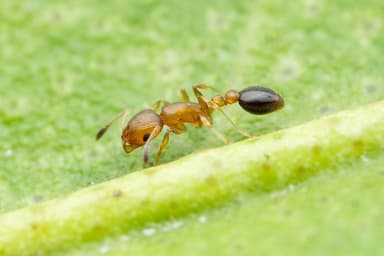
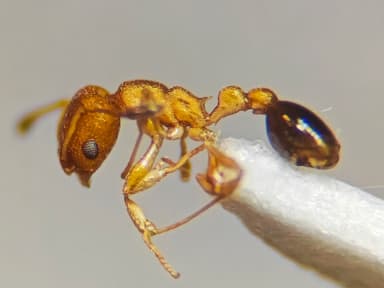
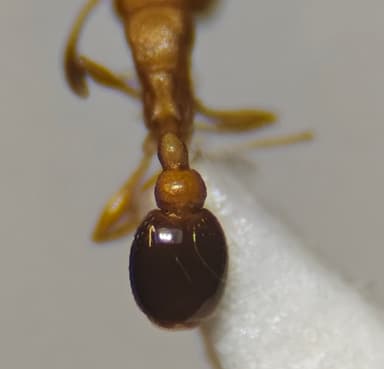
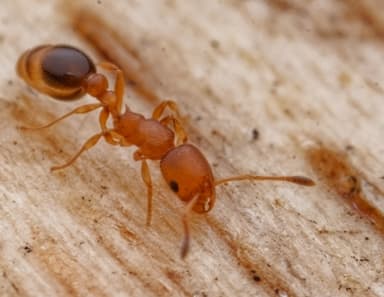
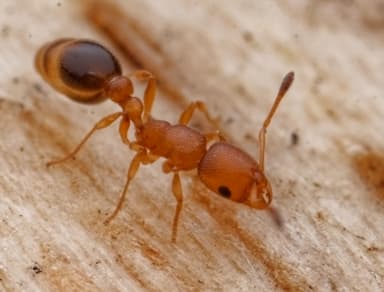
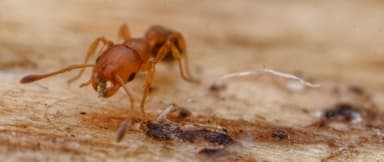
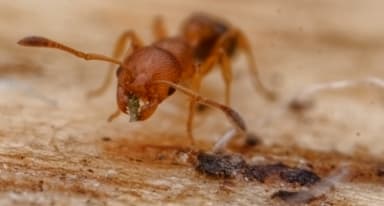
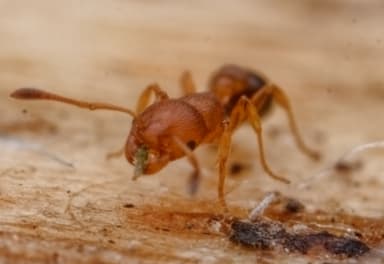
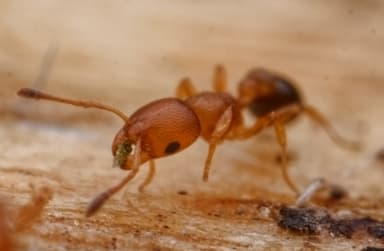
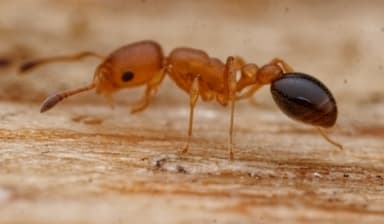
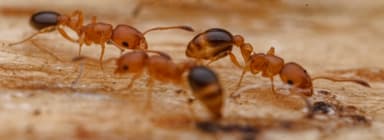
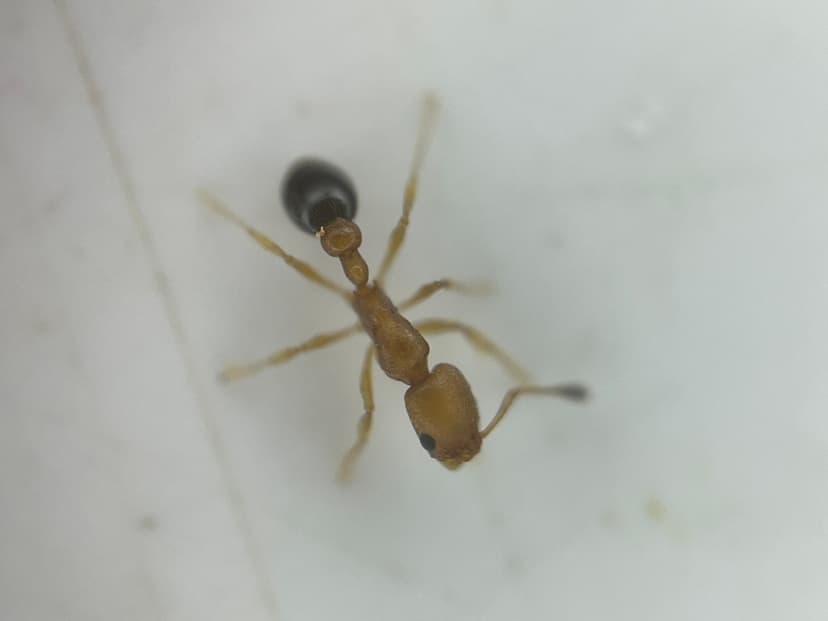
Cardiocondyla obscurior is a true miniature of the ant world, with workers measuring just 2 to 2.5 millimeters and queens only slightly larger at 2.5 to 3 millimeters. At a glance, a colony might be mistaken for a scatter of moving dust, but under magnification these ants reveal a rich biology that far outweighs their size. Their range is pantropical, spread through human commerce into warm regions worldwide, and colonies typically contain up to around 1,500 individuals. What sets this species apart from almost all other ants is its reproductive system. Colonies are polygynous and produce two dramatically different types of males: typical winged dispersers and wingless ergatoid males that never leave the nest. These ergatoid males are aggressive fighters, battling one another to monopolize mating with newly emerged queens, and they are continuously produced year-round. Mating takes place entirely inside the nest, and new colonies are founded by budding — a group of workers accompanied by one or more mated queens simply walks away from the mother colony to establish a new home. This strategy, combined with a lack of a defined nuptial flight season, means that a captive colony can undergo a constant, slow expansion under the right conditions (Heinze et al. 2006; Schrempf & Heinze 2006).
The care difficulty for Cardiocondyla obscurior sits at an intermediate level, making them best suited for keepers who have already successfully maintained a few simpler species such as Lasius or Tetramorium. The primary challenge is not temperament — these ants are timid and only sting painlessly under extreme duress — but rather their almost microscopic size. Escape prevention is paramount; workers can pass through the tiniest gaps in standard formicaria, including the seams of poorly sealed acrylic nests or the ventilation holes meant for much larger ants. A tight-fitting lid and very fine mesh (or even a talc barrier suspended in alcohol and carefully applied) are essential. Their small scale also means that a keeper must be comfortable handling tiny prey items and performing delicate maintenance without accidentally crushing the ants. For an enthusiast who enjoys observing intricate social behaviours and is willing to invest in a well-sealed, small-format nest, C. obscurior is exceptionally rewarding. Watching the wingless male battles and the quiet budding fission of colonies through a macro lens opens a window onto a rarely seen ant biology.
Housing must be designed around controlled warmth and humidity. A temperature range of 22 to 30°C is ideal, with the warmer end of that spectrum generally encouraging faster brood development and more activity. Avoid abrupt temperature swings. Humidity inside the foraging arena can be kept between 50 and 70%, but the nest itself requires a stable, high-humidity microenvironment. The easiest way to achieve this is with a plaster or gypsum nest that is kept moist by periodic injection of water into a built-in hydration chamber; a Ytong or firebrick nest also works well. Because these ants are so small, nests with integrated watering tubes and very tiny chambers are preferable to prevent sudden flooding that could drown workers. A thin layer of fine sand or coconut coir in the outworld helps the ants feel grounded and provides them with materials to manipulate, but a deep substrate is unnecessary — they naturally nest in pre-existing cavities, leaf litter, or cracks in trees. Always place the formicarium inside an escape-proof secondary container, with a liquid PTFE or similar barrier applied to the rim, as a single stray worker can rapidly lead to an infestation in a warm home.
Dietary requirements are straightforward, provided all food is scaled to their body size. In the wild, these ants scavenge and hunt tiny arthropods, and in captivity they do best on small, soft-bodied prey such as flightless fruit flies, springtails, or finely chopped mealworms. High-quality protein is crucial for larval development; offer a small amount of freshly killed prey twice a week. Carbohydrates can be supplied via a capillary tube of sugar water, a dab of honey on a piece of foil, or a hummingbird nectar mix; because the colony is tiny, a droplet no larger than a pinhead may suffice for a full week. Always remove uneaten food within 24 hours to prevent mould, which can be lethal in a confined, humid environment. Fresh water must be available at all times, either in a test tube setup with a cotton plug or a dedicated water feeder. The colony will readily drink from moist surfaces, so a well-hydrated nest often doubles as their water source.
No hibernation period is required for this tropical species. Colonies remain active and productive year-round as long as temperature and humidity stay within the recommended range. In fact, cooling them for an extended period can be fatal. This consistency makes them a delightful year-long display animal, with brood production never pausing, though you might notice a slight ebb in activity if room temperatures drop temporarily. The year-round reproductive cycle also means that a thriving colony will bud repeatedly, so be prepared to manage or separate excess queens and workers over time.
During the first few days after purchase, your primary role is to provide absolute calm and security. Settle the colony into their new nest as gently as possible; if they arrive in a test tube, simply connect it to the nest entrance and allow them to explore and move at their own pace over the next 24 to 48 hours. Do not prod or force them. Keep the setup in a quiet, dimly lit spot, away from vibrations and direct sunlight. Resist the urge to offer food immediately — the ants will have stored resources, and a newly introduced prey insect can stress a disoriented colony. After two days, offer a micro-drop of sugar water and a single dead fruit fly placed near the entrance. Watch for the first workers to emerge and begin tending brood and foraging; if they ignore the food, remove it and try again the next day. Pay close attention for escape attempts in this settling period, as the ants will be mapping every seam. Within a week, a healthy colony will be bringing food and moisture back to the nest, and you can begin normal feeding schedules.