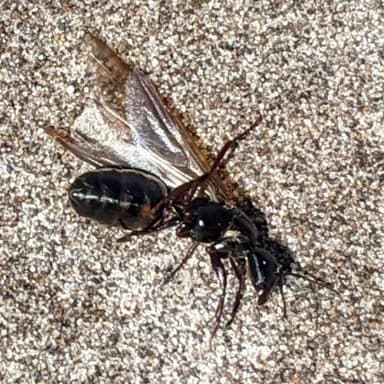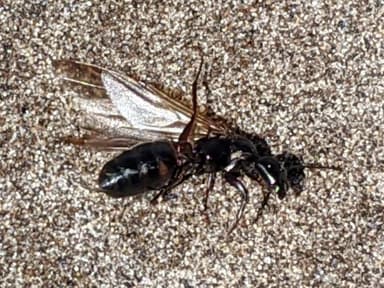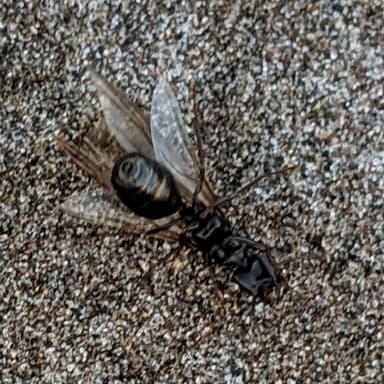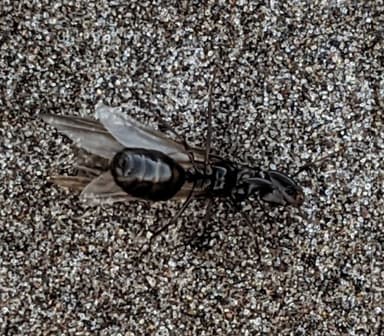
Camponotus
Camponotus modoc
Nuptial Flight Calendar
Flight months: Apr, May, Jun, Jul
Care Guide
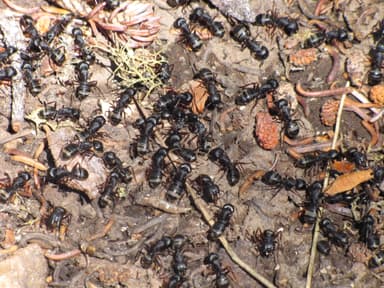
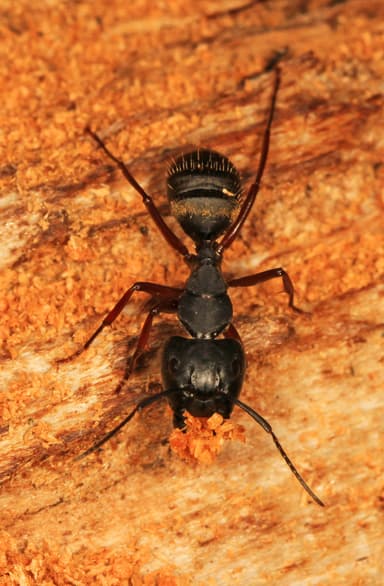
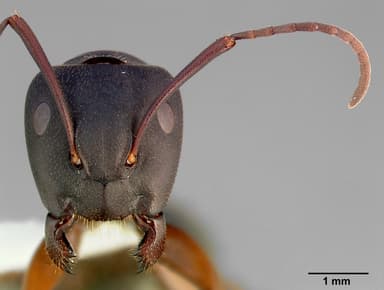
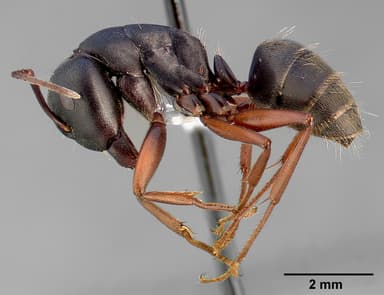
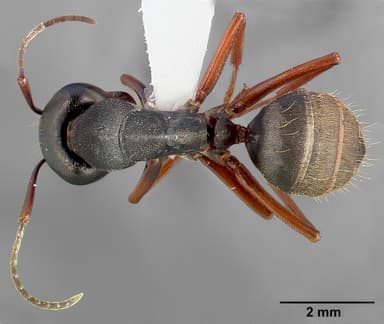
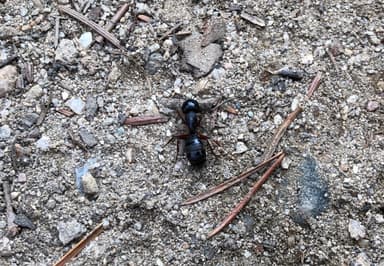
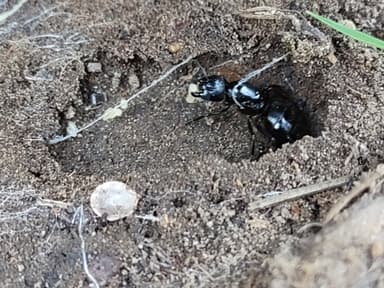
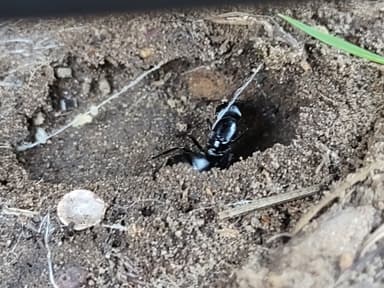
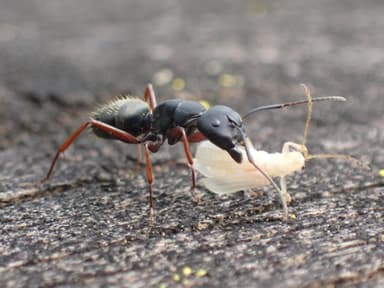
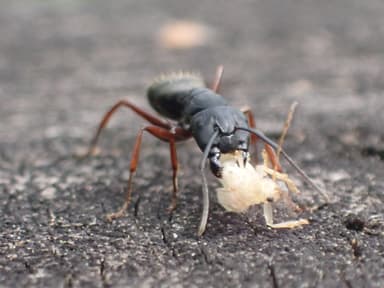
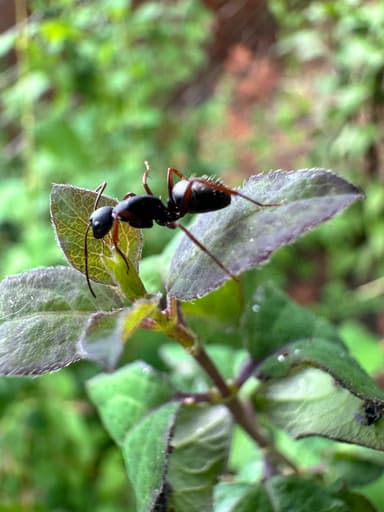
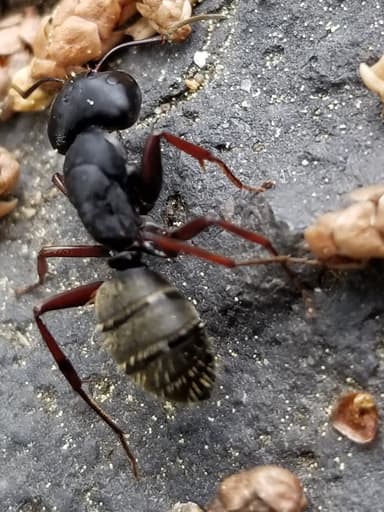
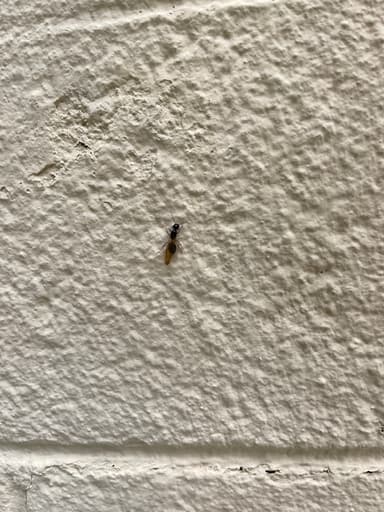
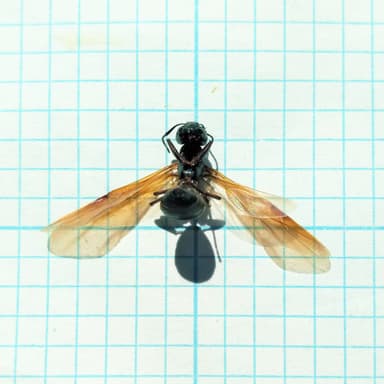
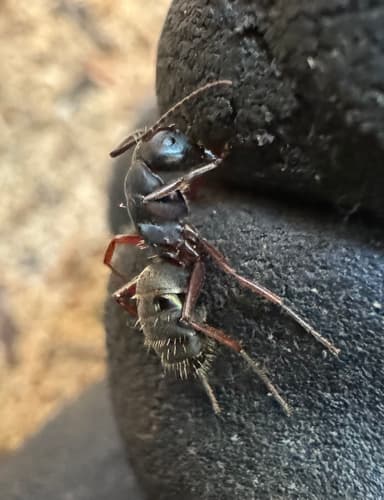
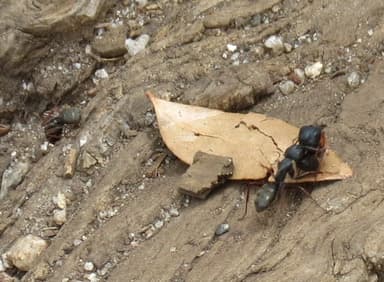
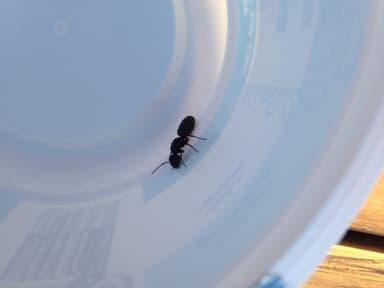
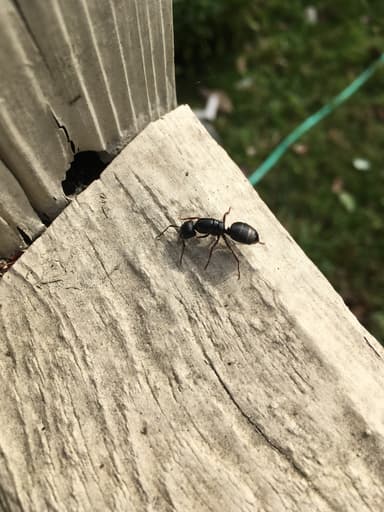
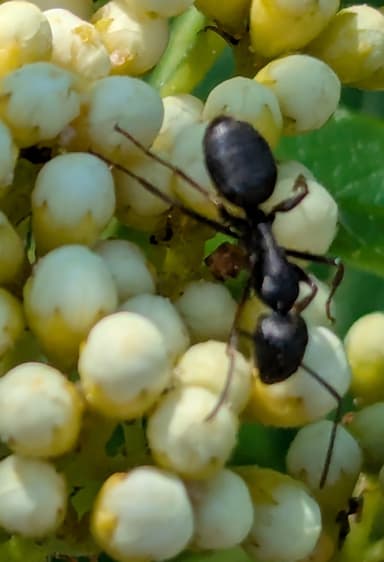
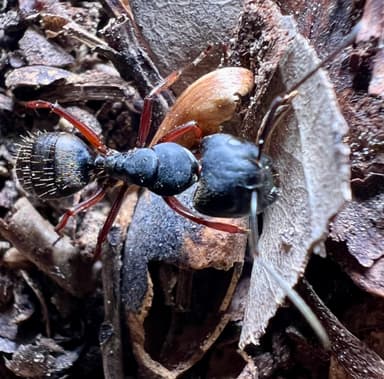
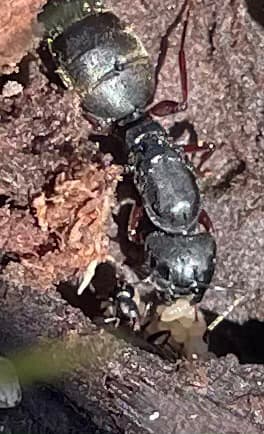
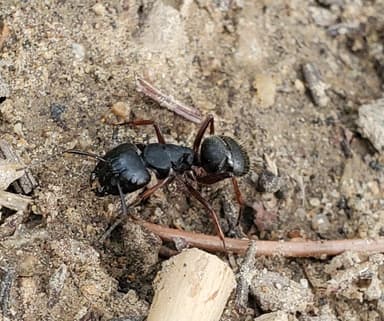
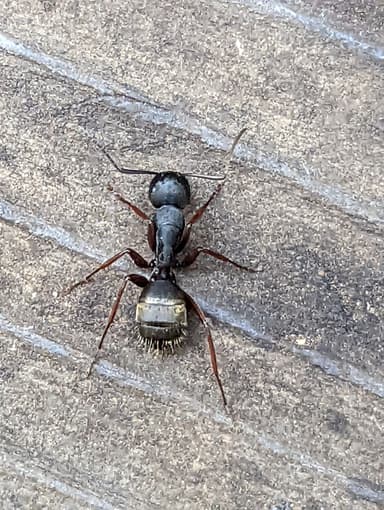
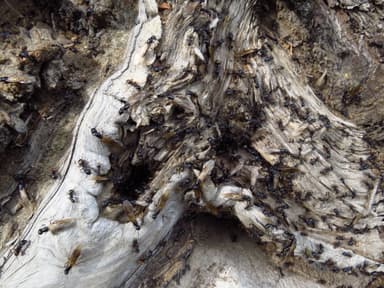
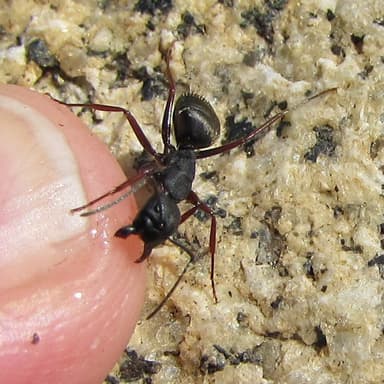
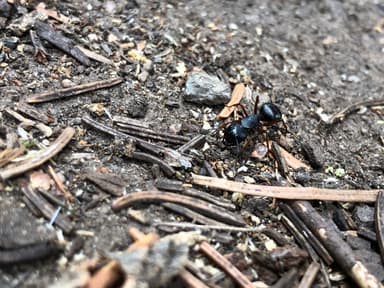
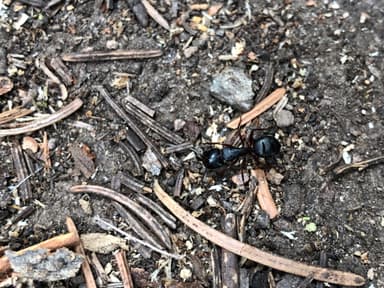
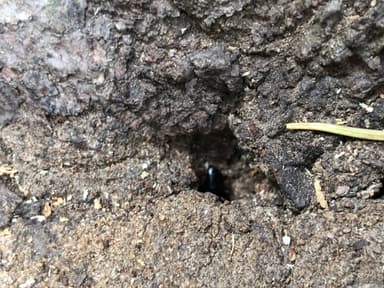
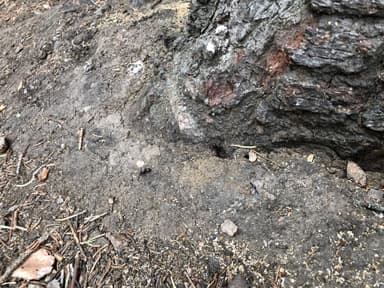
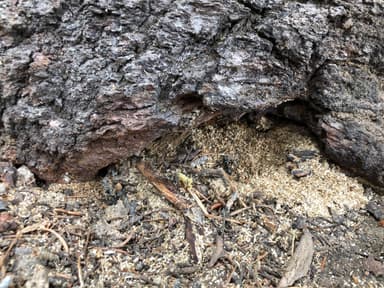
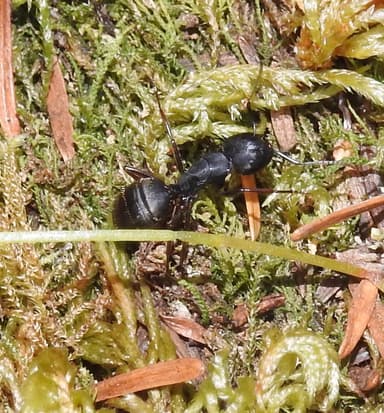
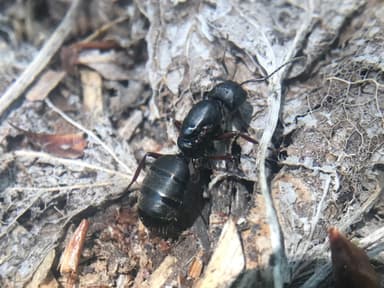
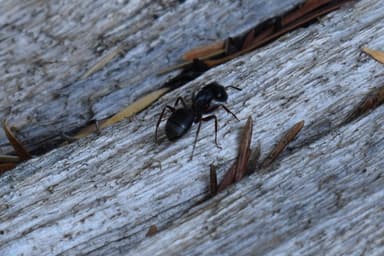
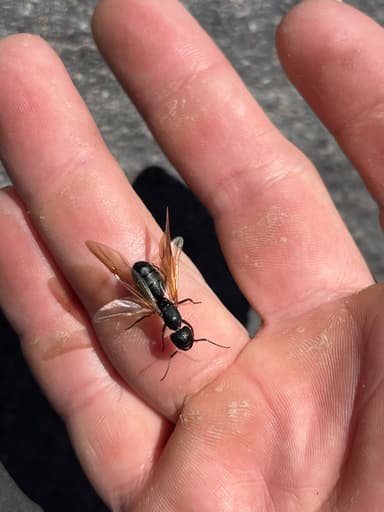
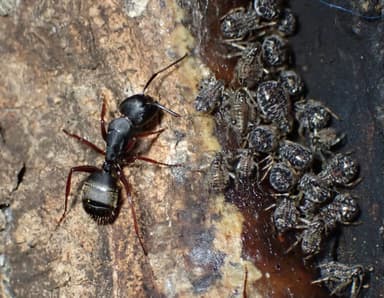
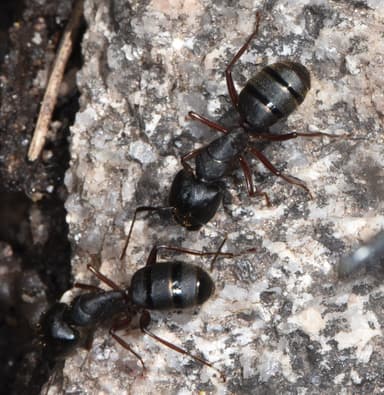
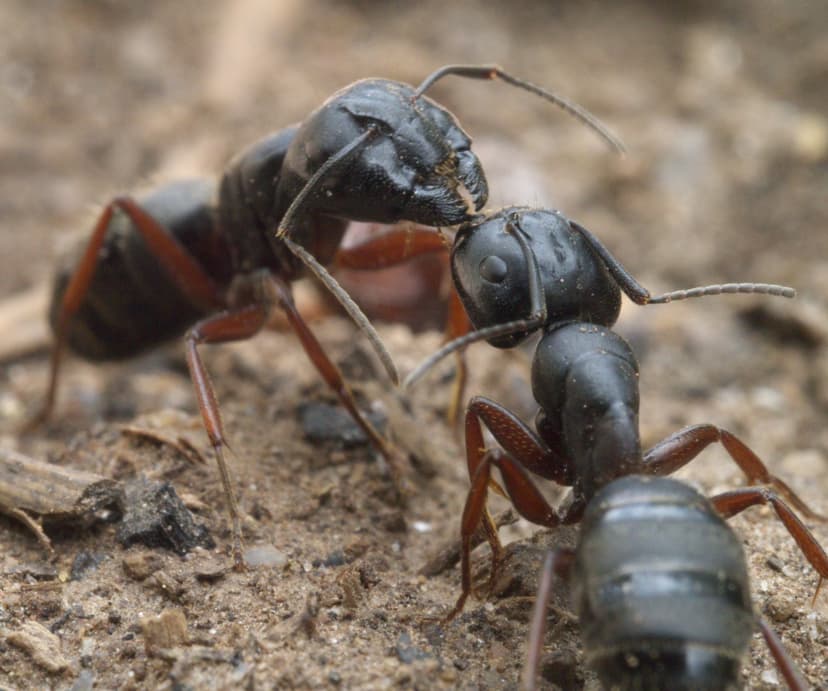
Camponotus modoc, a robust carpenter ant of western North America, commands attention with its impressive size and intricate social structure. Queens measure 15 to 18 millimeters, while the polymorphic worker caste spans a dramatic range from six-millimeter minors to formidable 14-millimeter majors. The species is typically deep black, often with subtle reddish-brown tones on the legs, and colonies can eventually swell to 50,000 individuals (Hansen & Klotz 2005). Like all Camponotus, they are claustral founders: a single queen sequesters herself, raising her first brood from stored wing-muscle reserves. Nuptial flights occur in the afternoon warmth of late spring and early summer — May through July — after soaking rains, a pattern well-documented across the Pacific Northwest and Rocky Mountain regions (Wheeler 1910; GBIF). What makes this ant particularly captivating is the stark division of labor among its three worker subcastes, from the sprightly minors that tend brood and forage to the broad-headed majors that defend the nest and crush seeds. The sheer size of mature colonies and the presence of impressively large soldiers make them a rewarding, if demanding, display species.
From a care standpoint, C. modoc is best considered an intermediate-level ant, suited to keepers who already have experience with basic husbandry and are ready to manage the seasonal rhythms of a temperate species. The colony’s eventual need for substantial housing, a steady supply of protein, and an annual cold diapause pushes it beyond the scope of a beginner. Hobbyists who appreciate slow-blooming projects will find it a perfect match: colony growth is gradual, taking several years to reach maturity, but each spring brings visible pulses of development and a satisfying expansion in workforce size. Patience and a commitment to providing carefully timed hibernation are absolutely essential to long-term success.
Housing a C. modoc colony should mimic the damp, protected spaces inside rotting wood that they naturally inhabit. A formicarium made of plaster, ytong, or wood is ideal, as it holds moisture well and allows the ants to shape their tunnels. Temperatures are best maintained between 18 and 26°C, with a gradient from a cooler feeding area to a warmer nest zone around 22–24°C to stimulate brood development. Nest humidity should run between 50 and 70%, achieved by regular, gentle watering of the nesting material, while a separate outworld can be kept drier. Avoid overly wet conditions that encourage mold or mites. A thin layer of sand or fine gravel in the outworld gives the ants secure footing, and a piece of softened wood or bark placed inside the foraging arena will be chewed and used as substrate for excavating. As the colony grows from a few dozen workers to thousands, upgrade to a spacious multi-chambered setup with robust connectors; large major workers can be surprisingly strong and may test loose joints.
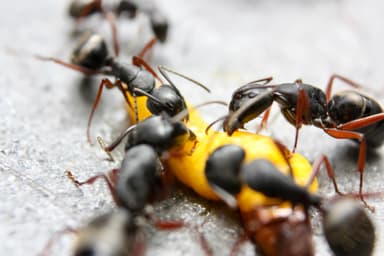
Diet for these ants is classic Camponotus fare: sugars fuel the adults, while protein powers the larvae. Offer a liquid carbohydrate source such as sugar water, honey, or commercially prepared formicarian nectar a few times per week, adjusting frequency as the colony’s appetite dictates. Protein should come from freshly killed, pesticide-free insects — crickets, mealworms, roaches, or fruit flies — with extra protein when larvae are present. Small colonies fare best with tiny pieces or soft-bodied prey to avoid waste, while larger broods can rapidly dispatch whole insects. Always remove uneaten protein after a day or two to prevent spoilage. A test tube with water and a cotton plug or a small water tower needs to be constantly available in the outworld, as carpenter ants drink frequently and rely on ambient humidity for brood health.
Diapause is not optional for Camponotus modoc; it is a biological necessity that resets the colony’s internal clock and preserves the queen’s fertility. As days shorten in autumn, gradually reduce the temperature over a few weeks until the colony is held at a steady 6°C — a typical hibernation temperature for this species. A household refrigerator, a cool cellar, or a temperature-controlled wine cooler works perfectly, provided the formicarium is protected from vibration and direct light. During this 3- to 4-month dormancy, check the ants monthly only to ensure hydration; the nesting material should remain lightly moist but not wet, and the ants will cluster in a tight, still mass. When spring arrives, warm them slowly back to room temperature, at which point the queen will resume laying and the workers will eagerly seek food.
The first few days after your C. modoc arrives set the tone for a lasting, healthy colony. Open the shipping container in a dim room and gently place the test tube or founding chamber into the prepared outworld, allowing the ants to exit on their own. Resist the urge to feed or even watch them for at least 24 hours — vibrations and bright light after transport can cause extreme stress. After this quiet period, offer a minuscule dab of honey on a piece of wax paper and a drop of fresh water near the tube entrance. If the colony is still in the founding stage (a queen with a small clutch of eggs or larvae), a single fruit fly or a sliver of mealworm can be added, but be prepared to remove it if ignored. Watch for reassuring signs: the queen should appear calm and eventually begin grooming; workers, if present, will cautiously investigate the food. Clear alarm signals — an agitated queen racing about or workers refusing to settle — usually mean the temperature or humidity is off, or that they were disturbed too soon. In that case, re-cover the setup with a breathable cloth and leave them in peace for another day. Once the first food is accepted and the ants begin minor foraging, you can start a gentle feeding rhythm and gradually introduce a small nest chamber. From that tender beginning, a mature colony of these magnificent western carpenter ants will slowly unfold under your care.