Polyrhachis
Polyrhachis femorata
Care Guide
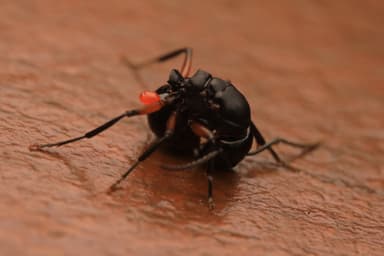
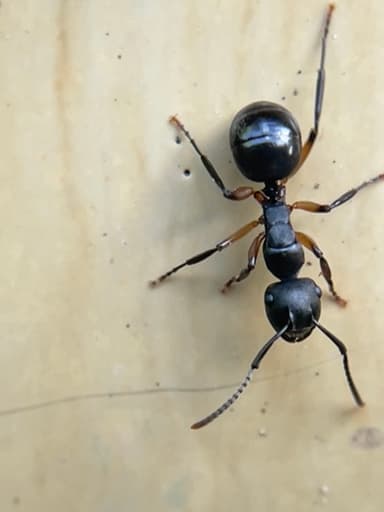
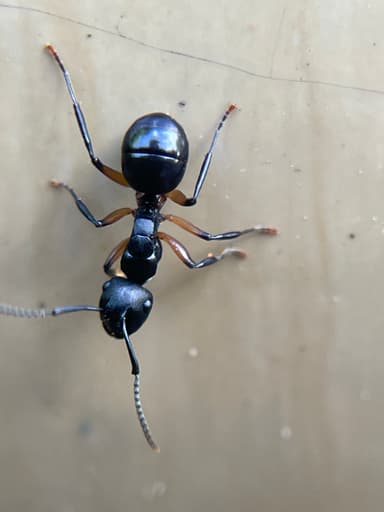
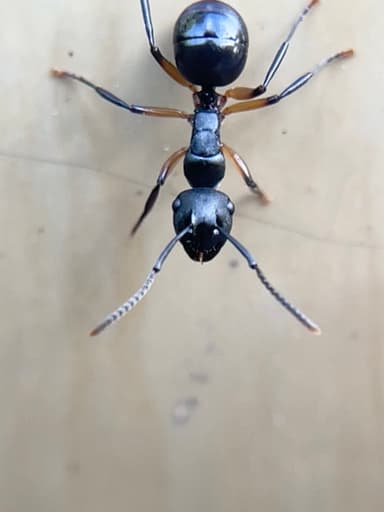
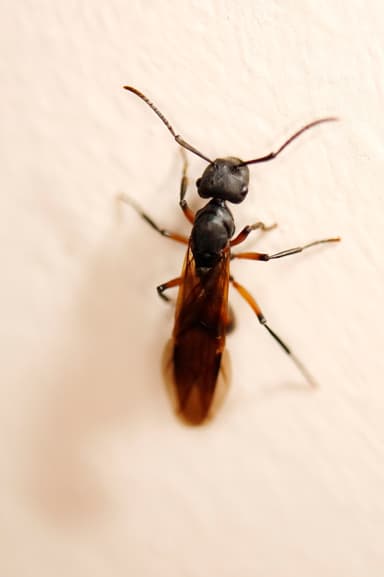
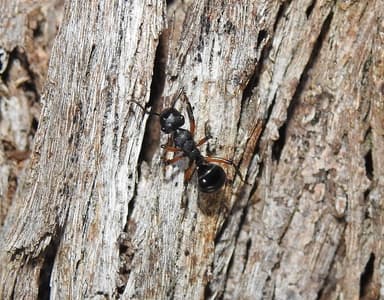
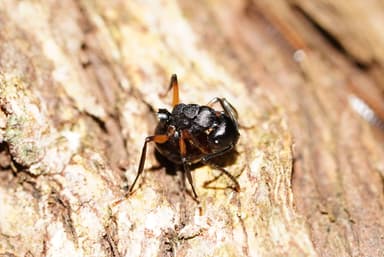
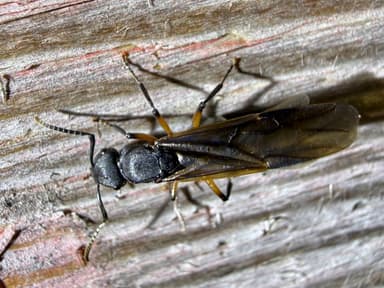
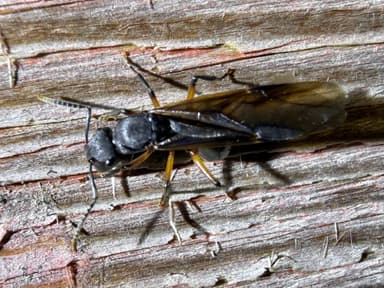
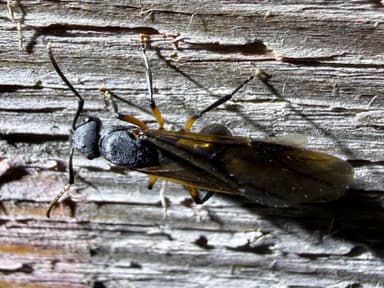
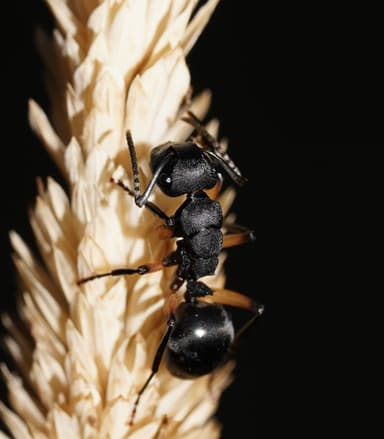
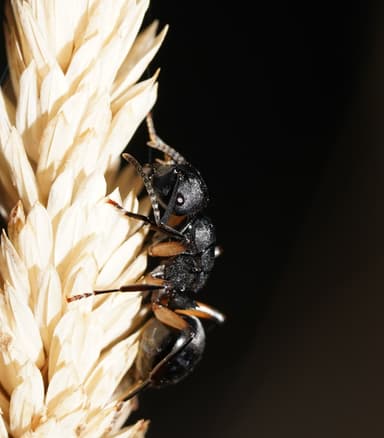
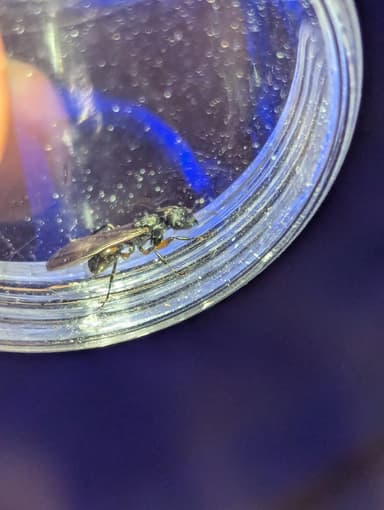
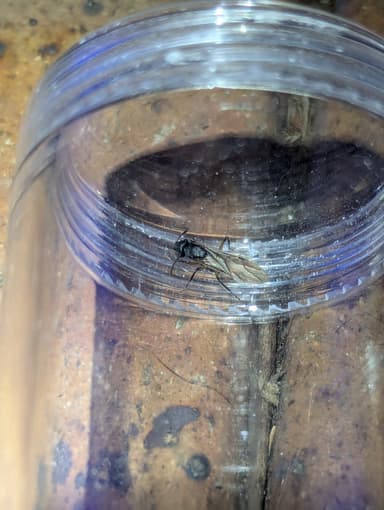
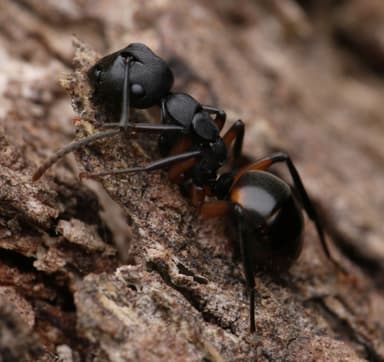
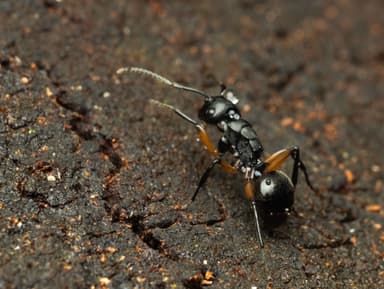
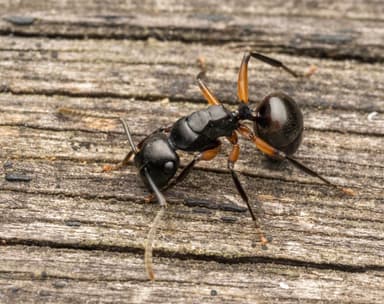
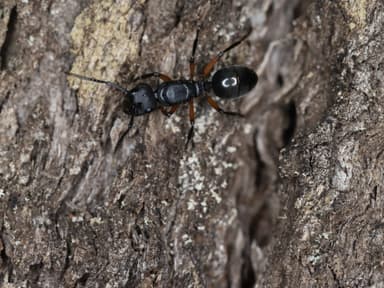
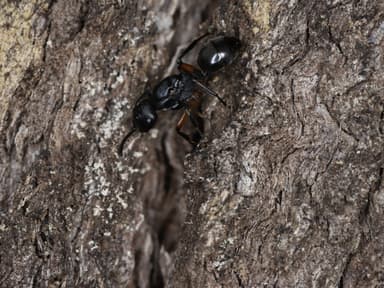
Polyrhachis femorata is a striking species, immediately recognizable by the sharp spines that adorn its thorax and petiole. These spines are not merely decorative—they serve as a formidable defense against predators, making the colony a challenge for any would‑be attacker. The queen, measuring 10–12 mm, is robust and dark, while the workers range from 6–8 mm and share her glossy, black‑brown appearance. Although Polyrhachis femorata does not exhibit the dramatic polymorphism seen in some other ants, the colony still shows subtle size variations among workers, with larger individuals often taking on more demanding foraging tasks.
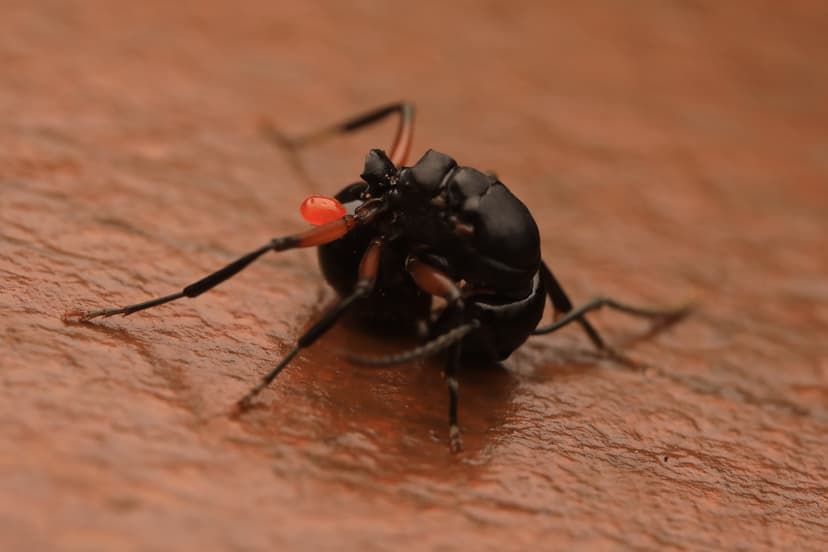
One of the most fascinating aspects of this species is its semi‑claustral founding strategy. Unlike fully claustral queens that seal themselves away and rely solely on stored reserves, the Polyrhachis femorata queen must leave the nest periodically to forage for food during the early stages of colony establishment. This makes her more vulnerable, but also means that the first workers appear with a well‑nourished queen already accustomed to external feeding. Colonies gradually grow to a size of 200 to 2,000 workers, forming a bustling, active community that thrives on a varied diet consisting of insects, sugar water, honeydew, and protein sources. The ants are industrious foragers, often extending trails over large distances in search of food, and they show a particular fondness for sugary liquids.
Care difficulty
Keeping Polyrhachis femorata is rated as intermediate, primarily because the semi‑claustral founding requires the keeper to provide regular food for the queen during the earliest weeks. Once the first workers appear, the colony becomes more self‑sufficient, but the keeper must still ensure a consistent supply of protein and carbohydrates. The species does not require hibernation, which simplifies year‑round maintenance, yet warmth and humidity must be carefully controlled to match their tropical preferences.
Housing
A formicarium with good ventilation and a reliable moisture gradient is ideal. Polyrhachis femorata is known to nest in rotting wood or under bark in the wild, so a setup with natural wood elements or a substrate that retains humidity—such as a mix of sand and clay—works well. Maintain a temperature range of 24–28°C and humidity between 50–70%. The ants appreciate a warm, well‑lit foraging area, but the nest itself should remain dim and undisturbed. Regular feeding of insects such as fruit flies, crickets, or mealworms, alongside sugar water or honeywater, will keep the colony thriving. Ensure water is always available in a test tube or outworld water source.
First days after purchase
Upon receiving your Polyrhachis femorata colony, transfer them into a prepared formicarium that includes a small, darkened nest chamber and a spacious outworld. Place the setup in a quiet, warm location and allow the ants several days to acclimatize. During this period, avoid opening the nest or disturbing the queen. Offer small amounts of sugar water and a single protein item (e.g., a crushed cricket) near the nest entrance, and observe from a distance. The queen’s semi‑claustral nature means she may venture out for food even with a few workers—this is normal. With patience and steady care, your colony will soon settle in and begin its journey toward a strong, spiny metropolis.