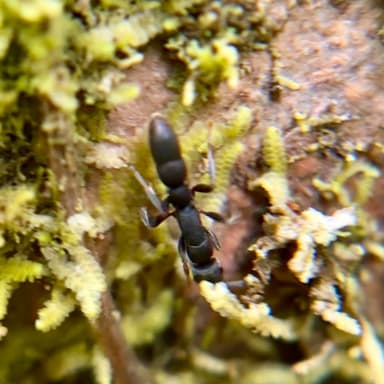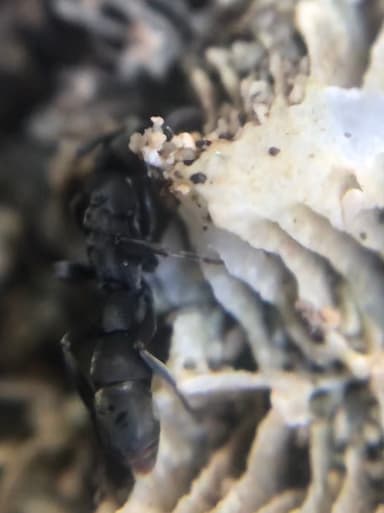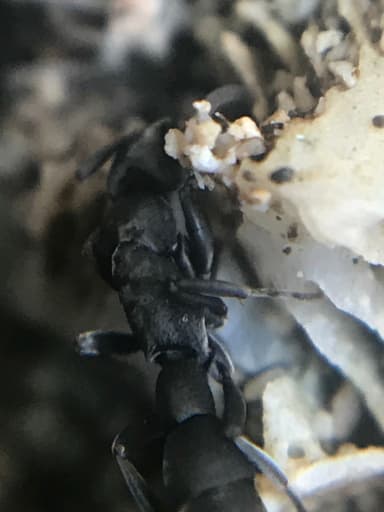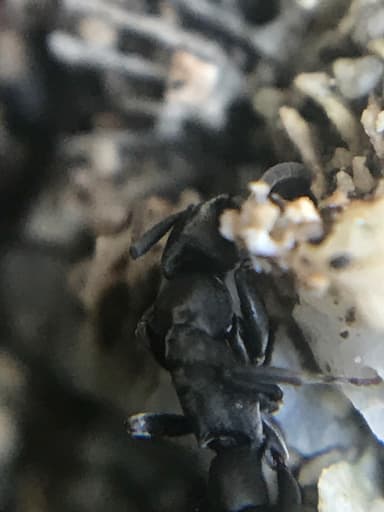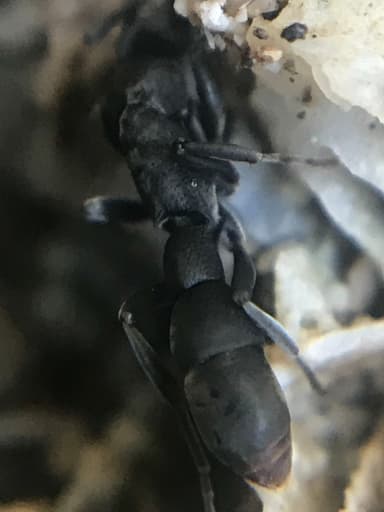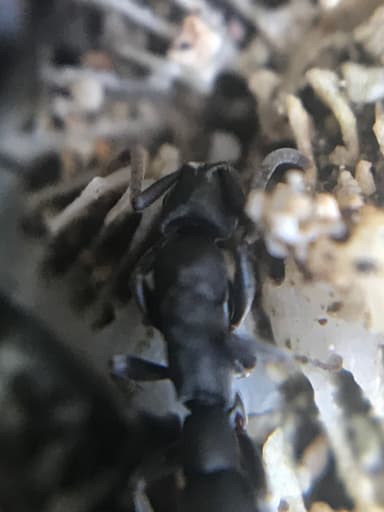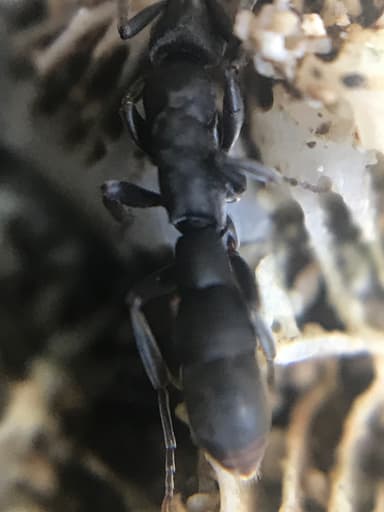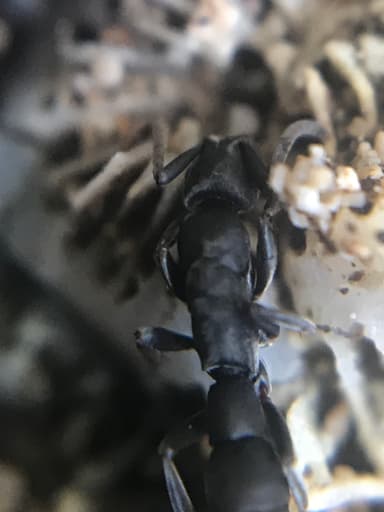
Platythyrea
Platythyrea punctata
Care Guide
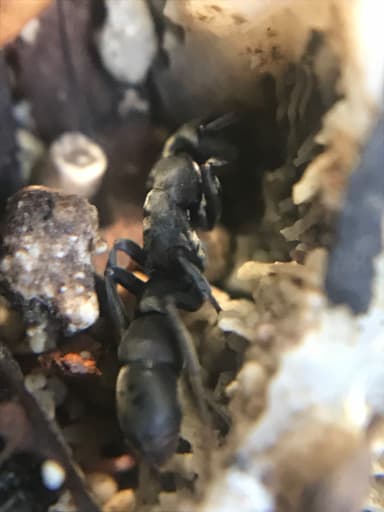
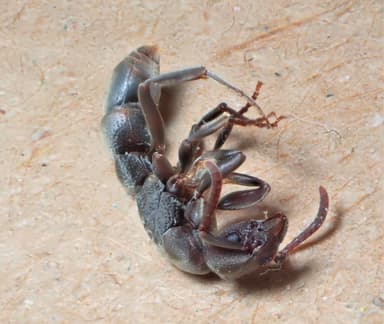
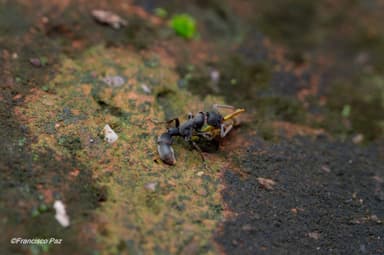
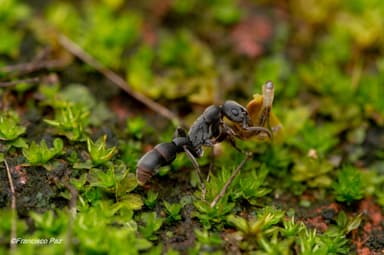
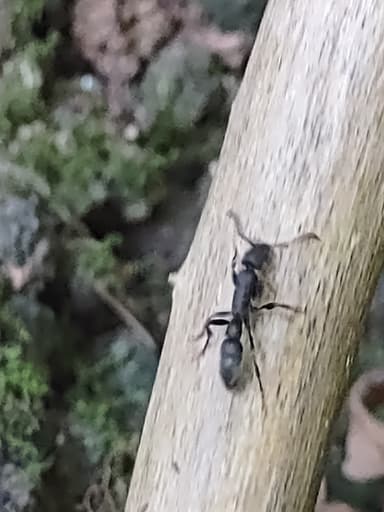
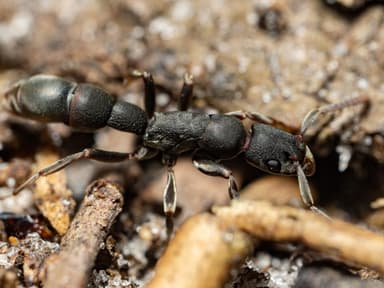
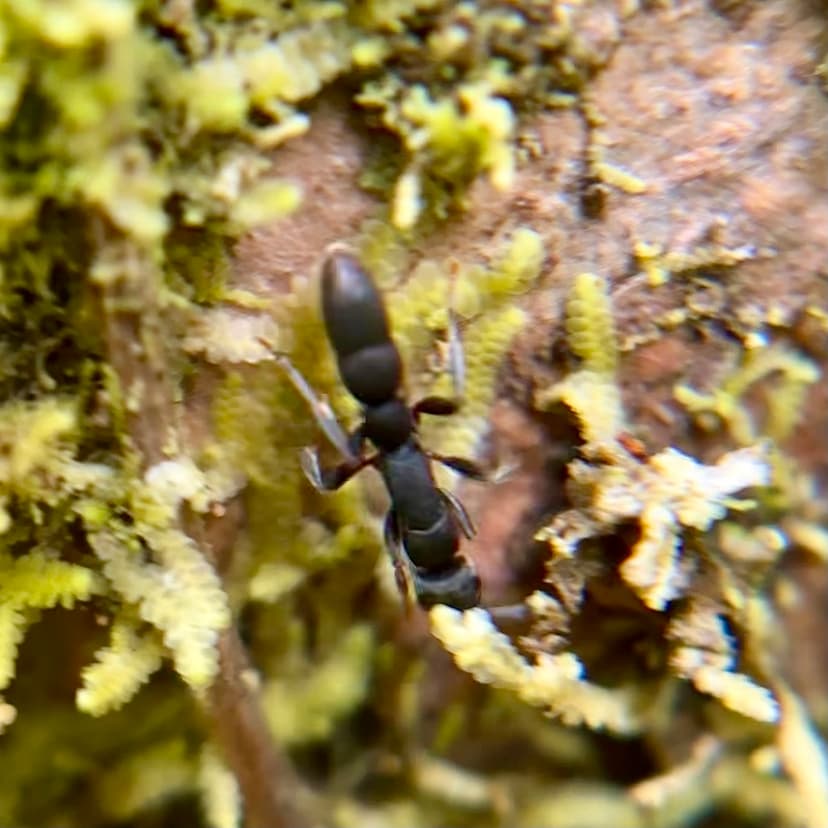
Platythyrea punctata is a fascinating species that offers a unique glimpse into a world where the traditional roles of queen and worker are fluid and surprising. These ants are known for their ability to reproduce through thelytokous parthenogenesis, meaning workers can produce female offspring without mating. This gives colonies an incredible resilience, as the loss of the founding queen does not necessarily spell the end of the colony. Both queens and workers measure roughly 6–7 mm and 4.5–5.5 mm respectively, making them medium-sized ants with a sleek, dark, and agile appearance. Colonies remain modest, reaching around 100 to 300 workers. Platythyrea punctata are voracious, active hunters that rely heavily on live prey to fuel their growth. They are also fast and can be quite defensive, making them a rewarding challenge for keepers with some experience.
Care difficulty
Keeping Platythyrea punctata is an engaging challenge best suited for intermediate ant keepers due to their semi-claustral founding and specialized dietary needs. The queen must be fed regularly during the founding stage – she cannot rely on stored body reserves as fully-claustral species do. A steady supply of small insects, such as fruit flies or pinhead crickets, alongside sugar water and protein sources, is essential. Their predatory nature means they will actively hunt feeder insects placed in the outworld, which is a delight to observe but requires consistent live food availability. As the colony grows, they maintain a high metabolism and appreciate frequent small feedings. The lack of need for hibernation simplifies year-round care, but the high humidity requirements demand attention.
Housing
Provide a formicarium with a well-sealed, humidity-retaining nesting area. Platythyrea punctata thrive at 70–90% relative humidity and temperatures between 24 and 28°C. A plaster or clay nest that can be kept moist works wonderfully, as does a naturalistic setup with soil or sand mixed with clay. The outworld should offer a hunting arena large enough for the ants to chase down prey. Because these ants are fast and can escape quickly, ensure the outworld has smooth, tall walls or a tight-fitting lid. A heating cable or mat placed under one section of the nest allows the ants to thermoregulate. Regular misting of the nest area, without creating standing water, helps maintain the humidity they need for brood development. They are moderately sensitive to vibrations, so place their setup in a calm, low-traffic area.
First days after purchase
Upon receiving your Platythyrea punctata colony, transfer them carefully to their new nest. Provide immediate access to a small drop of sugar water and a tiny insect, such as a freshly killed cricket or a few fruit flies. Allow the ants to settle in a quiet, dimly lit space for at least 24 hours before any observation. During this acclimation period, avoid disturbing the nest – no direct light, no tapping. Check only the water source and food supply. The queen, especially in a semi-claustral setup, will be stressed; a consistent, stable environment is key. Within a few days, you should see the workers actively exploring and accepting food. From there, you can gradually increase feeding and enjoy the unique dynamic of a colony where almost every worker holds the potential to become a mother.