Neoponera
Neoponera apicalis
Care Guide
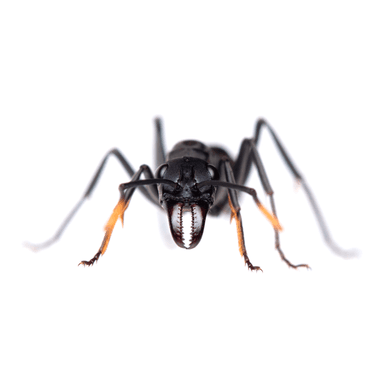
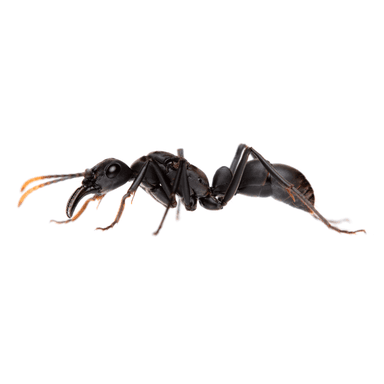
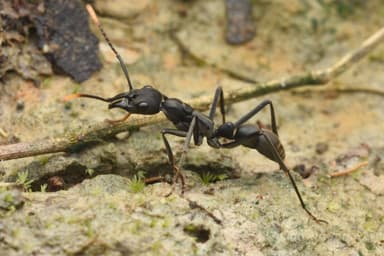
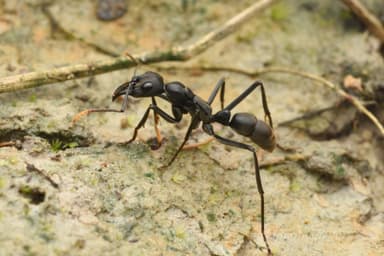
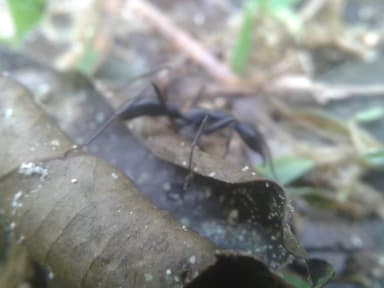
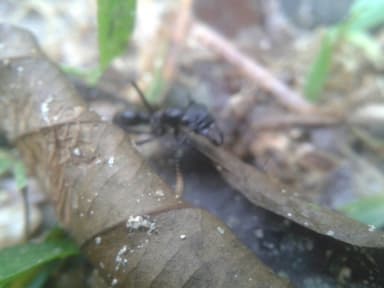
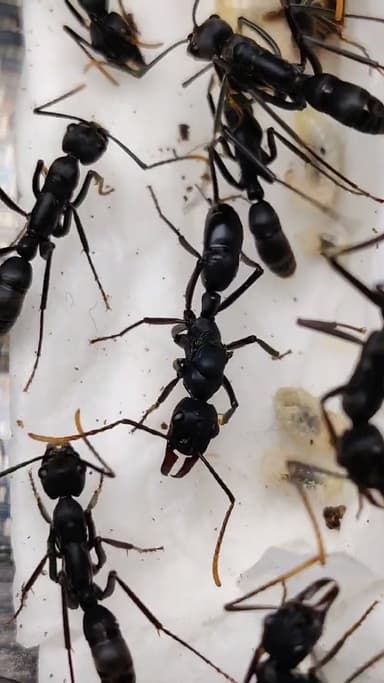
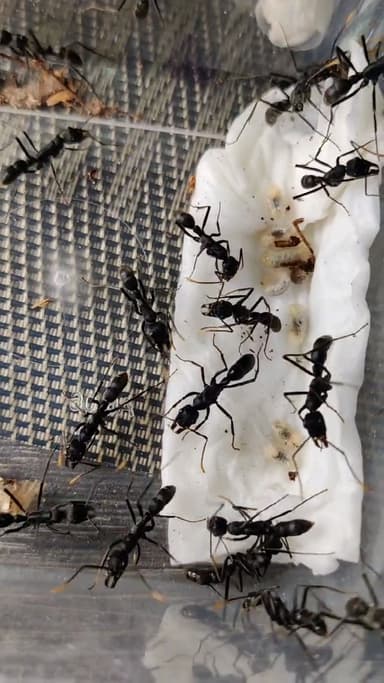
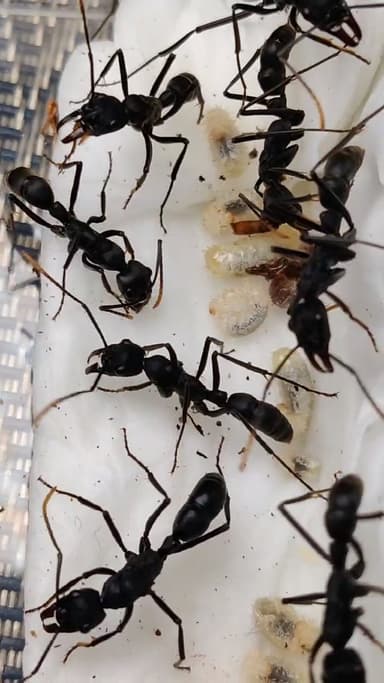
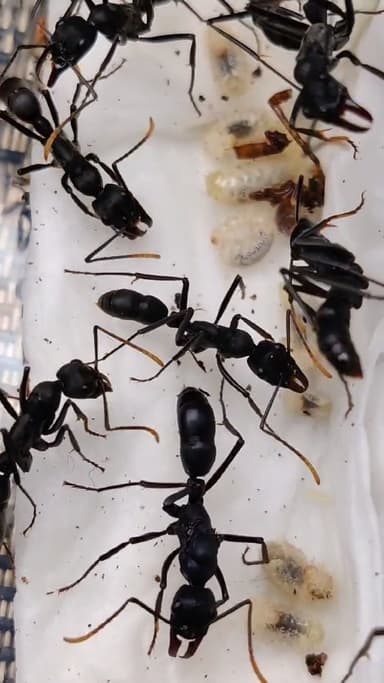
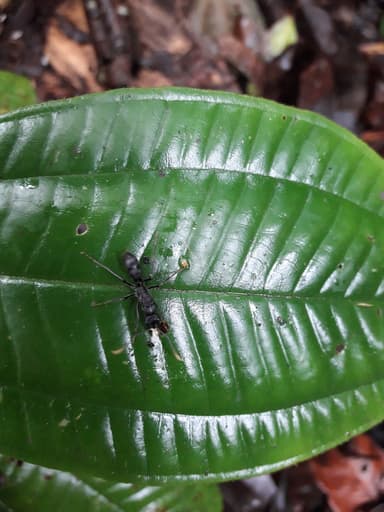
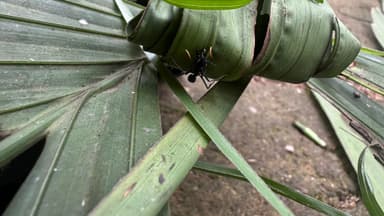
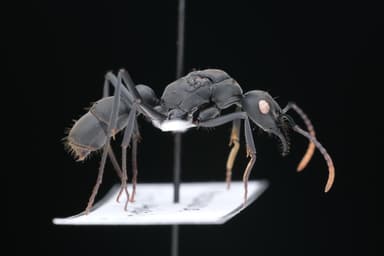
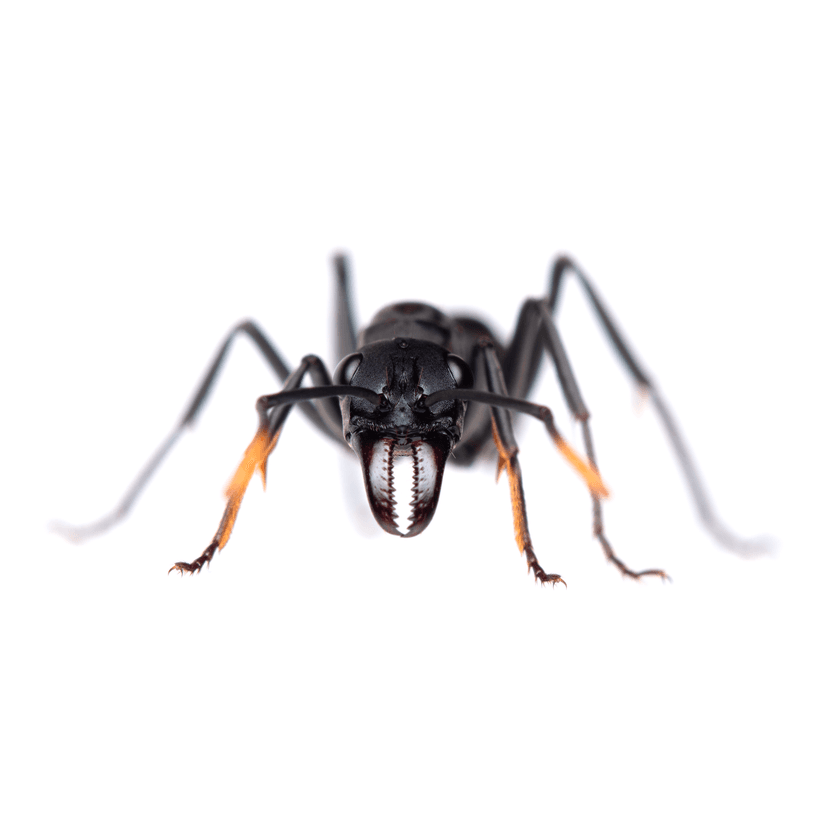
Neoponera apicalis is a striking ponerine species that commands attention with its large, glossy black workers and formidable presence. Unlike many more docile ants, these are active hunters that rely on powerful mandibles and a venomous sting to subdue prey. The queen, measuring 15 to 19 mm, is a robust insect capable of founding a colony entirely on her own – but she does so semi-claustrally, meaning she must leave the nest to forage for food during the early stages. Workers are only slightly smaller at 10 to 14 mm and show little variation in size; the colony remains monomorphic, with all individuals sharing the same role as efficient predators. That is Neoponera apicalis in a nutshell: bold, intelligent, and rewarding for keepers ready for a more hands-on experience.
Care difficulty
Keeping Neoponera apicalis is rated as intermediate, primarily because of its semi-claustral founding and its strictly insectivorous diet. The queen cannot rely on stored reserves; she needs regular access to protein-rich insects – small crickets, roach nymphs, or mealworms – from the very beginning. This means the keeper must feed the founding queen directly, placing prey items close to her hiding spot without disturbing her too much. Once the first workers appear, the colony becomes more resilient, but the need for live food never diminishes. These ants are warm-weather specialists and require a stable temperature between 24 and 28 °C, with no hibernation period. Humidity should be kept high at 60 to 80 percent, especially in the nest chamber, to support the brood and prevent desiccation.
Housing
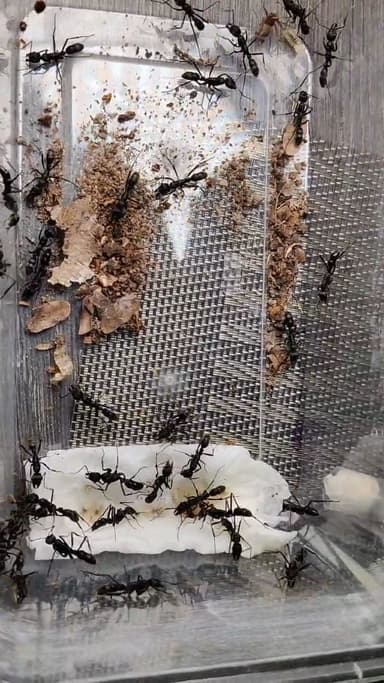
Neoponera apicalis builds compact, earth-based nests but is also comfortable in artificial formicaria with moistened substrate. A test tube setup works well for founding, but as the colony grows, a larger nest with a hydration system will be needed. The outworld should be escape-proof, as these ants are fast and capable climbers. Provide a substrate that holds moisture, such as clay or sand, and maintain a gradient of humidity. Unlike seed-harvesting species, Neoponera requires no storage chambers for plant matter; instead, ensure a steady supply of fresh insect prey in the outworld. Because they are sensitive to vibrations and sudden movements, place the formicarium on a stable surface in a low-traffic area. These ants do appreciate some light during foraging hours, but the nest itself should be dark and undisturbed.
First days after purchase
Upon receiving your Neoponera apicalis colony, transfer it carefully into a prepared test tube or small nest chamber and place the enclosure in a quiet, dark location with the target temperature. Avoid checking on them too often during the first few days – let the queen and workers settle and begin to explore their new territory. Offer a tiny piece of insect (like a freshly killed cricket leg) near the nest entrance and observe if it is taken. If the queen is alone, she will need to be fed every two to three days. Maintain humidity by lightly moistening the cotton plug or substrate, and ensure the water source is always accessible. With patience and consistent feeding, you will soon see the first generation of workers emerge, and the true character of this hunter species will unfold.