Leptogenys
Leptogenys falcigera
Care Guide
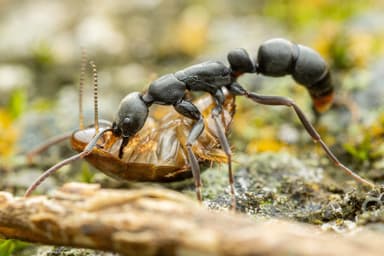
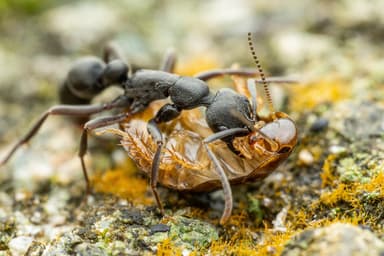
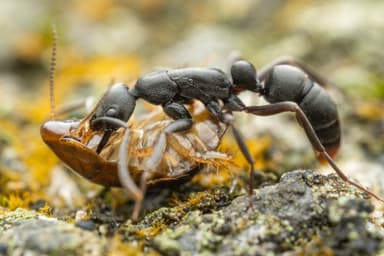
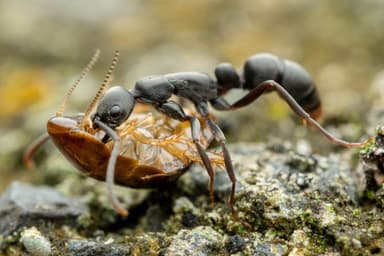
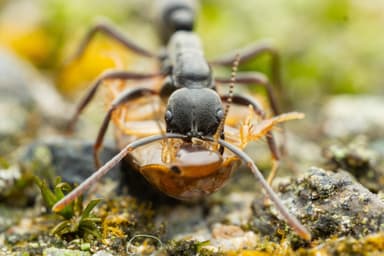
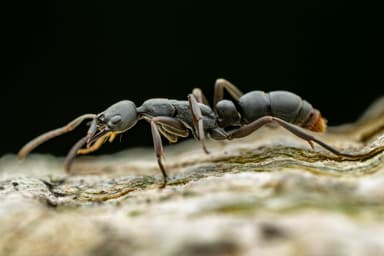
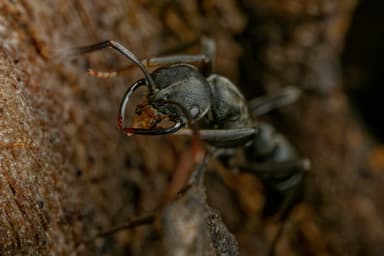
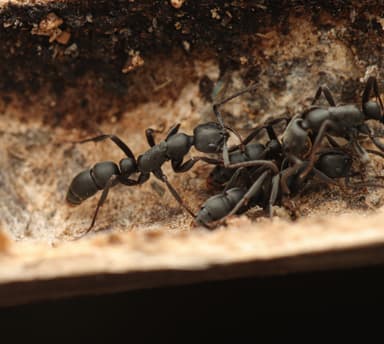
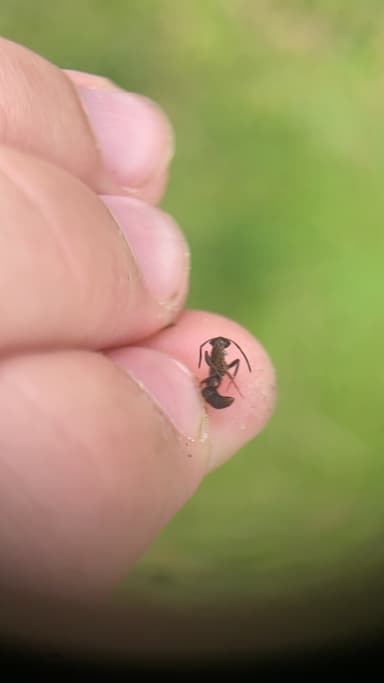
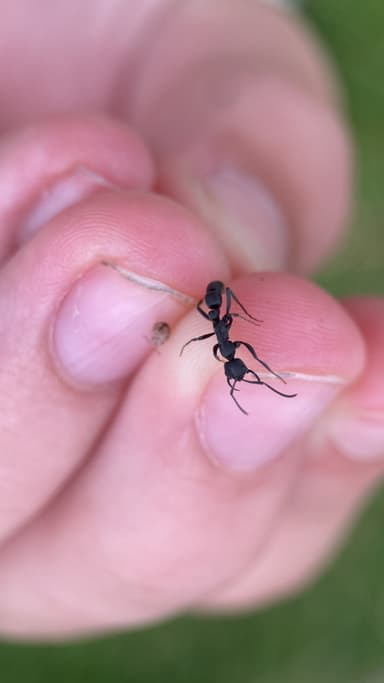
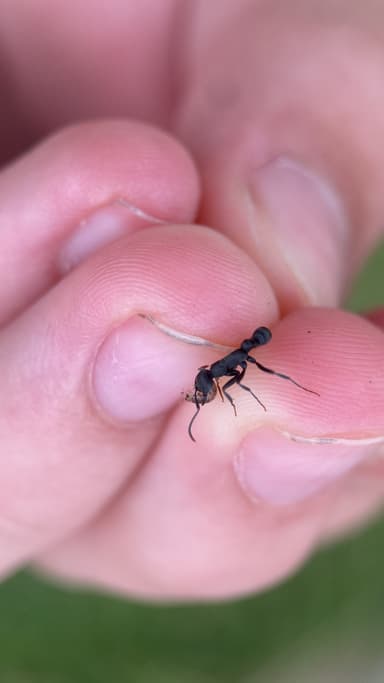
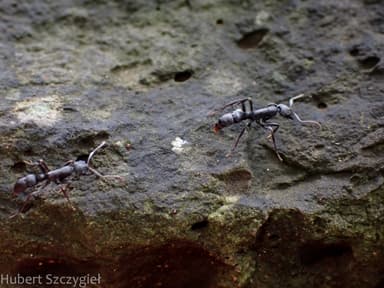
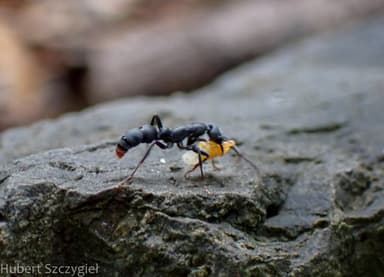
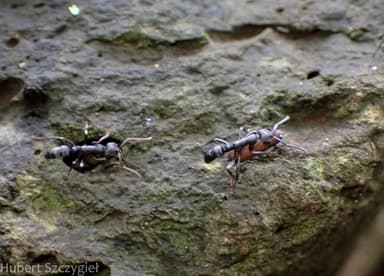
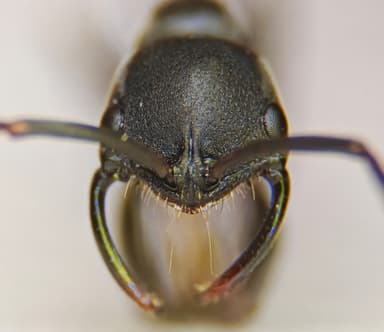
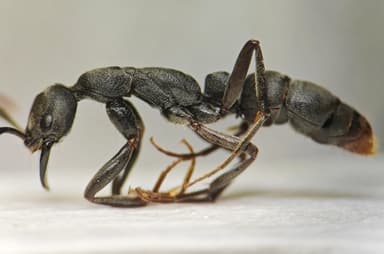
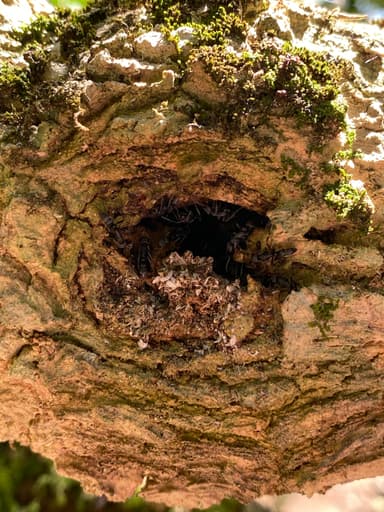
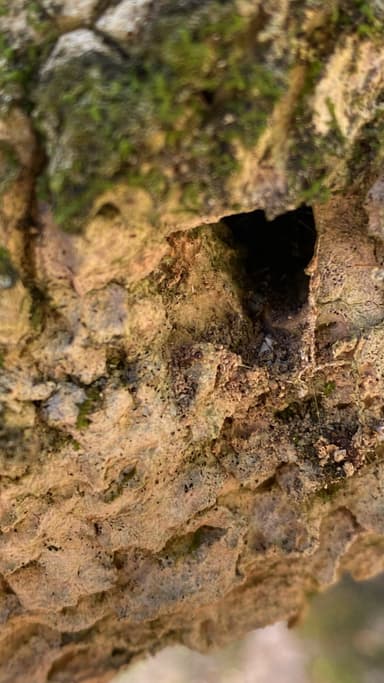
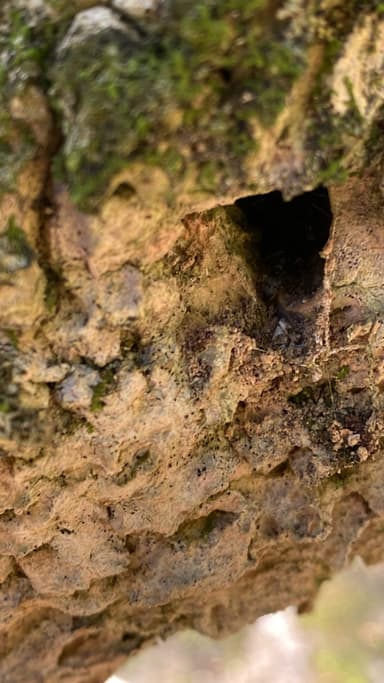
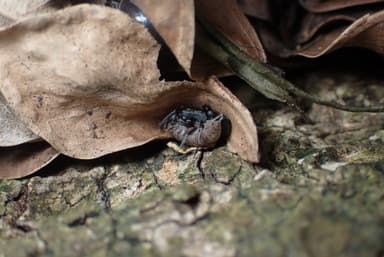
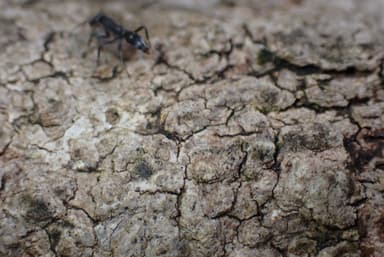
Leptogenys falcigera is a striking ponerine species that captivates experienced keepers with its specialized hunting behavior and sleek, elongated body form. Workers measure between 4 and 5 mm, with a shiny black exoskeleton and long, slender mandibles adapted for piercing prey. The queen is slightly larger at 5.5–7.5 mm, but the colony remains relatively modest in size, typically reaching 100 to 500 workers. Unlike many common ants, Leptogenys falcigera does not rely on seeds or honeydew; instead, it is a dedicated predator with a strong preference for isopods — commonly known as woodlice or pill bugs. In the wild, these ants actively hunt and subdue isopods using a powerful sting, then carry the paralyzed prey back to the nest to feed the brood. This specialized diet means keepers must provide a steady supply of small isopods or similar soft-bodied arthropods, making their care both fascinating and demanding.
Care difficulty
Keeping Leptogenys falcigera is considered advanced due to several specific requirements. The semi-claustral founding method means that the young queen must be fed during the initial stages of colony establishment, which adds a layer of complexity compared to fully claustral species. Additionally, the colony relies entirely on live insect prey, requiring regular hunting or sourcing of appropriate food items. Ponerine ants are also known for their sensitive nature — they can be easily stressed by vibrations, light, and sudden temperature shifts. Maintaining stable conditions is essential for successful growth.
Housing
A formicarium for Leptogenys falcigera should prioritize high humidity levels between 70 and 90 percent, mimicking their tropical forest floor habitat. The nest area needs a substrate that retains moisture well, such as a mix of clay and sand or a plaster-based nest with integrated hydration. Temperatures should stay within a steady range of 24–28°C, with no need for a winter hibernation period. Because these ants are shy and prone to stress, the setup should include generous darkening and minimal disturbance. An outworld connected to the nest should offer a soft, humid floor where isopods can be introduced as prey. Frequent spraying or a drip system will help maintain the required moisture, especially near the brood chambers.
First days after purchase
Upon receiving your Leptogenys falcigera colony, place the formicarium in a quiet, dimly lit location and allow the ants to settle without interference. Avoid opening the nest for at least 24 to 48 hours. Initially, offer a small, pre-killed isopod or a piece of insect to test the colony’s feeding response. Ensure the nest area remains humid — a water tube or moist cotton can help. Observe from a distance to confirm that the queen and workers are active and that no escape attempts occur. Over the first week, gradually increase prey offerings as the colony adjusts to its new environment. Patience is key: once established, these ants will display their remarkable hunting prowess and become a rewarding challenge for any dedicated keeper.