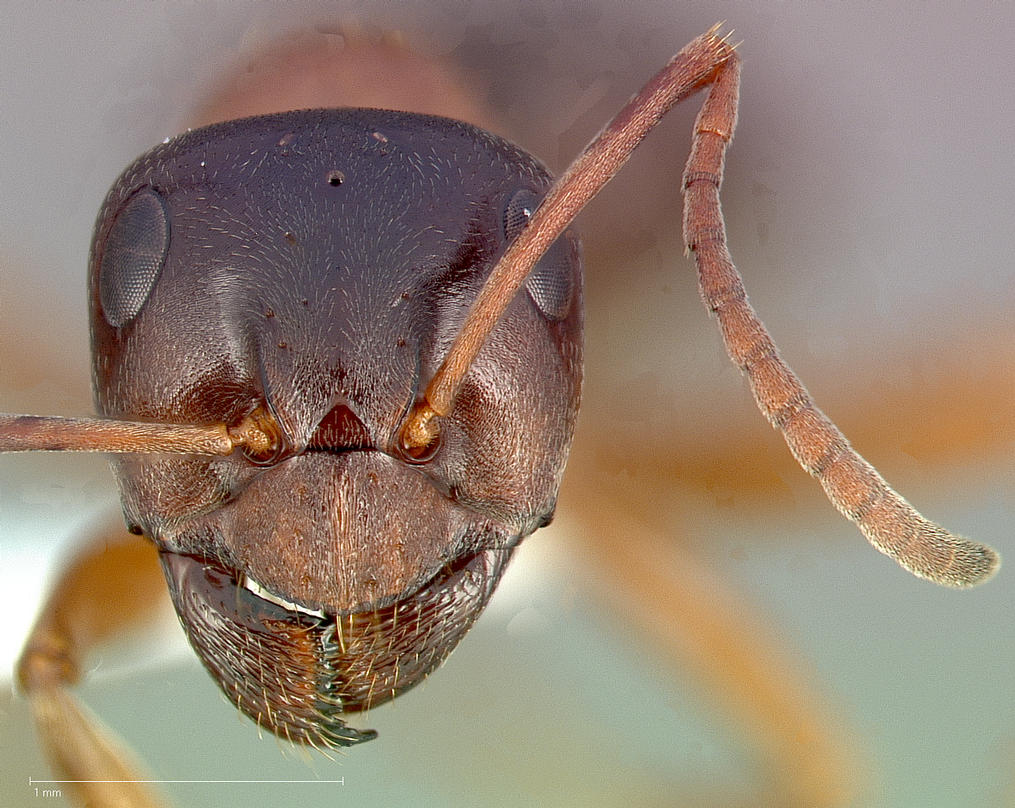
Formica
Formica subpolita
Nuptial Flight Calendar
Care Guide
Formica subpolita is a classic North American field ant, well-loved by intermediate keepers for its combination of hardiness and engaging activity. The queen is modestly sized at 7–9 mm, while workers range from 4–6 mm, and the colony grows to a satisfying size of 1,000 to 5,000 individuals. This species is claustral in its founding, meaning the queen seals herself in a chamber after mating and raises her first brood entirely on her own fat reserves—a process that requires minimal interference from the keeper.
What truly sets Formica subpolita apart is its energetic, diurnal foraging and its close relationship with aphids. Out in the wild, these ants are expert farmers of honeydew-producing insects, and in captivity they still have a strong preference for sugary solutions alongside insect protein. Their diet should include consistent offerings of sugar water or honey water, small insects such as fruit flies or mealworms, and occasional protein jelly. They thrive on variety and will become noticeably more active when fresh prey is introduced. Unlike seed-harvesting species, they are pure predators and scavengers, so a steady supply of live or frozen feeder insects is essential.
Care difficulty
Keeping Formica subpolita is rated as intermediate. While the founding stage is straightforward, maintaining a healthy colony requires attention to temperature and humidity, as well as a proper hibernation period. They are not the best choice for absolute beginners, but anyone with a few months of ant-keeping experience will find them rewarding. They are relatively tolerant of short-term disturbances once established, but they dislike prolonged vibration or irregular humidity.
Housing
Provide a formicarium with a dry, well-ventilated nesting area and a separate outworld for foraging. The nest chamber should be kept moderately humid (50–70%) by moistening the substrate every few days, but avoid waterlogging. Temperature should range between 20–28°C during the active season—room temperature is usually fine, though a gentle heat cable can speed up brood development. Hibernation is mandatory: from late autumn through winter, the colony must be cooled to around 8°C for two to three months. Without this cold rest, egg-laying and colony growth will suffer the following year. A test tube or small nest block in the fridge works well for hibernation.
First days after purchase
Place the queen or small colony in a warm, dark, and quiet spot immediately upon arrival. Do not disturb her for at least one week. Ensure the cotton plug in the test tube is moist, and offer a tiny drop of sugar water near the entrance. If the queen has a small brood pile, avoid opening the tube; simply observe through the glass. Once workers emerge and begin foraging, you can gradually introduce a small outworld. Patience is key—Formica subpolita will reward calm, steady husbandry with robust growth and lively, fascinating foraging behavior.