Formica
Formica incerta
Nuptial Flight Calendar
Care Guide
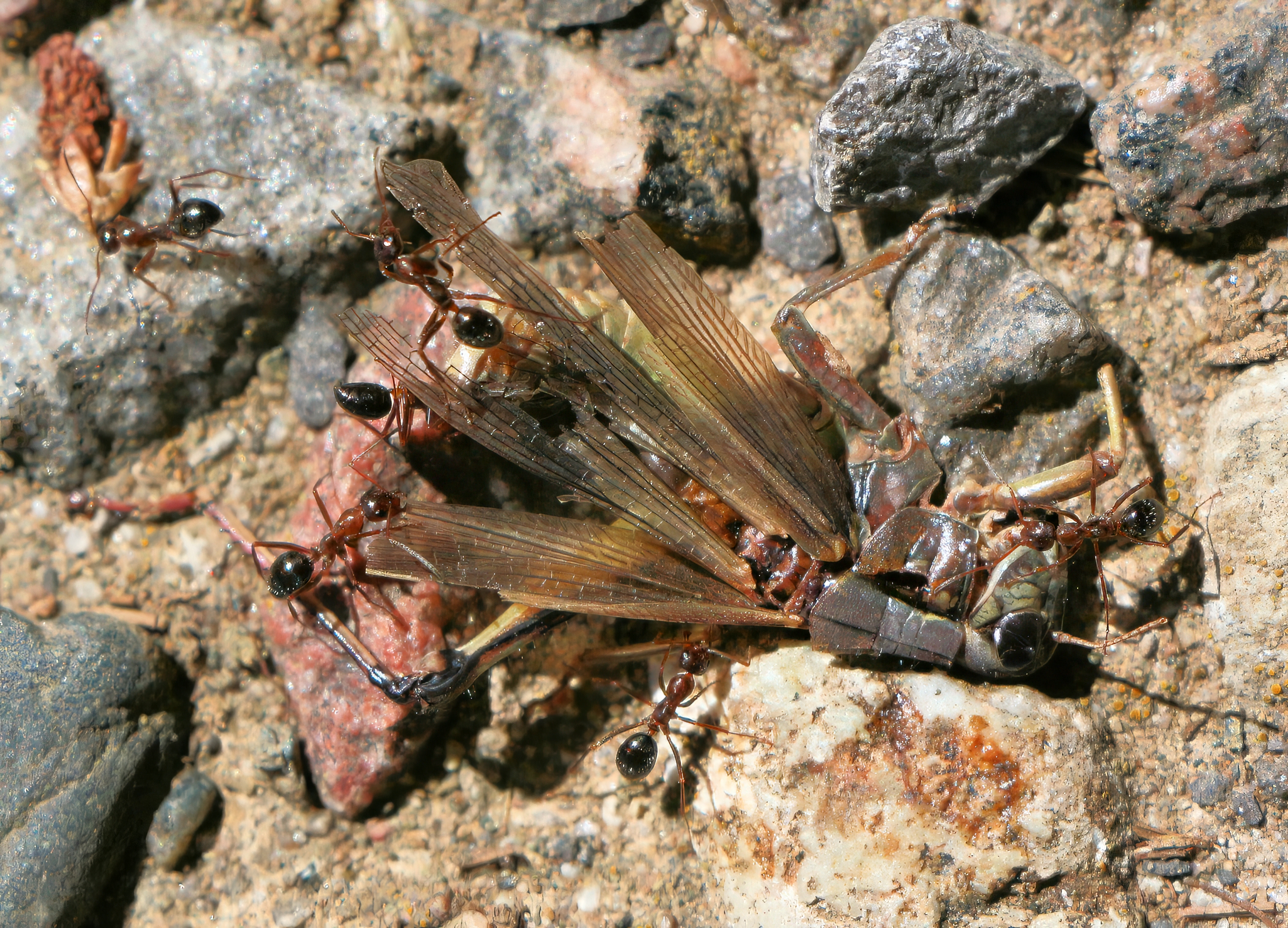
Formica incerta is a classic, hardy North American wood ant species that offers an engaging intermediate-level keeping experience. Queens are claustral founders, meaning they raise their first brood entirely on stored body reserves without needing food during the initial months—a convenient trait for the keeper. Once established, a mature colony can reach 1,000 to 5,000 workers. The queen measures 7–9 mm, while workers range from 4–6 mm, giving the colony a uniform, elegant appearance. These ants are known for their lively foraging behavior and their close association with aphids, from which they collect honeydew—a sugary secretion that forms a major part of their natural diet.
Care difficulty
Keeping Formica incerta is best suited for keepers who have some experience under their belt. While their claustral founding makes the early stages straightforward, the colony’s later needs require attention to seasonal rhythms and a balanced diet. They are active, fast-moving ants that appreciate a bit of space to explore. Their diet should include protein-rich insects (crickets, mealworms, fruit flies) alongside sugar water or honeydew mimics. Regular feeding of both protein and carbohydrates is essential to support colony growth. Hibernation is mandatory: without a cool winter rest at around 6°C, the colony will not thrive long-term. This species also tends to mound-build in nature, so providing a substrate where they can dig or an outworld with deep soil can encourage natural behaviors.
Housing
A formicarium for Formica incerta should maintain a temperature gradient between 20–26°C, with the warmer end used for brood development. Humidity should stay in the 50–70% range—too dry and the workers will struggle; too wet and mold can become an issue. A hybrid setup with a plastic or glass nest connected to a foraging arena works well. Because these ants are sensitive to disturbances, especially early on, choose a location free from constant vibrations or bright light. They also need a reliable water source: a test tube or commercial water tower in the outworld. For larger colonies, a nest with multiple chambers will accommodate their growing population and brood piles. During winter, reduce temperatures gradually and keep the nest slightly drier, but never completely dry.
First days after purchase
Upon receiving your Formica incerta colony, place the entire setup in a quiet, dimly lit area and resist the urge to check on them repeatedly. Give them at least 24–48 hours to settle and acclimate to their new environment. Ensure they have constant access to fresh water and a small drop of sugar water. If the queen is still with her first workers, avoid feeding large prey that could rot. Instead, offer tiny pieces of insect protein. Observe from a distance: normal exploration of the outworld is a good sign. Patience is key—once they feel secure, these lively ants will reward you with a fascinating window into the life of one of nature’s most adaptable foragers.