Aphaenogaster
Aphaenogaster senilis
Care Guide
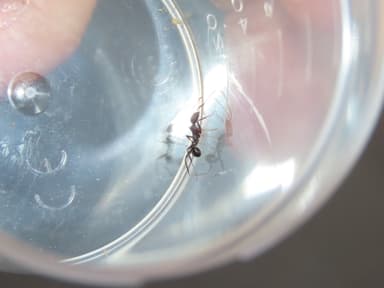
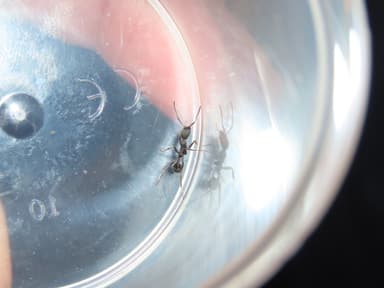
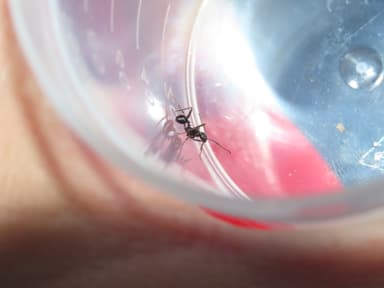
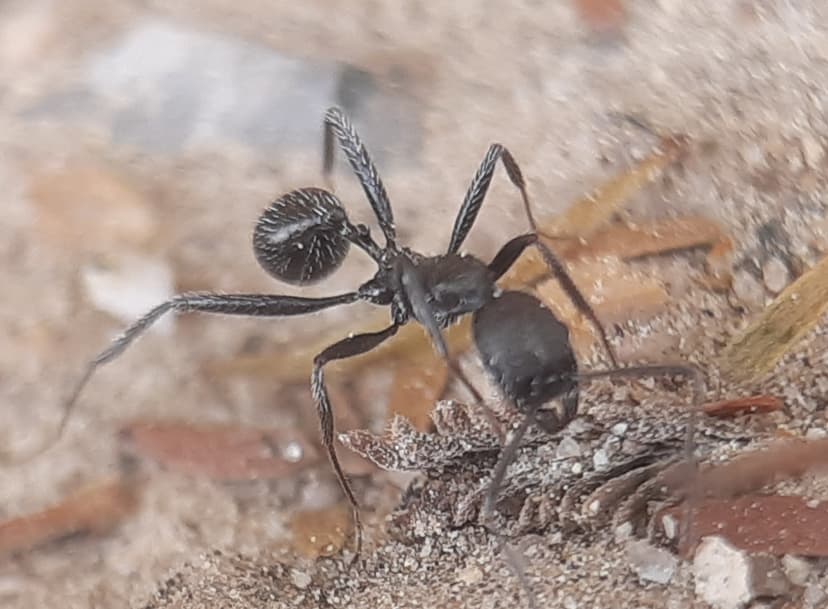
Aphaenogaster senilis is a charming Mediterranean species that captivates keepers with its graceful, slender build and lively foraging activity. The queen measures around nine to ten millimetres, while the workers range from four to six millimetres, giving the colony a uniform, elegant look. Unlike polymorphic species, these ants show little size variation, but they compensate with impressive speed and coordination. Their elongated legs and narrow waists make them appear almost wasp-like as they dash across the foraging area. A mature colony can reach a thousand to three thousand workers, creating a bustling, well-organised society that is a joy to observe.
Diet is wonderfully diverse with this species. Aphaenogaster senilis is a true generalist, readily accepting insects such as fruit flies, crickets, and mealworms for protein, as well as seeds that they will crack open and store. They also have a strong sweet tooth, eagerly drinking sugar water, honey, or honeydew. This varied menu makes feeding simple and allows keepers to experiment with different foods to see what the colony prefers. In the wild, they are opportunistic scavengers, and this translates well to captivity — a balanced diet keeps the colony healthy and productive.
Care difficulty
This species is an excellent choice for beginners. Their claustral founding means the queen seals herself into a chamber and raises the first workers without needing food, making initial rearing straightforward. Once the colony is established, they are hardy and forgiving of minor fluctuations in temperature and humidity. Their generalist diet reduces the need for specialised live prey, and they adapt well to standard formicarium setups. The main requirement is patience during the early stages, as the first workers are tiny and grow slowly.
Housing
Aphaenogaster senilis thrives at temperatures between twenty and twenty-eight degrees Celsius, with humidity kept around fifty to seventy percent. A well-drained nest chamber with hydration areas works best, as they appreciate a drier nesting side and a moister area for brood. They are moderately sensitive to vibrations and bright light, so place the formicarium in a calm, shaded spot. Provide a foraging arena with a layer of sand or soil where they can exhibit natural seed-collecting and debris-carrying behaviour. Importantly, this species requires a winter diapause — a hibernation period at around eight degrees Celsius for two to three months. This cooling period is essential for long-term health and reproductive success, so plan for a cool garage, cellar, or a dedicated refrigerator.
First days after purchase
Upon receiving your colony, transfer them gently into a clean, prepared formicarium. Place the nest in a quiet, dimly lit location and resist the urge to disturb them. Offer a droplet of sugar water and a small insect, but do not worry if they hide initially — they need time to acclimatise. Ensure the hydration system is functional and that the nest has a stable temperature. Over the first week, observe from a distance; you will soon see the queen tending her first brood and workers exploring their new home. A little patience now will reward you with a thriving, charismatic colony for years to come.