Polyergus
Polyergus topoffi
Nuptial Flight Calendar
Flight months: Jul, Aug
Care Guide
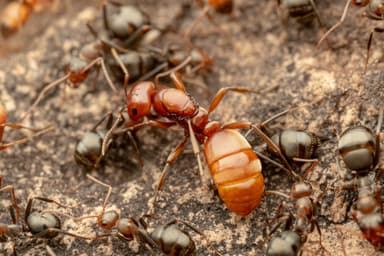
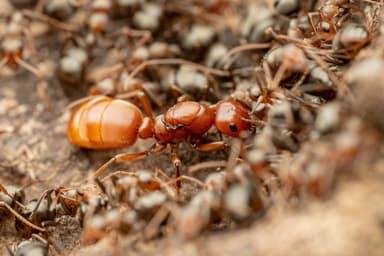
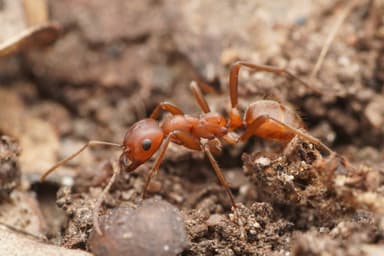
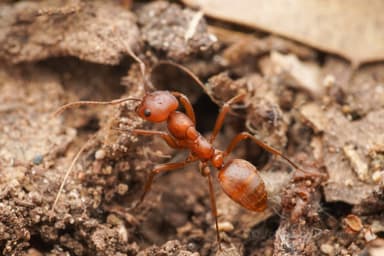
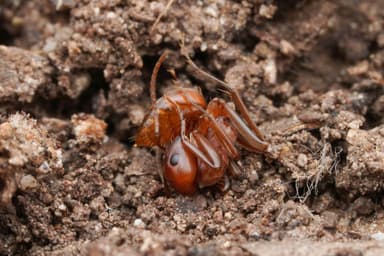
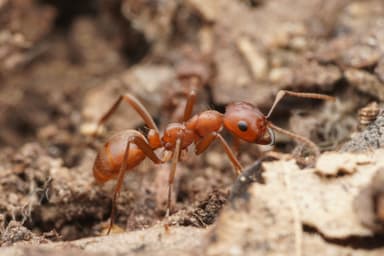
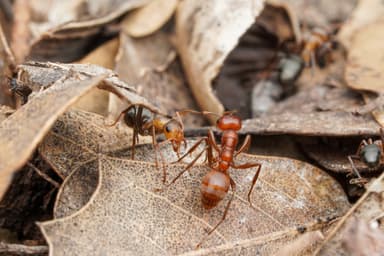
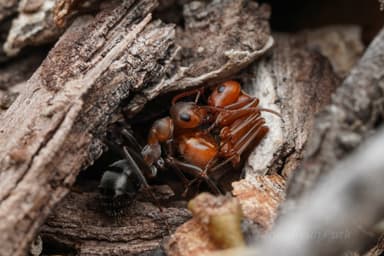
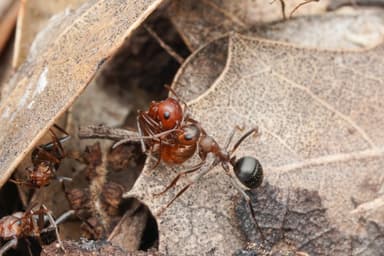
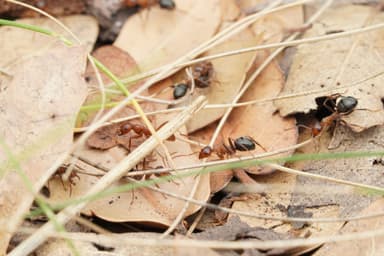
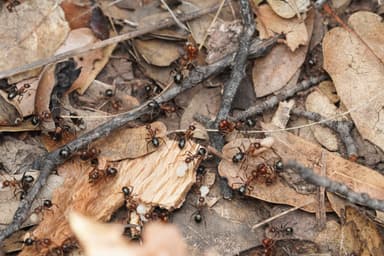
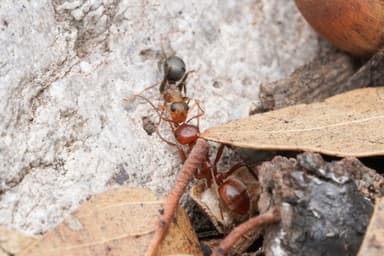
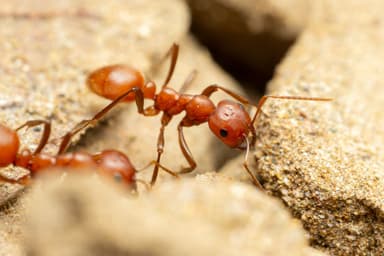
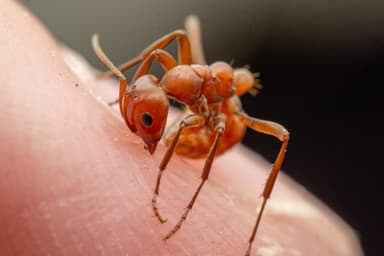
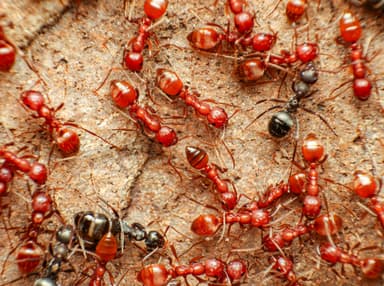
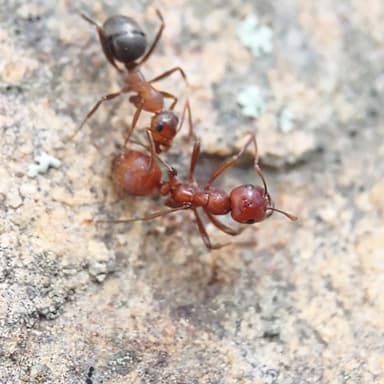
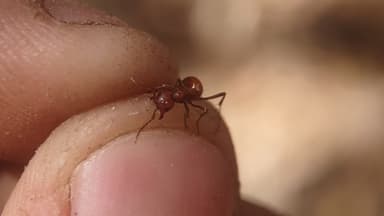
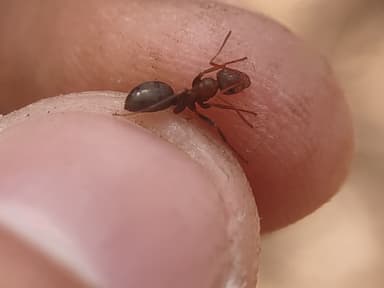
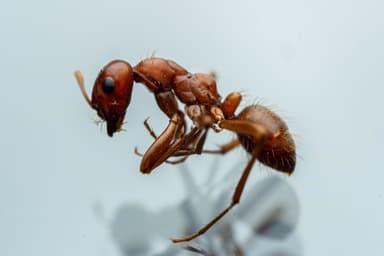
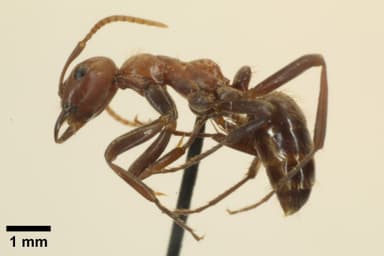
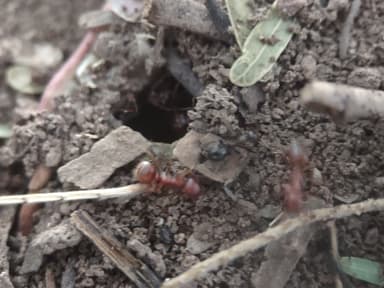
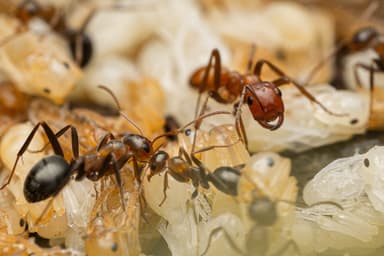
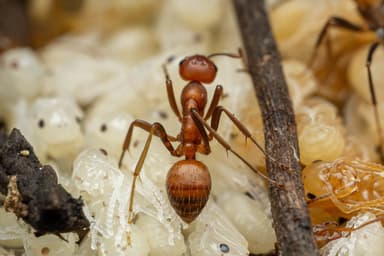
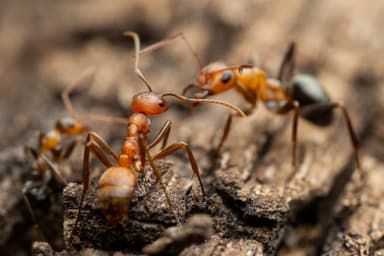
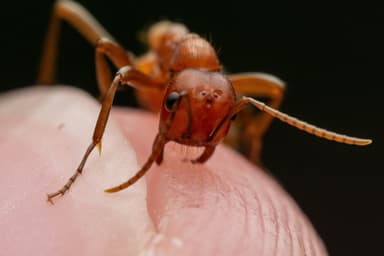
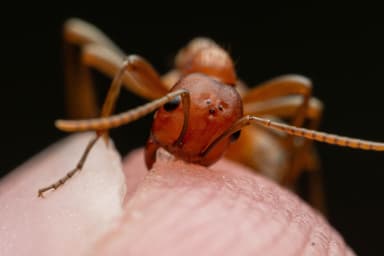
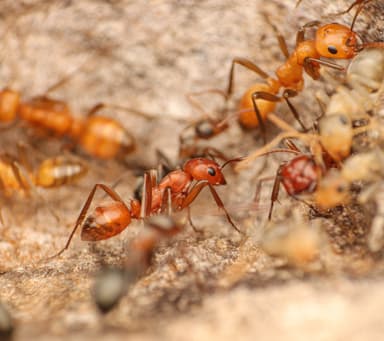
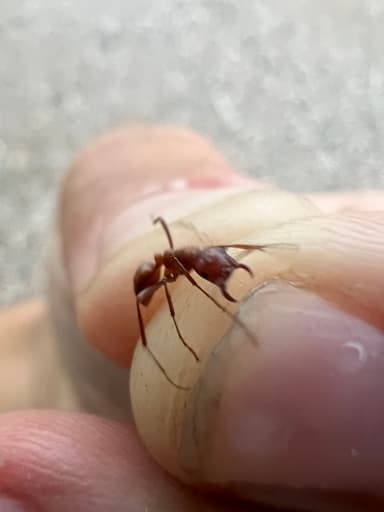
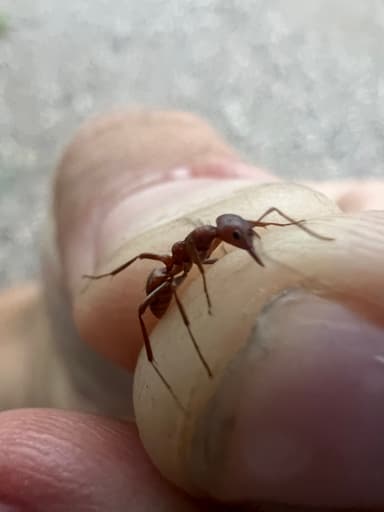
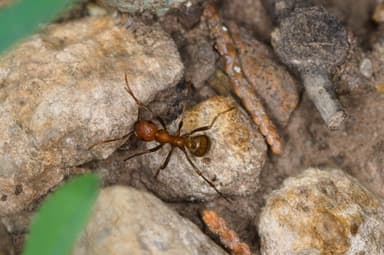
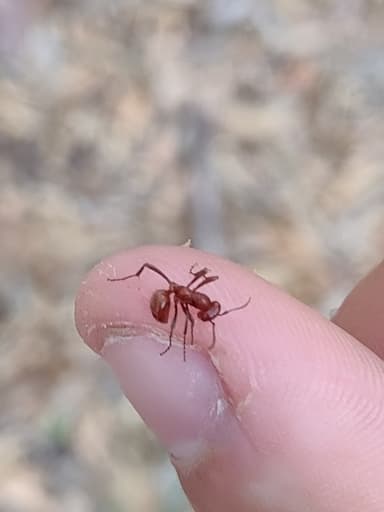
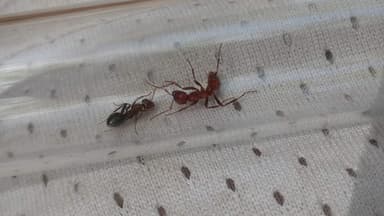
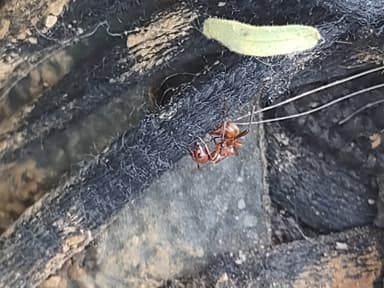
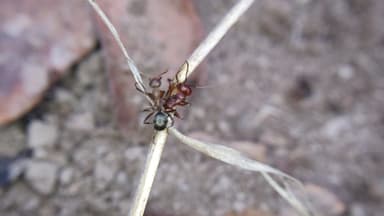
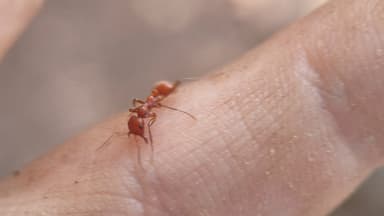
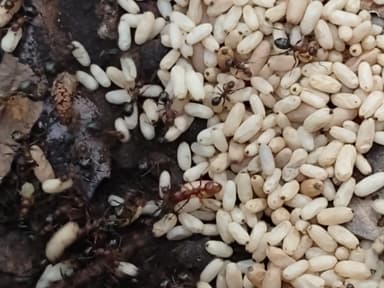
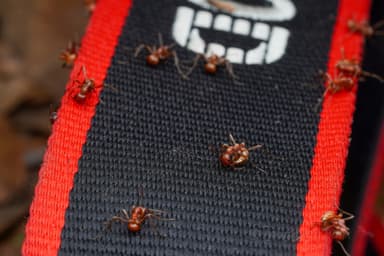
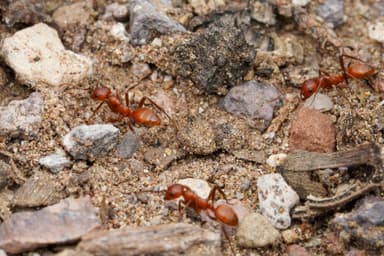
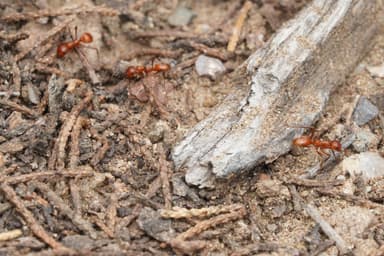
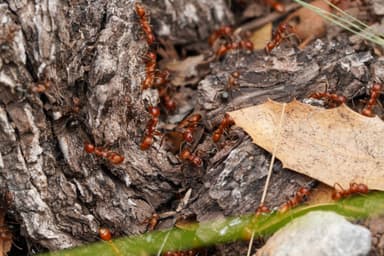
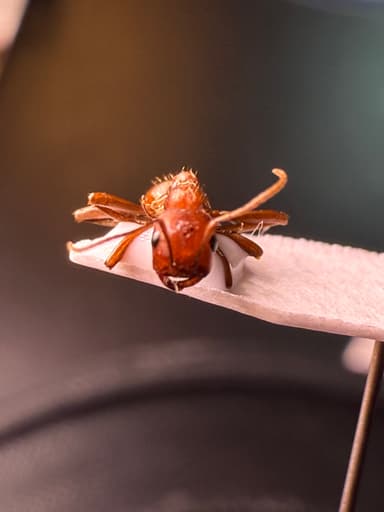
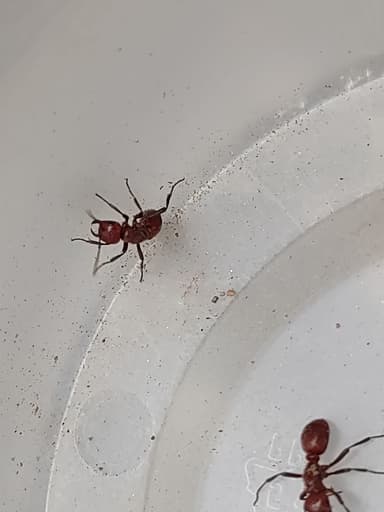
Polyergus topoffi, a striking member of the infamous Amazon ant lineage, is a species that embodies both beauty and the brutal elegance of social parasitism. Workers measure a modest 6 to 8 millimeters, glimmering with a polished amber to reddish-brown exoskeleton, while the more robust queens stretch from 8 to 10 millimeters, their larger thoraces bearing the remnants of wings from a single, fleeting mating flight. As obligate slave-makers (dulotics), these ants do not forage for their own food, excavate their own nests, or even care for their own brood — every essential domestic task is outsourced to a subjugated workforce of Formica ants, typically species from the fusca group that are abducted as pupae during spectacular, choreographed raids. A mature colony rarely exceeds 3,000 individuals, with the host workers often outnumbering the Polyergus several times over, and there is no physical caste beyond a single worker morph, a monomorphism that simplifies the identification of the parasites among the slaves. What makes this ant so compelling is precisely this bizarre dependency: you are not keeping a single species, but managing a delicately balanced interspecies household that must be constantly recalibrated (Trager 2013).
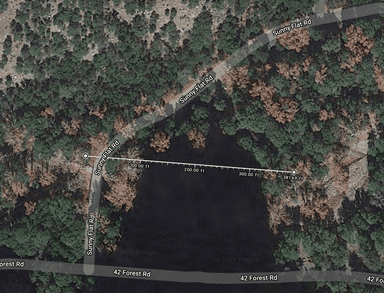
This is, without exaggeration, an expert-only species that will challenge even seasoned myrmecologists. Successful captive care demands not just familiarity with ants, but a willingness to intervene for population management of the host colony, to monitor for rejection or slave rebellion, and to source fresh Formica brood at regular intervals. The keeper must be prepared for boom-and-bust cycles: raids can stress both parasites and hosts, and if the host colony collapses, the Polyergus will quickly starve despite abundant food in the outworld. This guide is intended for those who have already mastered the husbandry of non-parasitic Formica colonies, who can confidently identify and rear the local host species found in the Southwestern United States (the native range stretches from southern Arizona to New Mexico, bounded roughly by latitudes 31.5° to 37.5° N and longitudes 117° to 109° W), and who have the patience to observe rather than micromanage. Novices and intermediate keepers are strongly advised to first gain extensive experience with the host Formica before attempting this couple.
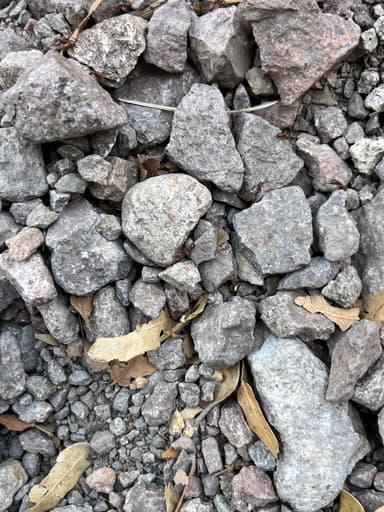
Housing a Polyergus topoffi colony is an exercise in replicating the arid but seasonally moist scrublands of its native range, while providing a complex nest architecture that accommodates two intermingled species. A spacious formicarium with at least two large, independently connected chambers works best: one as the main brood chamber for the Formica hosts where pupae can develop, and another as a separate retreat for the Polyergus adults, who spend most of their time resting and grooming among their own kind when not raiding. Temperature should be maintained at a gradient of 20 to 30°C, allowing the ants to thermoregulate; a gentle overhead heat source can create a basking spot that stimulates activity. Humidity is on the drier side, ranging from 30 to 60 percent, which can be achieved with a single water feeder and occasional light misting of one chamber, but avoid saturation — the host Formica will suffer from mold outbreaks in stagnant, high-moisture nests. A substrate of sandy loam mixed with small clay pebbles mimics the desert soils of their habitat, and it provides the host workers with material for minor nest modifications; the substrate layer need not be deep, but it should be slightly diggable. Outworld foraging areas must be escape-proof, as the small, fast host workers are adept climbers. Note that these ants require a hibernation period of at least three months at a stable 10°C, during which all activity ceases and the colony clusters tightly. Interruptions or insufficient cooling will disrupt the reproductive cycle and can lead to the loss of the queen.
Feeding a dulotic colony turns the concept of ant nutrition upside down: you do not feed Polyergus topoffi directly. The adult slave-makers can only ingest liquid foods via social regurgitation from the host workers, who in turn must have access to a rich diet of sugars and proteins. Provide the Formica hosts with a carbohydrate source such as honeydew substitute (a mix of sugar water, maple syrup, and a dash of amino acid supplement) in a small liquid feeder, and offer small pre-killed insects like fruit flies, crickets, or mealworms twice weekly. Fresh, clean water must always be available in a cotton-stoppered tube. The Polyergus larvae, however, present a unique challenge: they are often fed directly by host workers with pieces of solid protein, but many keepers find optimal development when the host colony is of a species that naturally provisions its own larvae with insect prey. A critical and often overlooked need is the regular addition of host pupae to the colony. The adult Polyergus periodically conduct slave raids to replenish their workforce, and in captivity, this instinct is sometimes triggered when the ratio of host workers to parasites drops too low. You can simulate this by introducing a handful of Formica pupae from a healthy donor colony every month during the active season, placing them near the nest entrance; the host workers will eagerly adopt them, and the Polyergus workers will patrolling the surrounding area, vibrating with excitement.
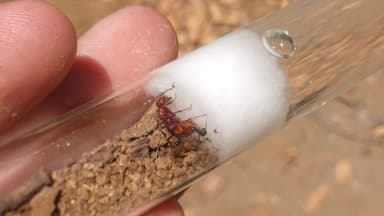
As obligate social parasites, newly mated Polyergus topoffi queens found colonies by invading a young Formica host colony, killing the resident queen, and appropriating the worker force — a process impossible for all but the most audacious keepers to orchestrate. Your purchased colony will almost certainly arrive as a wild-dug founding unit: a mated queen accompanied by a contingent of adult slave-makers and a modest host worker population, typically numbering in the dozens. On arrival, place the sealed transport container in the formicarium and allow the ants to relocate at their own pace through a connecting tube, resisting the temptation to tap or blow them out. For the first 48 hours, do not offer any food; instead, provide only a water source and darkness, allowing the entire group to recover from shipping stress and bond in their new chambers. After two days, introduce a small drop of sugar water in the outworld for the host workers. Watch for signs of integration: the Formica should be tending the Polyergus queen and workers, grooming them and sharing fluids. If you see persistent aggression from host workers toward the parasites, or if the Polyergus workers begin dragging host pupae out of the brood pile and abandoning them, the takeover is unstable — this may necessitate a rapid introduction of fresh host brood or, in extreme cases, a complete replacement of the host species. The first month is a tightrope walk; avoid any nest disturbances like opening the formicarium for extended periods, and keep vibrations to a minimum. Once the colony settles and the queen begins producing her own eggs, which the host workers will rear, you can breathe a little easier — but remain ever watchful for the slow decline that signals a need for fresh raiding stock.