Myrmica
Myrmica americana
Nuptial Flight Calendar
Flight months: Jun, Jul, Aug, Sep
Care Guide
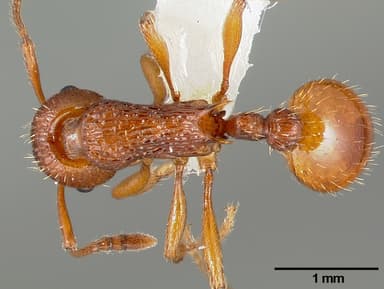
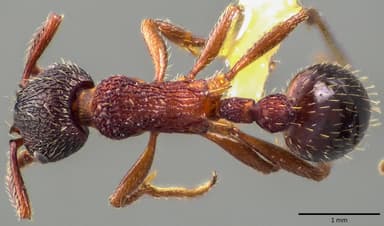
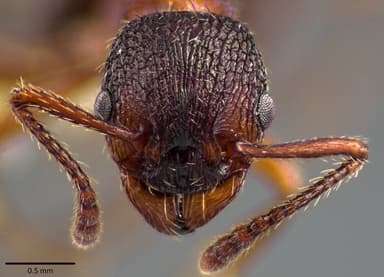
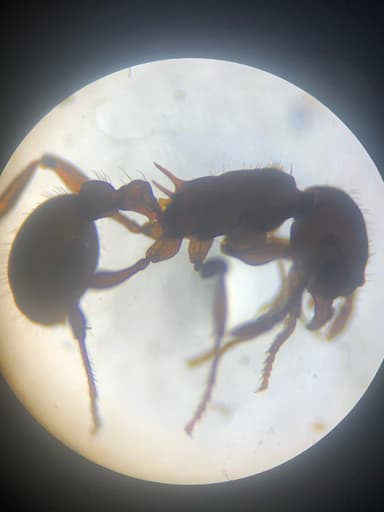
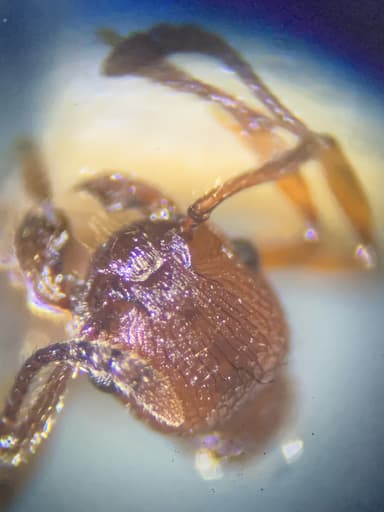
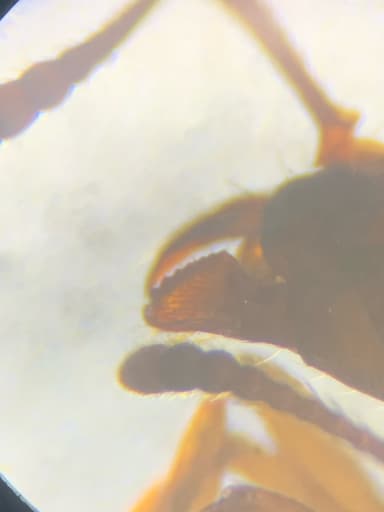
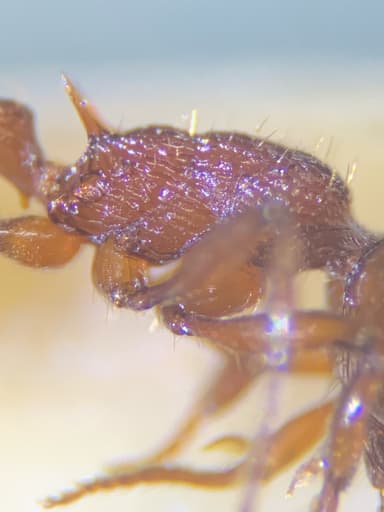
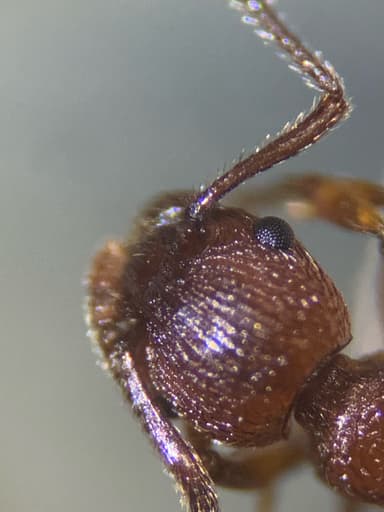
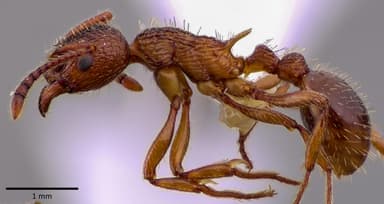
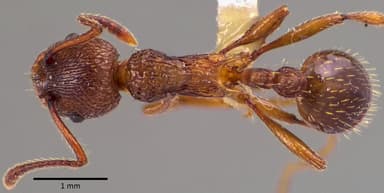
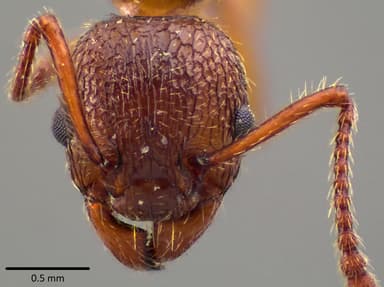
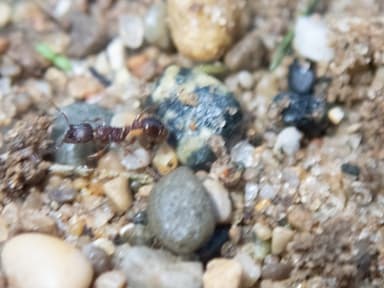
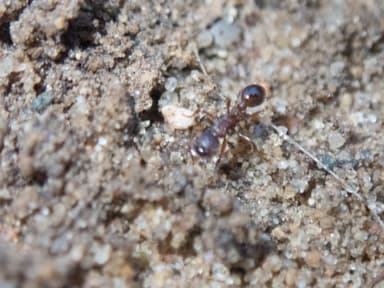
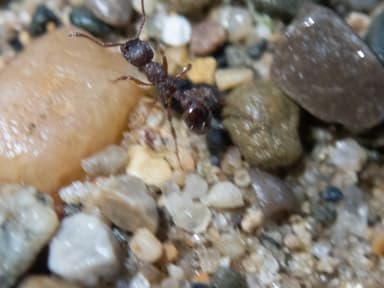
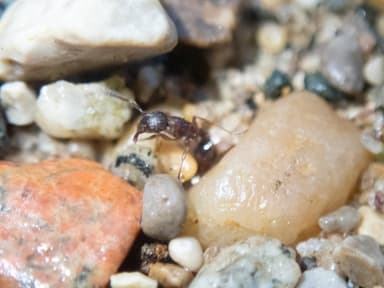
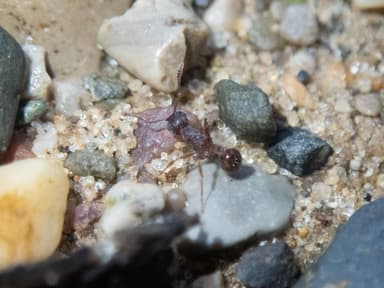
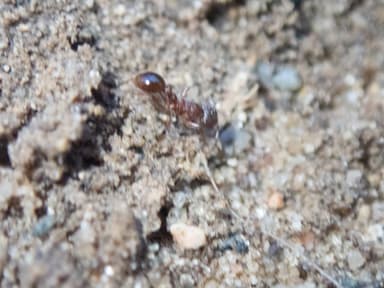
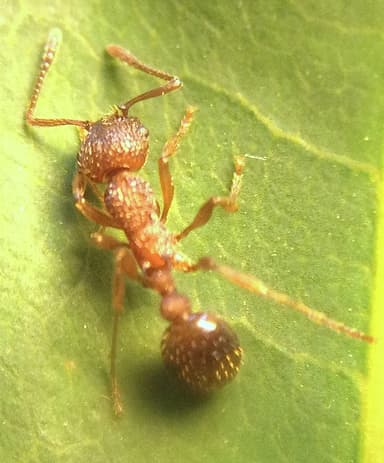
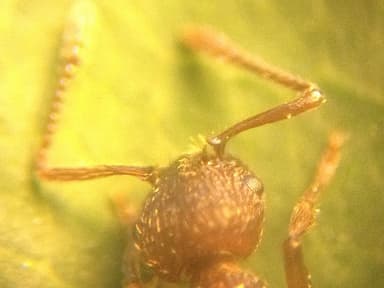
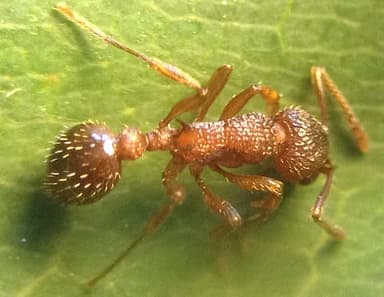
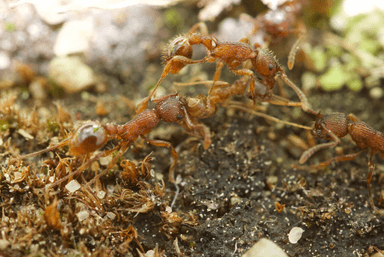
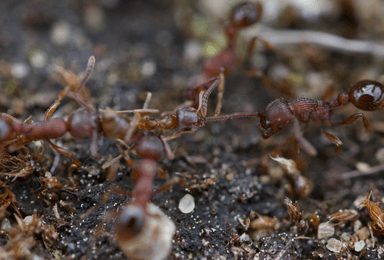
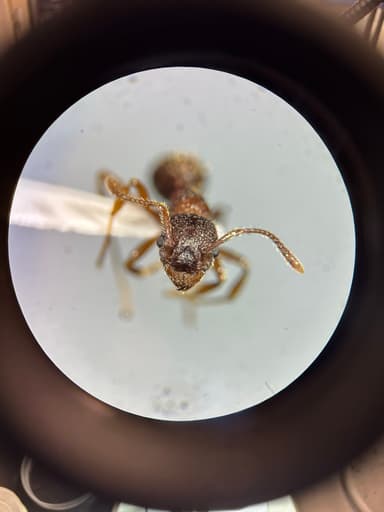
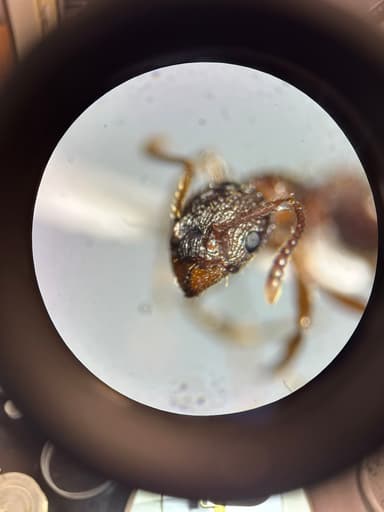
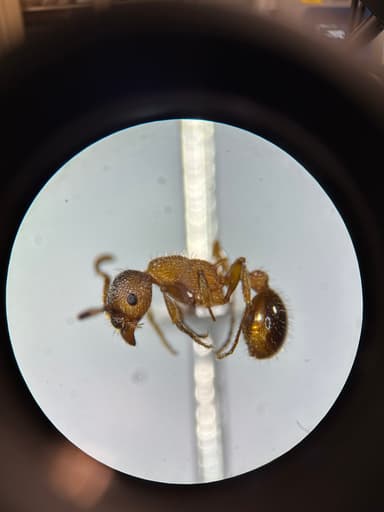
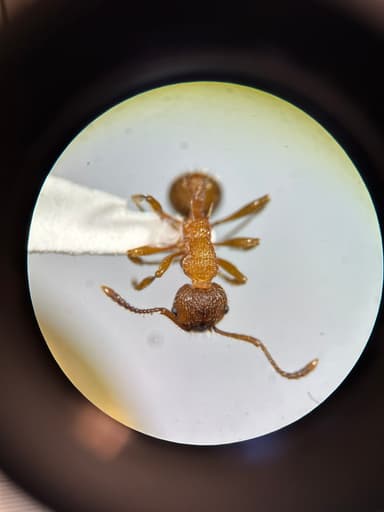
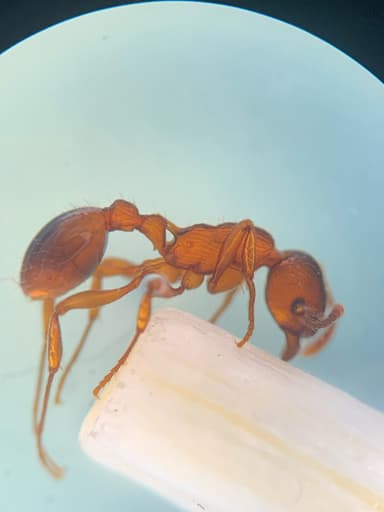
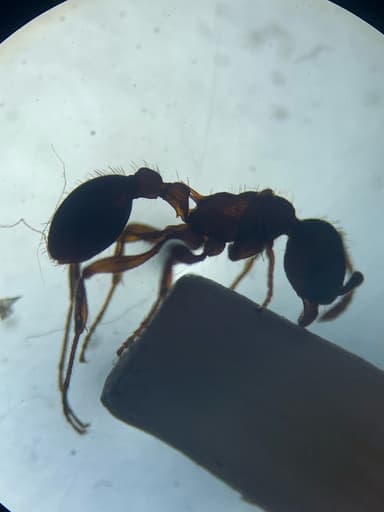
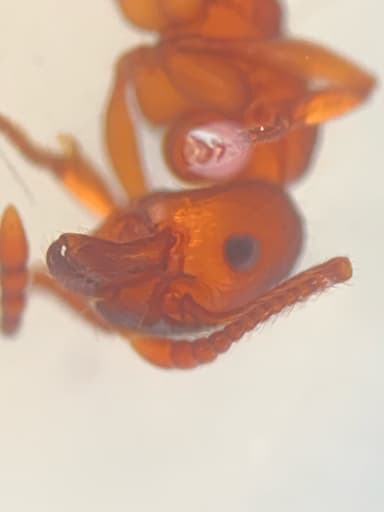
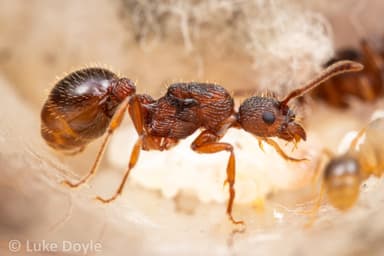
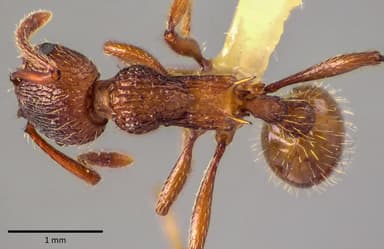
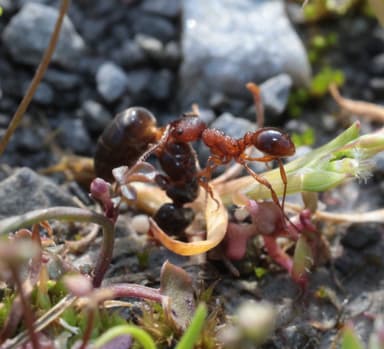
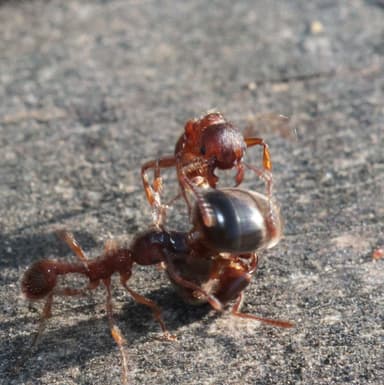
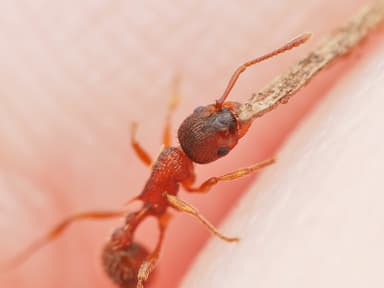
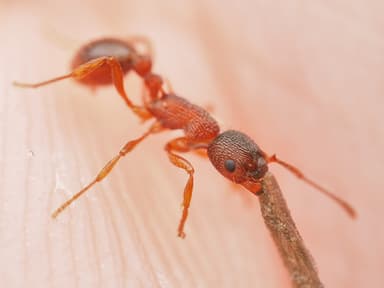
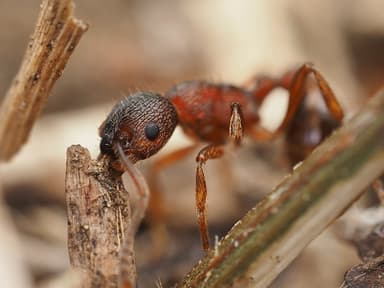
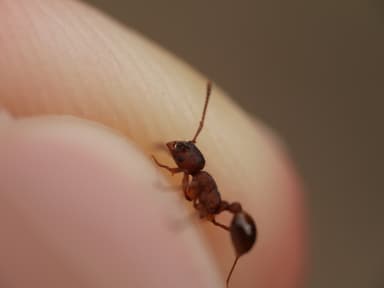
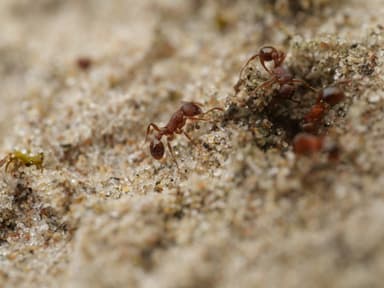
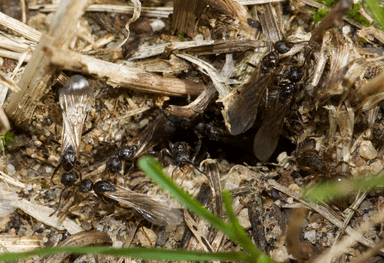
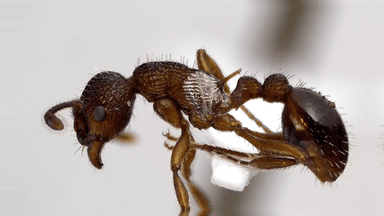
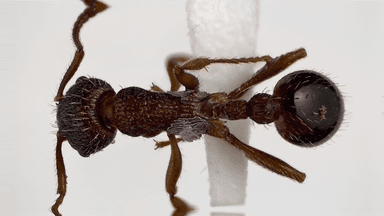
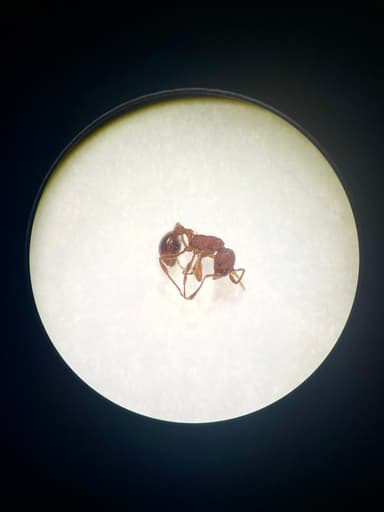
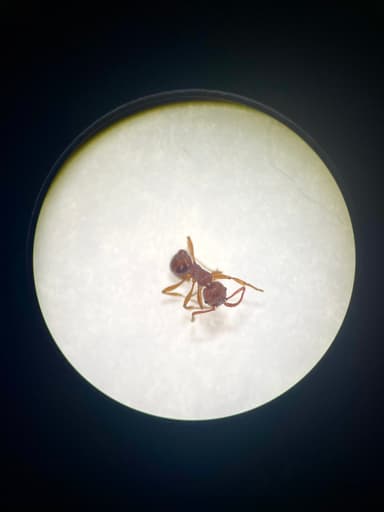
Myrmica americana is a robust, ground-dwelling ant native to the forests and grasslands of North America, ranging from the eastern seaboard west to the Rocky Mountains and from the Gulf Coast up into the Canadian Shield. Queens measure a sturdy 6 to 7.5 millimeters, while their monomorphic workers fall between 4 and 5.5 millimeters, both clothed in a characteristic reddish-brown to dark brown integument with subtle sculpturing. Colonies are modest in size by ant-keeping standards, typically plateauing around 3,000 workers, but what they lack in sheer numbers they more than make up for in personality. These ants possess a functional sting that delivers a sharp, memorable pinch, and they are famously bold, swarming out to meet disturbances with mandibles agape. Their claustral founding strategy means a newly mated queen will seal herself away to raise her first brood using nothing but stored fat and wing muscle reserves, a process both elegant and efficient. Nuptial flights occur during the warm, humid afternoons of July through September, often in the wake of rain, making late summer the prime season for collecting a founding queen across the continent (Francoeur 2007; AntWiki).
This species is best suited to the intermediate keeper. While not excessively demanding, Myrmica americana requires a more watchful eye than the forgiving Lasius or Camponotus starters. Their assertive temperament means escapes must be rigorously prevented—a secure lid and a thin barrier of fluon or talc are non-negotiable—and their sting, though not medically significant to most people, can cause localized pain and swelling, so careful handling or tool use is advised. That feistiness, however, is exactly why many keepers find them so captivating; they are active, responsive, and exhibit complex foraging and defensive behaviors rarely seen in more timid species. If you’ve successfully overwintered a colony before and are looking for a native ant with a bit of bite, both literal and figurative, M. americana is an excellent choice.
In captivity, these ants thrive in a nest that mimics the humid, temperature-moderate conditions of the soil and rotting wood they inhabit in the wild. Formicaria with good moisture control are essential: a plaster, ytong, or grout nest with a hydration system works beautifully, while a classic soil-filled setup, provided it doesn’t flood, can yield fascinating natural digging behaviors. Keep the nest area between 18 and 25°C—room temperature is generally fine, but a gentle heat gradient using a small reptile mat on one side of the nest encourages brood development and gives the colony a choice. Humidity should be kept relatively high, ideally in the 50 to 70 percent range; a dry nest will stress the colony and cause brood to desiccate. A thin layer of sand or fine coco coir in the outworld helps maintain humidity and gives workers a surface they can grip easily, but avoid overly coarse substrates that might trap tarsi. Ventilation is crucial to prevent mold, but balance it against humidity loss—a few small ventilation holes in the outworld lid usually suffice.
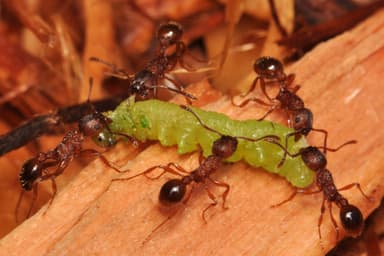
The dietary needs of Myrmica americana are straightforward but demand consistency. As hunters and scavengers of the forest floor, they are voracious insectivores. Offer them freshly killed or pre-frozen and thawed feeder insects such as mealworms, crickets, or fruit flies at least two to three times per week; the protein fuels both brood production and the colony’s pugnacious energy. They will accept sugary carbohydrates just as eagerly—a small drop of honey, sugar-water, or hummingbird nectar offered in a shallow dish or on a piece of wax paper will keep workers fueled for foraging. A water source must always be available; a test tube with a cotton plug, or a small water tower placed in the outworld, is ideal. Remove uneaten food promptly to avoid mold and mite outbreaks, and consider dusting insects with a plain calcium supplement occasionally if you are feeding a colony with a heavy brood load, though this is not strictly necessary.
Hibernation is not optional for this species—it is a deeply ingrained physiological requirement. Across their vast range, from Texas to Ontario, colonies endure a period of cold dormancy that resets their internal clocks and ensures the queen’s continued egg-laying cycle. Without a chill period, colonies will gradually decline, with workers dying prematurely and brood development stalling. Aim to maintain them at around 5°C for three to four months, a task easily accomplished in a dedicated minifridge, wine cooler, or an unheated garage that remains consistently cold but not freezing. Gradually reduce temperatures over a couple of weeks in late autumn, and check moisture levels during hibernation; the nest should stay slightly moist but never wet, as excessive dampness in the cold can be deadly. When spring arrives, warm them slowly back to room temperature to mimic the natural thaw. This careful seasonal rhythm is the secret to a thriving, long-lived colony.
When you first receive your Myrmica americana queen and her small cluster of workers, patience becomes your most important tool. Unpack the colony gently and place their test tube or starter nest directly into the outworld, attaching it securely to a small fresh-water source. Keep the environment dim and quiet for the first 24 to 48 hours; they will likely be stressed from transit and need time to reorient. After that initial settling period, offer a tiny speck of honey on the tip of a toothpick and a single, pre-killed fruit fly or pinhead cricket placed just outside their nest entrance. Do not overfeed at this stage—a queen with ten workers cannot consume a whole cricket, and leftovers will spoil. Watch for the workers to venture out and forage within a day or two, a sign they are adjusting well. If they remain huddled and inactive for more than three days, check that the temperature is not too low (below 18°C) and that humidity is adequate. Once you see the queen steadily producing a new batch of eggs and larvae within a few weeks, you’ll know the colony has truly made itself at home.