Formica
Formica fusca
Nuptial Flight Calendar
Flight months: Jun, Jul, Aug
Care Guide
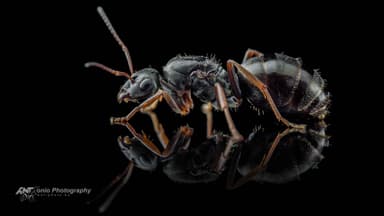
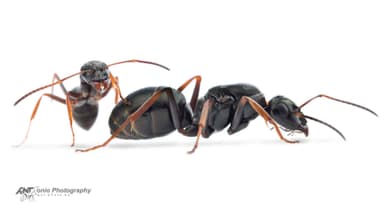
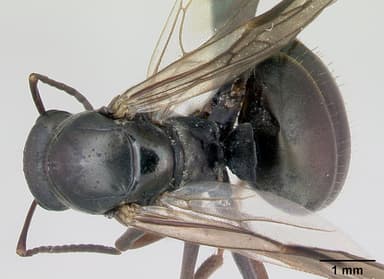
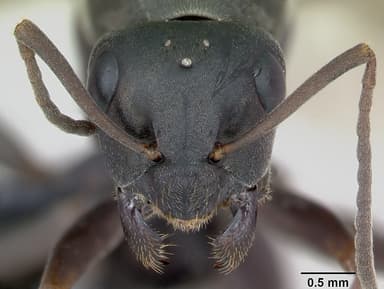
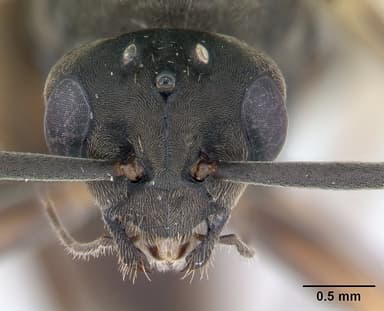
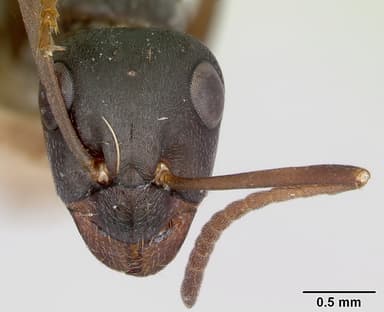
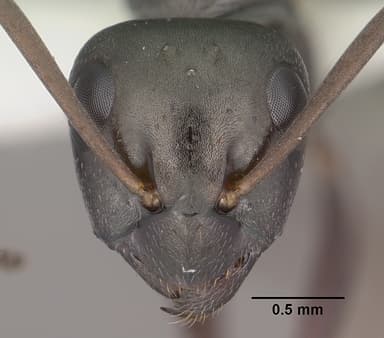
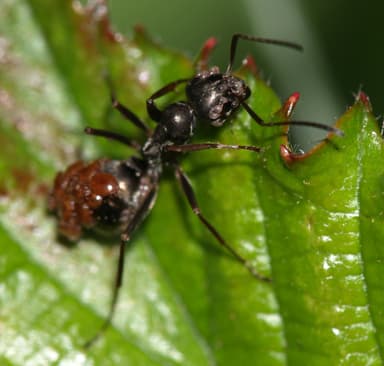
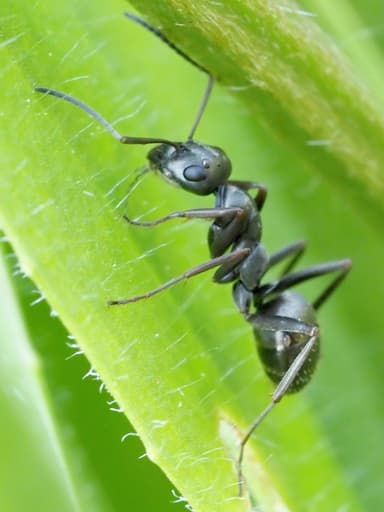
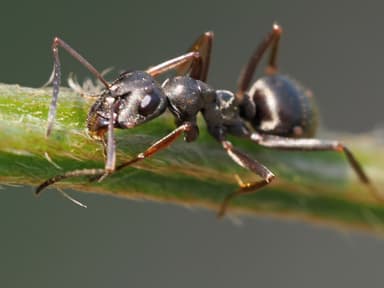
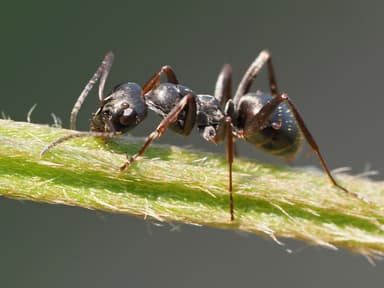
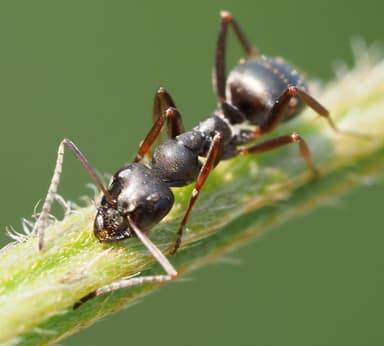
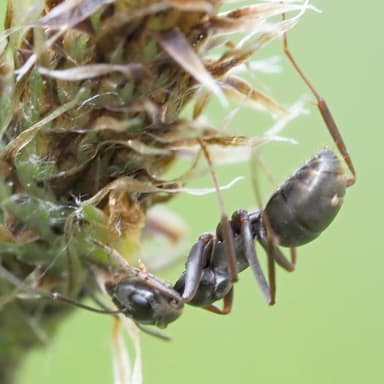
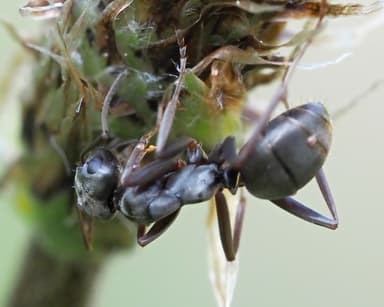
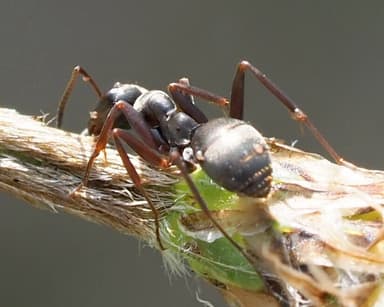
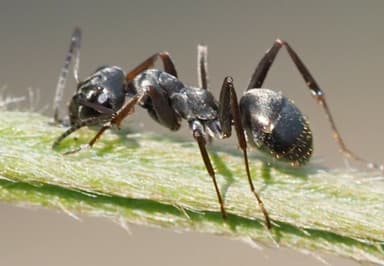
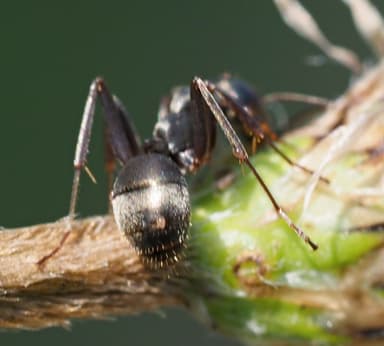
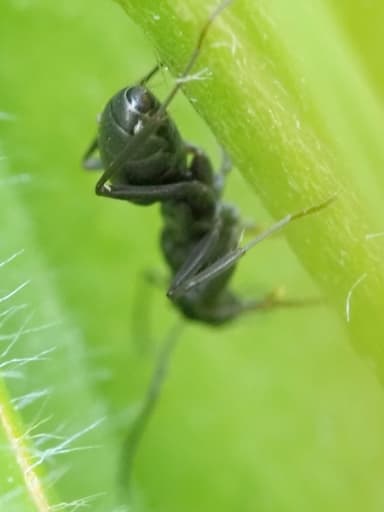
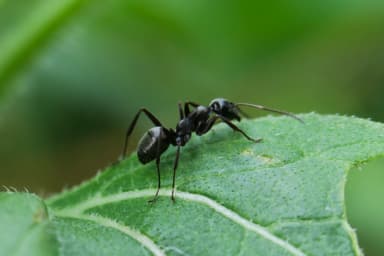
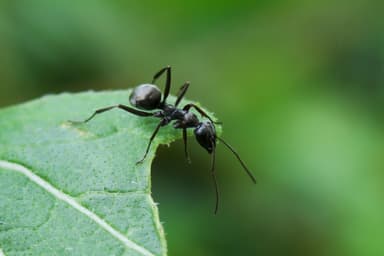
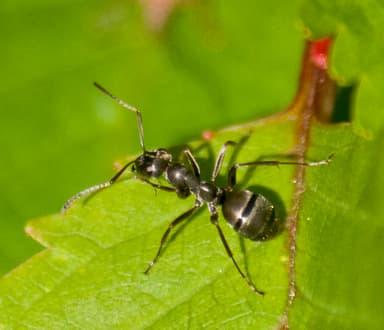
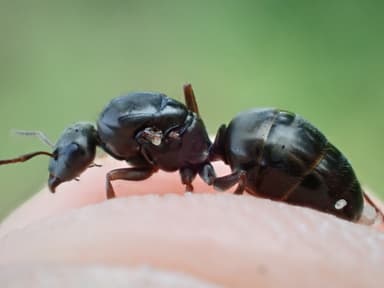
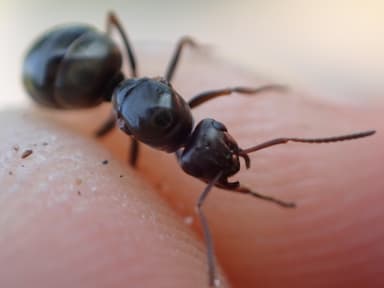
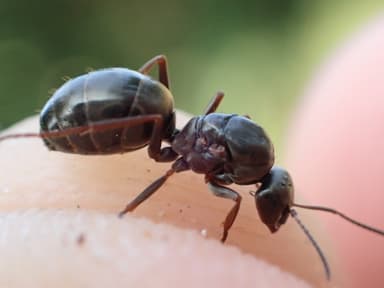
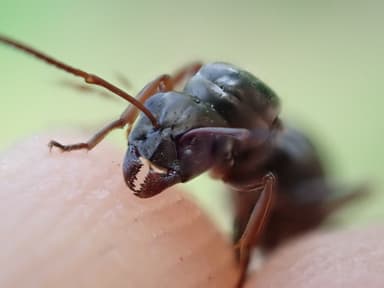
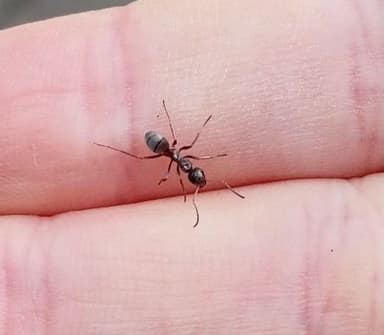
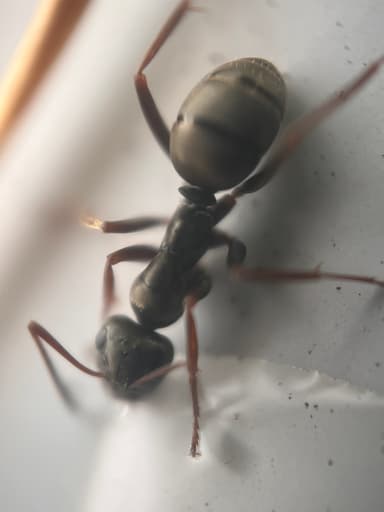
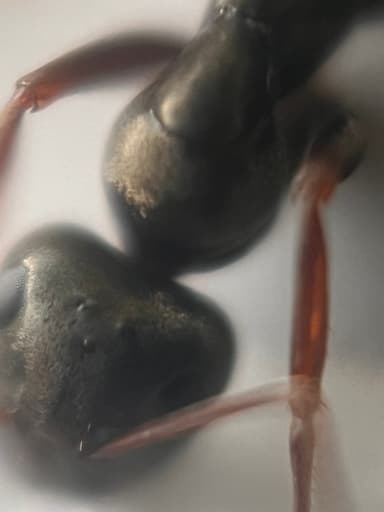
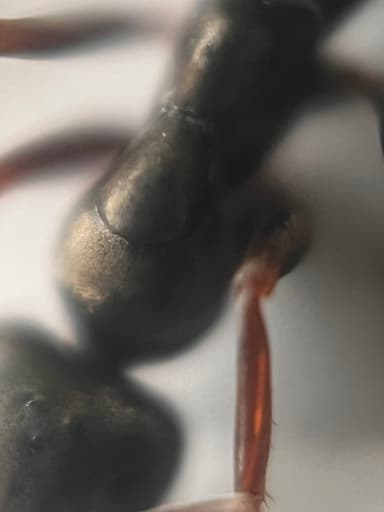
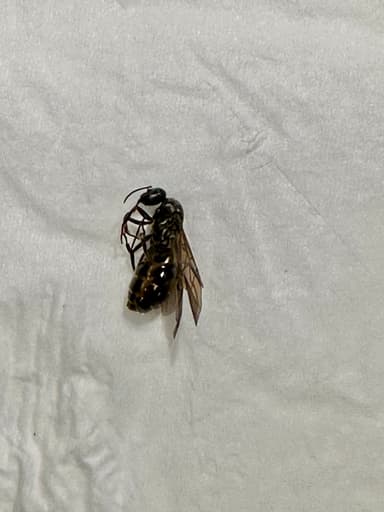
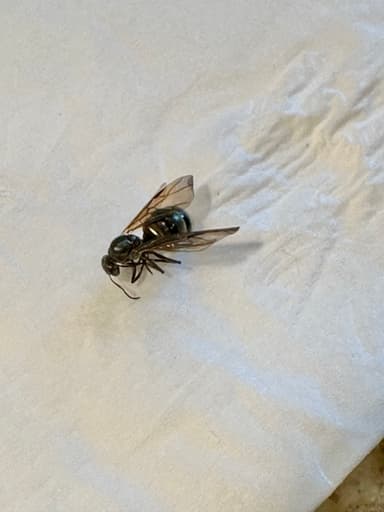
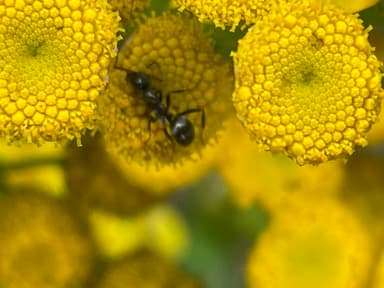
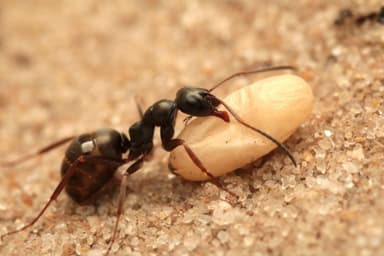
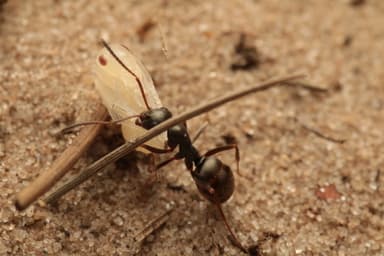
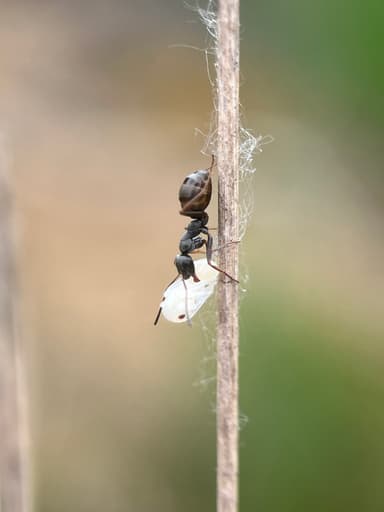
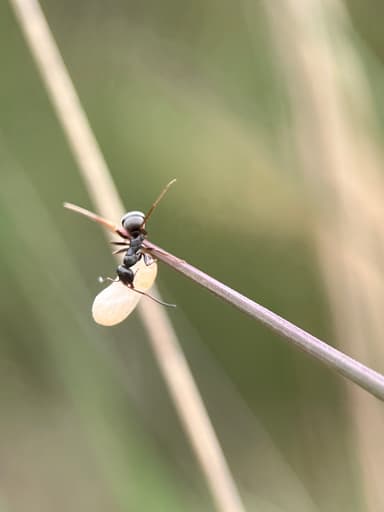
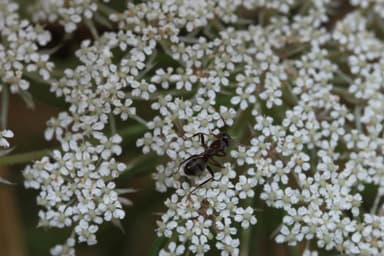
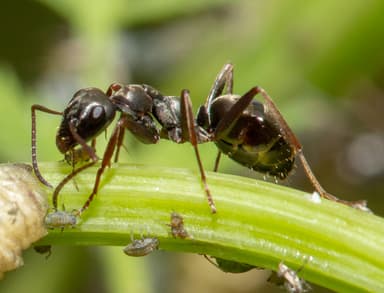
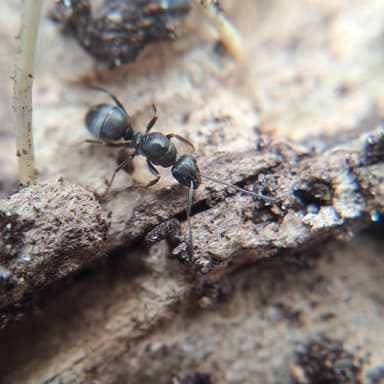
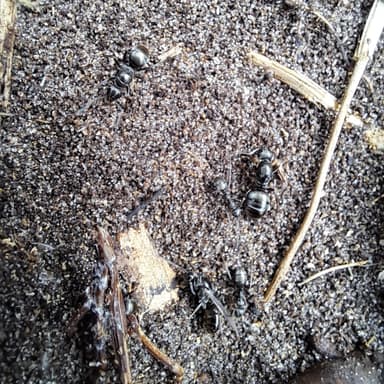
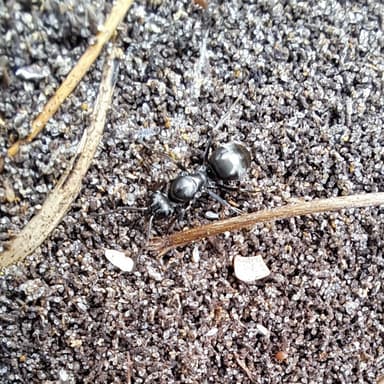
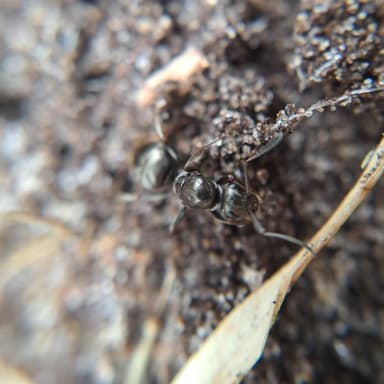
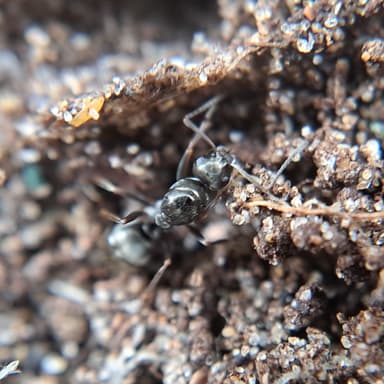
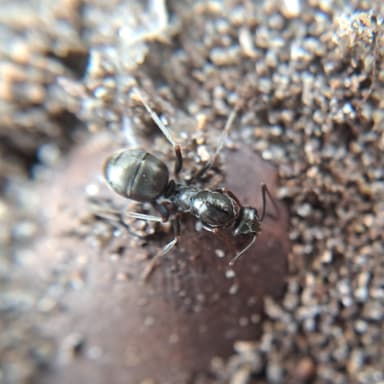
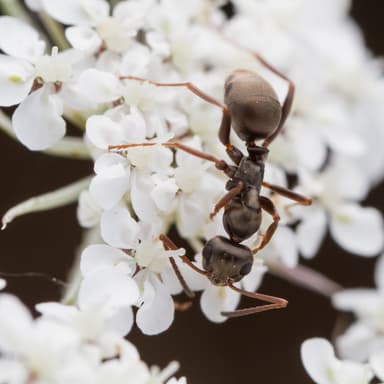
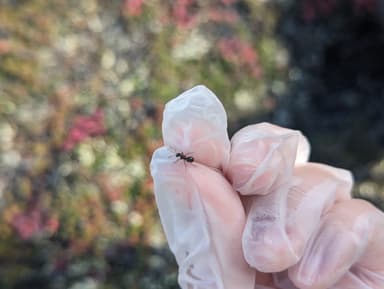
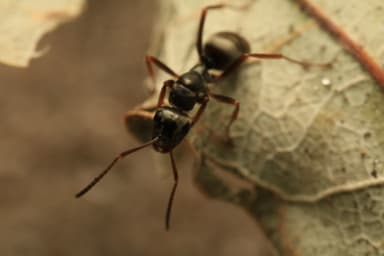
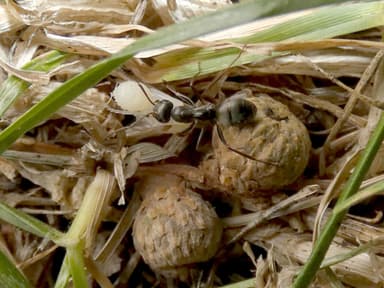
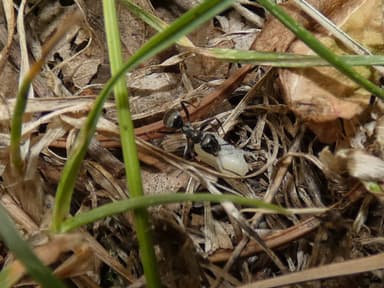
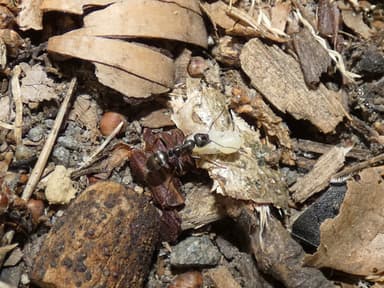
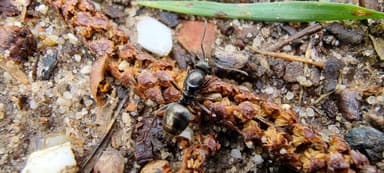
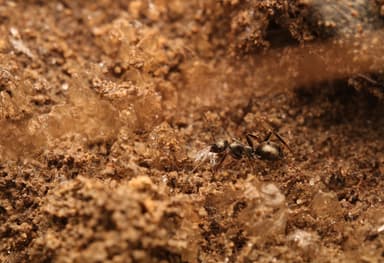
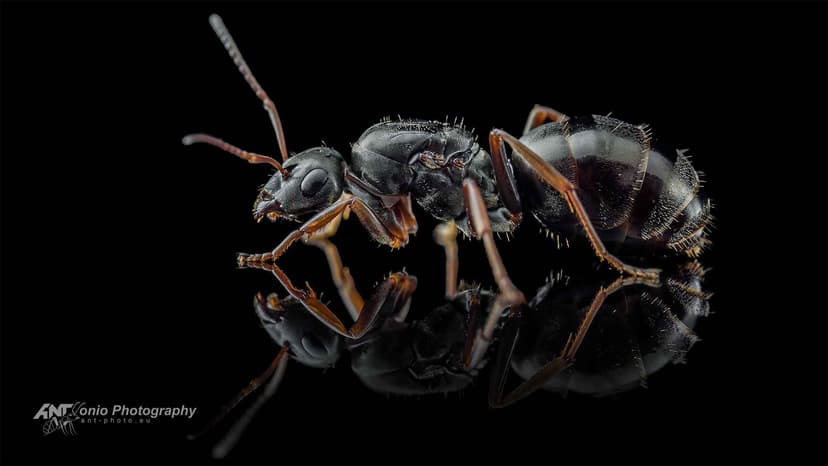
Formica fusca is a delightfully unassuming yet elegant ant that serves as an excellent introduction to the genus Formica. Often called the silky ant or the dusky ant, its workers range from a modest 4.5 to 7.5 millimetres and display a uniformly dark grey to black body with a subtle sheen, entirely lacking the polymorphism seen in their mound-building relatives. Queens, at 9 to 11 millimetres, are noticeably heftier but similarly coloured. This is a monogyne species, meaning each colony revolves around a single queen, and mature nests rarely exceed 2,000 workers — a manageable size for the home formicary. Taxonomically, F. fusca is a cornerstone of the “fusca group,” a complex of closely related species distributed from the Iberian Peninsula east across the vast Russian steppe and north into Fennoscandia, and even across the Bering Strait into North America (Seifert 2018; GBIF). Its ubiquity and soil-nesting habits have made it a classic study subject; indeed, it frequently acts as the host for temporary social parasites such as Formica rufa and associated species, a drama that many advanced keepers later attempt to replicate (Czechowski et al. 2012). For the beginner, however, its steady, unobtrusive tempo and forgiving nature are what shine.
This ant is unequivocally a beginner-friendly species. It tolerates a comfortable thermal band from 18 to 26 degrees Celsius and a relative humidity of 50 to 70 percent, both easily achieved in a climate-controlled home without specialist equipment. The semi-claustral founding stage adds a tiny but rewarding thread of responsibility: the newly mated queen requires a small foraging arena from the outset and will accept minuscule protein drops and sugar water while she raises her first brood. This is not a difficult species, but the keeper must be willing to provide that early sustenance. Because a mandatory hibernation period is essential to its annual cycle, it suits those who can commit to chilling their colony at around 5 degrees Celsius for three to four months over winter; ant keepers living in naturally cool climates or with access to a wine cooler or dedicated fridge will find this straightforward. Anyone seeking a year-round display without a winter pause should look elsewhere, but for those who embrace the rhythm of the seasons, F. fusca is a robust and endlessly watchable companion.
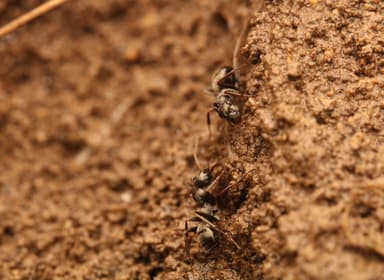
Housing should mimic the earth-bound world this ant inhabits in the wild. A soil-based or ytong nest with a deep digging medium is ideal, as workers will actively sculpt chambers and galleries if offered a sand-clay or loam substrate. A temperature gradient across the nest, from about 21 to 26 degrees Celsius near a gentle heat source, will stimulate brood development, while cooler, damper corners allow for waste disposal and seed storage. Humidity is best maintained by a water-filled test tube portal or by moistening part of the substrate; keep the nest section at roughly 60 to 70 percent relative humidity and allow the outworld to sit closer to the 50 percent mark. The outworld should be escape-proof yet ventilated, furnished with a thin layer of sand or coconut fibre, and may include a small piece of bark or a flat stone under which the ants will congregate and drag prey. As the colony grows, regularly upgrade the nest size — a colony of a thousand workers will appreciate at least a square foot of interconnected chambers to prevent overcrowding stress.
Diet occupies a simple, daily rhythm: protein for the larvae and carbohydrates for the workers and queen. In the wild, F. fusca are generalised scavengers and predators, so in captivity offer freshly killed or live small insects — Drosophila, pinhead crickets, and chopped mealworms are all greedily accepted. Two or three feedings per week of protein suffice for a young colony, increasing to daily offerings when brood is plentiful. For sugars, a dab of pure honey or cotton-ball soaked in sugar water placed in the outworld will fuel the workforce; a small liquid feeder helps prevent drowning. The semi-claustral queen, during the crucial founding weeks, will require a tiny piece of fruit fly or a drop of sugar water every other day. Always provide a clean water source: a test tube with a cotton plug is a simple, universally trusted method. Do not overload with food, as uneaten prey will quickly mould; remove remnants after a day.
Hibernation is not optional. Come late October or November, when the colony’s brood production naturally slows, gradually reduce the temperature over two weeks until the ants are resting at a steady 4 to 6 degrees Celsius. The refrigerator is the hobbyist’s most reliable ally here, but a cold cellar or an insulated garage also work, provided temperatures never dip below freezing. The ants should have access to a small water source and can be left largely undisturbed for three to four months. They will cluster motionlessly, their metabolism barely ticking over. A successful diapause is the hidden key to longevity; colonies that skip this season often exhibit erratic behaviour, poor brood development, and premature queen death. In early spring, warm the nest slowly back to room temperature, and within days the workers will eagerly resume foraging and the queen will begin laying eggs with renewed vigour.
The first days after purchase demand patience above all. If you have received a founding queen in a test tube, place the setup in a dim, quiet corner within the intended outworld and resist the temptation to check on her more than once a day. She will be highly sensitive to vibrations and light, and excessive disturbance can cause her to abandon her eggs. For a semi-claustral queen like this, place a tiny droplet of sugar water and a pre-killed fruit fly or an ant-sized cricket leg just outside her tube within the first twelve hours; replace it every two days if uneaten. Do not attempt to connect her to a larger nest yet — the test tube is perfect until the first nanitic workers emerge, usually after six to eight weeks. Once the first workers appear, offer a similarly small protein source and observe from a distance. They will begin exploring the arena hesitantly. At this stage, it is safe to open a connection to a small nest module, but allow the colony to move at its own pace. Watch for any signs of persistent restlessness or the queen repeatedly trying to escape her tube — these often indicate unsuitable humidity or temperature, which can be gently corrected. With a delicate hand and a respect for their deeply ingrained seasonal clock, your Formica fusca colony will soon become a calm, enduring centrepiece of your ant-keeping journey.