Formica
Formica exsectoides
Nuptial Flight Calendar
Flight months: Jun, Jul, Aug
Care Guide
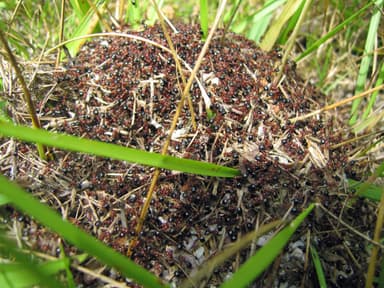
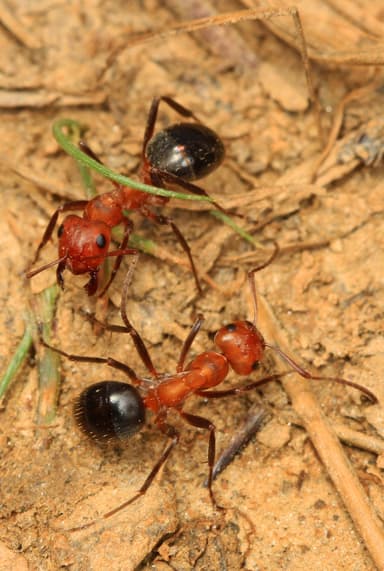
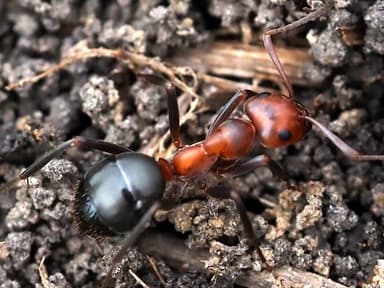
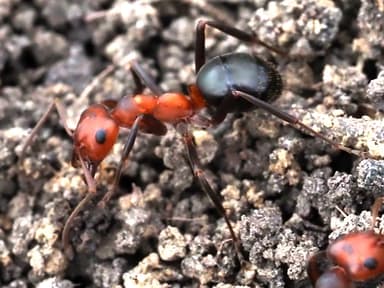
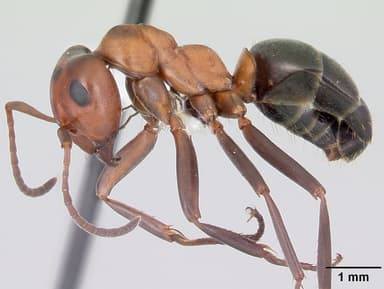
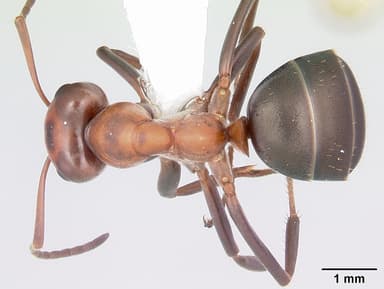
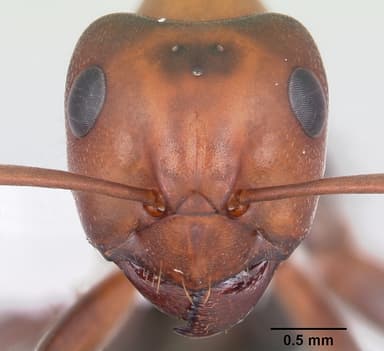
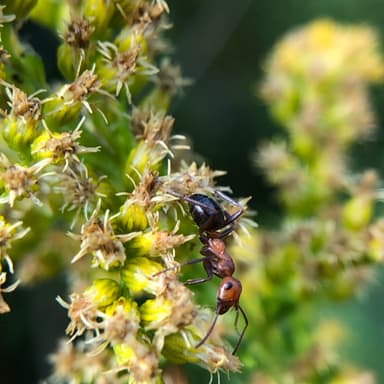
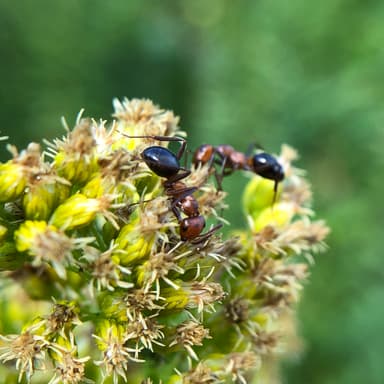
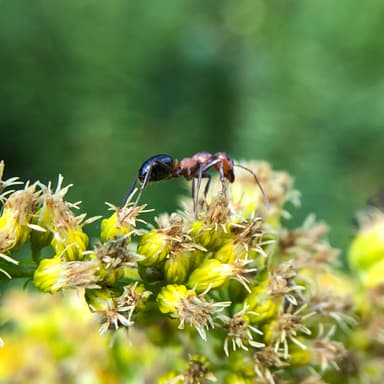
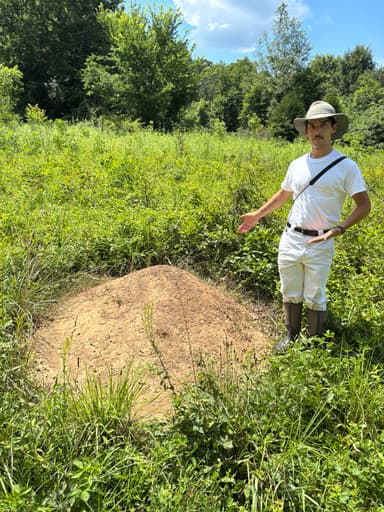
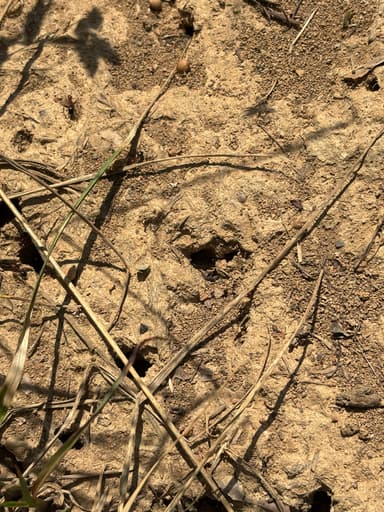
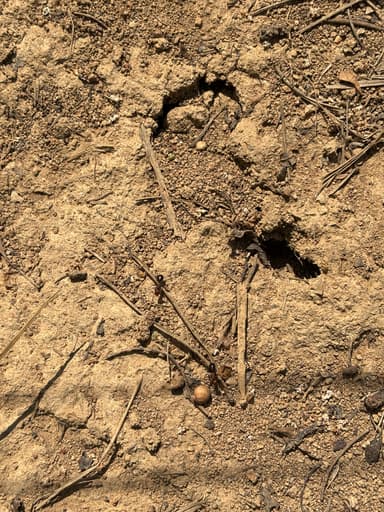
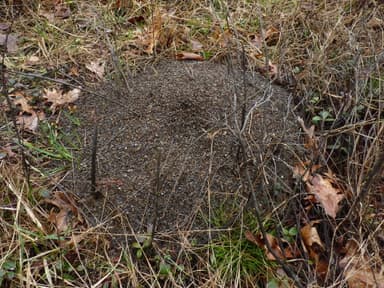
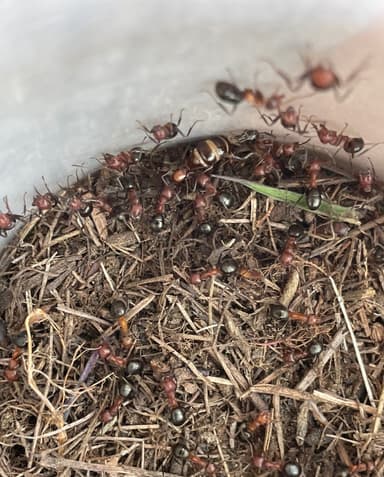
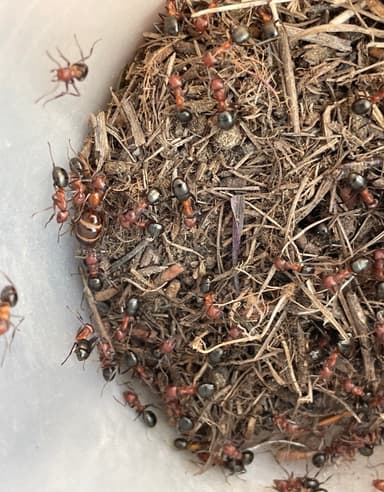
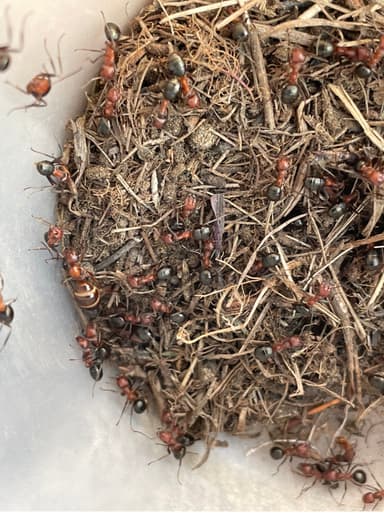
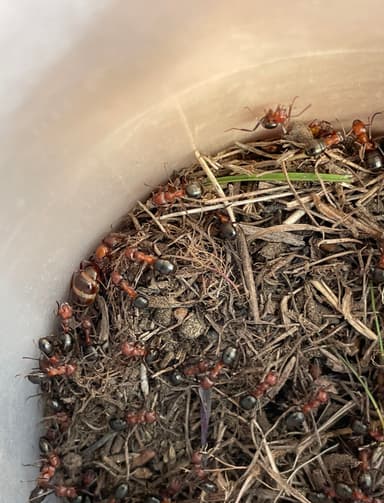
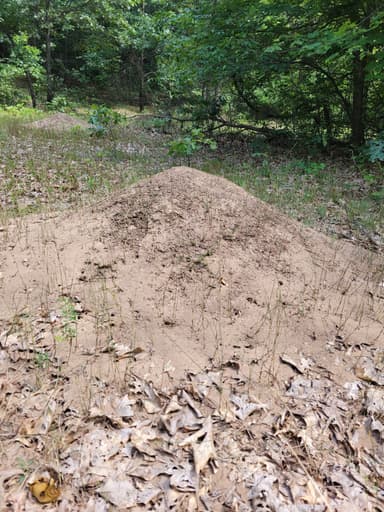
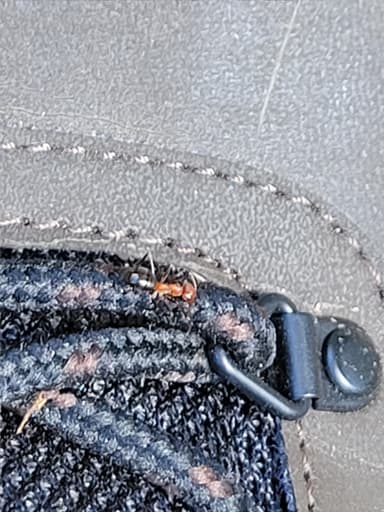
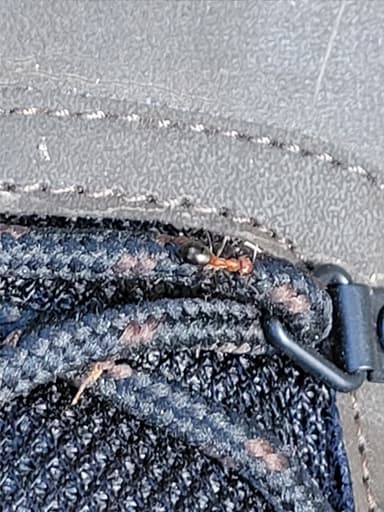
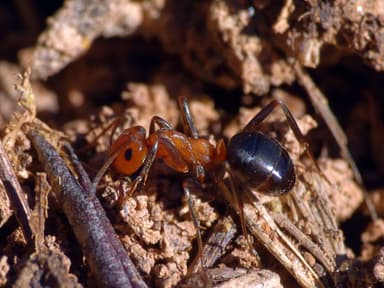
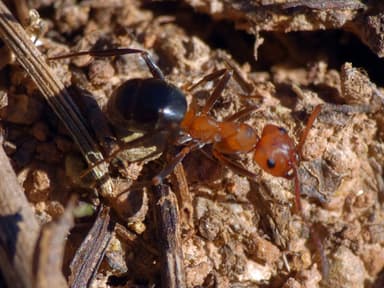
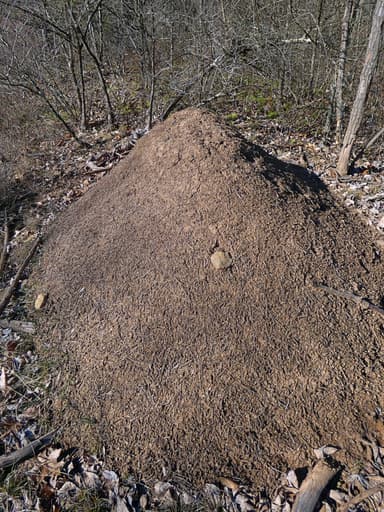
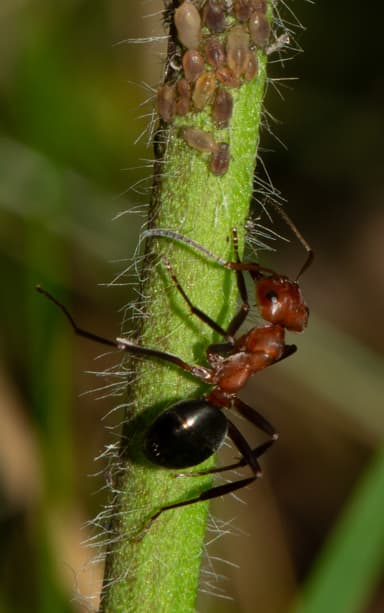
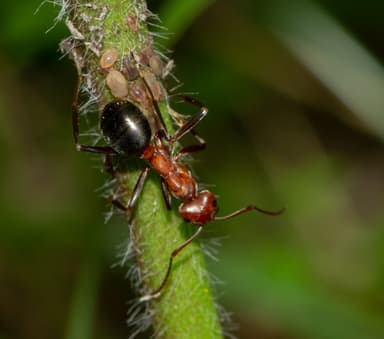
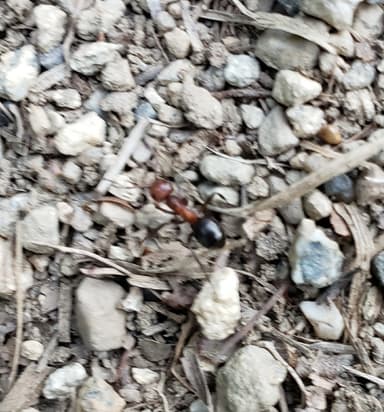
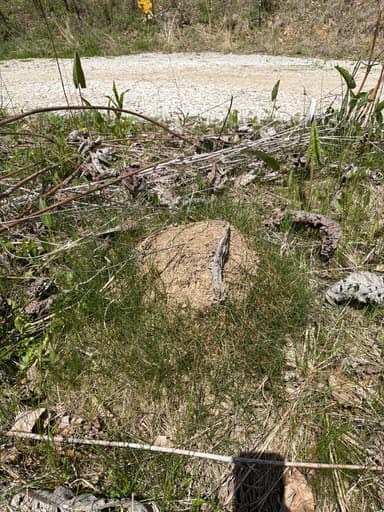
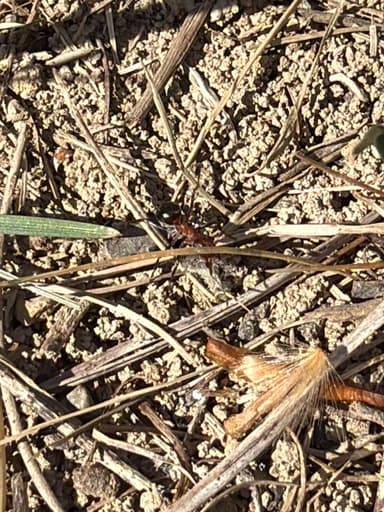
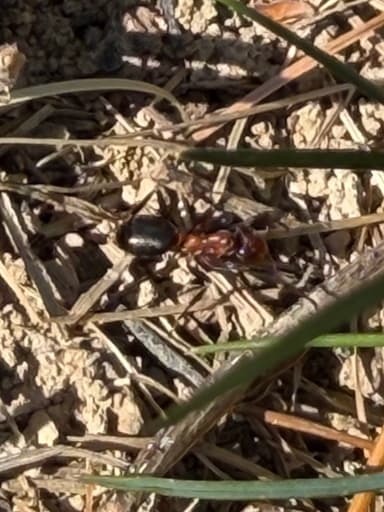
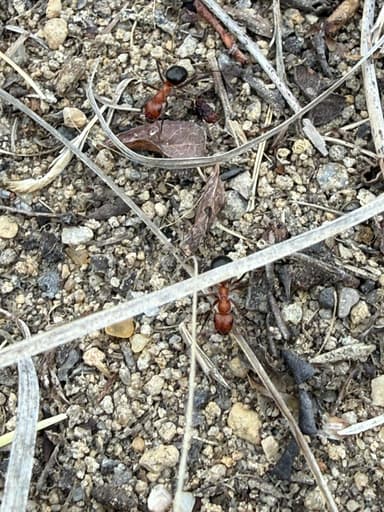
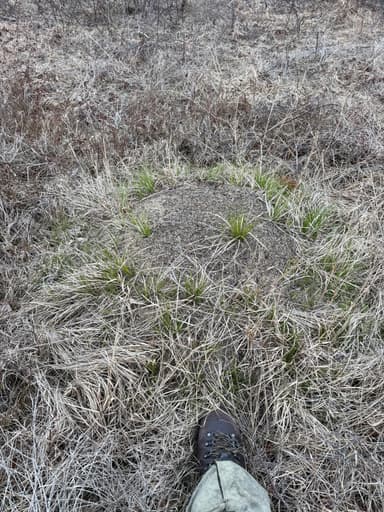
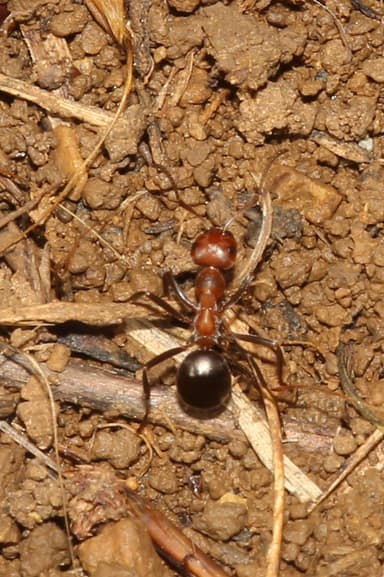
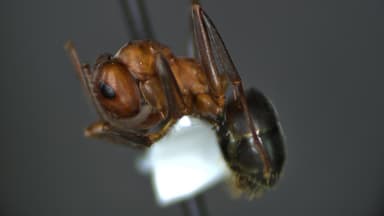
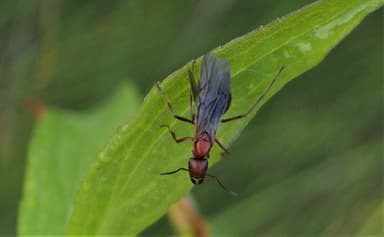
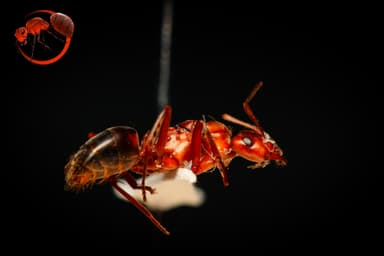
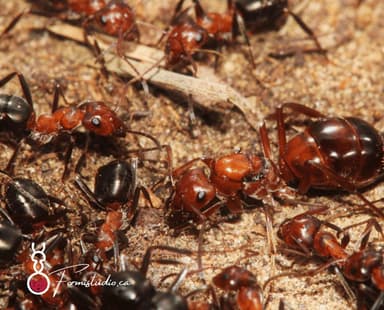
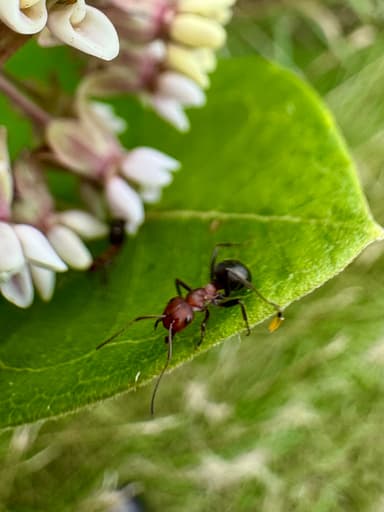
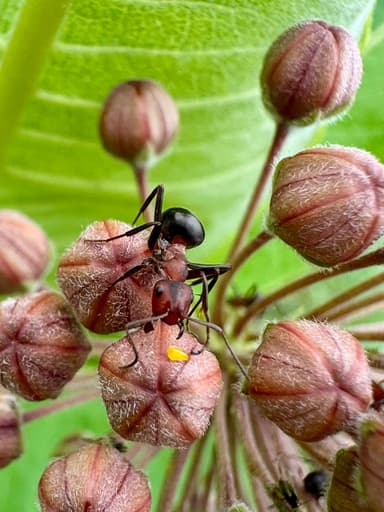
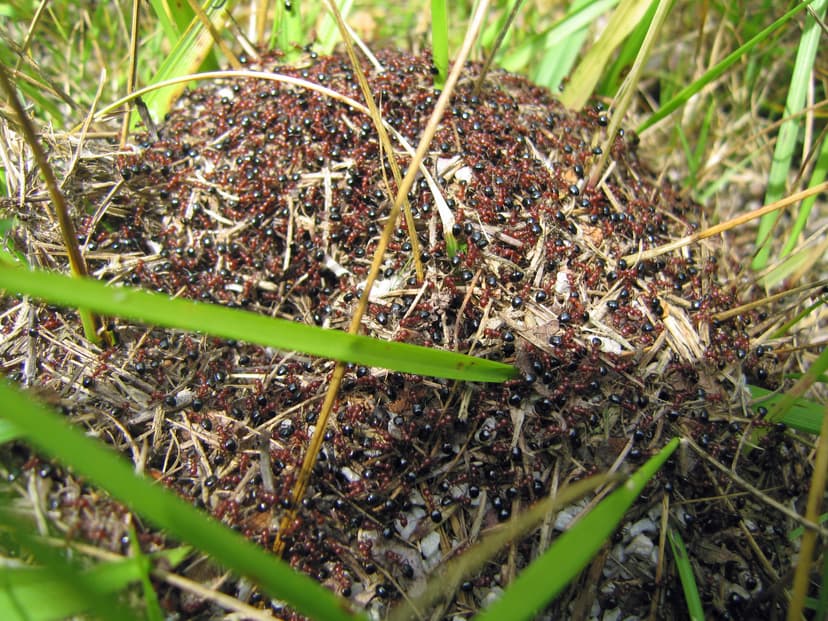
Formica exsectoides, known as the Allegheny mound ant, is a charismatic giant of the North American temperate forests, with a natural range stretching from the Georgian Piedmont to the southern fringes of the Canadian Shield (GBIF). Across this swath, it constructs cathedral-like thatch mounds that can tower a meter above the forest floor and house colossal colonies documented to reach half a million workers (Cory & Haviland, 1938). The adults are a striking burnt-amber and black, with a polished integument that seems to gleam under the dappled light of their woodland homes. A deeply polymorphic species, the workers grade smoothly from sprightly 4 mm minors that tend brood and aphids, through intermediates, to formidable 8 mm majors whose heavy, blunt mandibles and aggressive demeanor make them fierce defenders. Queens are larger still, 8–10 mm, and all castes share the ability to accuratelly spray formic acid from their gasters, a pungent deterrent that reinforces this ant’s reputation as both a fascinating study organism and a challenging captive. What truly sets F. exsectoides apart is its social‑parasitic founding: new queens must infiltrate a nest of a related Formica species—typically from the fusca group—and usurp the host workers, a strategy that demands a keen understanding of ant social dynamics right from the start.
This is, without question, an expert‑level species, and the label is not given lightly. The difficulty does not lie solely in managing a workforce that can squirt acid or an eventual colony size that will overwhelm standard formicaria. Rather, it is the parasitic founding that filters out all but the most experienced keepers. If you are acquiring a lone mated queen, you must procure appropriate Formica fusca group pupae or callow workers and orchestrate a controlled introduction, often over several nights, ensuring the queen is accepted without being killed by the very workers she needs. Even once the colony is established, the steep growth curve demands dedication: F. exsectoides is an obligate hibernator, a voracious predator, and an ant that will rapidly convert an under‑dimensioned enclosure into a chaotic, stressful environment. This guide is written for the myrmecologist who has already kept multiple successful parasitic species and who possesses the space and patience to nurture a colony that, in a few short years, could rival a small city‑state.
Housing must echo the architecture of the wild mound if the colony is to thrive. The nest core should be kept between 18 °C and 28 °C, with a gentle thermal gradient that allows workers to select their preferred microclimate for brood development. Humidity within the nest chambers should be a steady 50–70 %; this is not a desert species, but stagnant, saturated air will encourage fungal outbreaks. A large‑capacity ytong or plaster nest with a generous top layer of substrate works well, but a deep, naturalistic terrarium filled with a sand–loam–peat mix and generously topped with dried grass, chopped leaves, and small twigs is ideal, as the ants will industriously rearrange this material into a cozy, insulating mound. Be forewarned: a mature colony will require multiple connected nest modules or an arena several square feet in extent, because the physical mound acts as a thermal and social hub, and restricting the colony to a space that is too small can trigger chronic stress with disastrous consequences. The outworld must be a fortress, with a tight‑fitting glass lid, a robust PTFE barrier renewed regularly, and sufficient vertical distance that piled debris cannot form an escape bridge.
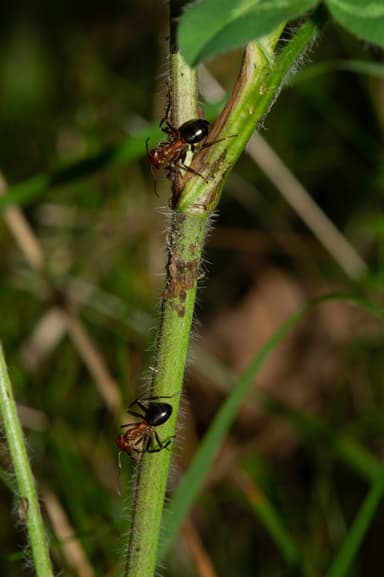
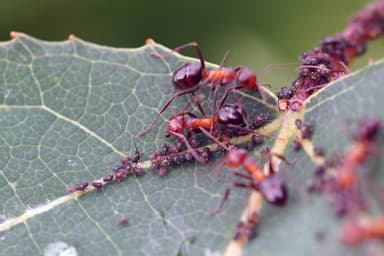
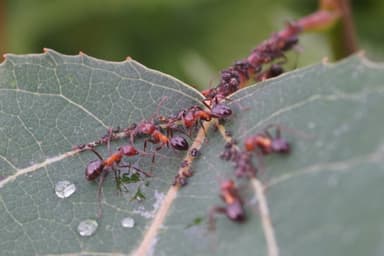
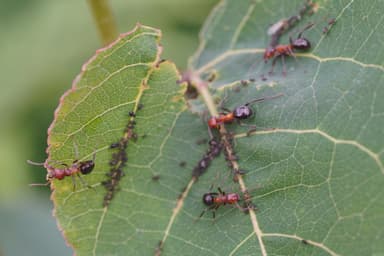
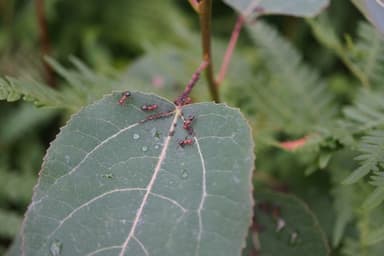
Feeding F. exsectoides is a daily ritual that illustrates their dual role as hunters and herders. In the wild, they voraciously scavenge arthropod prey and actively tend aphids for honeydew. In captivity, provide protein from a rotation of gut‑loaded crickets, dubia roaches, and fruit flies, offered a few times per week; for a young colony, all prey should be pre‑killed or frozen to avoid defensive injuries. Carbohydrates are not optional—they are the fuel that powers their ceaseless patrolling. A sipper of sugar water or diluted honey should always be available, and many keepers find that offering a bouquet of cut plants infested with aphids or scale insects triggers thrilling natural foraging columns. Fresh, pure water in a test‑tube drinking station completes the menu, and for a colony of even modest size, expect these resources to be consumed at an astonishing rate.
Hibernation is an absolute biological mandate. In their native range, these ants endure long, cold winters, and a captive colony must be given a dormancy of three to four months at a stable 5 °C, with a bit of leeway toward 2–8 °C. Without this prolonged cold period, queens cease egg‑laying, worker longevity plummets, and the colony’s circadian rhythm frays. As autumn approaches, taper off protein and gradually lower the temperature over several weeks, then transfer the nest into a dedicated fridge or a well‑regulated cool room. Keep the substrate just barely moist—enough to prevent desiccation but not so damp that it wicks chill into the colony—and check every fortnight for signs of mold. In spring, reverse the process gently; once the workers stir and grooming resumes, you can reintroduce warmth and food.
If you have just received a mated queen, the first few days are a quiet high‑stakes ballet. Unpack her directly into a darkened, small founding chamber lined with moist cotton and a small clod of sterile peat, and give her 24–48 hours to settle before any introduction attempt. At that point, provide a scattered pile of freshly harvested Formica fusca group pupae or half a dozen gentle callow workers, ideally over a bridge of paper so that chemical profiles can mingle gradually. Observe for aggression: a successful union is marked by the host workers grooming the queen and accepting her regulatory pheromones, while rejection manifests as persistent lunging or biting. Do not disturb the setup for at least a week; the first feeding—a micro‑drop of sugar water on a slip of leaf—should only be given once you see workers foraging calmly. For a small, already‑established colony, the process is gentler: place the entire brood stack and attendant workers into the nest area of their new enclosure with a pre‑laid trail of prey bits and a sugar source, then allow them to explore at their own pace, resisting the urge to peek. In both cases, watch for the trademark signs of stress—frantic pacing, hesitance to enter the nest, or workers carrying brood incessantly—and adjust humidity or light levels accordingly. With this early, unobtrusive stewardship, the young colony will quickly anchor itself and set out on the long, magnificent march toward the mound of your dreams.