Camponotus
Camponotus socius
Nuptial Flight Calendar
Flight months: May, Jun, Jul
Care Guide
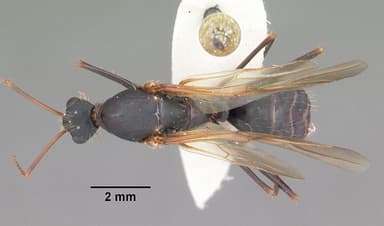
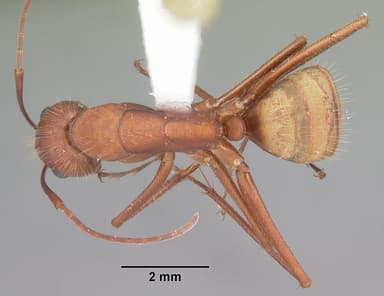
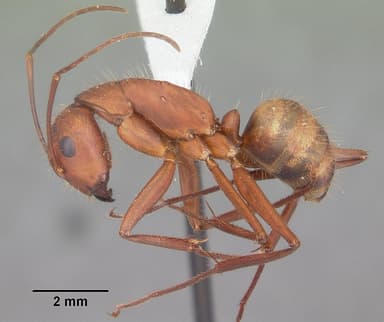
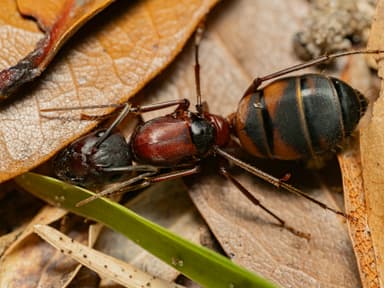
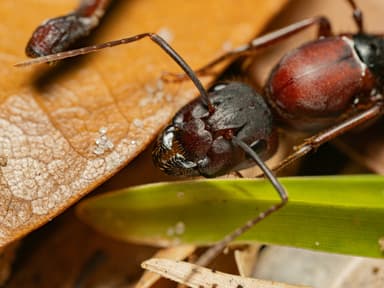
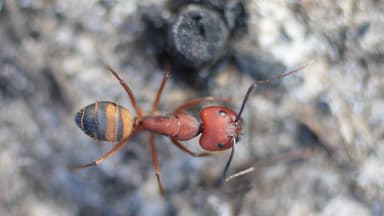
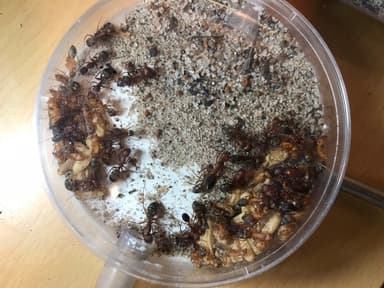
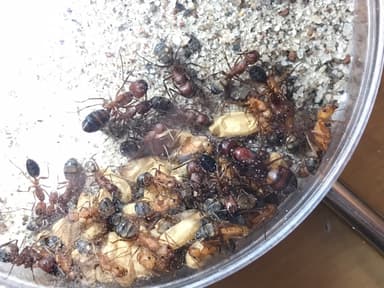
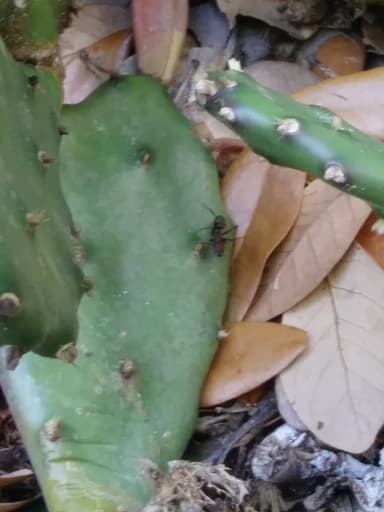
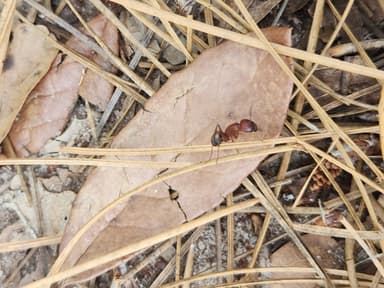
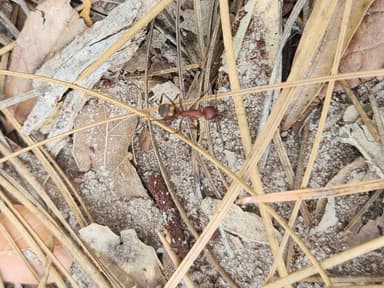
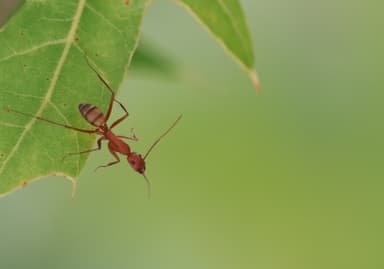
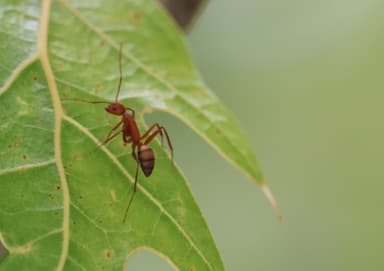
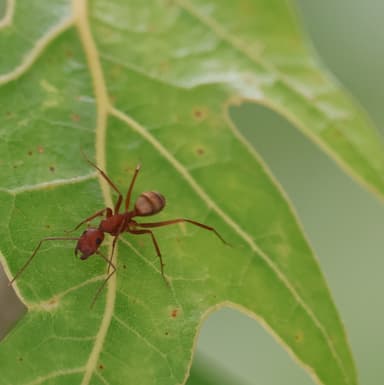
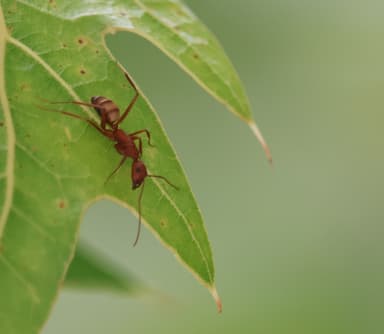
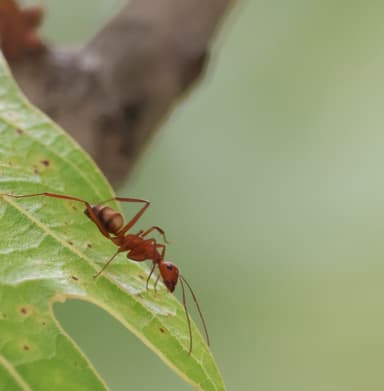
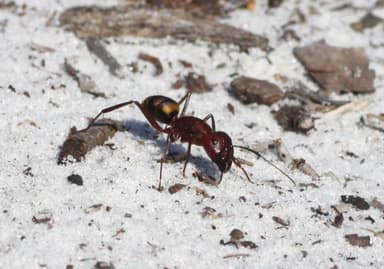
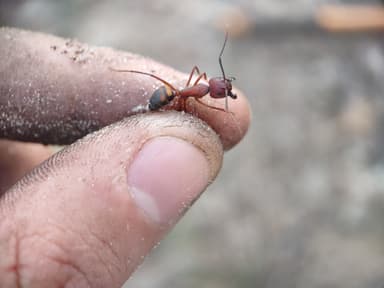
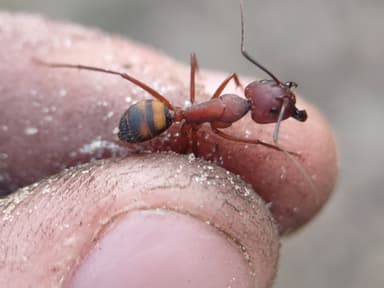
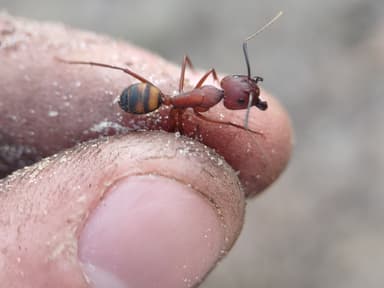
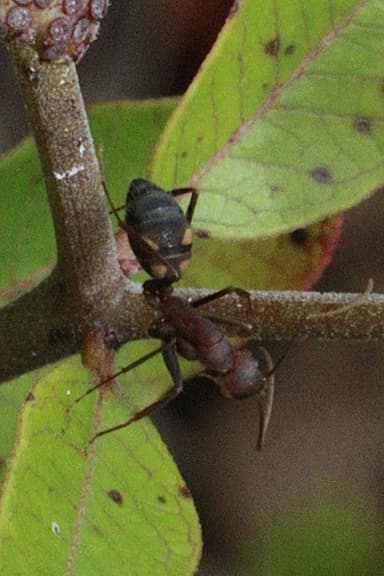
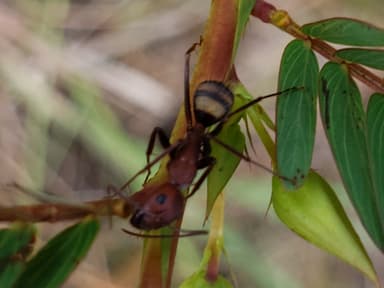
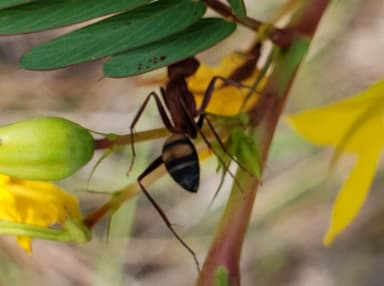
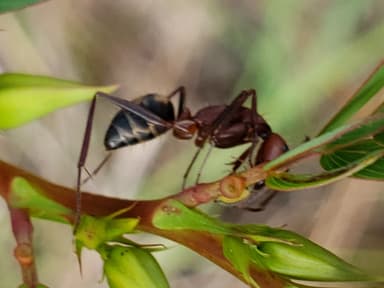
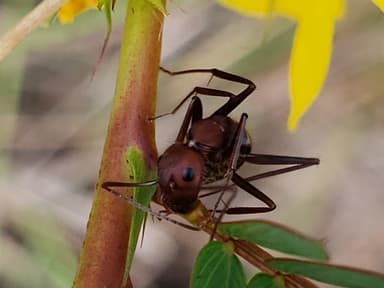
Camponotus socius is a striking and somewhat atypical member of the carpenter ant genus, renowned among keepers for its terrestrial habits and vivid coloration. Queens measure a robust 14 to 17 millimetres, while workers display distinct size polymorphism with minors as small as 6 millimetres and imposing majors reaching 13 millimetres, their heads heavily muscled for seed cracking and defense. The most eye-catching feature is the bicolored pattern: the head and gaster are deep mahogany to blackish, contrasting sharply with a luminous rusty-red mesosoma and legs. Mature colonies in the wild may number up to about 4,000 individuals, a moderate size that allows for satisfying growth without overwhelming space demands. Unlike the majority of Camponotus, which excavate galleries in wood, C. socius is a true ground-nester, often building conspicuous crater-like mounds in sandy soils across the southeastern coastal plain from roughly Florida to North Carolina (Tschinkel studies, Creighton 1950). This adaptation makes the species behaviorally fascinating and visually dramatic to house, as you can observe the workers shaping soil and creating an intricate subterranean network right before your eyes.
With a care difficulty rated intermediate, Camponotus socius suits keepers who have successfully overwintered temperate species before and are comfortable managing moderate humidity gradients. The main challenges are its hibernation requirement and a tendency to be somewhat shy during the founding phase, responding poorly to frequent disturbance. Patient hobbyists who enjoy naturalistic setups will find it deeply rewarding. Because colonies grow relatively slowly in the first year, a little experience with non-tropical Camponotus is beneficial, but the species is by no means overly fragile. The reward is a visually spectacular, polymorphic colony that actively modifies its environment and exhibits impressive division of labor between the small, fast-moving minors and the brawny, seed-cracking majors.
Housing should mimic the warm, well-drained sandhill habitats these ants call home. A temperature gradient of 22 to 28°C is ideal, with the warmer end of the spectrum promoting faster brood development during the growing season. Humidity must be kept moderate, in the 40 to 60 percent range; avoid constant saturation as overly damp conditions promote fungal issues. A nest setup that incorporates a deep layer of sandy loam, or a ytong/grout nest with a sand-clay mixture in a foraging area, will trigger their natural digging instincts. Many keepers use a terrarium-style formicarium with a 15-20 centimetre soil column, watering a corner to create a moisture gradient so the ants can choose their preferred microclimate. Since they do not nest in wood, you can dispense with rotting logs, but providing a few pieces of bark on the surface offers hiding spots and anker points for silk production during pupation. A tight-fitting lid is essential—these ants are proficient climbers on glass and plastic.
Feeding Camponotus socius follows the standard carpenter ant template, but with an added twist. They avidly collect insect protein, accepting crickets, mealworms, and fruit flies. Protein is critical for brood production, and colonies will surge after a good feeding. Carbohydrates should be offered as diluted honey, sugar water, or fresh fruit slices; the workers also eagerly lap up extrafloral nectar substitutes. Because majors are capable of chewing small seeds, you can occasionally offer finely crushed sunflower or millet seeds, which they will husk and consume, providing enrichment and mimicking wild foraging behavior (Mackay & Mackay). Always provide clean water in a test-tube drinker or by maintaining one moist zone of the nest, and remove uneaten food within 48 hours to prevent mold.
Hibernation is not optional for this species; it is a rigid physiological requirement. In the wild, C. socius experiences a cool winter dormancy, and without it queen fecundity plummets and colonies often crash. From late autumn, gradually reduce the temperature over two to three weeks until the nest settles at a steady 12°C (a range of 10–14°C is acceptable). Keep the nest slightly moist but not wet, and maintain darkness. A three- to four-month hibernation, typically November through February, works well. During this time the colony clusters, the queen ceases egg-laying, and activity dwindles. In early spring, warm them slowly back to 22°C to trigger the season’s first batch of brood. Skipping this cooling period is the single most common cause of failure with this species.
When your queen and a tiny brood cohort arrive, typically in a test tube with a water reservoir, resist the urge to feed or move them immediately. Place the sealed tube in a warm, dark spot at 24–26°C and leave it undisturbed for at least a week. Claustrally founded, the queen will not need food until her first workers eclose. Once two or three nanitic minors are actively walking, you can offer a miniscule dab of honey on a slip of paper and the smallest piece of a freshly killed fruit fly directly into the tube. After the worker count reaches about ten to fifteen, connect the tube to a small foraging arena or carefully transfer them into a miniature soil nest. During these early weeks, watch for signs of stress: persistent clustering directly on the water plug usually signals insufficient humidity, while refusal to settle or constant roaming may indicate the temperature is off. With gentle patience and an appropriate setup, your founding Camponotus socius will gradually expand into a bustling, earth-moving colony that showcases one of the most engaging chapters in North American myrmecology (AntWiki; AntWeb; Creighton 1950).