Camponotus
Camponotus decipiens
Nuptial Flight Calendar
Flight months: May, Jun, Jul
Care Guide
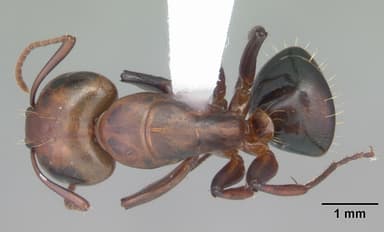
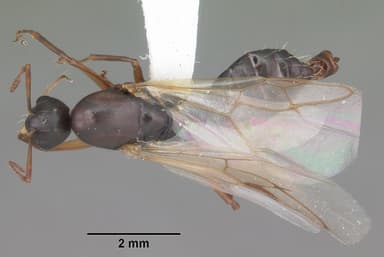
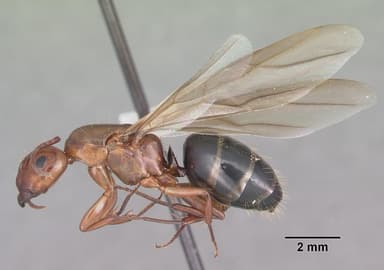
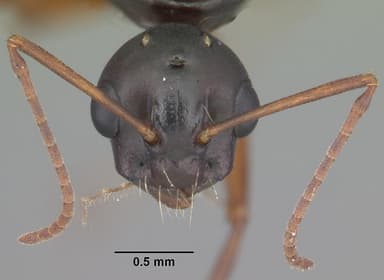
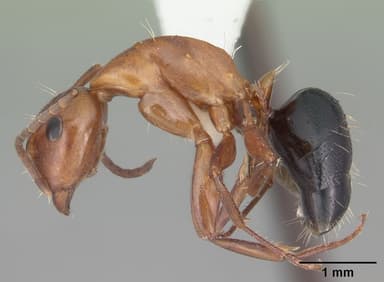
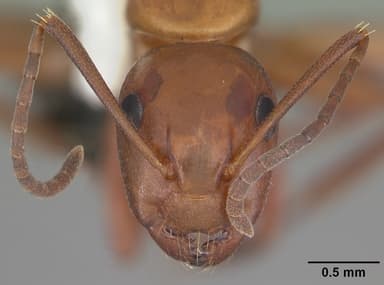
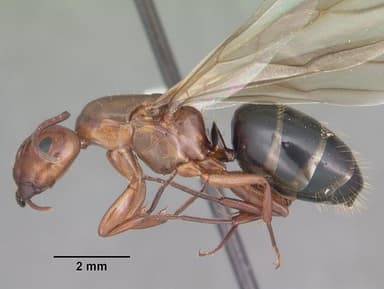
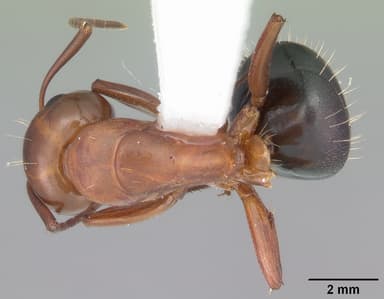
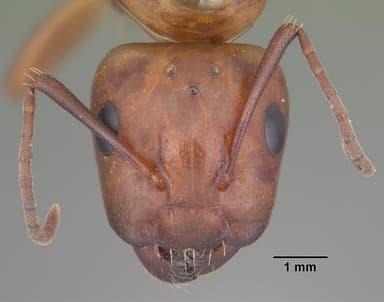
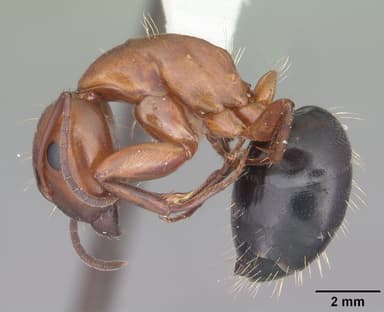
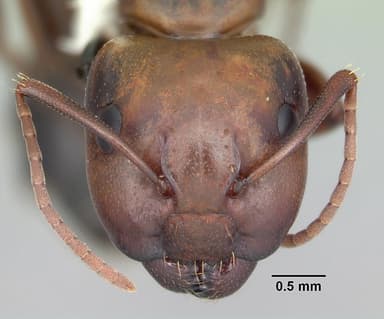
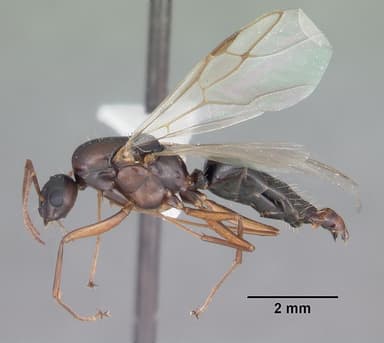
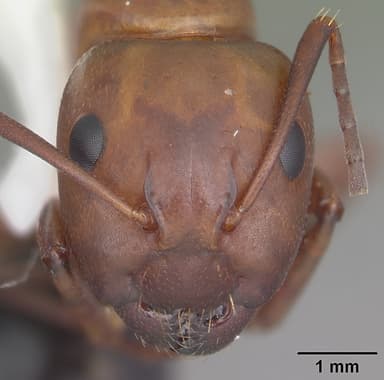
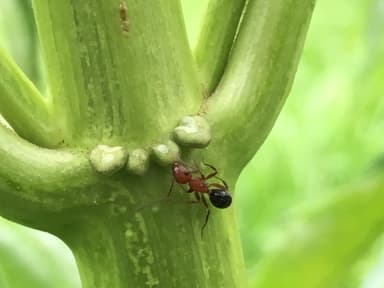
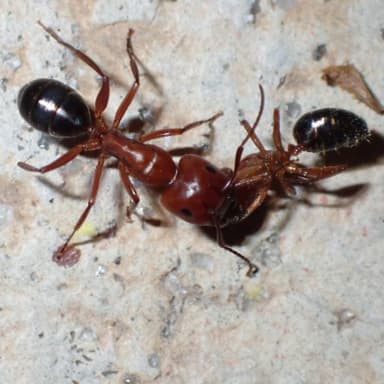
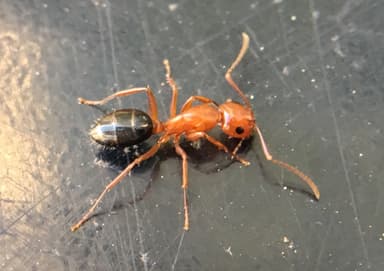
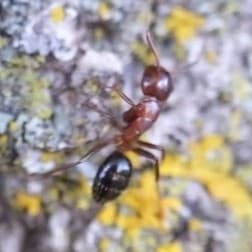
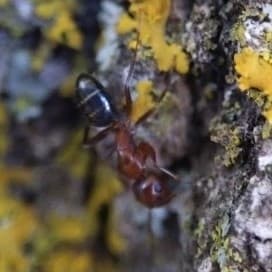
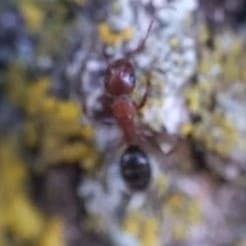
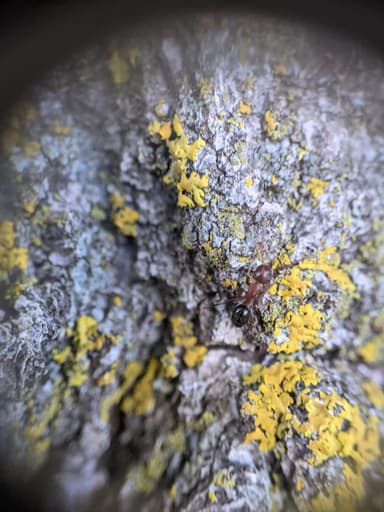
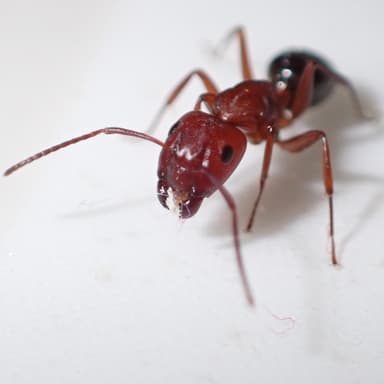
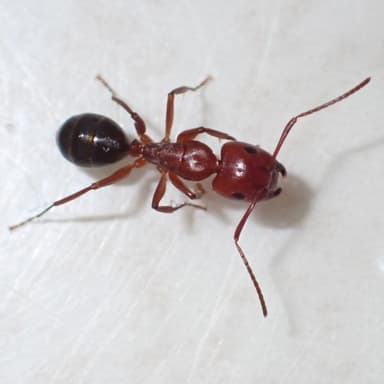
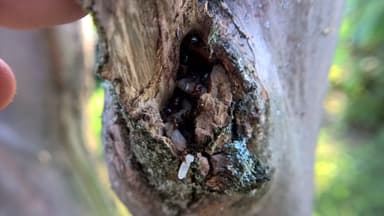
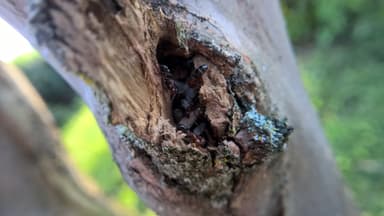
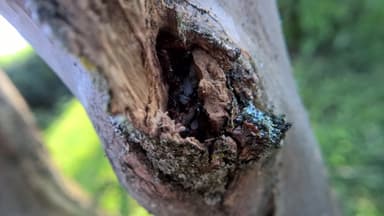
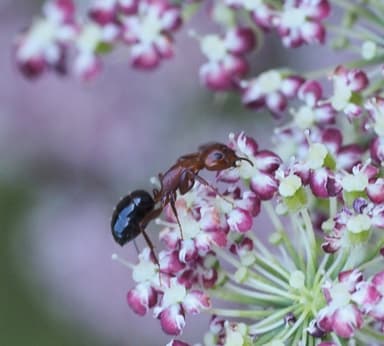
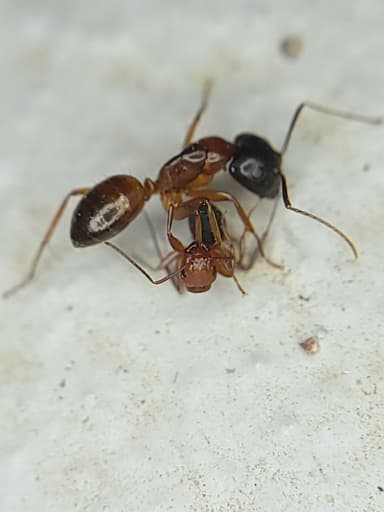
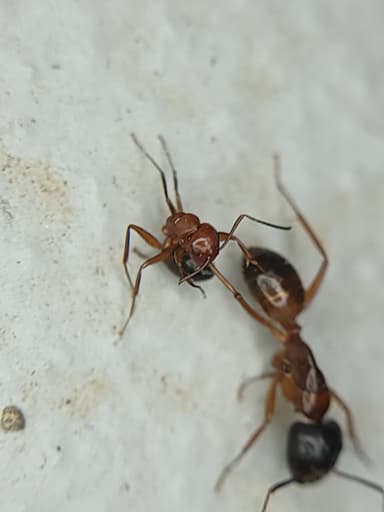
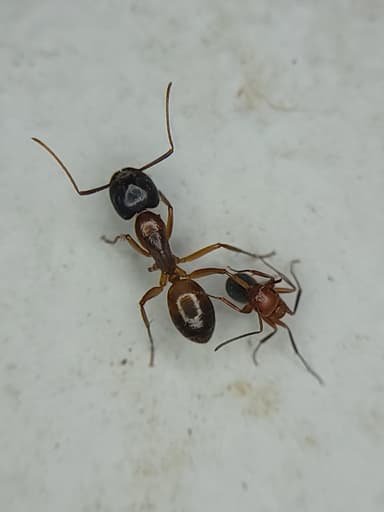
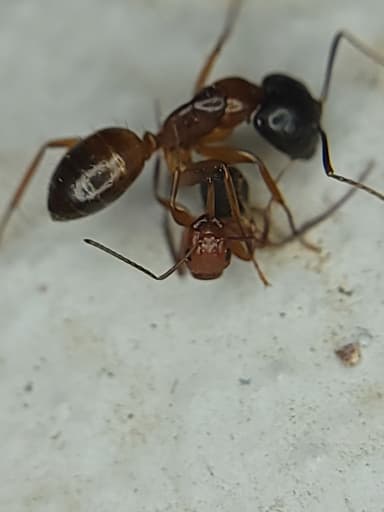
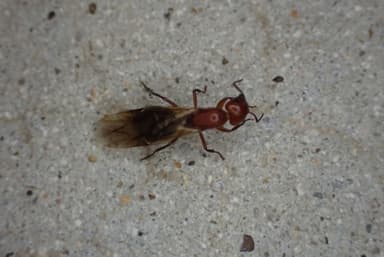
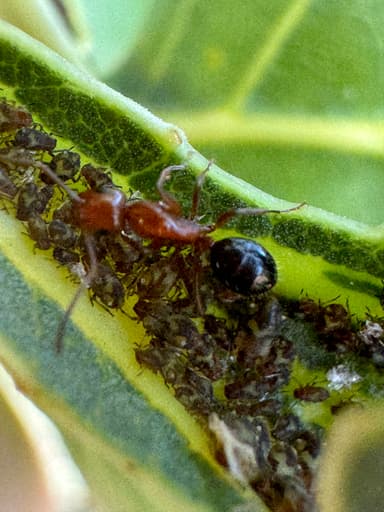
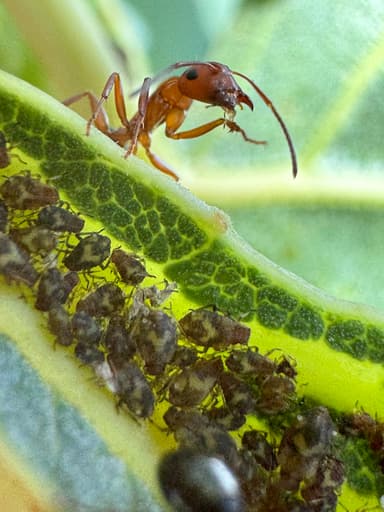
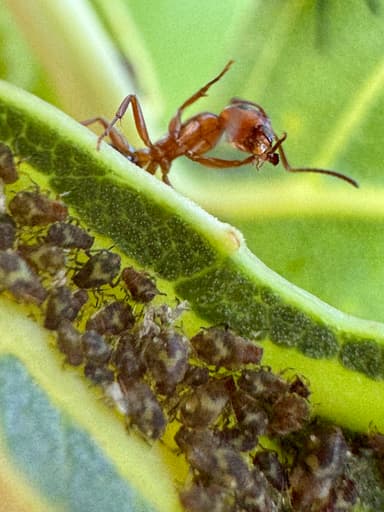
Camponotus decipiens is a captivating small carpenter ant whose range stretches across the southeastern United States, from the Gulf Coast northward to about the 40th parallel. This species, first described by Emery in 1893, belongs to the subgenus Myrmentoma and is often overlooked due to its modest size, yet it offers a remarkably manageable colony for attentive keepers. Queens measure a sturdy 11 to 14 mm, while the polymorphic workers span a dramatic 5 to 10 mm, with a distinct divide between minor and major castes. The minors are slender, amber-to-reddish-brown with a darker gaster, swift and numerous, while the majors possess noticeably enlarged, blocky heads housing powerful mandibles used for tearing food and excavating wood. In the wild, colonies nest in dead twigs, rotting logs, and sometimes under bark, reaching a maximum size of around 3,000 individuals—compact by carpenter ant standards. Their claustral founding means a single queen raises her first brood entirely from her own metabolic reserves, a process that fascinates observers from the first egg to the emergence of the initial nanitic workers. The species’ evening nuptial flights on warm, humid nights following rain, typically from May through July, add a seasonal rhythm that dedicated hobbyists can try to replicate (Mackay & Mackay 2002; Hansen & Klotz 2005).
This ant falls squarely into the intermediate care category. It is not the best choice for a complete beginner, primarily because it demands a strict hibernation period and a watchful eye on humidity. However, the colony’s contained size, claustral founding, and clear division of labor make it an excellent project for a hobbyist who has successfully kept a beginner species and now wants to engage with a temperate carpenter ant. Anyone willing to provide a dedicated cool phase and maintain moderate conditions will find C. decipiens resilient and undemanding in its day-to-day needs. The queen is relatively large and easy to observe, and the majors are a constant source of behavioral interest, from foraging to nest defense.
Housing for Camponotus decipiens should mimic the humid microclimates of its natural wood cavities without encouraging excessive condensation. A well-ventilated Ytong, plaster, or even a modular 3D-printed nest with a water tower works beautifully. Target an internal nest temperature between 21 and 28°C, with a gentle heat gradient created by placing a heating cable or mat under one end, allowing the ants to self-regulate. Relative humidity should sit between 50 and 70 percent—dry enough to prevent mold but moist enough to keep eggs and larvae from desiccating. In the foraging arena, a shallow layer of sand or coco coir provides grip and helps maintain ambient moisture. A small piece of untreated cork bark or a soft wood block placed inside the nest often stimulates natural chewing behavior and gives the ants a sense of security, though it is not required for their health. Cleanliness is paramount: remove uneaten food scraps promptly to deter mites and molds.
The diet of C. decipiens is straightforward. They require a steady supply of protein for brood development, and tiny, soft-bodied feeder insects such as fruit flies, pinhead crickets, or chopped mealworms are ideal. Offer protein two to three times per week, adjusting portions to match colony appetite. For carbohydrates, a small dab of organic honey, a sliver of ripe fruit, or a cotton ball soaked in sugar water is relished by workers and provides energy for foraging. Always provide a fresh water source in the outworld, either via a test tube setup or a small water feeder, and ensure the nest’s hydration system is topped up. A varied diet not only fuels growth but also encourages the colony to display its full range of foraging behaviors.
Hibernation is not optional for this species. From the wild records and the work of Hansen and Klotz (2005), we know that Camponotus decipiens experiences a genuine seasonal chill. The colony requires a cool rest at around 12°C for three to four months, typically from late November to early March. Introduce the cooling phase gradually by moving the nest to a cooler room over a week or two, then into a wine cooler, insulated box in an unheated space, or a dedicated precision temperature cabinet. During diapause, activity ceases, the queen stops laying eggs, and the workers cluster tightly. Keep a small water source available and check every few weeks that condensation has not flooded the nest. A proper hibernation resets the colony’s biological clock, and skipping it often leads to a gradual decline in queen vitality and brood production (Mackay & Mackay 2002).
Upon receiving a founding queen or a small colony, let them settle undisturbed in a dim, quiet space for at least 24 hours. In the first days, resist the urge to feed immediately; instead, confirm that the nest humidity is correct and that there are no escape routes. A tiny drop of honey water placed near the nest entrance on day two is usually accepted eagerly. If the queen has already produced workers, offer a single pre-killed fruit fly or a cricket leg the following day. Watch for signs of stress such as excessive pacing or refusal to use the nest, which may indicate that conditions are too dry or the nest material is chemically irritating. A healthy queen will soon settle into a corner and, if conditions are right, begin laying small clutches of eggs. Patience during this acclimation window pays enormous dividends in the long-term vitality of the colony.