Temnothorax
Temnothorax interruptus
Care Guide
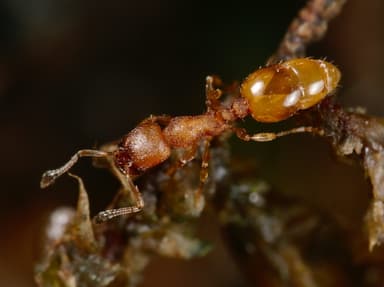
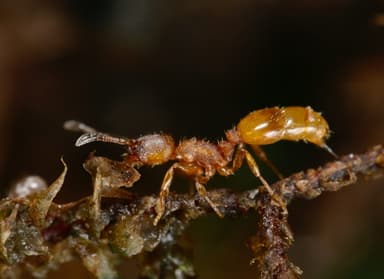
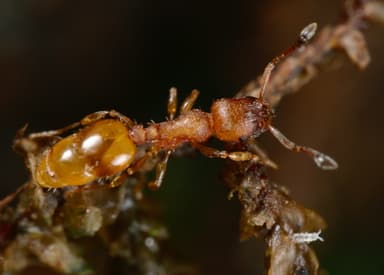
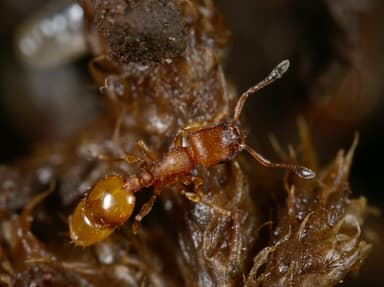
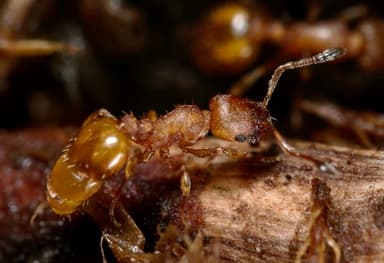
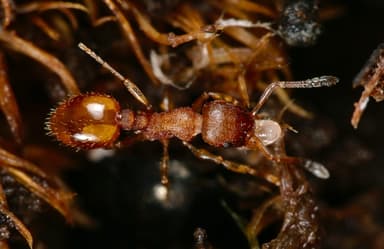
Temnothorax interruptus is a delightful species for ant keepers of all levels, and it’s especially rewarding for those just starting out. These ants are small, calm, and unassuming — the queen measures just 3.5 to 4.5 millimetres, while workers are even tinier at 2 to 3 millimetres. Despite their modest size, they form neat, well‑organised colonies of 50 to 300 workers. Founding is claustral, meaning the queen seals herself into a small chamber after mating and raises her first brood without needing to forage. This makes obtaining a young colony straightforward and low‑risk. The diet is simple: they take small insects like fruit flies or pinhead crickets, and also relish sugar water or honeydew. A balanced offering of protein and carbohydrates keeps them thriving. Importantly, Temnothorax interruptus requires a genuine winter diapause — you should plan to hibernate them at around 6°C for several months each year. This natural cycle is essential for long‑term colony health and brood production.
Care difficulty
Keeping Temnothorax interruptus is as easy as ant‑keeping gets. Their small size and modest colony numbers mean they never outgrow a modest setup, and their gentle nature makes them a pleasure to observe. They are not aggressive, rarely escape, and tolerate minor handling disturbances well — though, like all ants, they appreciate peace. The main challenge for beginners is remembering the hibernation period, but this is a simple matter of moving the nest to a cool, dark space (a fridge or cellar) during winter. With a forgiving temperature range of 18–26°C and humidity between 50–70%, they adapt readily to typical indoor conditions.
Housing
Because Temnothorax interruptus is so small, you don’t need a large formicarium. A compact nest with narrow chambers and small entry points works best — test tube setups, acrylic or plaster nests with small‑diameter tunnels are ideal. The foraging arena can be modest, but should offer a source of clean water and a feeding area. Maintain stable humidity by lightly moistening the nest substrate; a water‑filled test tube plugged with cotton provides excellent hydration. The most important housing consideration is providing a suitable hibernation site — a separate, sealable container that can be placed in a cool environment without risk of condensation or mould. Outfit the nest with a few pieces of cork bark or small stones to give the ants hiding spots and a sense of security.
First days after purchase
When your Temnothorax interruptus colony arrives, place the formicarium in a quiet, dimly lit location and leave the ants completely undisturbed for at least 24 hours. Resist the urge to inspect them — they need to acclimate after the stress of transport. After this period, offer a tiny drop of sugar water on a cotton pad and a single small insect (like a crushed fruit fly). Check that the water source is accessible and that humidity in the nest is adequate. Avoid bright lights and strong vibrations for the first week. The colony will settle quickly, and soon you will see workers calmly exploring and gathering food. Enjoy watching these tiny, efficient creatures go about their daily lives — they are a true beginner’s gem.