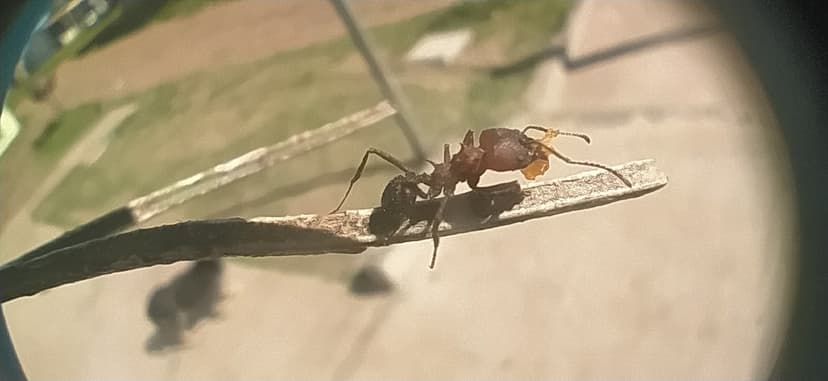
Acromyrmex
Acromyrmex heyeri
Care Guide
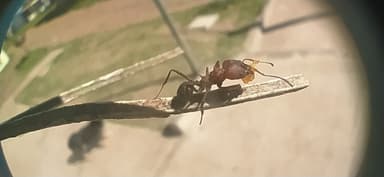
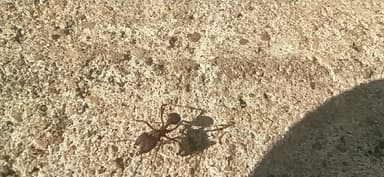
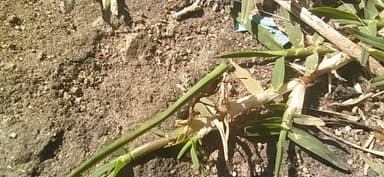
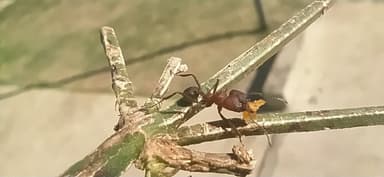
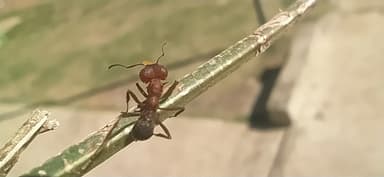
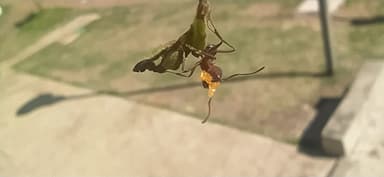
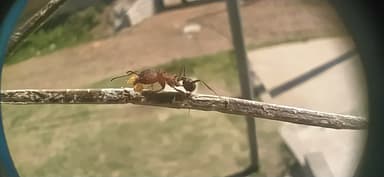
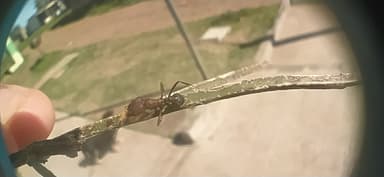
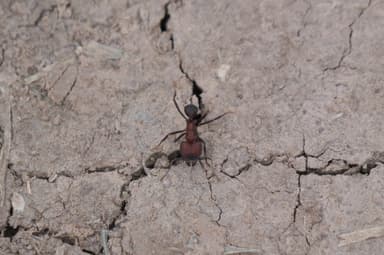
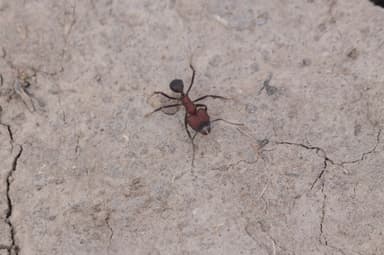
Acromyrmex heyeri is a charming and industrious leafcutter ant species, highly prized by intermediate keepers for its fascinating fungus-farming behavior. These ants are polymorphic, with workers ranging from small minims of about 2 mm up to large majors reaching 6 mm, while the queen measures a robust 10–12 mm. Unlike many seed-eating species, Acromyrmex heyeri does not directly consume the plant material it collects. Instead, workers cut leaves and other organic matter, which they carry back to the nest to cultivate a specialized fungus garden. This fungus serves as the colony’s primary food source, providing sugars and proteins in a symbiotic relationship that is both ancient and mesmerizing to observe. The queen is semi-claustral, meaning she must forage outside the nest during founding, so providing her with suitable leaf material and protein during this vulnerable stage is critical for success.
Care difficulty
Keeping Acromyrmex heyeri is rated as intermediate. While not as demanding as some larger leafcutter species, they require a stable environment with careful attention to humidity and temperature. Their reliance on a living fungus garden means any disruption—such as sudden drying, contamination, or temperature swings—can quickly lead to colony decline. They do not require hibernation, which simplifies year-round care, but they do need a varied diet that includes fresh leaves (non-toxic and pesticide-free, such as bramble, rose, or oak), along with occasional protein sources like insects or egg protein to supplement the fungus. A clean, constant supply of fresh leaf material is essential to keep the fungus thriving.
Housing
For Acromyrmex heyeri, a formicarium with good ventilation and high humidity (60–80%) is crucial. The nest should have separate chambers for the fungus garden and waste disposal, as these ants produce a distinct garbage pile. A temperature range of 24–28°C is ideal, with a slightly warmer spot near the fungus chamber to encourage growth. The foraging area must be large enough to accommodate leaf transport and should be kept clean to prevent mold. Regular misting of the nest area, but not direct soaking of the fungus, helps maintain moisture. Use a substrate that holds humidity without becoming waterlogged, such as a clay-loam mix or plaster. Avoid vibrations and bright light near the nest—these ants are sensitive and stress easily, especially during early colony growth.
First days after purchase
Upon receiving your Acromyrmex heyeri colony, allow it to settle in a quiet, dark location for several days. Minimize opening the nest or disturbing the queen. Ensure the fungus garden is intact and moist; if it looks dry, gently add a few drops of water to the surrounding substrate. Provide a small supply of fresh leaves and a sugar water source for the queen if she is foraging alone. Observe from a distance to confirm that workers are tending the fungus and cutting leaves. Keep disturbance to an absolute minimum—any sudden shock can cause the colony to abandon the fungus or the queen to become overly stressed. Patience pays off; once the fungus establishes and the first workers emerge, your colony will reward you with a window into one of nature’s most sophisticated agricultural systems.