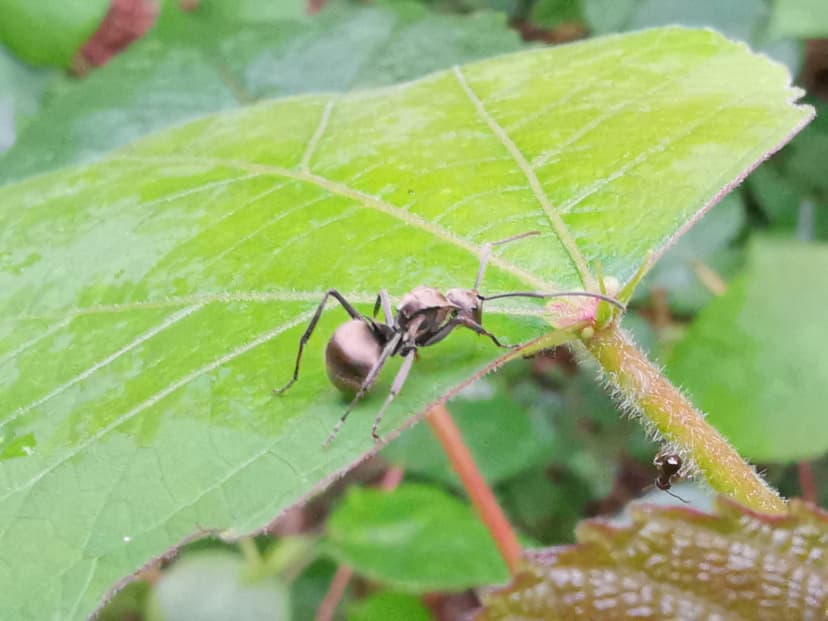
Polyrhachis
Polyrhachis illaudata
Nuptial Flight Calendar
Flight months: May, Jun, Jul, Aug, Sep
Care Guide
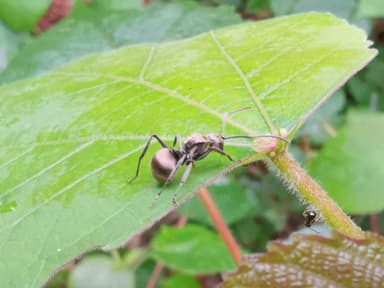
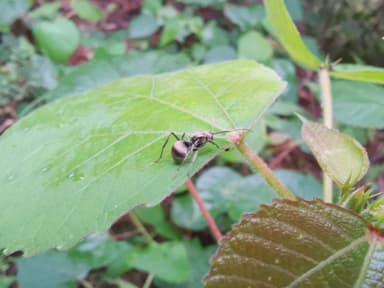
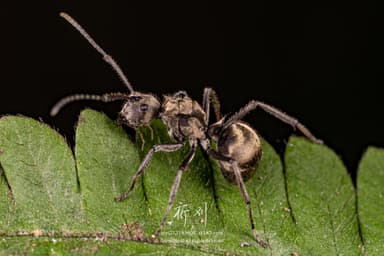
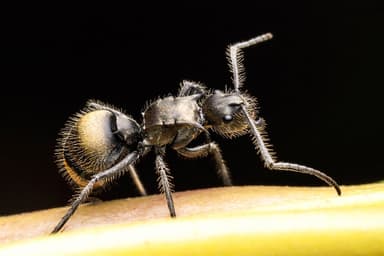
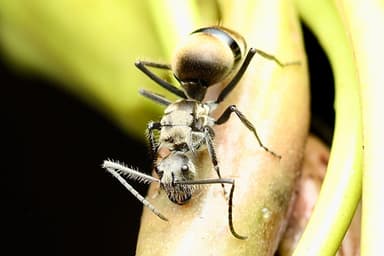
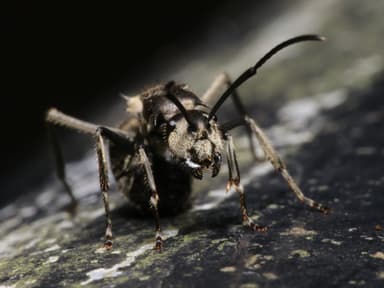
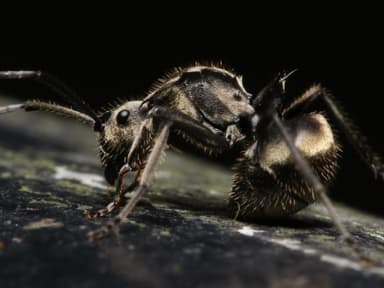
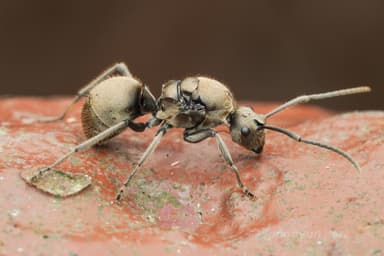
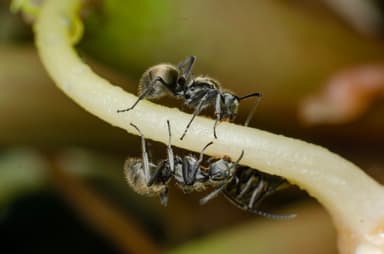
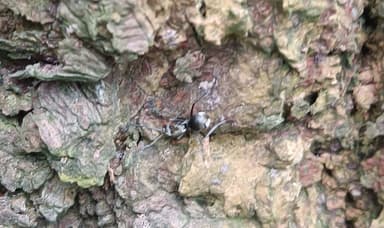
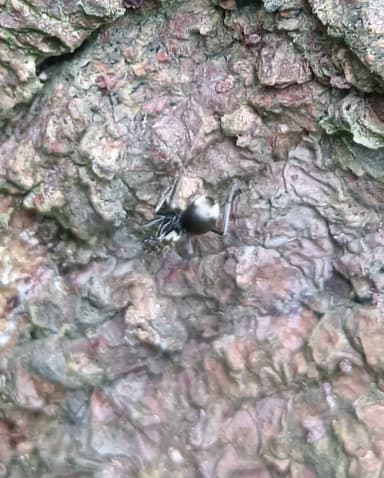
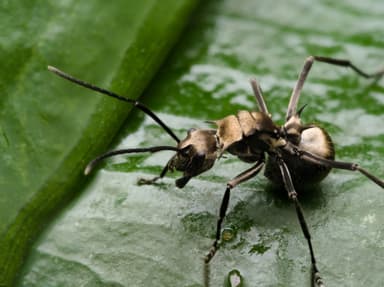
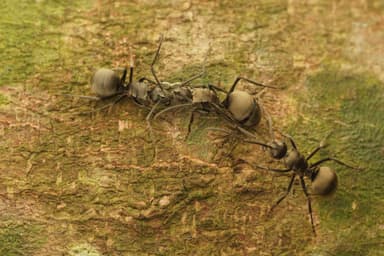
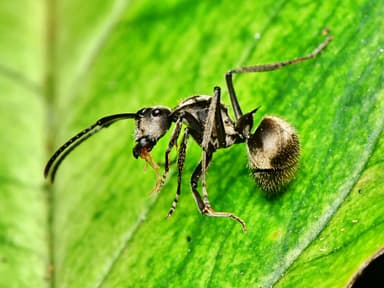
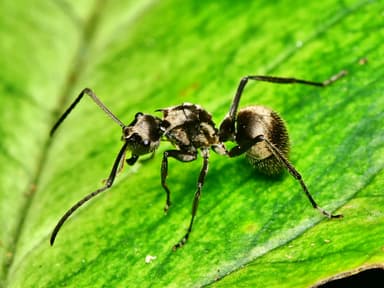
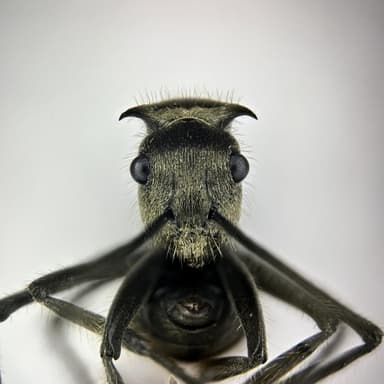
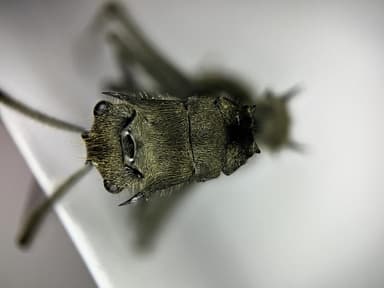
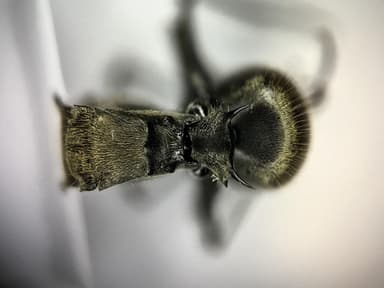
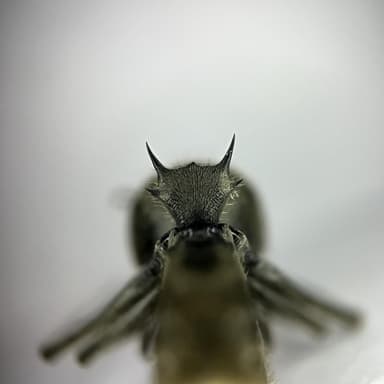
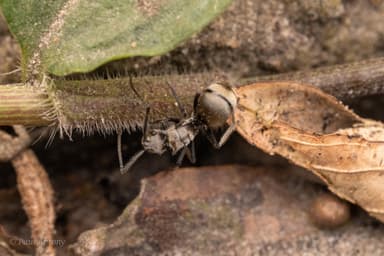
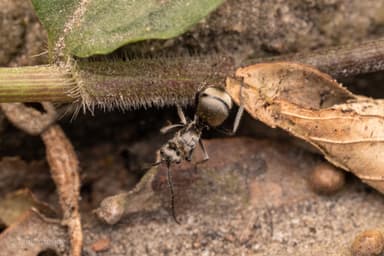
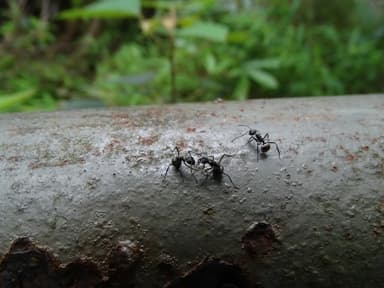
The imposing, spiny-backed ant Polyrhachis illaudata, described by Walker in 1859, is a true jewel of the Asian tropics, ranging from the humid lowlands of India and Sri Lanka eastward through southern China and into the Indonesian archipelago. Queens measure a substantial 13 to 15 millimetres, while their monomorphic workers fall between 9 and 11 millimetres, all cloaked in a sleek, black cuticle that often shimmers with a subtle bronze or reddish iridescence under proper lighting. Colonies can eventually grow to around 3,000 individuals, a manageable yet socially complex population that rewards patient observation. What truly sets this species apart, however, is not just its size but its extraordinary nesting strategy. Unlike many common captive ants that burrow in soil, P. illaudata is an arboreal weaver, using its larvae’s silk to bind together plant debris, dead leaves, and wood fibres into elaborate, suspended carton nests high in the canopy (Robson & Kohout 2007). This natural history not only makes it a captivating display species but also challenges keepers to replicate the vertical, fibrous environment it demands.
With a care difficulty ranked as intermediate, this ant is best suited to keepers who have already successfully raised a simpler claustrally founding species and are comfortable maintaining precise microclimates. While P. illaudata forgives minor fluctuations, it thrives only within a temperature band of 22 to 28°C and a relative humidity of 60 to 80 per cent, and it lacks any diapause period, meaning the colony remains fully active year-round. Beginners may find the upkeep of such conditions and the ants’ rapid, almost skittish movement a steep learning curve, but for the intermediate hobbyist, the reward is an endlessly fascinating, diurnal forager that actively scouts its outworld and engages in intricate nest-building behaviour. The lack of hibernation simplifies seasonal planning, yet it also demands constant warmth, typically supplied by a small heat mat placed against one side of the nest to create a thermal gradient, allowing workers to self-regulate.
Housing Polyrhachis illaudata successfully means thinking vertically. A tall, well-ventilated arboreal formicarium is essential; designs incorporating a glass or acrylic viewing panel with a framework of cork bark, bamboo tubes, or wooden dowels work well, as they mimic the branches and twigs the ants naturally traverse. To encourage their signature weaving, provide an abundance of nesting materials such as shredded coconut husk, dried leaf litter, and small wood splinters. The ants will diligently process these, using larval silk to craft a porous, chambered nest that often fills the gap between a cork slab and the viewing glass. Maintain the humidity with regular, light misting—never soaking—and a water-filled test tube or a moated foraging arena to prevent drowning. A thin layer of clay or sand on the floor is optional but useful for absorbing excess moisture; however, avoid deep soil as these ants rarely excavate substantially. Because P. illaudata is an excellent climber and escape artist, a thoroughly sealed fluon or PTFE barrier is non-negotiable on all enclosure edges.
A balanced diet drives the colony’s growth and vitality. In the wild, these ants are voracious scavengers and active hunters, so offering a mix of protein and carbohydrates is key. Small live or pre-killed insects—fruit flies, small crickets, chopped mealworms—should be provided two to three times a week, moving to smaller, softer prey when the colony is young to avoid overwhelming the first nanitic workers. For carbohydrates, dilute honey, maple syrup, or a commercial ant nectar fed on a small dish or soaked sponge will be lapped up eagerly; fresh slices of apple or banana also supply both sugars and water. Ensure a clean water source is always available, either via a test tube setup or a water-filled cotton wick in the outworld. Remove uneaten food after 24 hours to prevent mould, which can quickly overwhelm the humid, warm environment these ants require and spoil their intricate silk nests.
A happy benefit of keeping this species is the complete absence of a mandatory hibernation period. Colonies remain fully active all year as long as temperatures are maintained, allowing you to enjoy their feeding raids and nest expansions without a winter lull. That said, a slight natural dip of a few degrees at night is harmless and may even encourage a more robust circadian rhythm. The founder is fully claustral, so a freshly mated queen needs only a dark, small tube with a water reservoir and peace; she will not require food until her first workers emerge roughly six to eight weeks later. During this founding phase, disturbance is the greatest threat—check on her no more than once a week, and keep vibrations to a minimum. Once the first tiny workers appear, offer a minute drop of honey and a fruit fly segment, then leave them to settle for several more days before attempting any major habitat upgrade. If you are receiving an established young colony, introduce it to its new arboreal home as gently as possible. Darken the nest area, maintain optimal humidity, and observe for the first 48 hours. Look for workers venturing out, carrying materials, or clustering together—all signs of acceptance. If instead you see the queen ceaselessly pacing or workers refusing to leave the old tube, the nest microclimate may need adjustment. Patience, meticulous climate control, and a willingness to tinker with nest materials will set you on a path to raising one of the most architecturally gifted ants in the hobby, a living testament to the silk-weaving marvels of the genus Polyrhachis (Dorow 1995).