Polyrhachis
Polyrhachis femorata
Nuptial Flight Calendar
Flight months: Jan, Feb, Oct, Nov, Dec
Care Guide
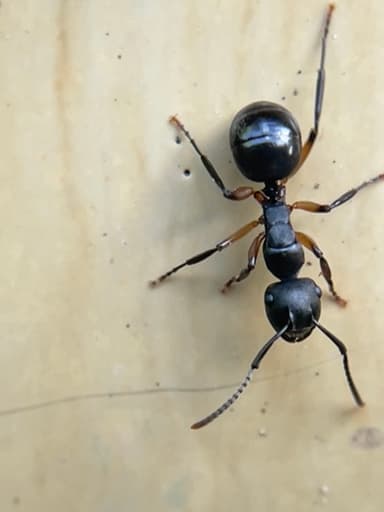
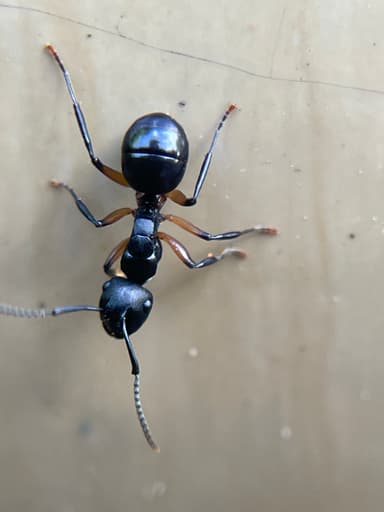
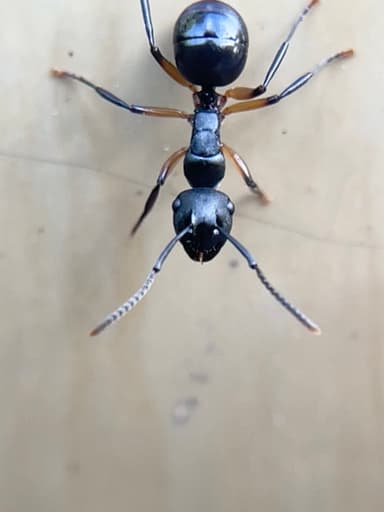
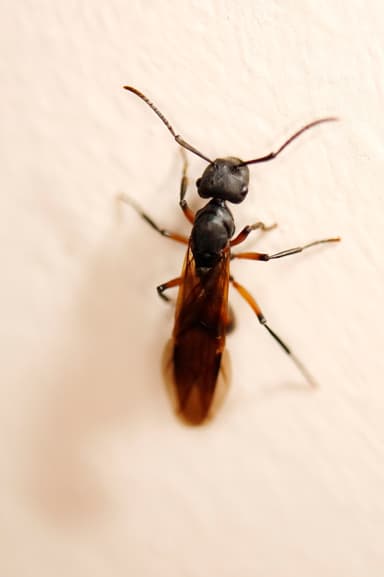
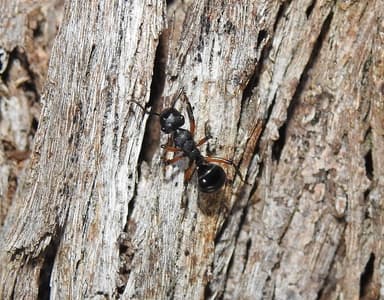
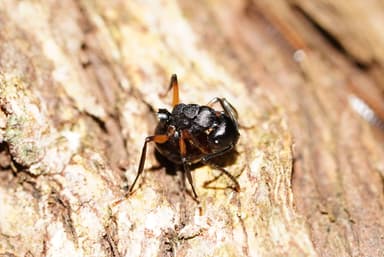
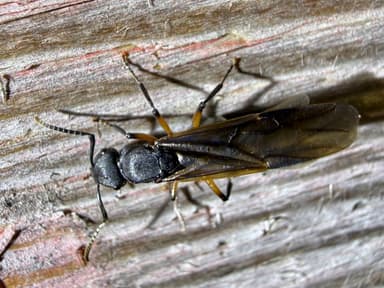
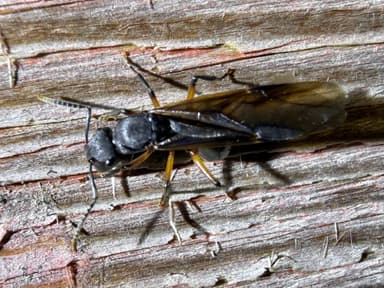
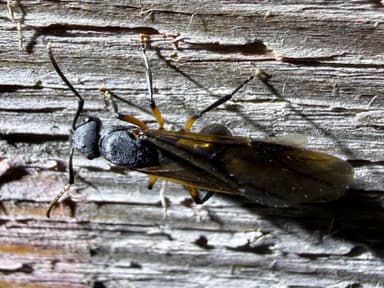
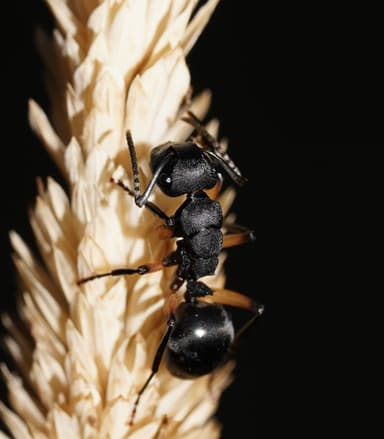
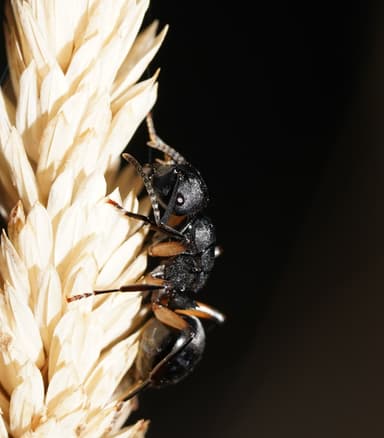
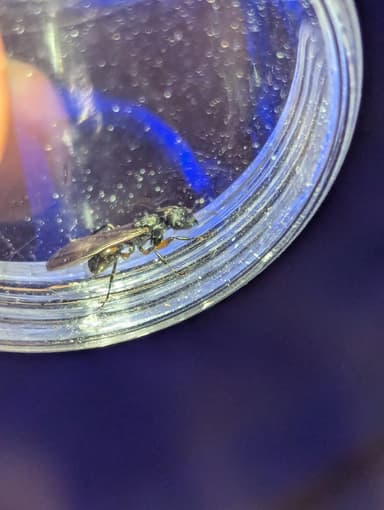
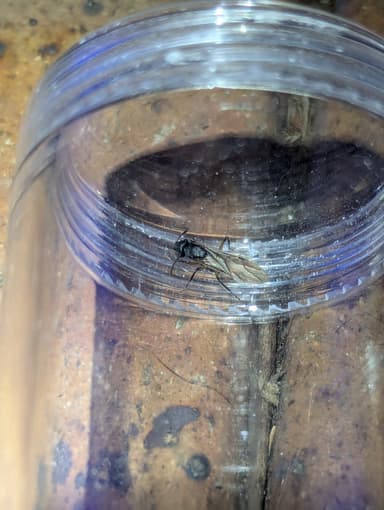
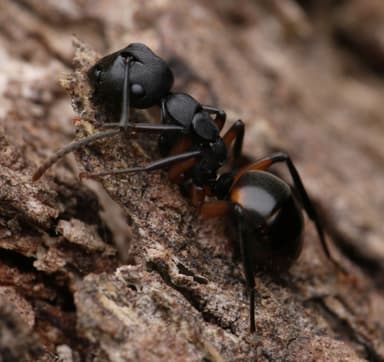
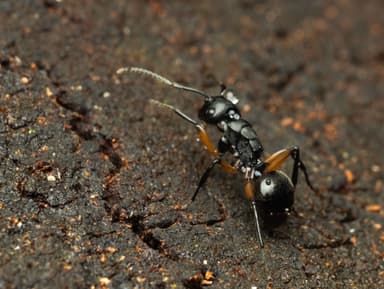
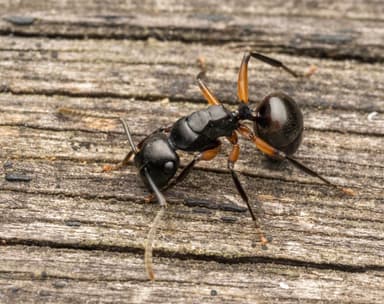
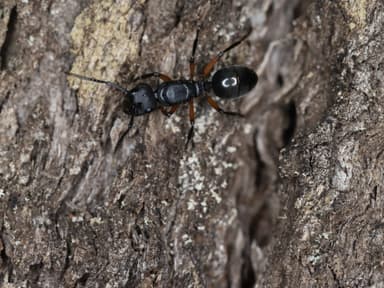
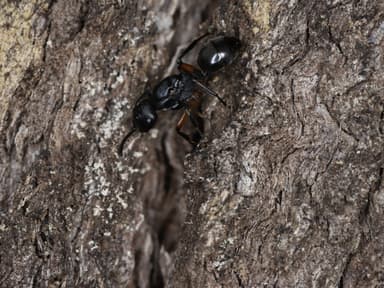
The Polyrhachis femorata ant, a striking member of Australia’s iconic spiny ant genus, is a captivating species for the intermediate keeper. Queens measure a robust 8 to 10 millimetres, while their monomorphic workers range from 6 to 8 millimetres, the colony eventually growing to as many as 3,000 individuals. True to the genus, these ants boast a sculptured, often metallic exoskeleton armed with sharp thoracic and petiolar spines, giving them a fierce yet elegant appearance. They are a fully claustral species, meaning a newly mated queen raises her first brood entirely from her own body reserves, never needing to leave the safety of her founding chamber. In the wild, nuptial flights occur across much of eastern and southern Australia between October and February, triggered by warm, humid conditions after rainfall (Kohout 2013). This native range, spanning latitudes from tropical Queensland to the temperate south, informs their environmental needs and cements their reputation as rewarding, if somewhat demanding, captives.
Rated intermediate in care difficulty, P. femorata suits hobbyists who have already succeeded with other claustral species and are comfortable managing stable temperature and humidity. Their moderate colony size and active nature mean they outgrow small founding setups more quickly than many temperate ants, and their skilful climbing—facilitated by humid conditions—demands escape-proof housing from the start. However, their ceaseless activity, fascinating nest-building behaviours (which often involve weaving plant fibres and silk into gallery walls), and lack of a hibernation period offer an immersive year-round display that richly rewards the attentive keeper. Beginners may find the precise humidity control a hurdle, but anyone with six months or more of general ant-keeping experience will find this species a deeply engaging challenge.
Housing must mirror the open woodlands and scrub that P. femorata naturally inhabits. A vertical or semi-vertical formicarium made of glass or acrylic with a well-ventilated lid is ideal; a grout, cork, or sand-clay interior gives the ants purchase for their silk-strengthened galleries. Maintain the nest at 22–28°C using a low-wattage heating mat placed to create a gentle gradient, allowing the ants to thermoregulate. Humidity is critical and must sit reliably between 60% and 80%—too little dries out the brood, while excess promotes lethal mould. A mix of coconut coir and fine sand as a substrate, dampened in sections, retains moisture well; daily light misting and a cotton-plugged water tube inside the nest usually suffice. The foraging outworld must have a tight-fitting lid and a band of PTFE- or fluon-based barrier, as these ants become exceptionally adept climbers when humidity rises. Keep the outworld sparsely decorated with dry twigs or a small branch to offer natural climbing opportunities away from the nest.
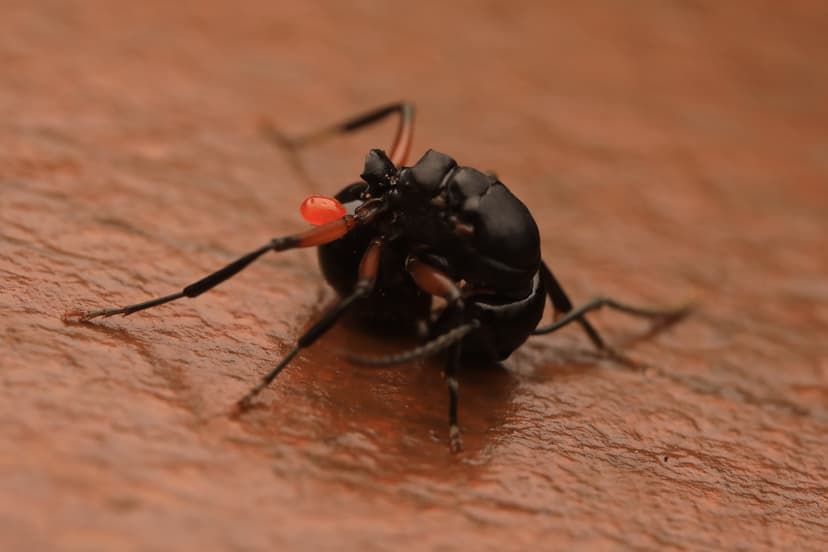
These ants are enthusiastic foragers with a broad diet in the wild, taking small invertebrates, nectar, and honeydew. In captivity, provide high-quality protein like chopped crickets, mealworms, or fruit flies two to three times per week. For carbohydrates, a dab of sugar water, diluted honey on a slip of foil, or thin slices of sweet apple are all eagerly accepted; many keepers supplement with a commercial ant nectar for consistency. Clean water must always be available through a moist cotton wick or a small water tower. Remove uneaten protein after a day to prevent spoilage, and adjust portion sizes as the colony grows to avoid attracting pests. A healthy, well-fed colony displays constant foraging trails and vibrant brood piles.
P. femorata requires no hibernation whatsoever. While wild colonies may experience seasonal cooling, they do not enter diapause, and captive colonies should be kept at stable, warm temperatures all year. This uninterrupted activity cycle simplifies scheduling and allows you to enjoy the colony’s full behavioural repertoire—including brood production, foraging, and nest modification—through every season.
When your ants first arrive, patience is essential. For a newly mated queen in a test tube, place her undisturbed in a dim, warm spot for at least a week; she needs no food until the first nanitic workers emerge, at which point a tiny drop of sugar water and a pinhead-sized insect piece can be offered. If you have purchased a small colony with workers, connect their travel container to the prepared nest and allow them to move at their own pace, which often takes several hours. After 24 hours, place a tiny carbohydrate source near the entrance and a minuscule piece of protein, then minimize disturbance. Watch for signs of stress—workers constantly racing or clustering far from brood often indicates incorrect humidity or temperature. With gentle, steady conditions, the queen will settle into egg-laying and the workers will soon begin constructing the silk-lined chambers that make Polyrhachis femorata such a mesmerising companion.