Myrmecia
Myrmecia nigrocincta
Nuptial Flight Calendar
Flight months: Jan, Feb, Oct, Nov, Dec
Care Guide
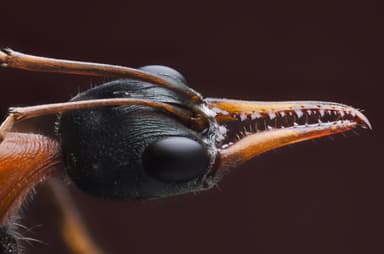
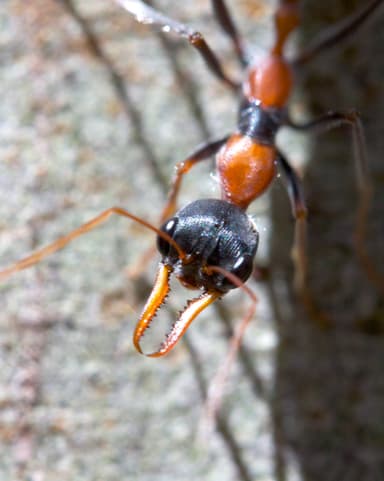
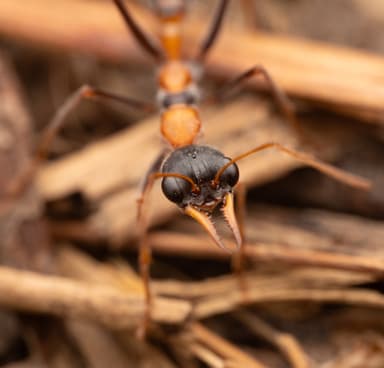
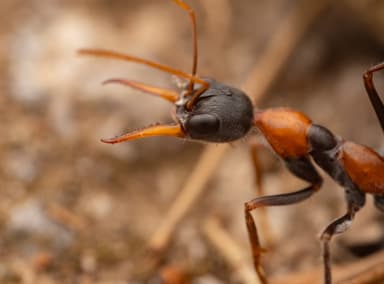
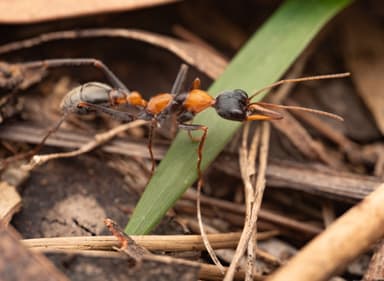
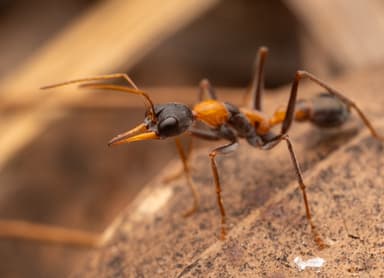
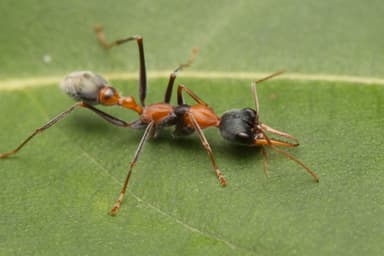
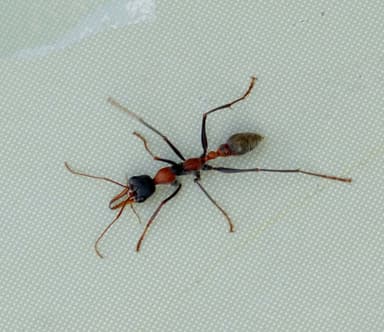
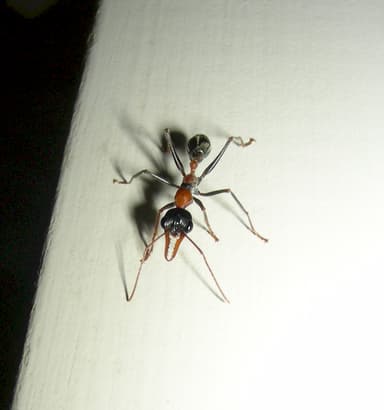
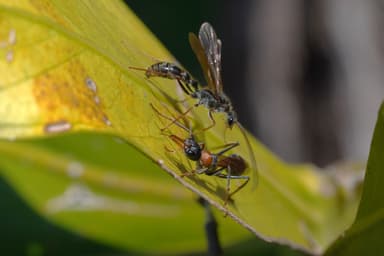
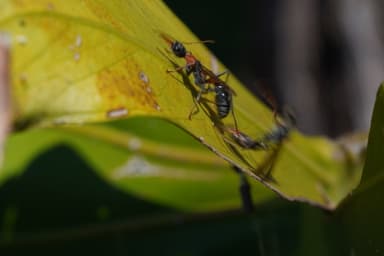
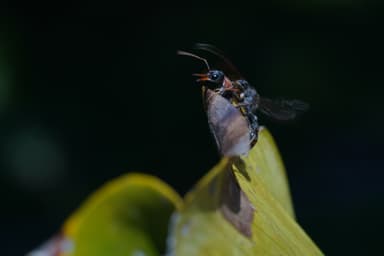
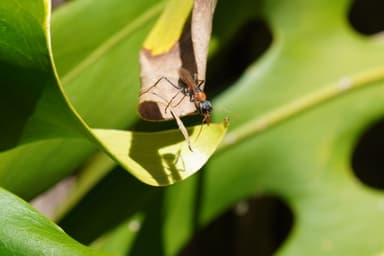
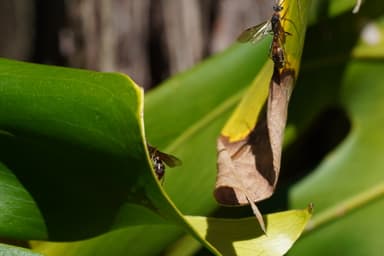
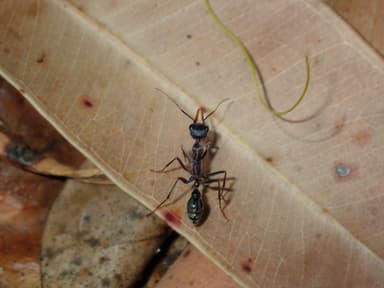
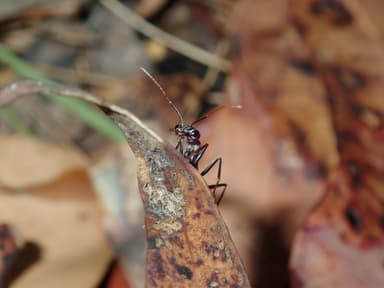
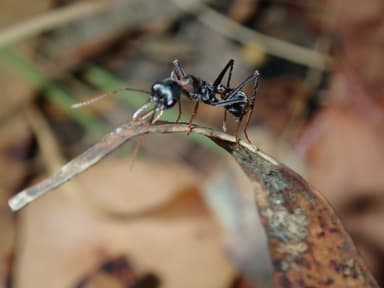
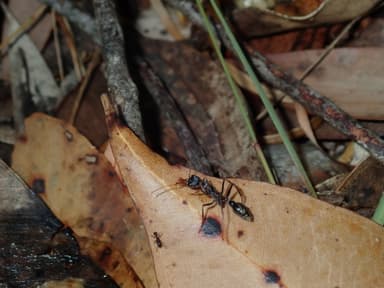
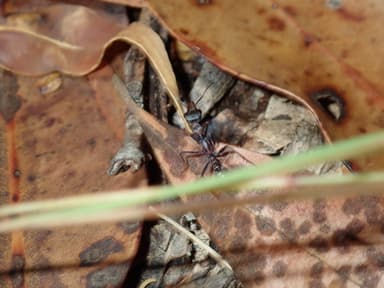
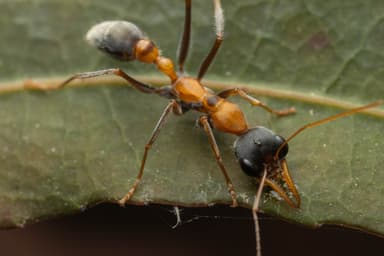
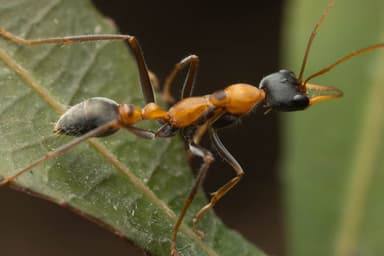
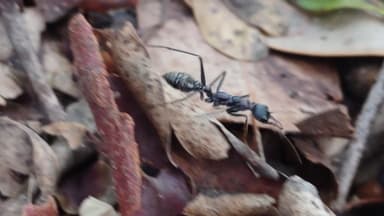
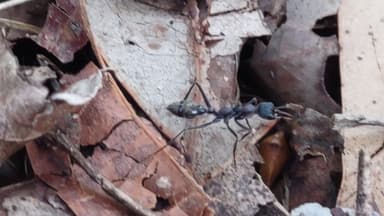
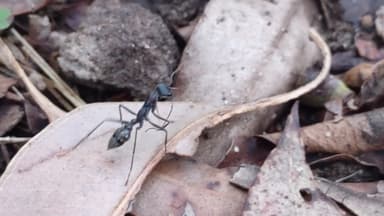
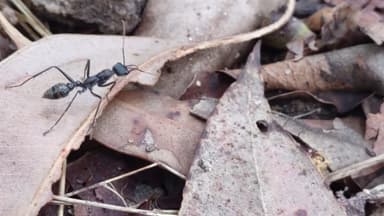
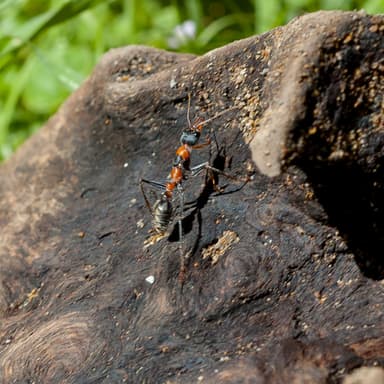
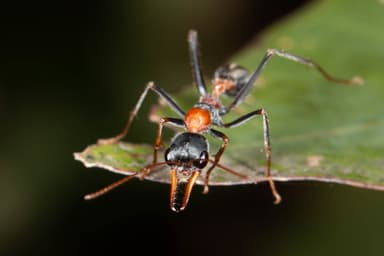
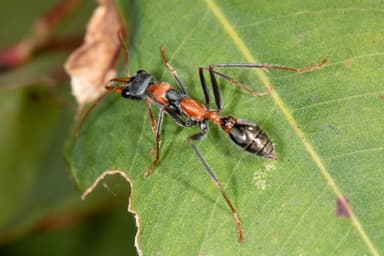
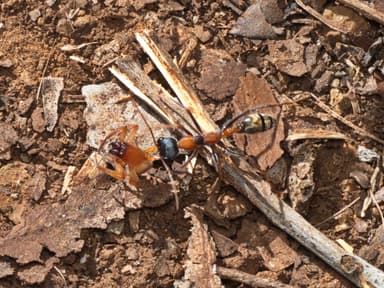
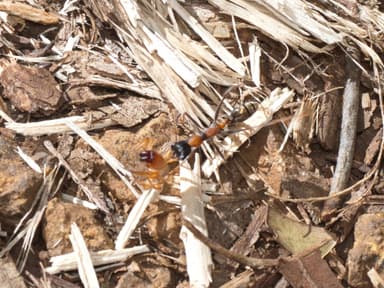
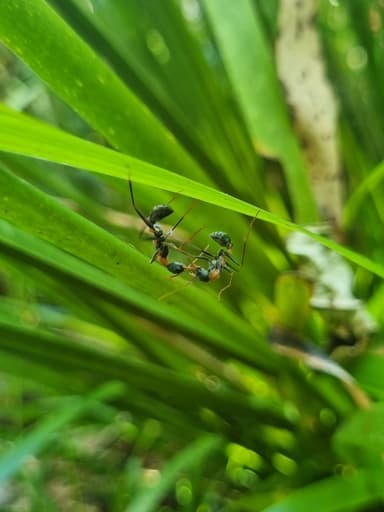
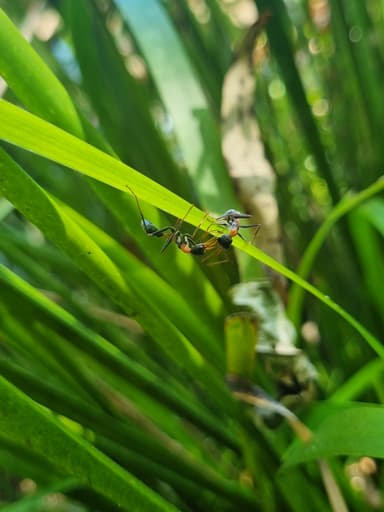
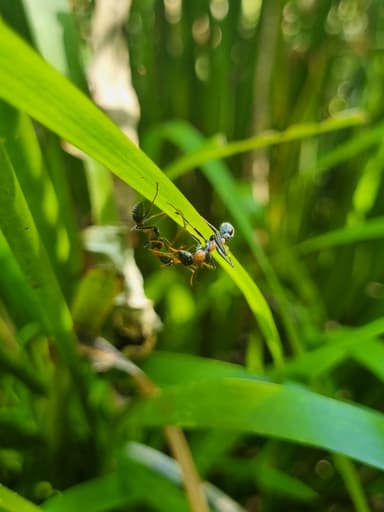
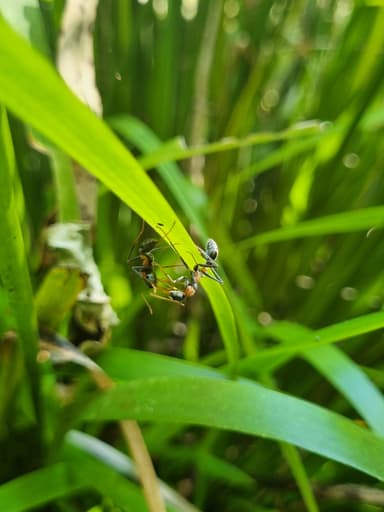
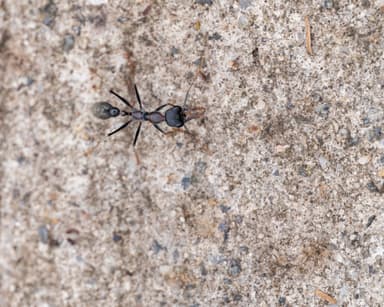
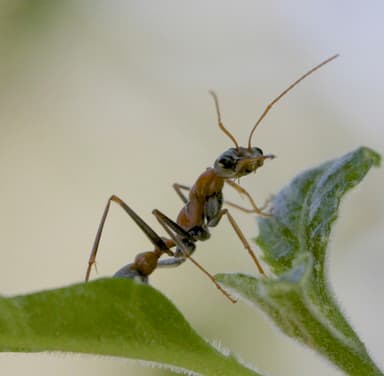
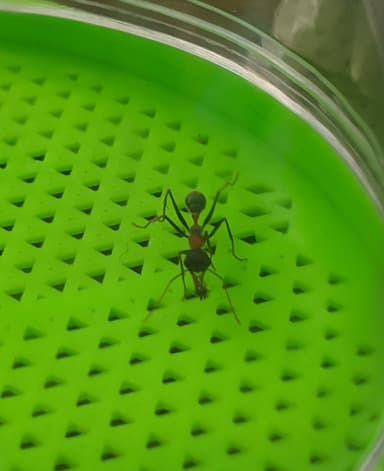
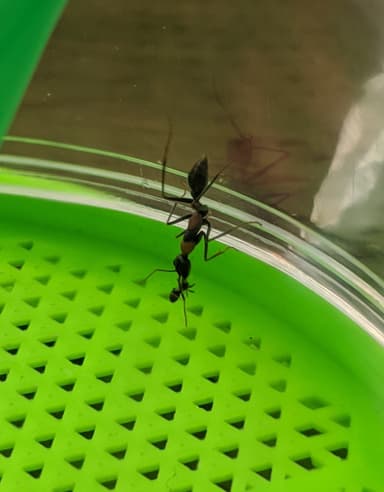
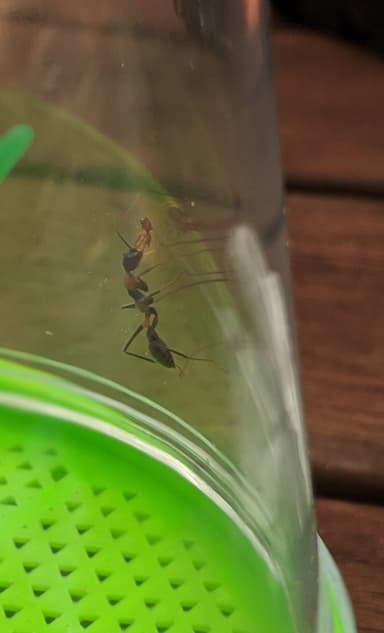
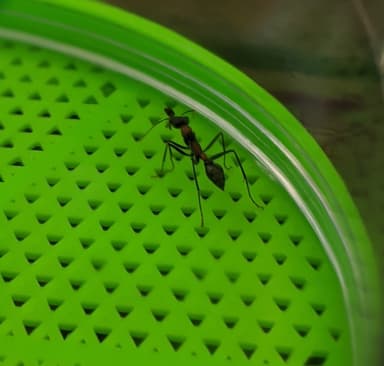
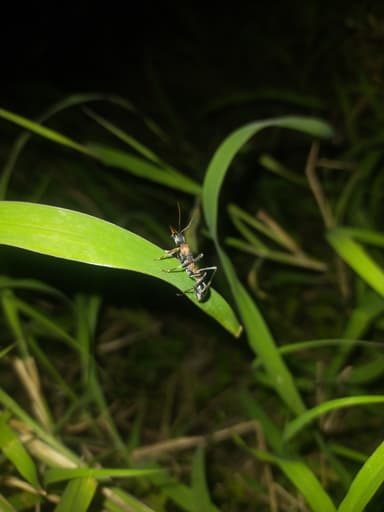
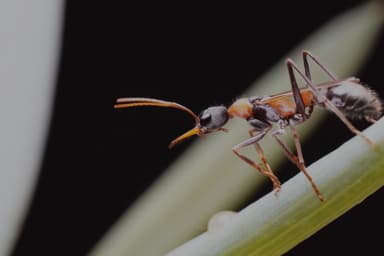
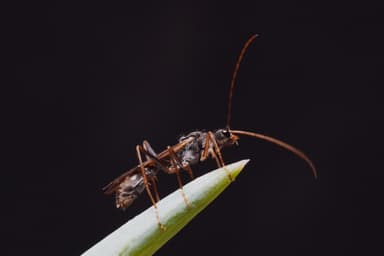
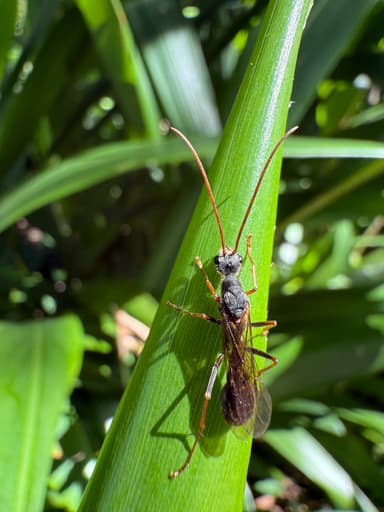
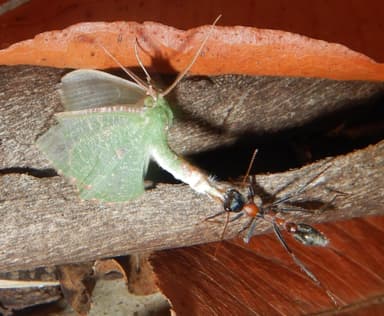
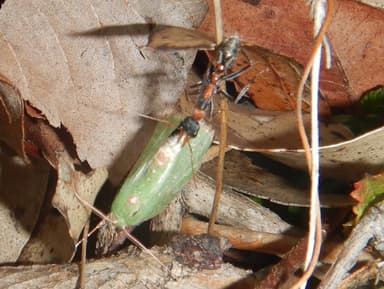
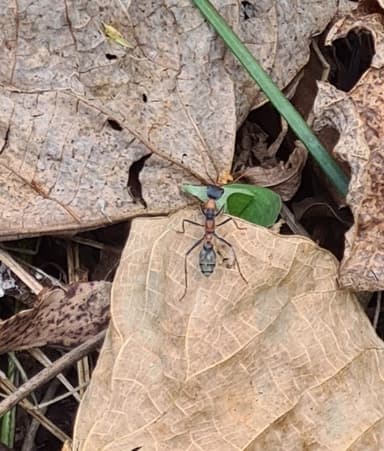
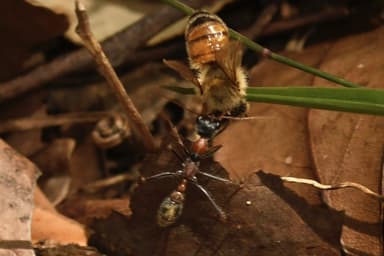
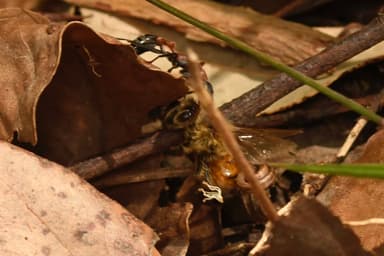
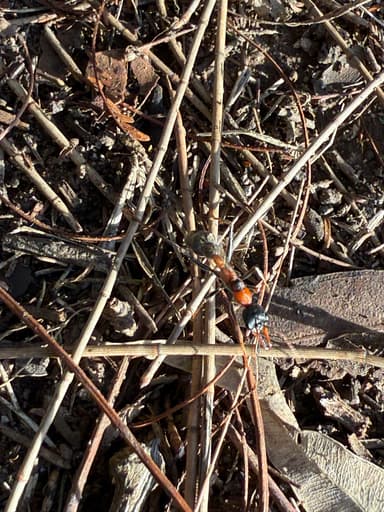
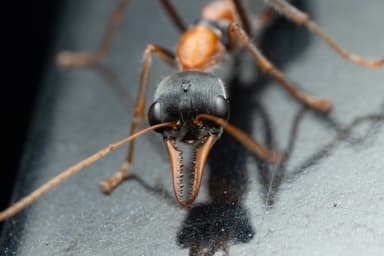
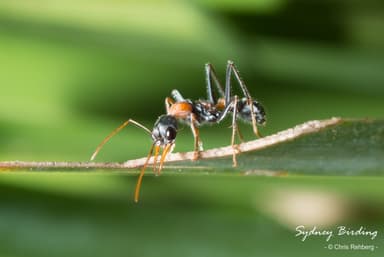
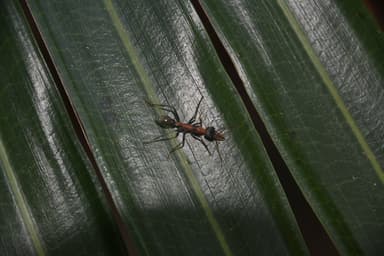
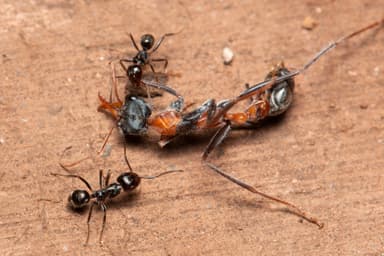
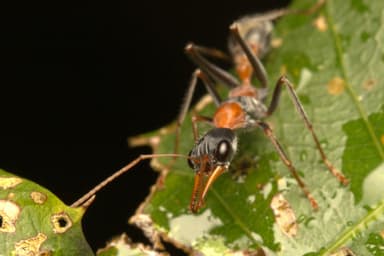
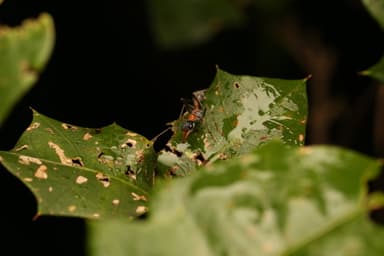
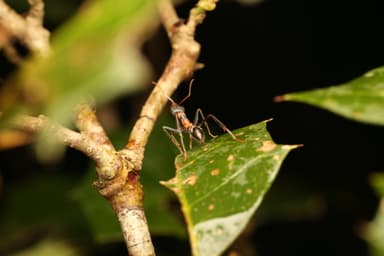
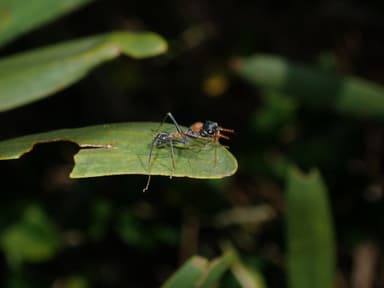
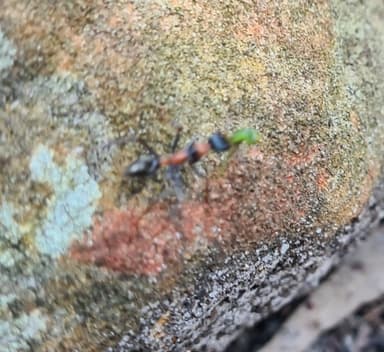
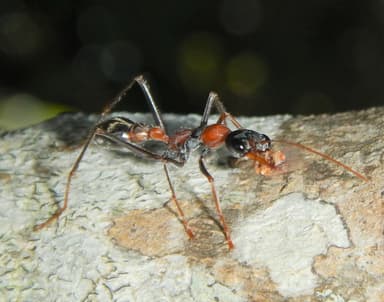
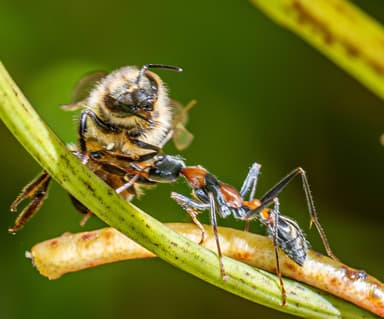
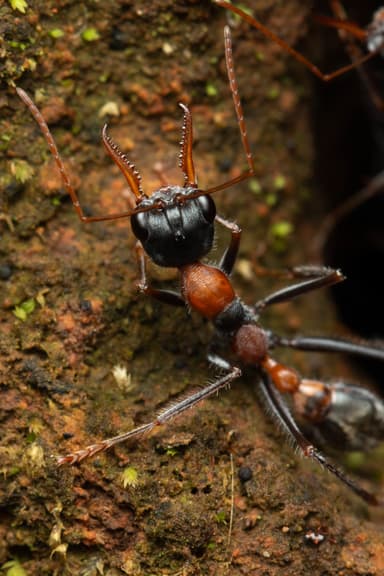
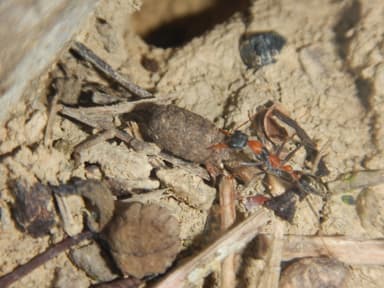
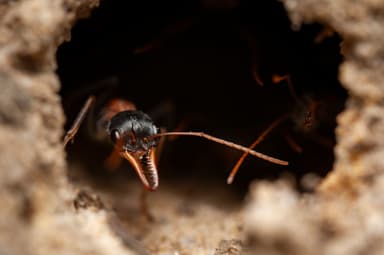
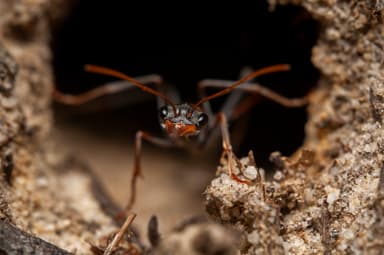
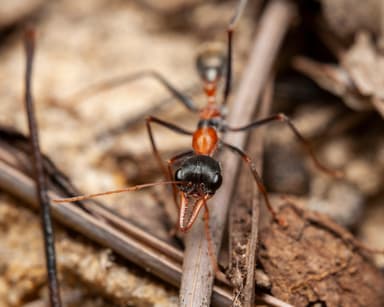
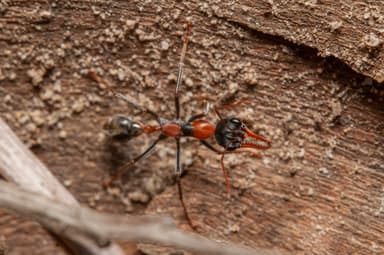
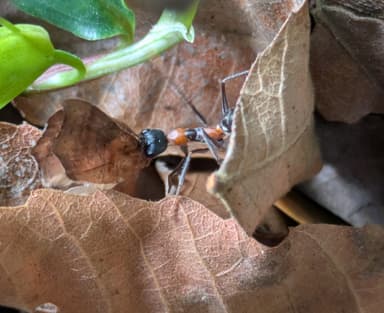
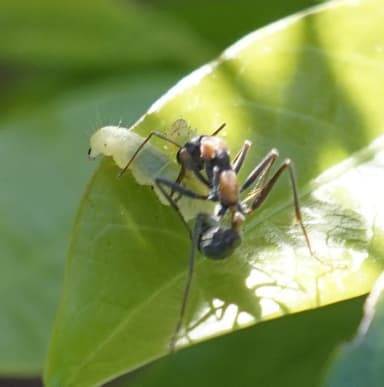
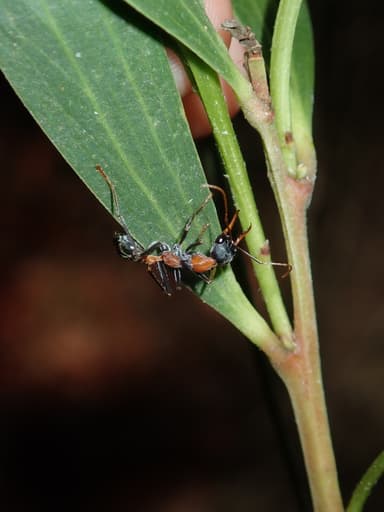
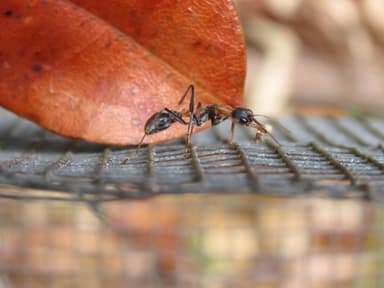
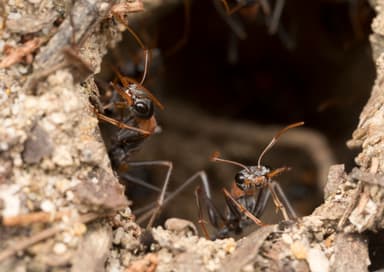
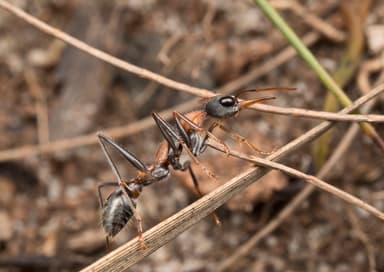
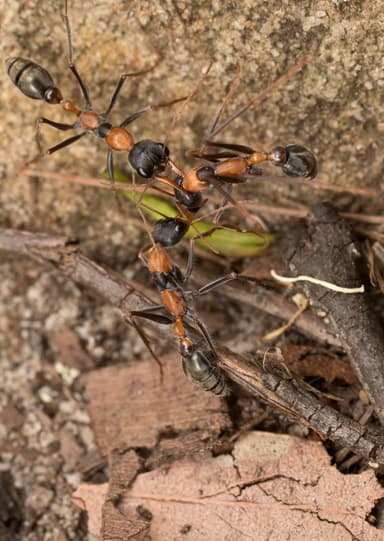
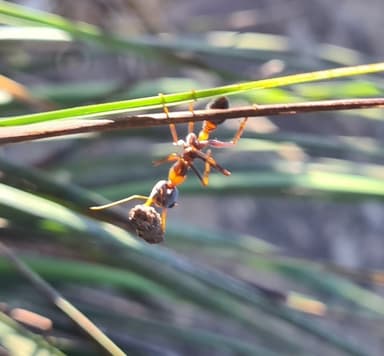
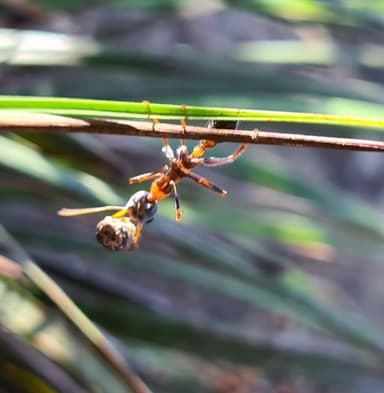
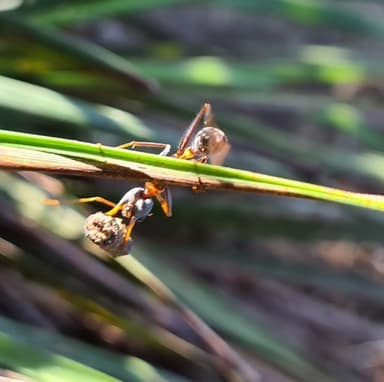
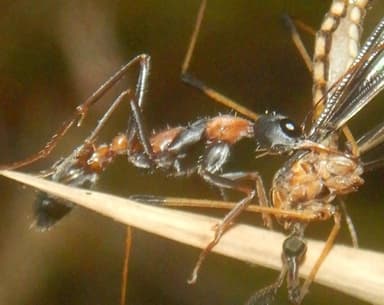
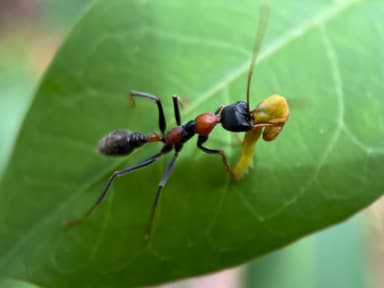
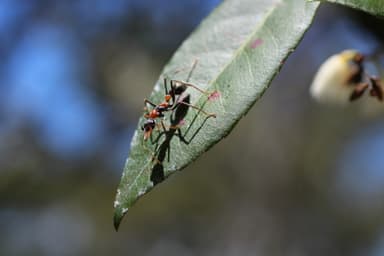
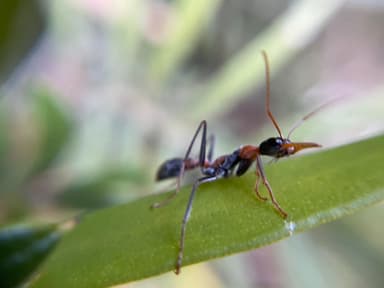
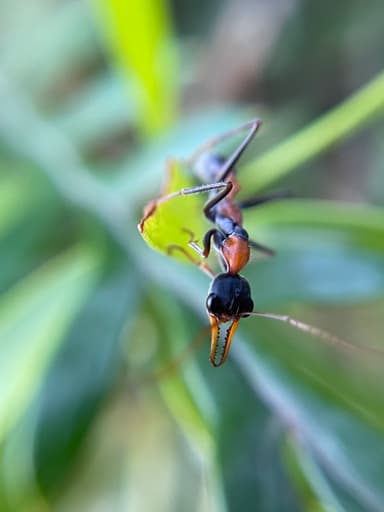
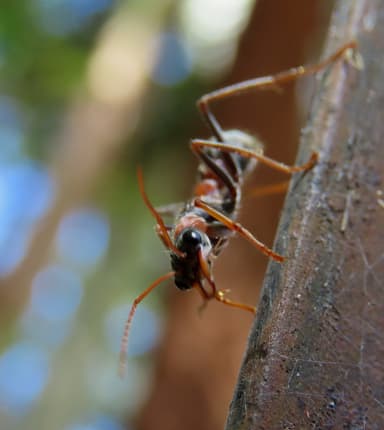
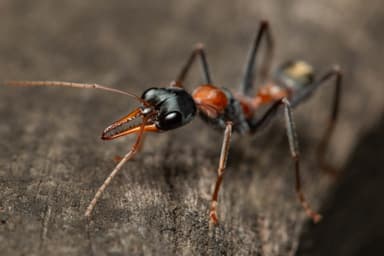
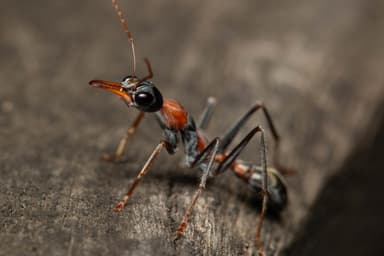
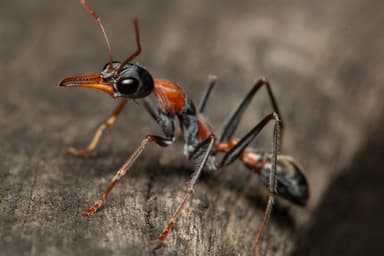
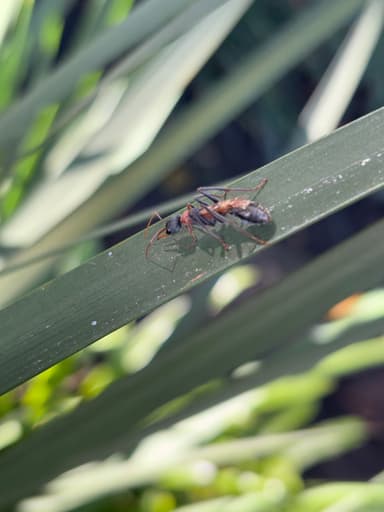
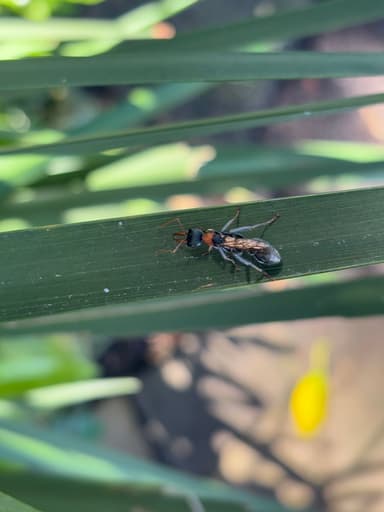
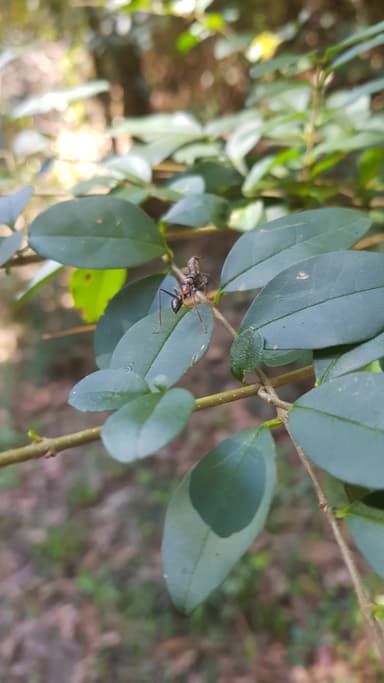
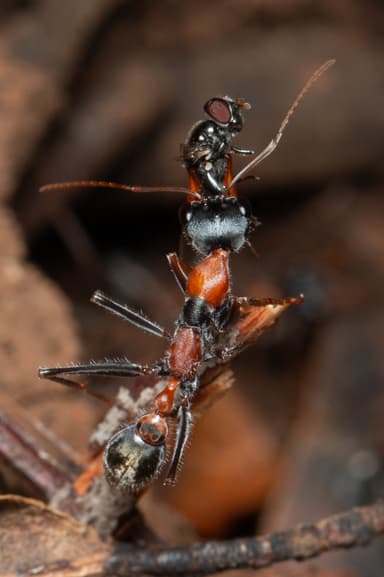
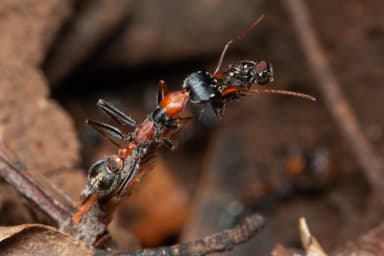
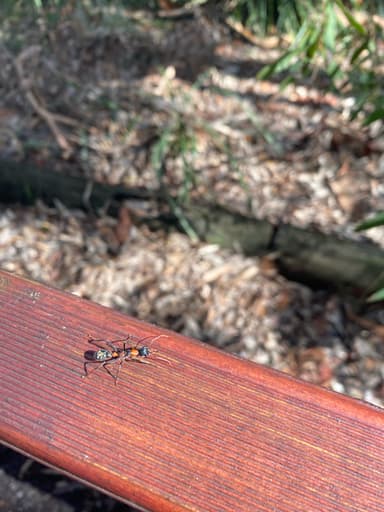
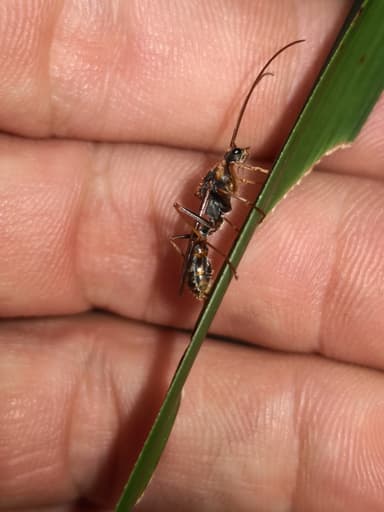
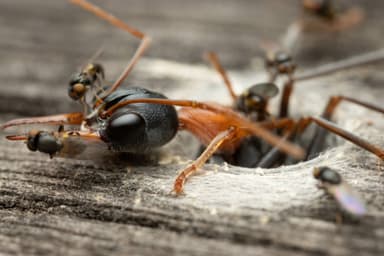
Myrmecia nigrocincta is a visually arresting bulldog ant endemic to eastern Australia, where it ranges from Queensland down to Victoria (Clark 1951; Ogata & Taylor 1991). The queens measure a robust 16 to 20 millimetres, while workers span 12 to 16 millimetres, all sharing the same basic body plan without polymorphic castes. True to its name, which means “black-belted,” this ant typically sports a shiny black head and gaster contrasted by a vivid orange‑red thorax and legs, though local colour variations exist. Like all Myrmecia, they possess enormous eyes, elongated mandibles, and a formidable sting that demands respect. Colonies are modest for the genus, peaking at around a thousand individuals, and are founded by semi‑claustral queens that must leave the nest to hunt during the founding stage. This fusion of striking looks, active hunting behaviour, and manageable colony size makes M. nigrocincta a favourite among keepers seeking a dynamic display species that still behaves like a true bulldog ant.
With an intermediate care difficulty, this ant suits hobbyists who have already kept a few easier semi‑claustral species and are comfortable catering to a queen that forages. The daily rhythm of offering live prey and observing lightning‑fast strikes rewards attentive keepers, but the species’ potent sting and need for consistent environmental control mean it is not ideal for casual beginners. Those who take the plunge should be prepared for a predator that relies heavily on vision, making escape‑proof, glass‑heavy setups essential. While M. nigrocincta is less overtly aggressive than some of its larger relatives, it will vigorously defend its nest if disturbed, so observation is best done without sudden vibrations. In return, the keeper experiences a diurnal ant that actively hunts in the open, bridging the gap between typical formicarium antics and the drama of a true hunter.
Housing must balance security, visibility, and the species’ need for a moderate humidity gradient. A well‑ventilated formicarium with a deep foraging arena is recommended, where the nest chamber maintains 50–70% humidity while the arena stays drier. The temperature should be kept between 18°C and 28°C, with a gentle gradient so the ants can self‑regulate; a heat mat placed on one side of the nest often works well. Substrates like a sandy‑loam mix allow minor digging and moisture retention, though these ants adapt readily to plaster, ytong, or 3D‑printed nests as long as hydration is reliable. Always provide a small water source in the arena, such as a test‑tube drinker, to prevent drowning. Because workers are active climbers, a secure lid with a fluon or PTFE barrier is non‑negotiable, and the setup should be placed in a stable location away from direct sunlight to avoid overheating.
Diet for Myrmecia nigrocincta is exclusively carnivorous in the larval stages, while adults favour carbohydrates. Protein should be supplied as live or freshly killed insects — small crickets, roaches, and mealworms are all excellent — offered two to three times a week. Workers will eagerly chase and sting prey, so providing appropriately sized victims (no larger than the ants themselves) minimises injury. A honey‑water solution or a slice of fresh fruit serves as a carbohydrate source for adult workers and the queen, replenished every few days and removed before it spoils. Clean water must be constantly available; a small sponge in a dish can help. Crucially, the semi‑claustral queen needs protein during founding, so a founding setup should include a foraging tube where you can introduce pre‑killed insects every couple of days until the first workers arrive.
Seasonal rhythms are vital for long‑term colony health, and Myrmecia nigrocincta requires a cool hibernation period. For three to four months, typically over the Australian winter from June to August, the colony should be gradually cooled to a steady 15°C. During this diapause, activity virtually ceases, and the ants will huddle tightly inside the nest. Reduce feeding to a very occasional small protein item only if a few workers remain sluggish but responsive, and ensure the nest does not dry out. Hibernation at this temperature synchronises the colony’s internal clock, promoting robust brood production and successful reproduction in the following season. A gradual warming in spring, mimicking the natural temperature climb, will gently rouse the ants and trigger normal foraging behaviour.
When your Myrmecia nigrocincta colony first arrives, resist the urge to immediately house them in a full‑sized nest. Keep the queen and any workers in the shipping test‑tube setup or a small founding chamber for at least a week, covered to provide darkness and security. After 24 hours, offer a tiny droplet of honey water on a piece of foil and a pre‑killed small cricket; remove any uneaten food within a day to prevent mould. Watch for signs of stress such as constant patrolling or frantic grooming — these often diminish once the ants accept their new surroundings. Only connect a larger nest when the worker count reaches about ten to fifteen individuals, as premature space can hinder colony growth. With patience and attention to their environmental needs, Myrmecia nigrocincta will transform from a shy founding trio into a theatre of precise, predatory activity, rewarding the dedicated keeper many times over.