Acromyrmex
Acromyrmex octospinosus
Nuptial Flight Calendar
Flight months: May, Jun, Jul
Care Guide
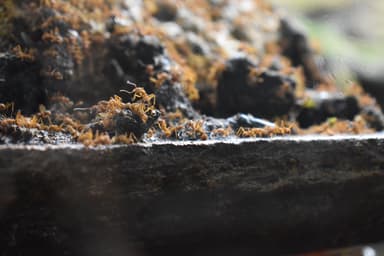
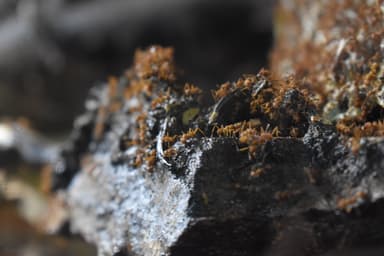
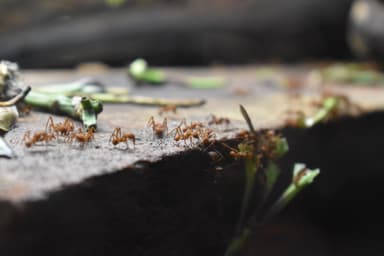
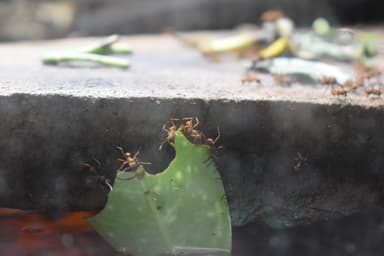
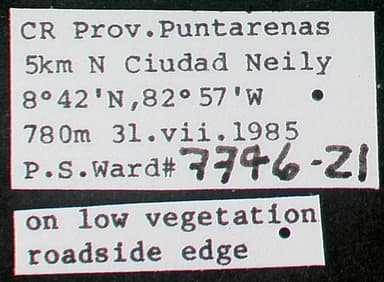
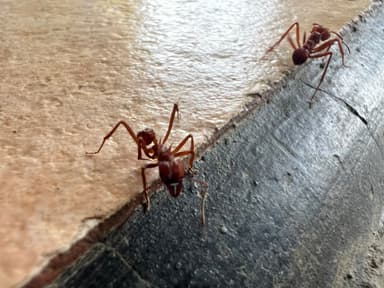
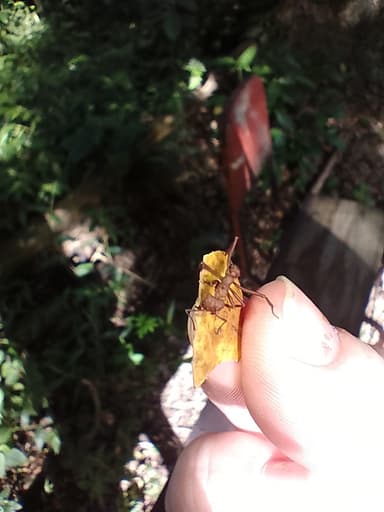
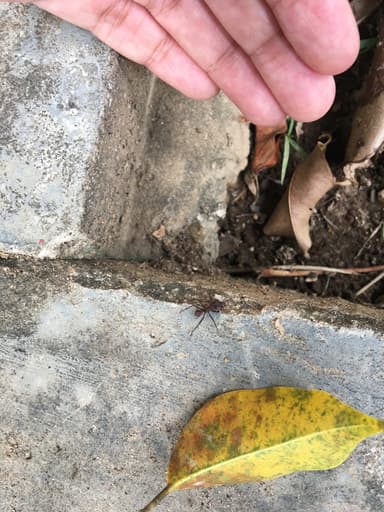
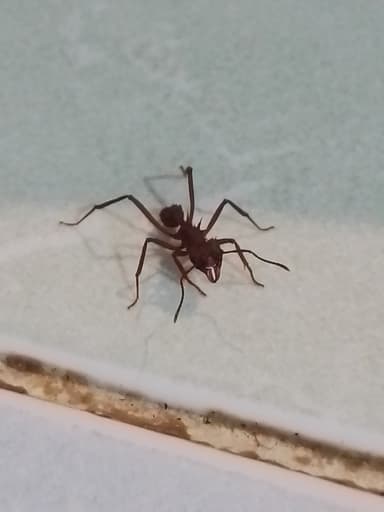
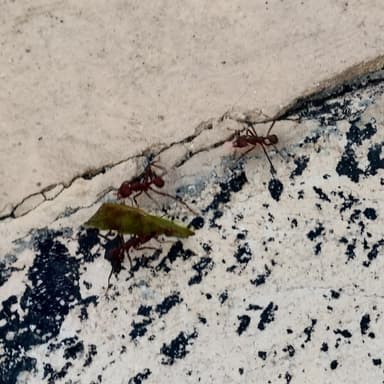
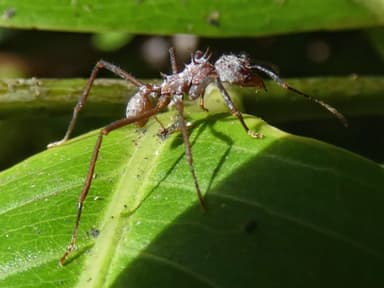
Acromyrmex octospinosus is a charismatic leafcutter ant whose intricate fungus-growing lifestyle captivates seasoned myrmecologists and advanced hobbyists alike. The queens are robust, measuring 20 to 25 mm, while their polymorphic workers range from tiny 2.5 mm minors that tend the garden to formidable 12 mm majors with powerful mandibles capable of dissecting tough foliage. Three distinct worker castes — minor, media, and major — collaborate in a colony that can swell to 100,000 individuals, a social enterprise built entirely around cultivating a mutualistic fungus. This obligate symbiosis, described in detail by Weber (1972) in his classic work on attine ants, means the ants do not consume plant matter directly; instead, they harvest fresh leaves, pre-chew them into a nutrient paste, and feed it to their fungal partner, which in turn produces the protein- and lipid-rich structures that sustain the brood and adults. Native to humid lowlands from eastern Mexico south into northern South America and the Caribbean, with a known range extending from roughly 23°N to 15°S and as far west as 92°W (GBIF data; Fernández & Sendoya 2004), this species thrives in warm, moist environments that mimic its tropical origins.
Due to its exacting husbandry demands, Acromyrmex octospinosus is rated for expert keepers only. The colony’s health hinges on the vitality of the fungus garden, which is sensitive to fluctuations in humidity, temperature, and contamination. A collapsed garden means a dead colony, and recovery is rarely possible. This species is not a candidate for casual observation; it requires daily monitoring, a meticulously controlled microclimate, and a ready supply of pesticide-free foliage. Founding is claustral, with the queen relying on her wing muscle reserves to raise the first tiny workers and initiate a fungus culture from a pellet carried in her infrabuccal pocket, but once the colony expands, the keeper must assume the role of environmental steward. The sheer size of a mature colony — potentially housing a hundred thousand ants — necessitates scalable, secure containment, and the ants’ cutting behavior demands sturdy materials. Only enthusiasts with experience in maintaining high-humidity tropical setups and a deep understanding of attine biology should consider this species.
Housing must revolve around the fungus chamber. A plaster, ytong, or grout-based nest offers excellent humidity buffering, while a glass or acrylic terrarium with a separate foraging outworld allows for easy leaf provision without disturbing the garden. The core of the nest must maintain 70–90% relative humidity at all times, as the fungus desiccates rapidly. Temperature should stay within 22–28°C; a gentle heat mat placed on one side of the nest substrate can create a subtle gradient, but avoid direct heating that might cook the fungus. Do not use loose soil or sand, as these can promote undesirable mold or become entangled in the garden. Instead, provide a textured, porous surface where the ants can anchor their fungus. The outworld can be simply decorated with a dry area for cutting leaves, but all ventilation points must be covered with fine mesh to prevent escapes, especially of the minuscule minors. Misting the outworld lightly every other day can help boost ambient humidity, but take care not to drip water directly onto the fungus.
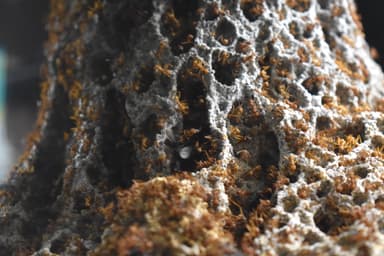
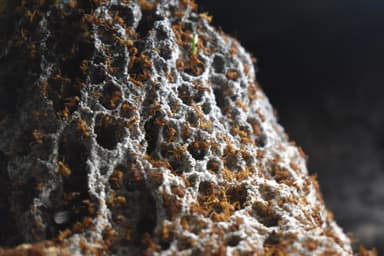
Feeding Acromyrmex octospinosus is deceptively straightforward: they require a constant assortment of fresh, clean leaves, petals, and occasionally fruit. The ants do not drink sugary liquids or consume typical insect protein — all nutrition derives from the fungus, which breaks down the plant substrate. Preferred plants include bramble (Rubus spp.), privet, rose, hibiscus, and citrus leaves, all of which are readily accepted. Collect foliage far from roads and pesticide-treated areas, and wash leaves thoroughly before offering. A shallow water source, such as a test tube with a cotton plug, should be kept in the outworld for drinking; however, the high humidity of the nest typically provides most hydration. Avoid overfeeding, as decaying vegetation encourages mold, but never let the colony run out of leaves for more than a day. A healthy fungus garden should appear spongy, white-gray, and free of dark spots or yellowing. If the garden wanes, evaluate humidity and leaf quality immediately.
This tropical ant does not hibernate. Native populations in Central and northern South America experience steady warm temperatures year-round, with nuptial flights occurring in the afternoon after heavy rains at the onset of the wet season (May through July, varying slightly by region). In captivity, maintain stable conditions every month of the year; any attempt to artificially induce a cool dormancy will kill the fungus and the colony. There is no seasonal dietary shift or rest period required.
Upon arrival, minimize stress by placing the colony into its pre-prepared, pre-humidified nest within a day. Keep the room dimly lit and resist the urge to peer inside constantly for at least 48 hours. Offer a single fresh, medium-sized leaf on the first day — bramble or rose works well — and observe from a distance. The workers may be slow to commence cutting; this is normal. Watch for telltale signs of trouble: ants dragging dead workers to a refuse pile is typical, but a rapid die-off or a fungus that darkens, shrinks, or develops a foul smell indicates a humidity or contamination crisis. Within a week, the queen should resume laying, and you will see fresh brood cradled in the garden. Once the colony is settled, a weekly routine of leaf replacement, water refills, and a quick visual check of the fungus will become the rhythm of care, rewarding the patient keeper with one of nature’s most astonishing agricultural spectacles (Mikheyev & Mueller 2007; AntWiki).