Tapinoma
Tapinoma sessile
Nuptial Flight Calendar
Care Guide
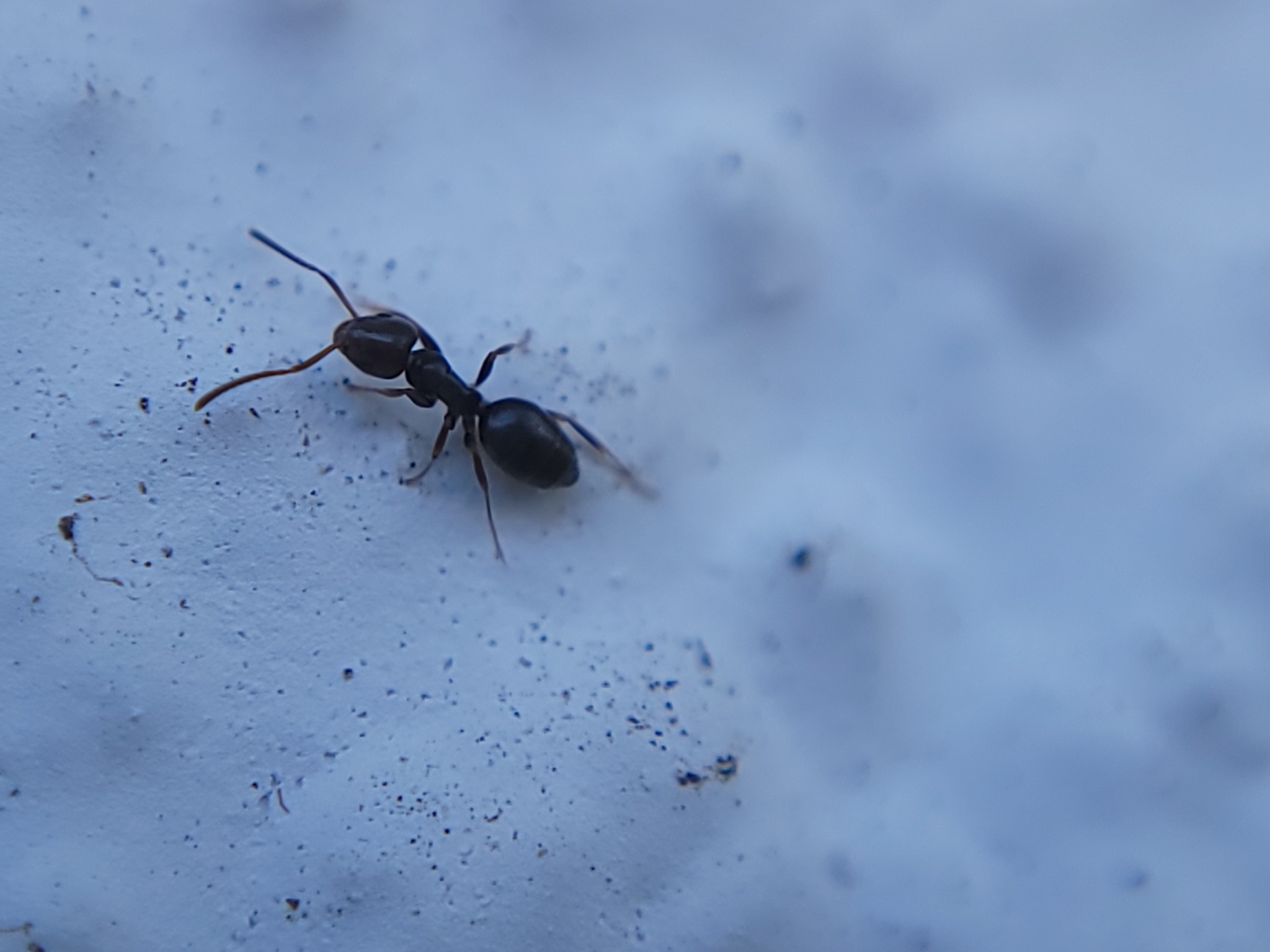
Tapinoma sessile, commonly known as the odorous house ant, is a species that has made itself at home just about everywhere — from forests and meadows to the walls of your own kitchen. Despite their humble origins, these tiny ants are fascinating to observe and are an absolute joy for beginners. The queen measures a modest 3.5 to 4.5 mm, while workers range from 2 to 3 mm, making the entire colony remarkably compact. Their most famous trait? Crush a worker gently between your fingers and you’ll notice a distinct, sweet coconut-like scent — a calling card that sets them apart from almost any other ant.
One of the most remarkable features of Tapinoma sessile is their astounding adaptability. In nature, they are master opportunists, nesting under stones, in rotting wood, or even inside abandoned bee hives. They form large, interconnected supercolonies with multiple queens, allowing them to grow rapidly and dominate their environment. In a captive setting, this means you’ll quickly have a bustling, active colony that forages enthusiastically for anything sweet. Their diet is simple and straightforward: insects provide protein for the brood, while sugar water and honeydew keep the workers buzzing with energy. They are particularly fond of liquid sugars, so a steady supply of diluted honey or sugar syrup will keep them thriving.
Care difficulty
Keeping Tapinoma sessile is as easy as it gets. Their forgiving nature, small size, and broad temperature and humidity tolerances make them an ideal starter species for any budding myrmecologist. They’re not picky about their environment: a temperature range of 20 to 26°C and humidity between 50 and 70% suits them perfectly. Like many temperate ants, they do require a winter diapause — a hibernation period at around 8°C — to maintain a healthy annual cycle. Without this cool rest, your colony may gradually lose vigor. But don’t worry: overwintering a small nest at fridge-like temperatures is straightforward, and your ants will wake up ready to grow the following spring.
Housing
Because Tapinoma sessile is so small, you don’t need a massive formicarium to start. A simple test tube setup with a water reservoir and a small outworld works beautifully for a young colony. As the population increases into the thousands, you can graduate to a larger nest with multiple chambers. The key challenge is containment: these ants are notorious escape artists, able to squeeze through the tiniest gaps. Ensure your outworld has a tight-fitting lid or a generous layer of fluon or olive oil around the rim. Keep the nest area moderately humid but well-ventilated, and provide a steady source of water. They appreciate a sprinkle of soil or sand in the outworld for foraging enrichment, though it’s not strictly necessary.
First days after purchase
When your Tapinoma sessile colony arrives, the best thing you can do is give them peace and quiet. Place the test tube or transport container into a dark, vibration-free spot and let them settle for at least 24 hours. Avoid opening the tube unnecessarily. After a day or two, you can introduce a small drop of sugar water and a fresh, dead fruit fly or cricket piece. Observe them — you’ll soon see workers rush out, touch antennae, and start carrying food back to the queen. Resist the urge to handle them too much in the first week. Once they are confidently foraging and the queen has begun laying eggs, you can slowly attach their outworld. With a little patience, you’ll have a thriving colony that showcases the incredible resilience of one of the world’s most successful ants.