Leptomyrmex
Leptomyrmex nigriventris
Care Guide
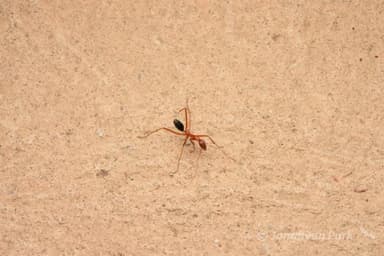
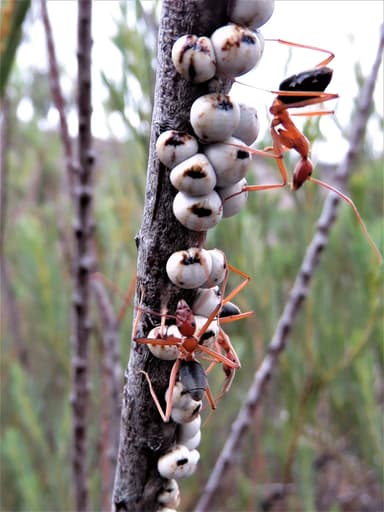
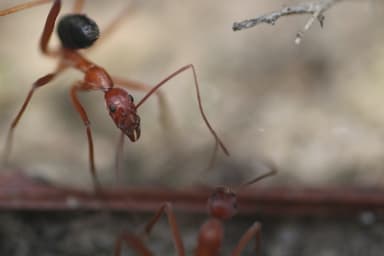
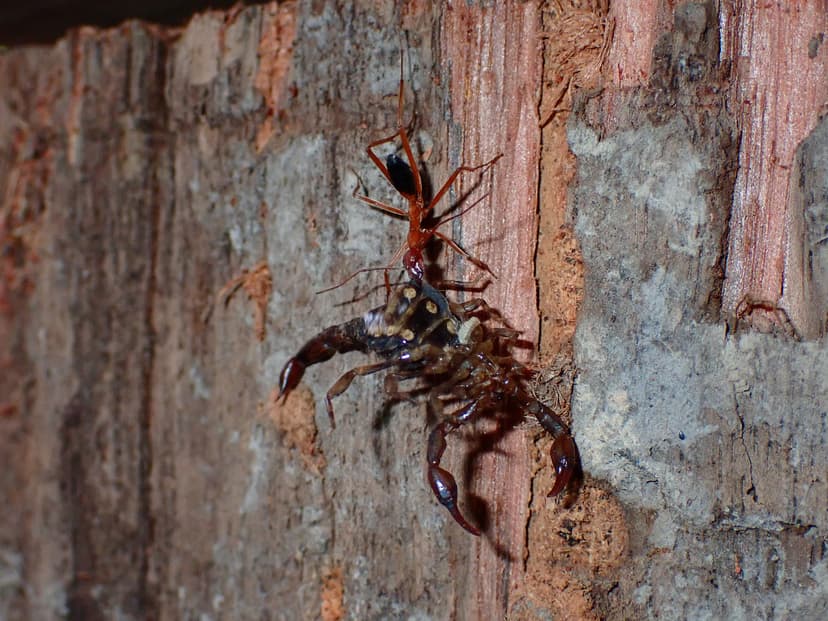
Leptomyrmex nigriventris, commonly known as the black-bellied spider ant, is a visually striking species that captivates keepers with its unusual morphology and lively behavior. Workers measure 6–8 mm and are instantly recognizable by their remarkably long, slender legs and rapid, spider-like movements across the foraging arena. The queen, at 10–12 mm, is noticeably larger but shares the same elegant build. Perhaps the most fascinating trait of this species is their use of larval silk — mature colonies construct silken chambers and tunnels within their nest, a rare ability among ants that adds a unique dimension to formicarium design.
Care difficulty
Keeping Leptomyrmex nigriventris is considered intermediate, largely due to their specific environmental needs and sensitivity to disturbance. While founding is claustral and relatively stress‑free, the colony requires stable warmth and humidity to thrive. Once established, these ants are active and rewarding to observe, but beginners should be prepared to maintain consistent conditions and avoid excessive handling.
Housing
A suitable formicarium should offer ample space for the colony to build their characteristic silk structures — a mix of soil and sand with small chambers works well, or a modular design with multiple interconnected cavities. Temperature should be kept between 24–28°C, ideally with a thermal gradient so the ants can regulate themselves. Humidity in the nest area must stay at 50–70%; regular moistening of a section of the substrate is essential, but avoid waterlogging. A clean, well‑ventilated outworld is equally important, as Leptomyrmex are fast and prolific foragers that appreciate open space for collecting food. They are highly sensitive to vibrations and sudden light changes, so place the setup in a quiet, low‑traffic area — especially during the early stages of colony growth.
First days after purchase
Upon receiving your Leptomyrmex nigriventris colony, transfer them gently into the prepared formicarium and place it in a calm, dim environment. Allow the ants a full day to acclimatize before offering food; start with a small drop of sugar water or honey water and a tiny insect like a fruit fly or pinhead cricket. Provide a reliable water source — a test tube with cotton or a small hydration chamber — and check that humidity levels are appropriate. Minimize disturbances for the first week: avoid bright lights, loud noises, and unnecessary opening of the nest. Observe from a distance to ensure the queen is laying eggs and workers are exploring. With patience and stable conditions, you will soon witness the extraordinary speed and silken artistry of these remarkable ants.