Anochetus
Anochetus emarginatus
Care Guide
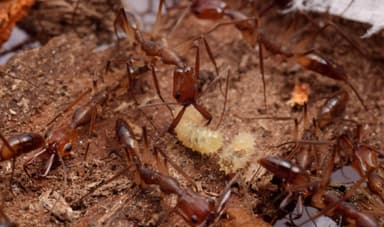
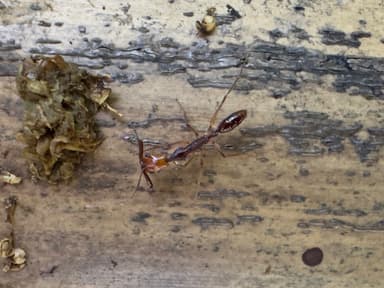
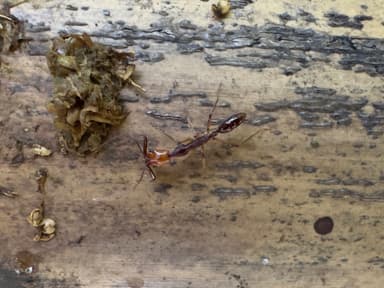
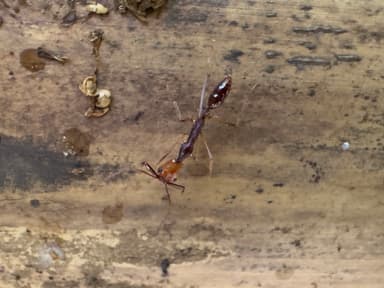
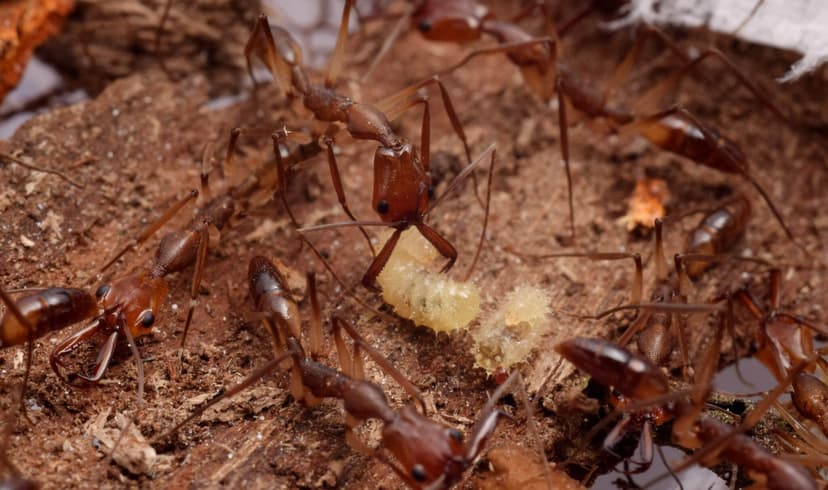
Anochetus emarginatus is a striking trap-jaw ant species that commands attention with its powerful mandibles and bold predatory nature. The queen measures between 10 and 12 mm, while workers range from 5 to 7 mm. Unlike many ants that rely on foraging trails, these ants are solitary hunters, using their lightning-fast mandibles to snap shut on unsuspecting prey. This unique hunting mechanism is not only fascinating to observe but also makes them one of the more dramatic species to keep in a home formicarium. The colony size remains modest, typically reaching 50 to 200 workers, allowing for an intimate glimpse into the inner workings of a primitive ant society.
As you might expect from a predominantly insectivorous species, Anochetus emarginatus has a protein-rich diet. These ants require a steady supply of live or freshly killed insects such as crickets, roaches, mealworms, or fruit flies. They are highly efficient hunters and will enthusiastically seize any prey that enters their foraging area. Because they do not store seeds or rear fungus, all their nutritional needs are met through protein, with occasional sugar water or honey offered in small amounts if accepted. Keepers should note that brood production relies heavily on protein availability, so regular feeding is essential during the growth phase.
Care difficulty
Keeping Anochetus emarginatus is best suited for intermediate ant keepers. The primary challenge lies in the semi-claustral founding method: the young queen must leave the nest to forage after laying her first eggs. This means she needs a small escape-proof outworld with regular access to tiny prey items during the founding stage. Without this, she may fail to raise her first workers. Once the colony is established, care becomes more straightforward, but maintaining the high humidity they require remains a constant consideration. These ants are not recommended for beginners, but they reward experienced keepers with a captivating display of trap-jaw strikes.
Housing
A well-designed formicarium for Anochetus emarginatus should emphasize humidity retention and secure enclosure. A test tube setup works well for founding, but as the colony grows, a plaster or clay-based nest with a moist chamber is ideal. The outworld should be spacious enough for hunting, with soft substrate or leaf litter to mimic their natural forest floor habitat. Maintain humidity between seventy and ninety percent — a dry nest will quickly stress the colony and halt brood development. Temperature should be kept between twenty-four and twenty-eight degrees Celsius. Because these ants do not hibernate, they can be kept active year-round, making them a great choice for keepers in warmer climates or those using heating cables.
First days after purchase
Upon receiving your colony, transfer them into a pre-moistened nest and place the setup in a dim, quiet location. During the first few days, avoid unnecessary vibrations or bright lights. Offer a small prey item, such as a pinhead cricket or a piece of freshly killed roach, and ensure a clean water source. Do not be alarmed if the ants remain hidden initially — they are naturally cautious. Observe from a distance and allow them to acclimate at their own pace. With patience, you will soon witness the extraordinary speed of their trap-jaw strikes as they take control of their new home.