Trachymyrmex
Trachymyrmex septentrionalis
Nuptial Flight Calendar
Flight months: Apr, May, Jun, Jul
Care Guide
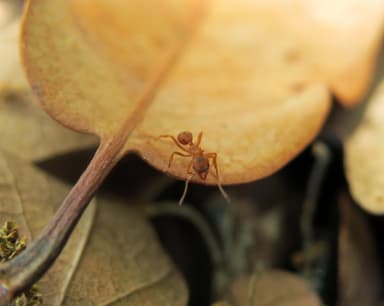
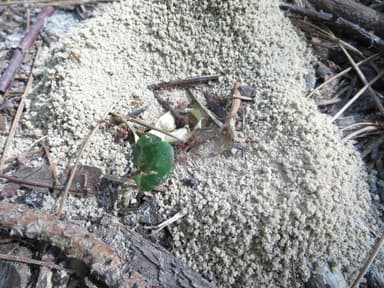
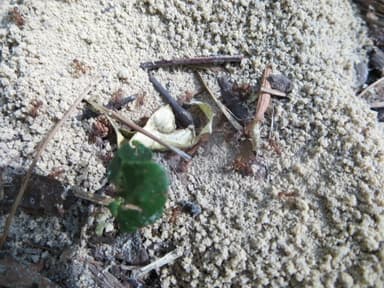
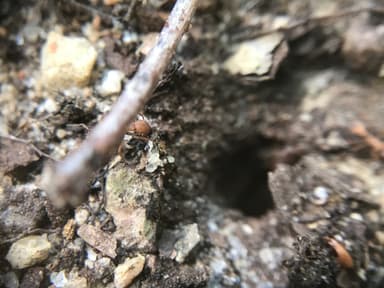
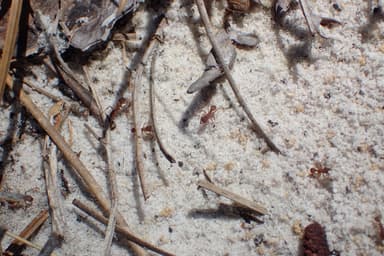
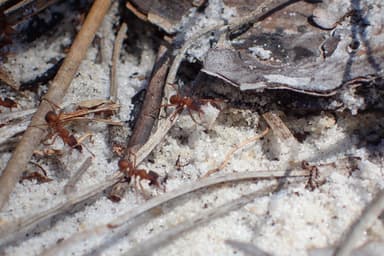
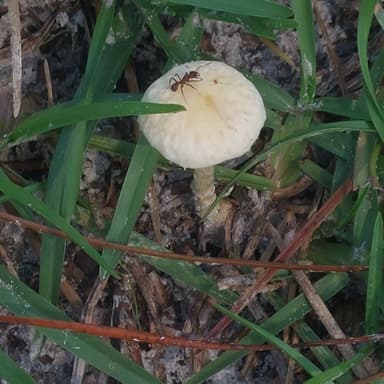
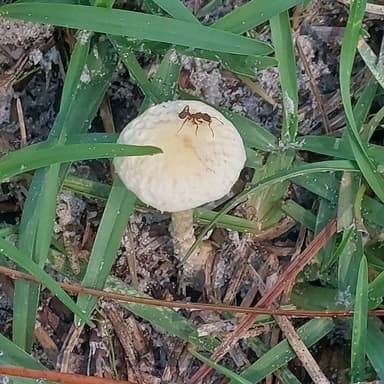
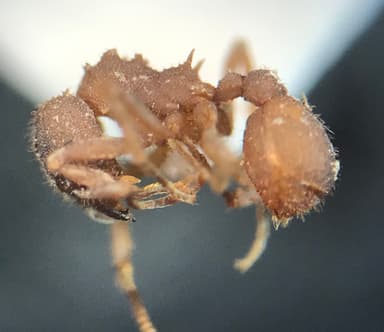
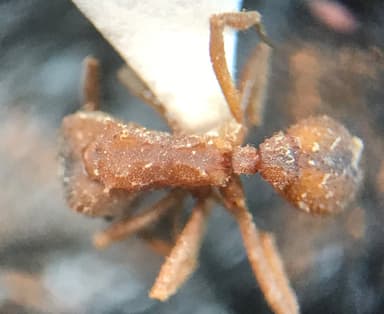
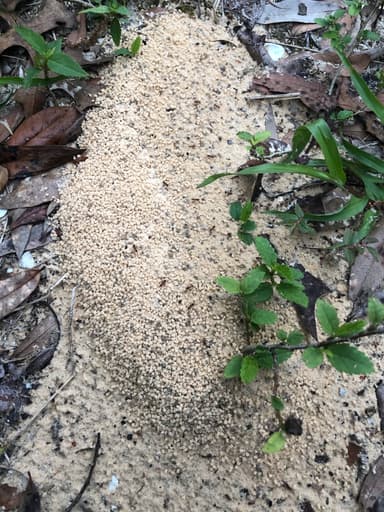
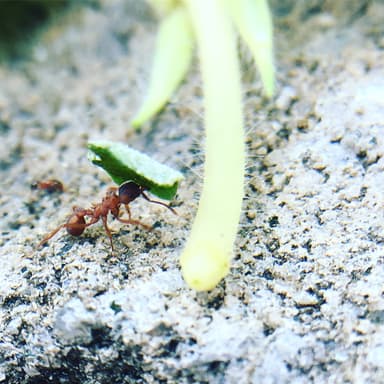
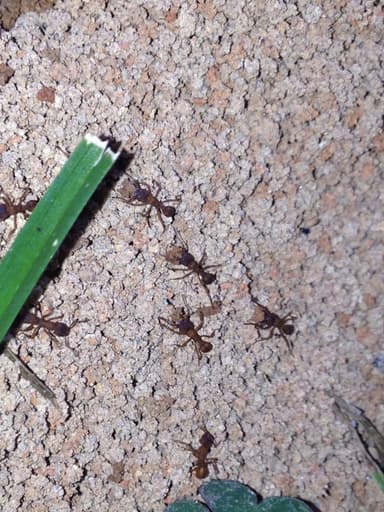
Trachymyrmex septentrionalis is a modestly sized fungus‑growing ant endemic to the eastern and southeastern United States, with a range stretching from Florida to New England and as far west as the Great Plains (GBIF, AntWeb). Queens measure 6.5 to 8 mm, while workers are a monomorphic 3 to 5 mm, forming colonies that rarely exceed 600 individuals (Beshers & Traniello 1994). What truly sets this species apart is its obligate symbiosis with a basidiomycete fungus, which the colony cultivates as its primary food source. Unlike the more familiar leaf‑cutting attines, T. septentrionalis utilizes insect frass, tiny fragments of dead plant material, and other organic detritus to feed its garden, making it a “detritivore” fungus‑grower (Rabeling et al. 2007). Their nests are inconspicuous soil chambers in sandy soils, and the ants are predominantly nocturnal and shy. Nuptial flights occur in the southeastern states from April through July, typically on warm, humid afternoons following heavy rain, a pattern that any prospective collector should note.
This ant is unequivocally an expert‑level species. The fungus‑gardening lifestyle demands rigorous environmental control and a nuanced understanding of a living, breathing garden that can quickly succumb to contamination, desiccation, or nutritional mismanagement. Beginners are almost certain to lose their colony within weeks. Trachymyrmex septentrionalis is best suited to keepers who have already succeeded with other sensitive attines or tropical species requiring extremely high humidity, and who are prepared to monitor conditions daily. The challenge is not aggression or escape—the workers are diminutive and stingless—but the perpetual balancing act of keeping the garden healthy. Because the fungus is the colony’s stomach, every aspect of husbandry revolves around its well‑being, and the learning curve is steep. Only those with a genuine fascination for attine biology and the patience to meticulously research and replicate a tight microclimate should attempt this species.
Housing must provide a stable, high‑humidity environment of 70–90 %, paired with a temperature gradient between 22 and 28 °C. Most successful keepers employ a plaster or ytong nest block that can absorb large amounts of water without flooding; a well‑hydrated nest provides the constant humidity the fungus garden craves. Direct misting of the garden itself is dangerous and can cause droplets to collapse the delicate mycelial structure. Instead, water is added to a reservoir that evaporates slowly, and a small test tube of water plugged with cotton can serve as a drinking station and additional humidity source. The ants will arrange their garden into a sponge‑like mass, and they need a foraging area where they can collect the substrate they will incorporate. No standard substrate like sand or soil is required in the nest chamber—many keepers house the garden on a bare plaster surface—but a thin layer of inert, sterile sand can help with grip. Ensuring the enclosure is fully escape‑proof is vital, as these slender ants can squeeze through minuscule gaps.
Feeding T. septentrionalis means nourishing the fungus, not the ants directly. You will never offer a drop of honey water or a dish of sugar; such substances would only mould and risk killing the garden. Instead, provide a dry mix of finely ground insect remains (cricket or mealworm frass is ideal), crushed oatmeal or cornmeal, and occasionally tiny flecks of dried leaf litter. Small, freshly‑killed fruit flies or pinhead crickets may also be given, but only in quantities that can be processed within a day, as decaying matter is a fast track to fungal disease. The ants will carry these offerings into the garden, chewing and depositing them as a top‑dressing, and the fungus gradually digests the substrate into nutritious gongylidia that the ants then consume (Seal & Tschinkel 2006). Remove any uneaten substrate that has remained untouched for 24 hours. The colony itself needs no additional liquid, obtaining all its moisture from the fungus and ambient humidity, though a cotton‑plugged water tube is always appreciated.
A winter dormancy is mandatory for the long‑term health of this temperate species. As autumn approaches, gradually lower the nest temperature to around 15 °C over the course of two weeks. Maintain this for a period of at least three to four months, during which the ants will cluster tightly around their garden and activity will virtually cease. The fungus garden will shrink and may darken slightly, but it must not be allowed to dry out completely; a slight reduction in humidity is acceptable, but continue to offer a moist substrate. Resuming the normal temperature gradient in early spring will trigger renewed foraging and brood production. Those who skip hibernation or attempt to keep the colony active year‑round at tropical temperatures often witness a gradual decline, likely due to a disrupted biological clock and exhausted gardens.
When your new colony arrives—typically a queen with a pea‑sized garden and just a few workers—place the founding chamber immediately into the prepared, pre‑warmed nest. Do not add any food for the first two or three days; the ants need silence and darkness to recover from shipping stress. Check that humidity is holding steady without condensation forming directly on the garden. When introducing the first substrate, offer a minuscule pinch of dry insect frass placed at the edge of the garden. The ants should discover it and begin working it in. The most critical danger in these early days is mould: any sign of white, wispy foreign hyphae or a slimy, off‑coloured garden requires prompt, careful removal of the affected portion. Sterilize all tools and work with clean hands to avoid importing foreign spores. Resist the urge to peek frequently—every disturbance risks sending the queen into a stress spiral that can doom the fragile incipient colony. With patience and precision, you will witness one of the ant world’s most ancient and captivating husbandry rituals unfold.