Solenopsis
Solenopsis fugax
Calendario de vuelos nupciales
Flight months: Jul, Aug, Sep
Guía de cuidado
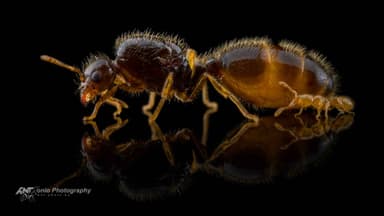
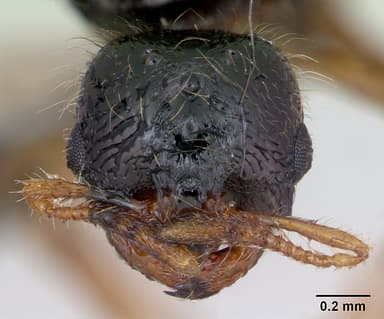
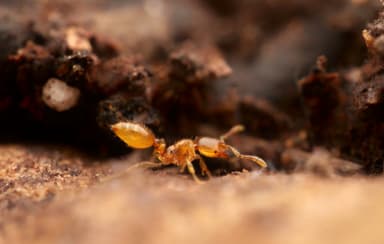
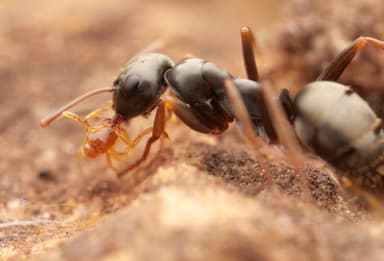
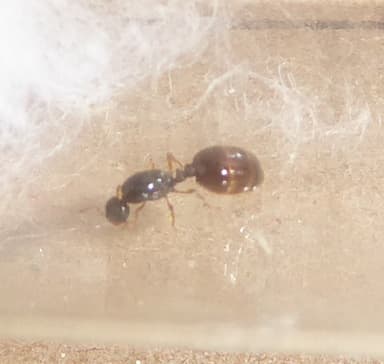
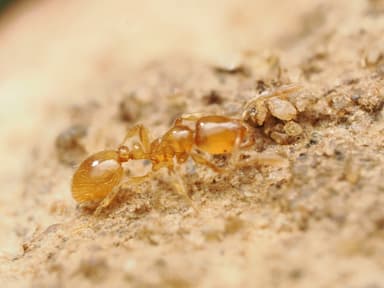
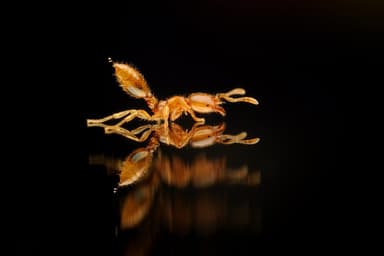
Solenopsis fugax, commonly known as the European thief ant, is a diminutive yet endlessly captivating species that will reward the attentive keeper. The workers measure a mere 1.5 to 2.5 millimetres, appearing as tiny, glistening amber dots to the naked eye, while the queen is considerably more robust at 5.5 to 7 millimetres and a rich, glossy brown (Seifert 2018). Colonies are monomorphic, composed entirely of a single caste of minor workers that operate with frenetic energy. In the wild, mature nests can swell to 100,000 individuals or more, but in captivity you will more typically manage a few thousand. What truly sets this species apart is its natural history: S. fugax is a lestobiotic raider, meaning workers construct minute, labyrinthine tunnels that penetrate the brood chambers of larger ants, where they stealthily steal eggs and larvae to feed their own colony (Czechowski et al. 2012). This subterfuge goes largely unnoticed due to their minuscule size and a defensive secretion that masks their chemical signature. For the hobbyist, observing their delicate foraging columns and sudden explosive rushes for protein is a daily delight, and the queen’s plump, sausage-shaped gaster when fully egg-laying is a striking sight.
This is an intermediate species, best suited to keepers who already have experience managing a stable colony of something more forgiving, such as Lasius niger. The difficulty does not stem from aggression—S. fugax is very shy and rarely stings in defence—but from their escape artistry. A gap barely wider than the thickness of a sheet of paper is a highway for these ants, so every seal, ventilation point and feeding portal must be flawless. They also demand vigilance with hydration, as their small bodies desiccate quickly, yet excessive moisture invites mould. If you enjoy a species that requires precise environmental control and rewards careful observation rather than constant intervention, this thief ant will feel like a perfect fit.
Housing must prioritise containment, stable microclimate, and visual access. A high-quality ytong or plaster nest is ideal, with several chambers connected by narrow tunnels that mimic their natural galleries; the nest should be integrated into a larger foraging arena via ultra-fine metal mesh or tightly fitted tubing smeared with liquid PTFE at every junction. Temperature should be kept between 22 and 28 degrees Celsius—a gentle gradient is beneficial, allowing workers to brood-tend at the warmer end and store seeds or refuse in the cooler zone. Humidity needs are moderate, 40 to 60 percent, but a moist nest area is critical for brood development. This is most reliably achieved by nesting the plaster block in a shallow water tray or using a manometer-regulated water tower connected to the nest’s reservoir, as simple misting often leads to drowning pools for workers so small. A thin layer of fine sand or loam in the foraging arena satisfies their instinct to excavate, and a few small pebbles or pieces of bark give them cover under which they will eagerly station a sugary bait station.
Feeding Solenopsis fugax reveals their dual nature as protein-ravenous brood pirates and fastidious sugar gourmands. Provide chopped, pre-killed insects such as fruit flies, pinhead crickets, or mealworm segments two to three times a week; a small pinch scattered near the nest entrance will trigger frantic recruitment. They also appreciate raw, unseasoned chicken or hard-boiled egg yolk on occasion. Carbohydrates must be offered as liquid sugars, but never in open droplets that can drown workers—use a micro-feeding dish packed with cotton wool saturated in honey-water or sugar-water, refreshed several times a week to prevent fermentation. Water is equally vital and should be available at all times via a separate drinking station, again meticulously plugged with cotton to create a safe drinking surface. A shallow test tube filled with water and sealed with a cotton plug doubles as an emergency hydration source and an easy way to monitor consumption.
Hibernation is non-negotiable for this species. Across their enormous range, stretching from the Mediterranean north into southern Scandinavia and east to the Urals (GBIF occurrence data), colonies experience a pronounced winter chill. You must provide a cool rest period at around 8 degrees Celsius for three to four months, from roughly late October through February. Failure to hibernate leads to dwindling brood, lethargic workers, and an eventual colony crash. Preparation is simple: a few weeks before the cooling period, stop offering protein and allow the colony to finish any existing brood, then gradually lower the temperature over a fortnight until they enter a torpid state. Keep the nest slightly moist—not wet—and check monthly that the water source hasn’t dried up. When spring arrives, reverse the process gently, and within days you will see the queen resume egg-laying and workers fanning out in search of food.
The first days after purchasing a young colony are delicate. Welcome your new Solenopsis fugax by placing the shipping tube or small founding container directly into the prepared nest’s foraging area and opening it under dim red light, allowing them to explore at their own pace. Do not force them out; they will find the plaster chambers on their own, often within hours. Resist the urge to feed them on the first day—instead, ensure the nest is already hydrated and the temperature steady. On the second day, offer a tiny droplet of sugar water on cotton, placed quietly near the nest entrance. Watch for the first worker to drink, then carefully remove it after an hour to prevent spoilage. Only after two or three days should you introduce a minuscule fragment of pre-killed fruit fly, and even then, only what they can consume overnight. The most critical signs to observe are the queen’s posture and the presence of eggs: a healthy queen will sit upright, constantly grooming, with a glistening cluster of eggs behind her. If workers appear frantic and constantly at the water source, humidity is too low; if droplets form on the arena walls, it is too high. With patience and those small adjustments, your thief ant colony will settle into a rhythm of secretive industry, a miniature world of subterfuge thriving on your desk.