Pogonomyrmex
Pogonomyrmex subnitidus
Nuptial Flight Calendar
Flight months: Jun, Jul, Aug, Sep
Care Guide
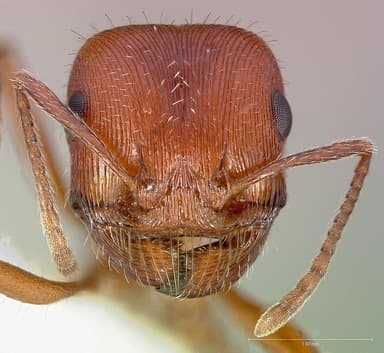
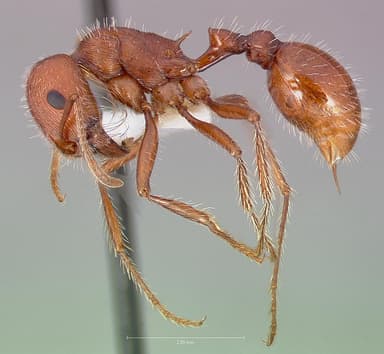
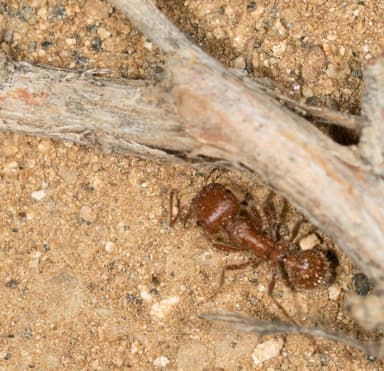
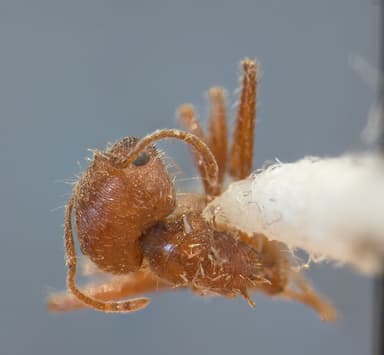
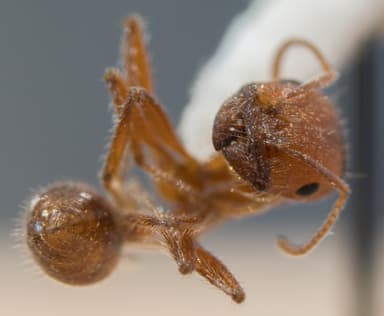
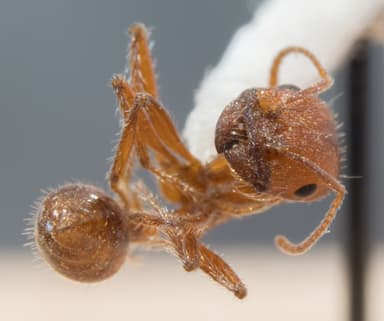
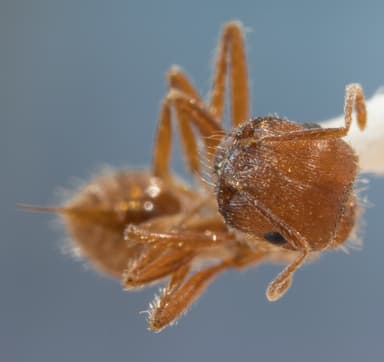
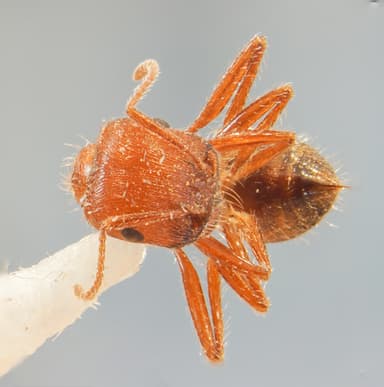
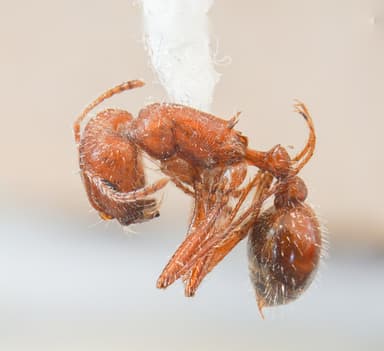
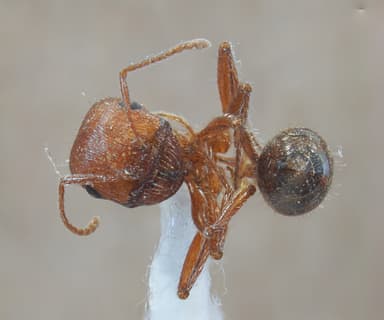
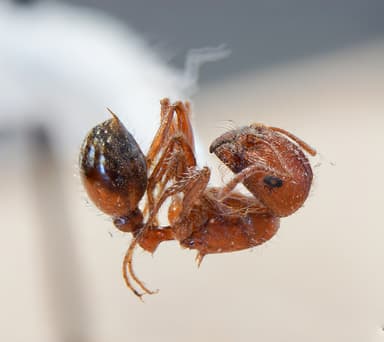
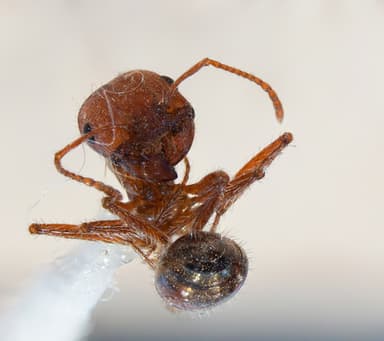
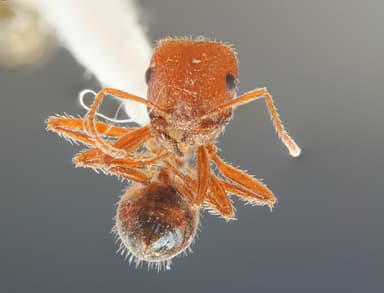
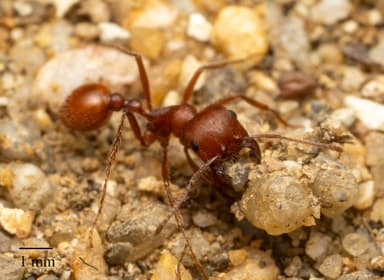
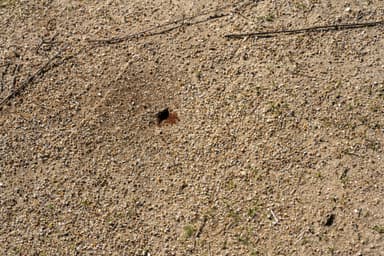
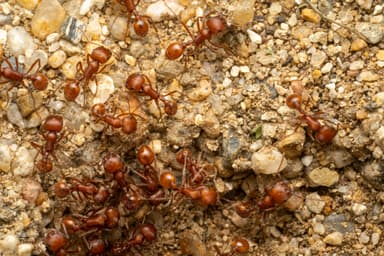
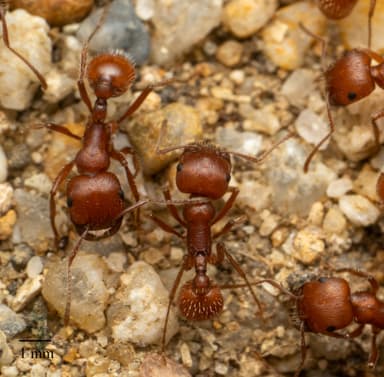
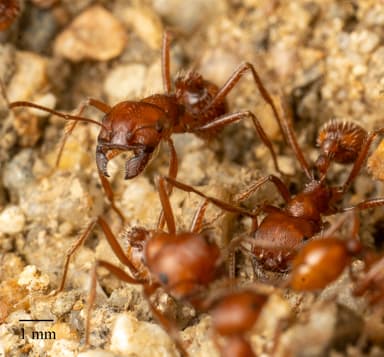
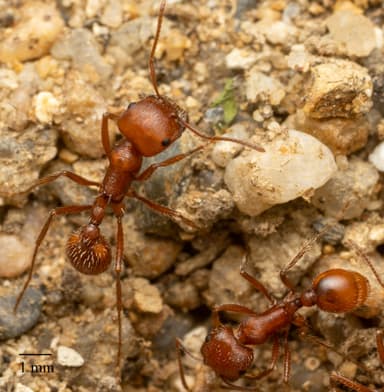
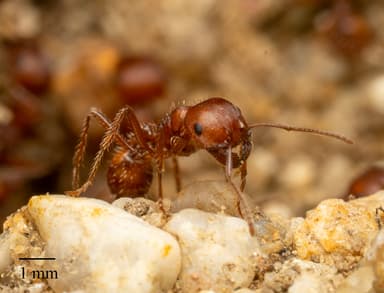
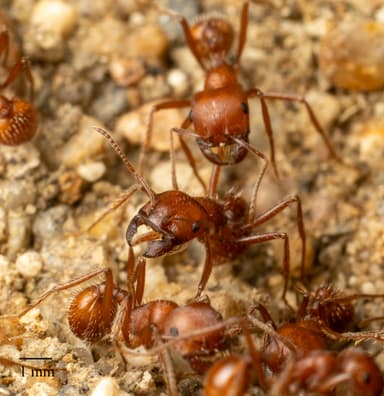
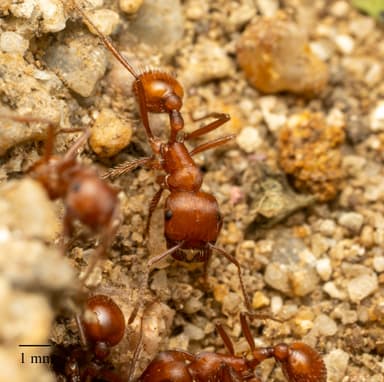
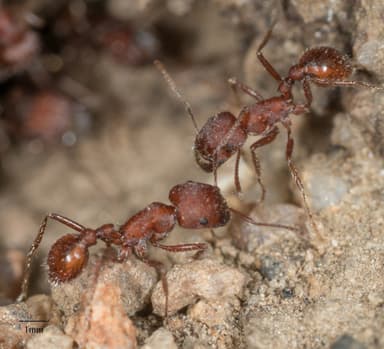
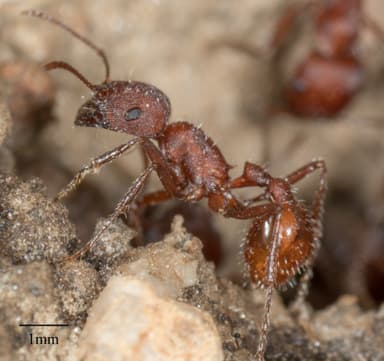
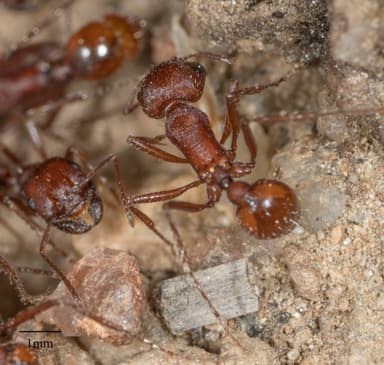
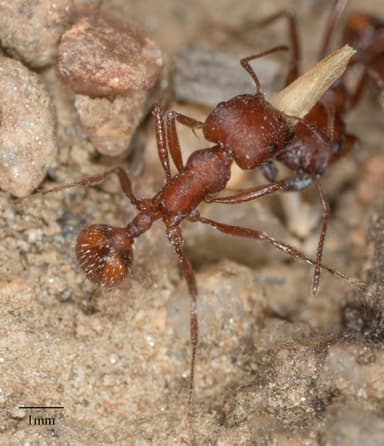
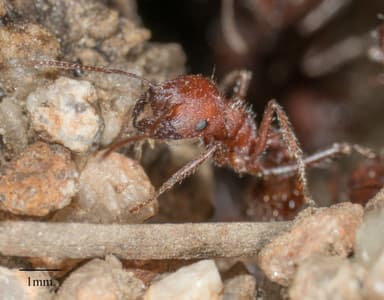
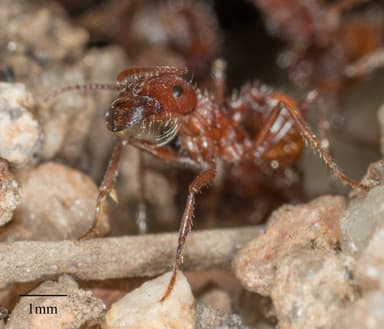
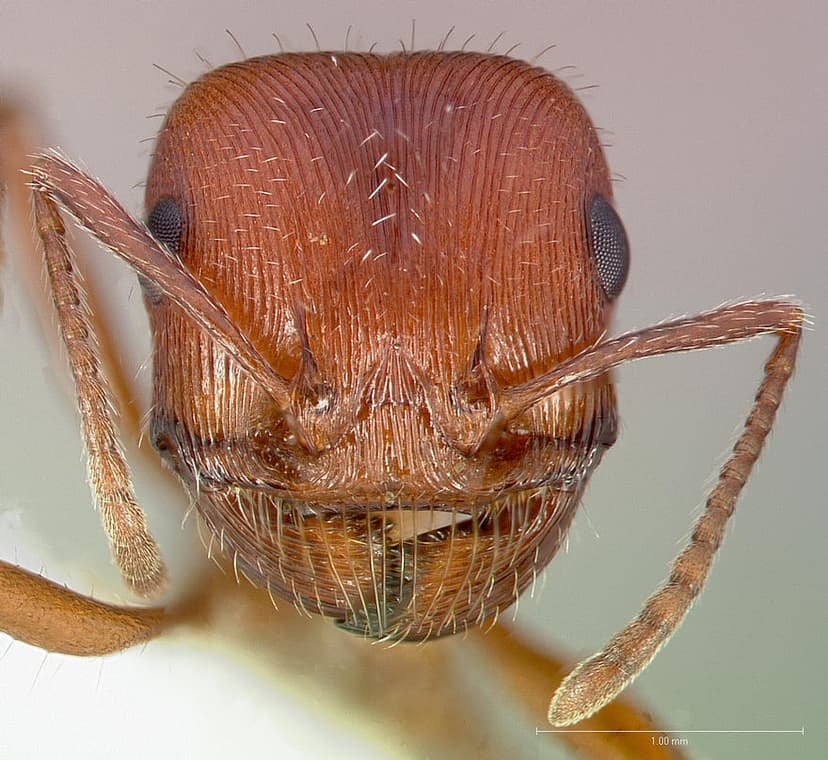
Pogonomyrmex subnitidus, a lesser‑known harvester ant endemic to the dry interior valleys and foothills of California and southern Oregon, offers the attentive keeper a fascinating window into the genus’s seed‑gathering lifestyle. Queens measure a robust 9–11 mm, their deep reddish‑brown to almost black bodies bearing the distinctive psammophore—a basket of long curved hairs beneath the head used to carry sand and soil. Workers are monomorphic, ranging from 6 to 8 mm, and share the same striking coloration and coarse sculpturing that gives them a somewhat rugged, sculptural appearance. Mature colonies in the wild can reach around 5,000 individuals (Johnson 2001), and though they are not polymorphic, the steady stream of foragers clearing vegetation from their mound and harvesting seeds is a behavior that never grows old. The species founds claustrally—newly mated queens seal themselves away and raise their first workers without ever leaving the nest—making the founding process a delightfully self‑contained and low‑intervention experience for the keeper.
Care for P. subnitidus falls squarely into the intermediate category, not because the ants are particularly delicate, but because they demand a faithful commitment to their seasonal rhythm and can deliver a memorably painful sting if mishandled. This ant is ideally suited to the keeper who has already kept a beginner species through a full annual cycle, who understands the importance of a thermal gradient, and who is comfortable doing little more than observing during the long winter months. Their defensive nature means colony checks should be deliberate and gentle; a secure, escape‑proof outworld and a pair of long forceps are essential tools. If you respect their space and provide the right physical conditions, however, P. subnitidus proves remarkably hardy and a true pleasure to watch as it transforms seeds into neat piles of chaff.
Housing must replicate the warm, arid conditions indicated by their distribution, where summer temperatures routinely climb above 30°C and humidity is low. Provide a foraging arena (outworld) with a deep layer of sand or a sand‑loam mix, as these ants are compulsive diggers and will rearrange substrate to their liking. The nest itself can be a classic plaster or ytong block with a few chambers, or a naturalistic soil setup, but it must be kept predominantly dry. Offer a temperature gradient from roughly 22°C on the cooler end to a basking spot of 32°C; a small heat pad or lamp placed at one end of the outworld works beautifully. Humidity inside the nest should stay between 30% and 50%—too much moisture invites fungal problems and stresses the colony. A small test tube of water in the outworld, refreshed regularly, is sufficient for drinking; the ants can regulate microclimates within their tunnels. Never flood the nest: these are desert‑adapted ants that have little tolerance for saturated air.
Feeding a harvester ant is unlike tending a typical sugar‑loving species. P. subnitidus is granivorous and collects seeds as its primary energy source, chewing them into a nutrient‑rich paste called “ant bread.” Offer a variety of small, clean seeds: grass seeds, dandelion, poppy, chia, and crushed nyjer are all excellent staples. A pinch every few days is plenty for a young colony; larger colonies will quickly tell you if you need to increase the amount. Protein is essential for larval growth, so supplement weekly with small pieces of freshly killed insect—fruit flies, mealworm segments, or cricket legs. Contrary to popular myth, harvester ants do accept carbohydrate liquids; a tiny droplet of sugar water or diluted honey placed on a pebble once every week or two can be eagerly consumed by workers, especially following a protein feeding. Always remove uneaten insect remains after a day to prevent mold, and keep the seed supply dry to avoid spoilage.
A genuine hibernation at around 12°C is non‑negotiable for the long‑term health of the colony. In their native range, winter temperatures reliably drop, and the ants depend on this chill period to reset their biological clocks and prepare for the next season’s brood production. When you notice the workers becoming less active and the larvae no longer developing in late autumn, gradually lower the temperature over a couple of weeks until the colony is maintained at 12°C for a period of three to four months. Some keepers move the nest into a wine cooler or a cool basement; make sure the nest doesn’t dry out completely or become dripping wet during this time. A tiny droplet of water offered once a month is usually sufficient. As spring approaches, slowly warm them back to active temperatures. Skipping hibernation frequently results in a queen that ceases to lay eggs and a gradual, sad decline.
When your P. subnitidus queen and her first workers arrive, the immediate priority is to allow them to settle in with minimal disturbance. Even a queen in a founding tube will do best if the tube is placed directly into the outworld, the exit unblocked, and left in a dim, quiet spot for a full 24–48 hours before you even think of offering food. On the third day, place a few tiny seeds just outside the nest entrance and watch from a distance; a hungry founding queen will often emerge at dusk to collect them, a behavior described for many Pogonomyrmex (Cole 1968). Do not force feed and avoid shining bright lights on the tube. The ants’ defensive responses are heightened during this vulnerable period, and excessive checking can cause the queen to eat her eggs. Once she is comfortably foraging and the first nanitic workers are seen venturing out, you can introduce a micro drop of sugar water and a leg of a fruit fly. Patience in those first two weeks pays off for decades; with proper care, this species can be a long‑lived, endlessly stimulating part of your collection.