Pogonomyrmex
Pogonomyrmex occidentalis
Nuptial Flight Calendar
Flight months: Jul, Aug, Sep
Care Guide
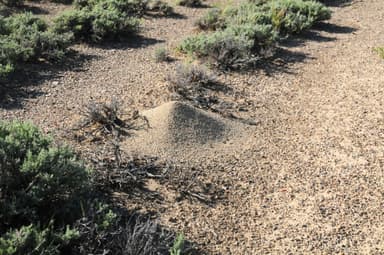
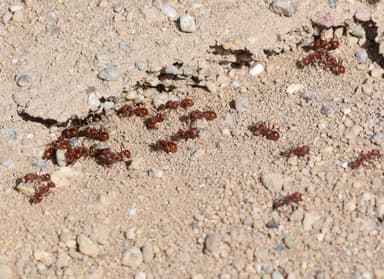
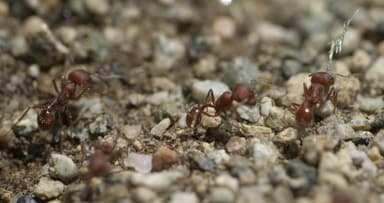
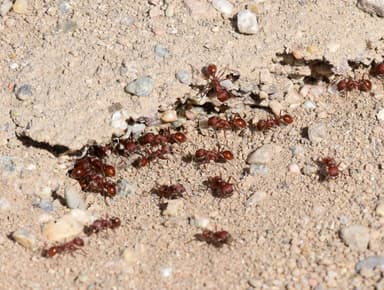
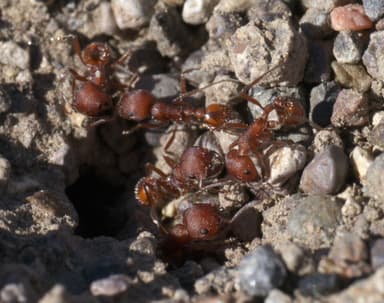
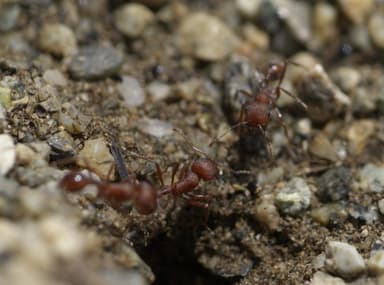
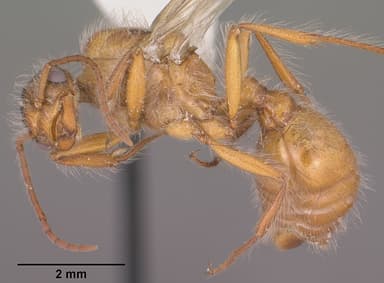
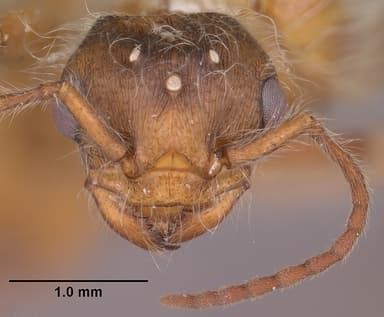
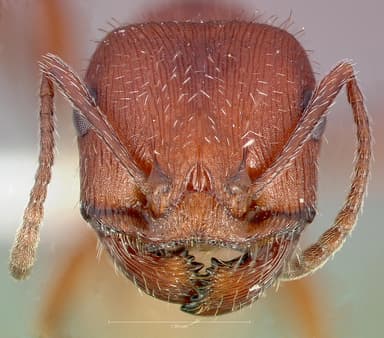
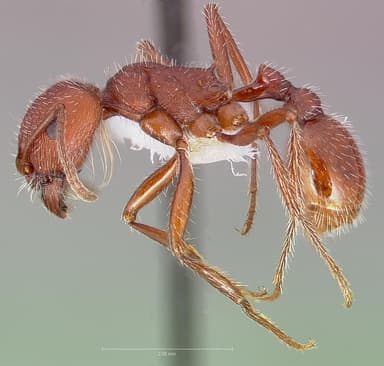
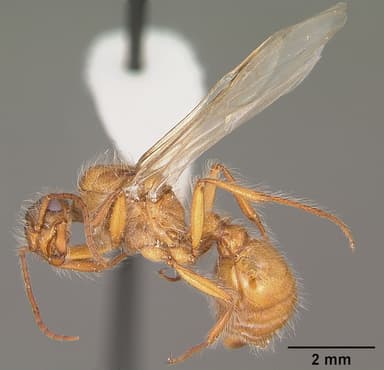
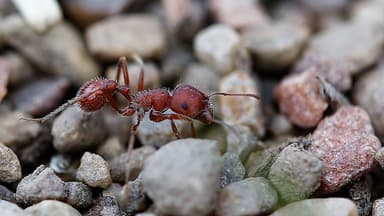
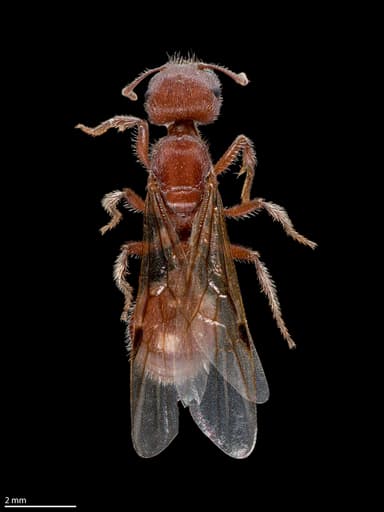
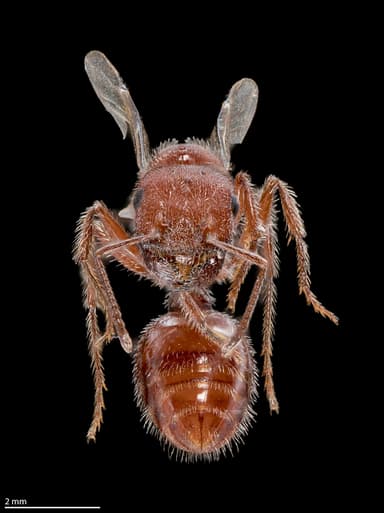
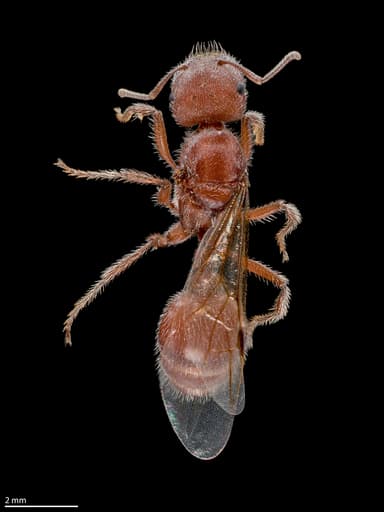
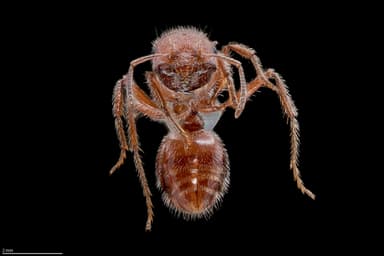
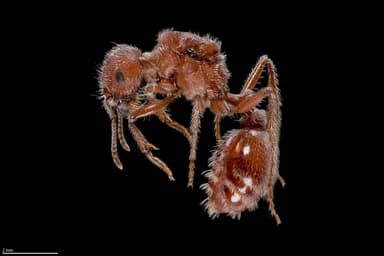
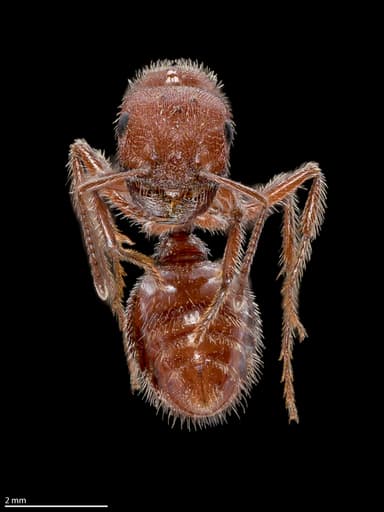
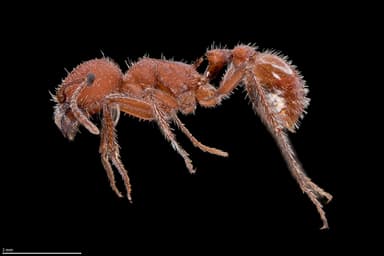
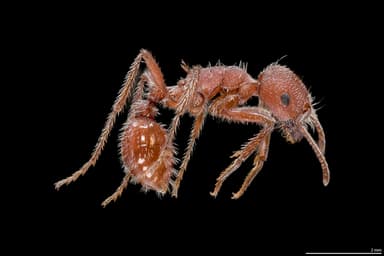
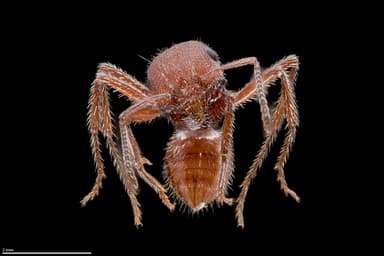
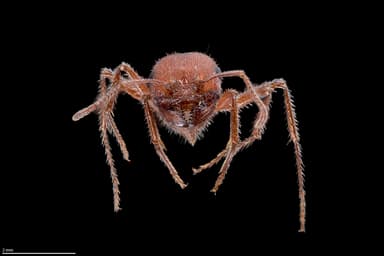
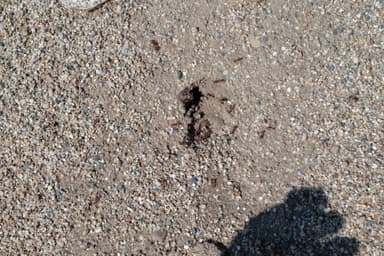
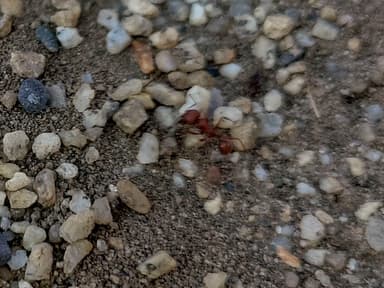
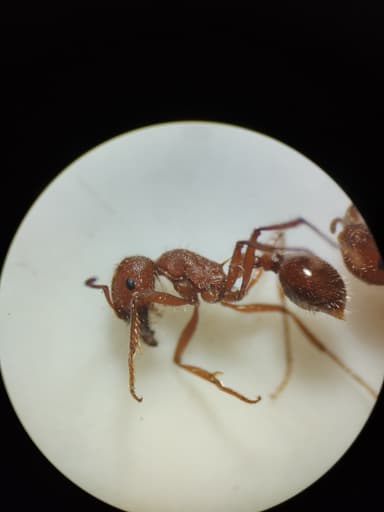
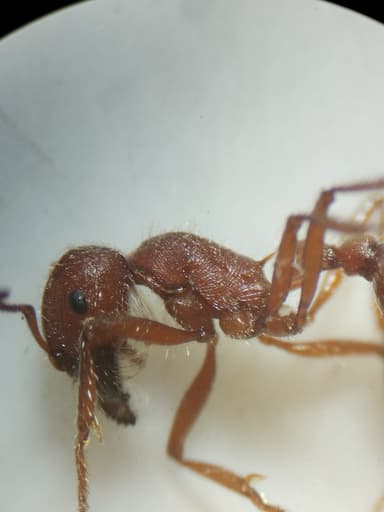
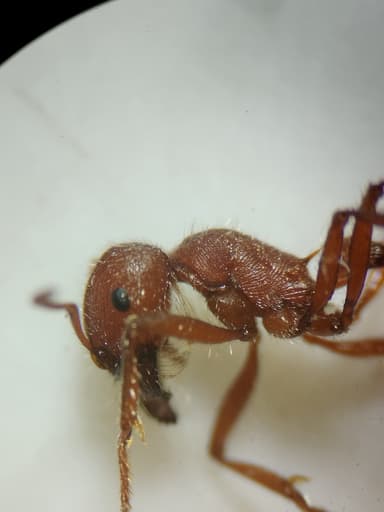
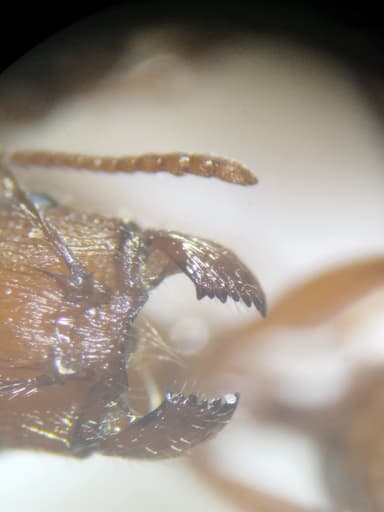
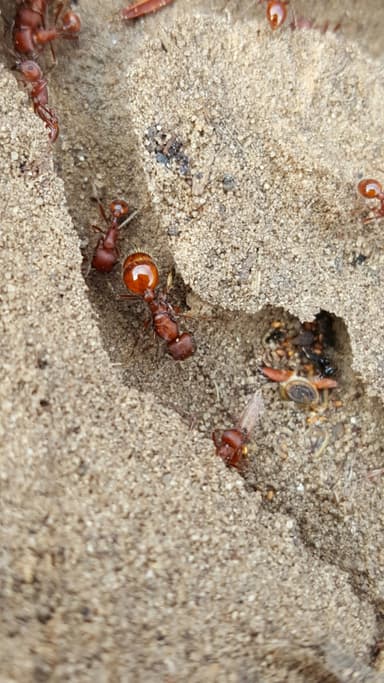
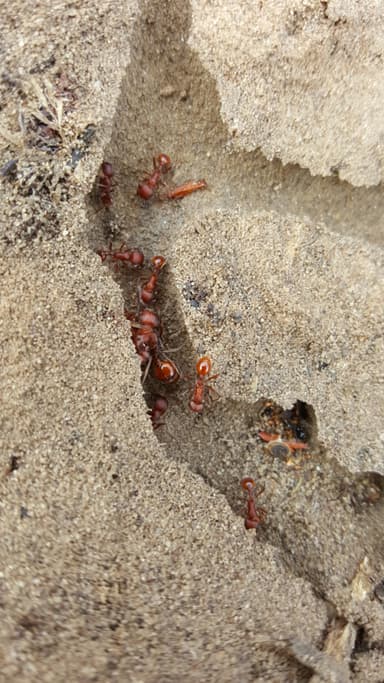
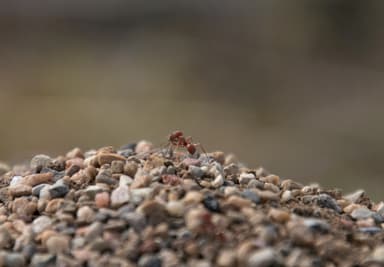
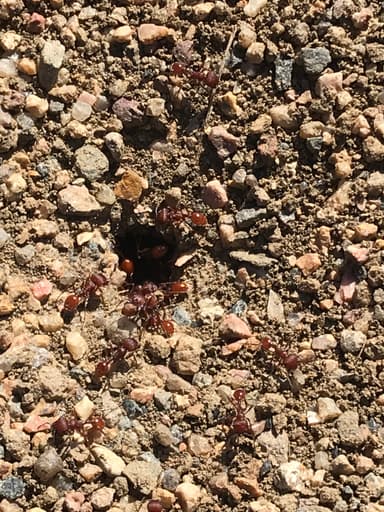
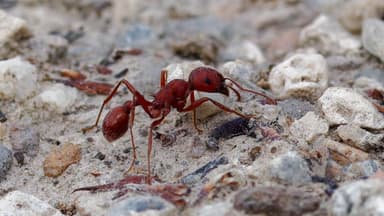
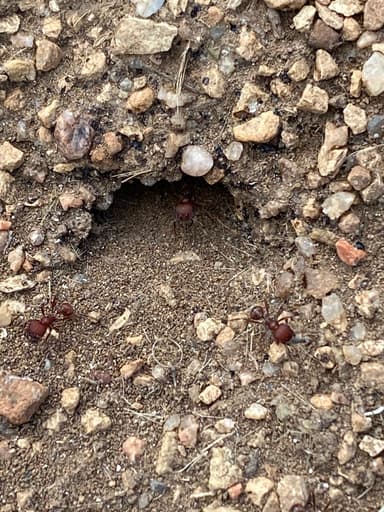
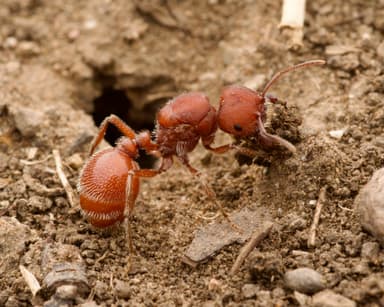
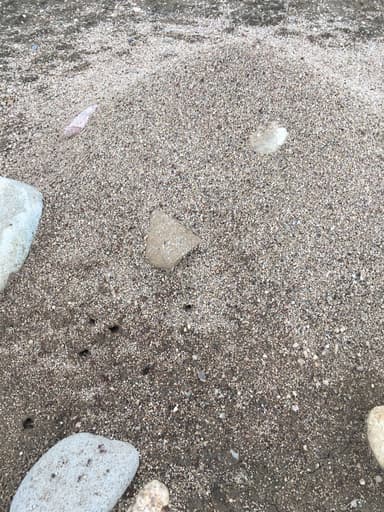
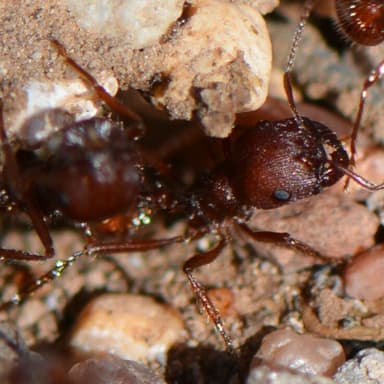
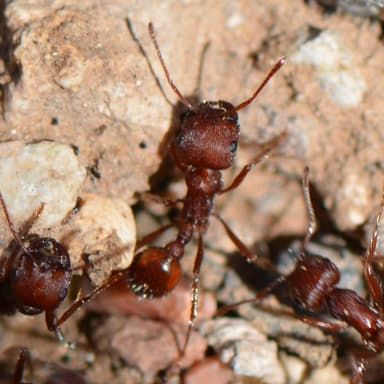
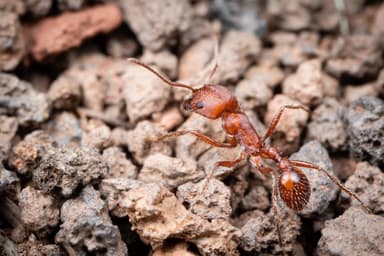
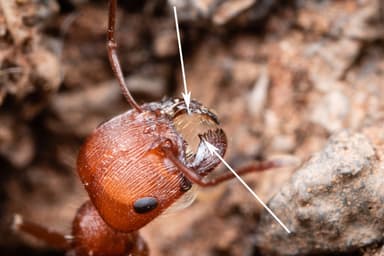
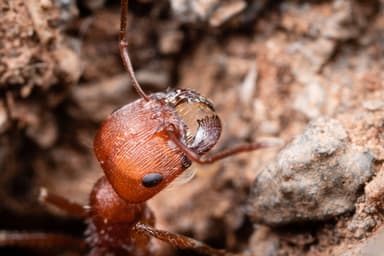
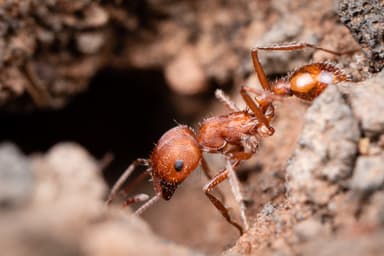
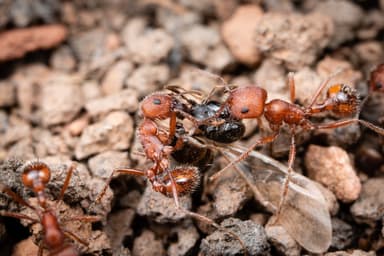
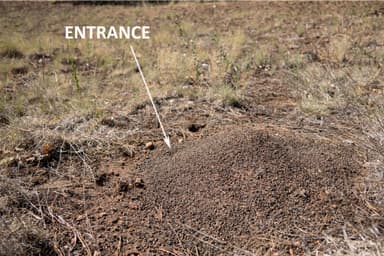
Pogonomyrmex occidentalis, the western harvester ant, is a striking species that embodies the rugged character of North America’s arid basins and high deserts. Workers range from 5 to 8 mm in length and display a monomorphic caste structure, all sporting a deep red to mahogany exoskeleton and a robust, blocky build that immediately sets them apart from more delicate ants. The queen is substantially larger, at 9 to 11.5 mm, and founds colonies claustrally — secluding herself in a sealed chamber to rear her first brood using only her own metabolic reserves. Mature colonies can swell to around 12,000 individuals and are famous for their cleared foraging disks and gravel‑studded mounds, which act as solar collectors (Cole 1968). These ants play an outsized ecological role as seed dispersers and soil engineers (MacMahon et al. 2000), and for the keeper, their methodical seed‑harvesting behavior and alert, almost mechanical foraging marches make them endlessly fascinating to observe.
This is an intermediate‑difficulty species best suited to keepers who have successfully maintained a few beginner colonies and are ready to respect a potent sting. Western harvester ants are not overtly aggressive away from the nest, but they will not hesitate to defend their territory with a venomous jab that packs a memorable burn (MacMahon et al. 2000). Their escape artistry is equally formidable; walls of fluon or a tight‑fitting lid with a physical barrier are non‑negotiable. If you are comfortable managing a species that demands a careful eye on humidity and cannot be casually handled, P. occidentalis rewards you with a colony that remains active above ground throughout the warm months and exhibits highly visible, diurnal foraging — a far cry from the secretive habits of many other ants.
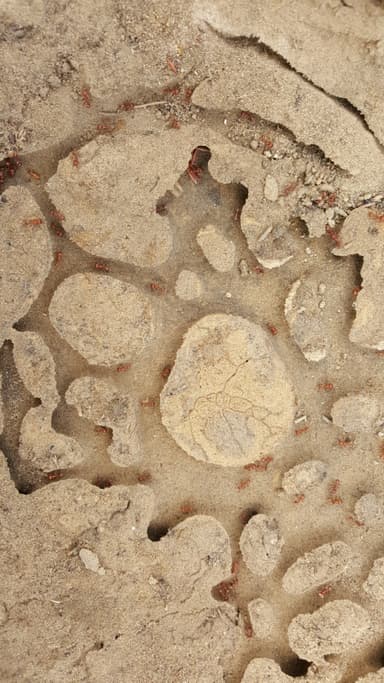
Successful housing begins with replicating their xeric (dry) home. Temperatures should span 20–32°C, with a basking spot at the warmer end supplied by a heat lamp or mat placed on one side of the nest. Crucially, these ants need low atmospheric humidity: aim for 30–50%, and never add water directly to the nest substrate. A ytong or plaster nest with a thin, naturalistic layer of fine sand and clay allows them to sculpt minor chambers and gives the soil‑dwelling queen a sense of security. Many keepers attach a spacious outworld filled with a sand‑loam mix so the workers can express their instinct to forage, excavate, and process seeds. The nest itself should have only a small, stoppered water source (a test tube with a cotton plug works well) to provide drinking water without raising the ambient moisture to levels that cause fungal problems or stress.
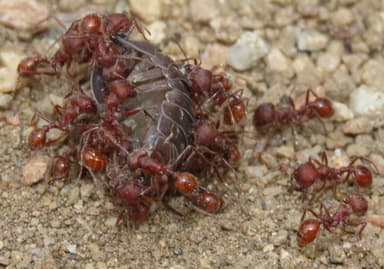
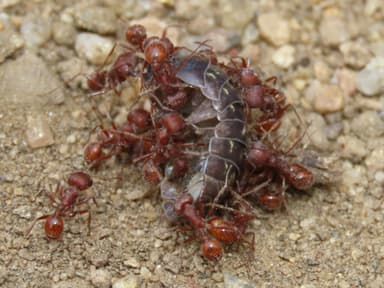
A harvester ant’s menu revolves around seeds, but protein is indispensable for brood production. Offer a rotating selection of small seeds — grass, dandelion, chia, or poppy — which the workers will dehull and store in dry “granaries.” Twice a week, supplement with a freshly killed insect: a chopped mealworm, cricket, or flightless fruit fly. These ants rarely show great interest in liquid sugars; a micro‑drop of honey on a small piece of foil may be accepted in spring when the queen is laying actively, but overdoing it can lead to sticky trap‑outs. Always provide fresh water in the test‑tube dispenser, and promptly remove any uneaten insect parts to maintain the clean, dry environment they demand.
Hibernation at around 8°C is not optional — it is a physiological necessity that governs longevity and seasonal reproduction. Originating from regions where winter temperatures plunge, P. occidentalis enters a natural diapause. Starting in late October or November, gradually lower the temperature over two weeks to about 8°C and hold it for three to four months. A wine cooler or a cold stairwell that stays consistent works well. The ants will cluster into a tight knot and move little; this torpor is exactly what you want. In early spring, warm them slowly and watch for the queen to resume laying. Skipping this chill will lead to dwindling worker numbers and an unhealthy queen, so treat it as a fixed point on your calendar.
When your colony first arrives, patience is the greatest tool. Place the queen (or small founding unit) in a dark, vibration‑free spot for at least 48 hours before doing anything more than a brief peek. Because founding is claustral, a recently mated queen needs no food; she will sustain herself until nanitic workers emerge, often a month later. If you’ve acquired a young colony with a handful of workers, wait a day, then introduce a pinch of seeds and a tiny bit of pre‑killed insect. Do not be alarmed if they initially huddle in the nest and ignore the offering — the colony will start earnest foraging once it feels settled. Watch for excessive moisture build‑up in the tube or nest, as this is the fastest route to an ailing founding queen, and resist the urge to over‑feed, which only invites mold. With steady, hands‑off care, your harvester ants will soon begin their tireless work of turning seeds into one of the most iconic ant societies in the hobby.