Pheidole
Pheidole flavens
Nuptial Flight Calendar
Flight months: May, Jun, Jul, Aug, Sep
Care Guide
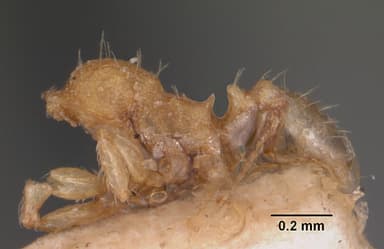
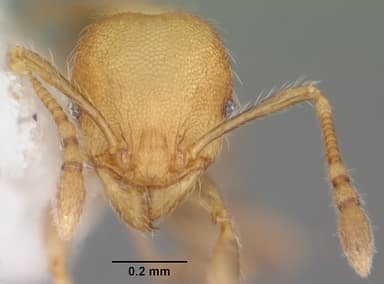
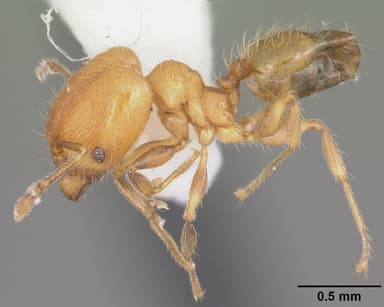
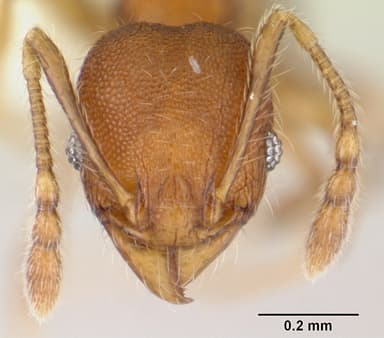
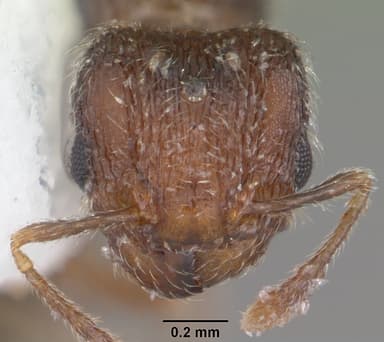
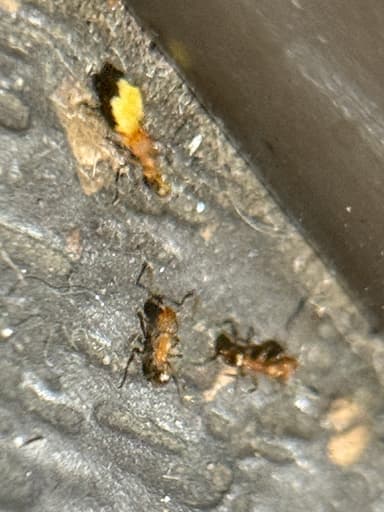
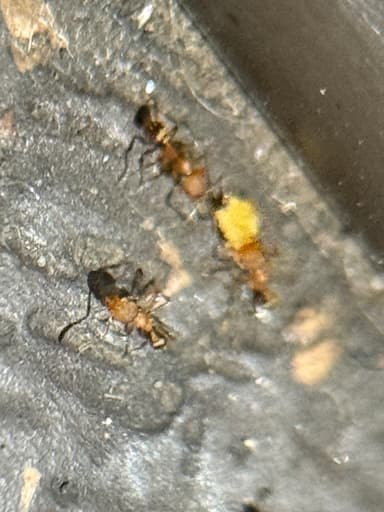
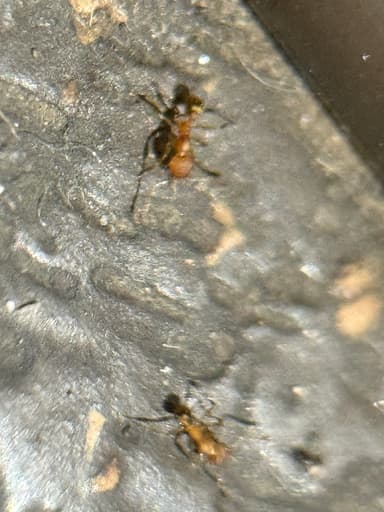
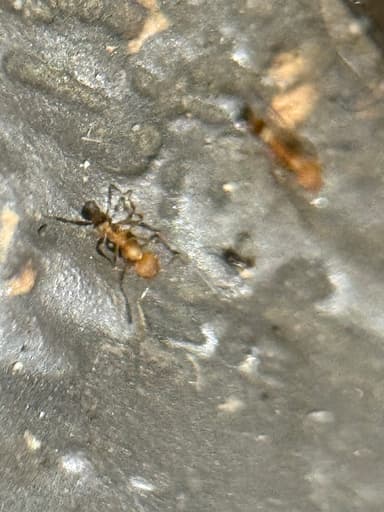
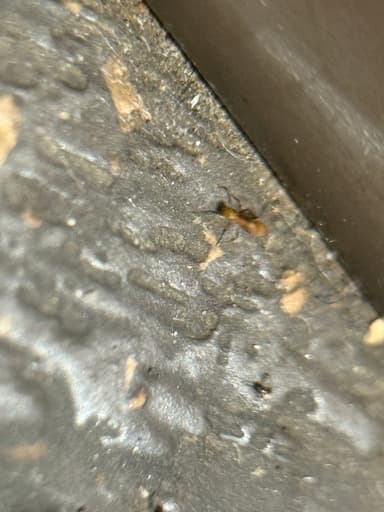
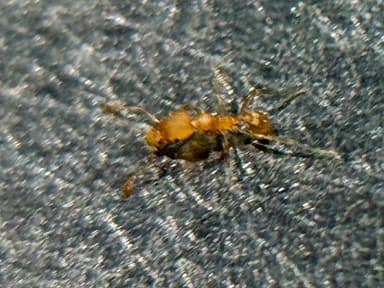
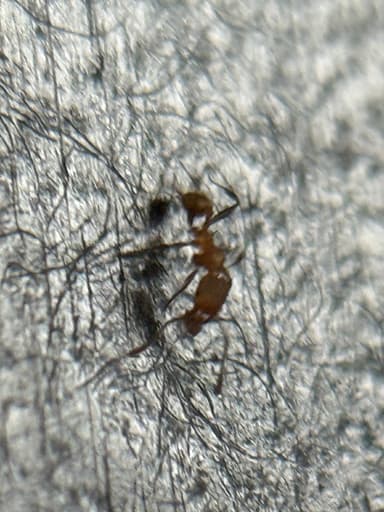
Pheidole flavens stands out as one of the most accessible yet endlessly fascinating ants for the home formicarium. The species is strongly dimorphic, producing two visually distinct worker castes: the tiny, amber-hued minor workers that rush about in ceaseless motion, and the larger major workers with their disproportionately bulky, heart-shaped heads that serve both for seed-cracking and colony defense. Queens measure a modest 3.5 to 4.5 mm, while minors range from a mere 1.5 to 2.5 mm — small enough that a mature colony of several thousand individuals can be housed in a surprisingly compact nest. In the wild, these ants are a quintessential element of the Neotropical myrmecofauna, spanning a vast natural range from the Caribbean and Central America down through much of South America (Wilson 2003). They thrive in lowland tropical and subtropical habitats, but have also established themselves as a widespread tramp species, their tiny size allowing them to hitchhike in soil and plant material around the globe. For the keeper, this means a colony grows with remarkable momentum, and the interplay between the tireless minors and the intermittently deployed soldiers offers an endlessly watchable display of social insect cooperation.
Care difficulty for Pheidole flavens sits firmly at the beginner level, making it an exceptional entry point into the hobby. The species is notably resilient to the small fluctuations in temperature and humidity that inevitably occur in a household setting, and it lacks a hibernation phase entirely, meaning there is no annual cycle to manage. This suits anyone who wants a year-round, low-maintenance colony that remains active and visible. While the ants’ minuscule stature demands a degree of vigilance in escape-proofing — they can exploit imperfections in seals that larger species ignore — this teaches good foundational habits. The colony’s fast growth and bold foraging behavior reward observation without the anxiety that a delicate, rare species might provoke. I recommend P. flavens to city-dwelling enthusiasts with limited space, educators looking for a durable classroom colony, and anyone keen to witness the full arc of colony development from a single claustral queen to a teeming society of up to 10,000 workers.
Housing this species successfully revolves around providing a warm, humid environment and a secure barrier. Maintain the nest area at 22 to 28°C, with relative humidity in the 50 to 70 percent range — a small drop in humidity overnight is well tolerated, but sustained dryness can cause workers to shrivel, given their tiny bodies. Plaster, ytong (autoclaved aerated concrete), or properly sealed grout nests all work brilliantly; these materials wick moisture evenly and can be designed with narrow galleries that match the ants’ small dimensions. The foraging arena, or outworld, benefits from a thin layer of sand or coconut coir, which helps retain ambient humidity and gives the workers a natural surface to patrol. A generous application of fluon or a talcum powder-and-alcohol mixture on the upper walls will prevent escapes, but renew it regularly because these ants are persistent testers of boundaries. Lighting can be ambient room light, though they forage more confidently under a red film or in gentle shade. At this scale, even a modest heating cable placed against one side of the nest creates a thermal gradient they will use to position their brood precisely where temperatures are optimal (often clustering near 27°C).
Diet for Pheidole flavens should emphasize regular, modest-sized offerings. As a predator-scavenger, the colony accepts a wide variety of protein: freshly killed fruit flies (a staple), tiny pinhead crickets, chopped mealworms, or even a sliver of cooked egg white. Feed protein two to three times a week, removing uneaten portions after 24 hours to prevent mold. Carbohydrates are equally critical; a small dab of honey, sugar water (applied via a soaked cotton ball in a bottle cap), or commercial ant nectar delivers the energy their frenetic lifestyle demands. Water must be available at all times, either through a water-feeder tube or a permanently dampened patch of the nest substrate. Minors will readily recruit to both food and water sources, and it is a delight to watch them signal nestmates back to a droplet of sugar. Because the colony grows quickly, anticipate gradually increasing portion sizes and frequency; a well-fed colony with a large brood pile can double its numbers in a matter of months.
One of the greatest conveniences for the keeper is that Pheidole flavens requires absolutely no hibernation period. As a species of tropical and subtropical origin, its biorhythms expect constant warmth and food availability. Simply maintain the recommended temperature range year-round, and the queen will continue laying eggs without interruption. This continuous growth cycle is deeply rewarding for those who enjoy tracking colony expansion, and it spares you the logistical puzzle of finding cold storage or a drafty windowsill. There is, however, one seasonal aspect worth noting: in their native Neotropics, nuptial flights typically occur on warm, humid evenings following rainfall during the wet season months of May through September (AntWiki). While captive colonies rarely produce alates in a small formicarium, the knowledge adds a layer of appreciation for the species’ natural rhythms and can help if you ever attempt to catch a wild queen on a fortuitous tropical night.
When your Pheidole flavens colony arrives, whether as a founding queen in a test tube or a small starter group, the first days are about patient, low-disturbance acclimation. Place the tube or container in a dim, vibration-free spot and resist the temptation to check on them for at least 24 hours. If the colony already includes workers, you may offer a minute drop of sugar water on a slip of baking paper after this quiet period, carefully inserted near the nest entrance. For a claustral queen still sealed in her tube, no food is needed until the first workers eclose; her body fat reserves will sustain her. Watch for signs of stress: a queen pacing restlessly or workers chewing at the cotton plug may indicate humidity is too low or the setup feels exposed. A gently darkening cover over the tube will often settle them. Once they are calmly established and foraging, you can connect them to their permanent nest — but let them decide the pace of the move, as forced migration can cause unnecessary losses. With a calm start, your P. flavens colony will soon reward you with the industrious bustle and intricate caste dynamics that have made this little ant one of the most beloved introductions to myrmecology.