Pheidole
Pheidole californica
Nuptial Flight Calendar
Flight months: Apr, May, Sep, Oct, Nov
Care Guide
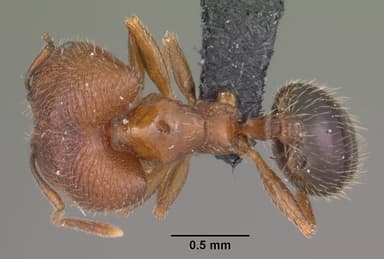
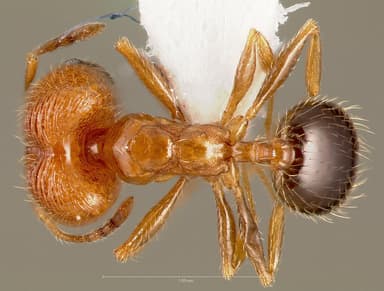
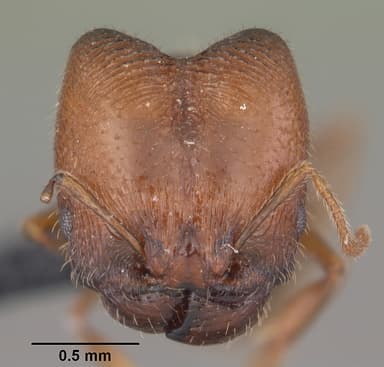
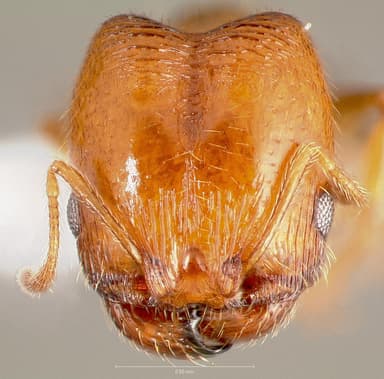
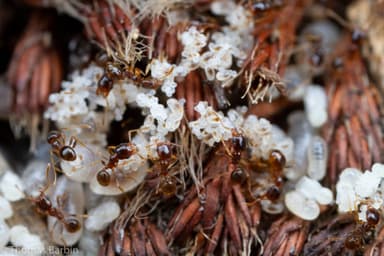
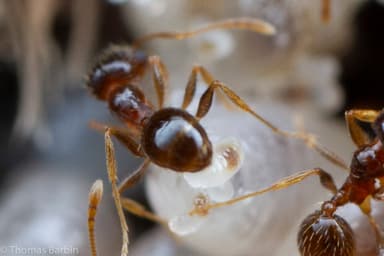
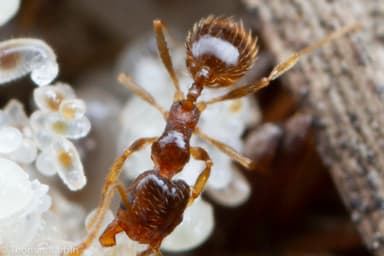
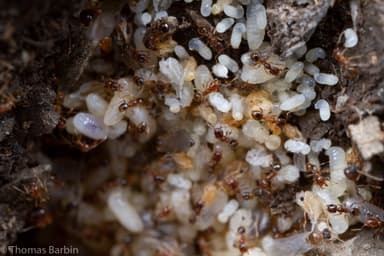
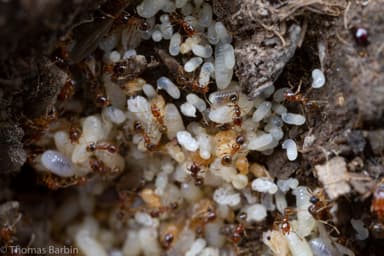
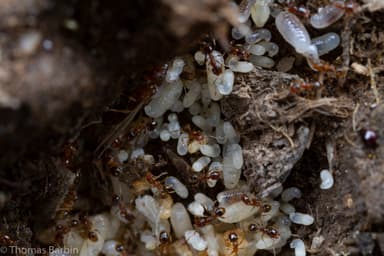
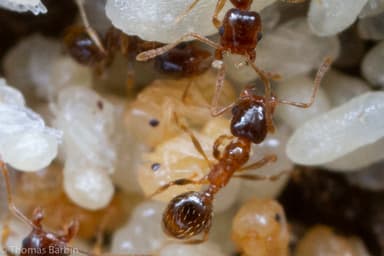
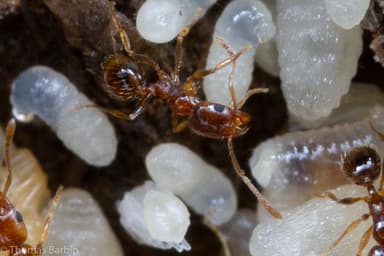
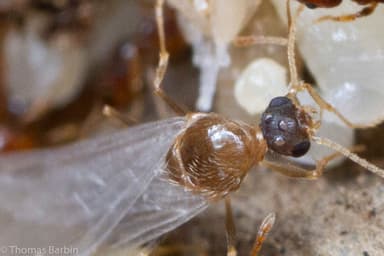
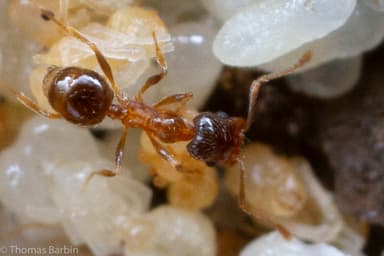
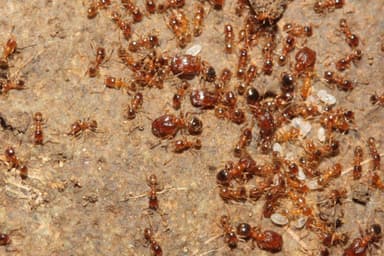
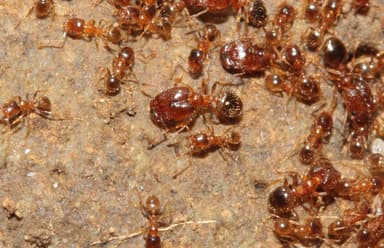
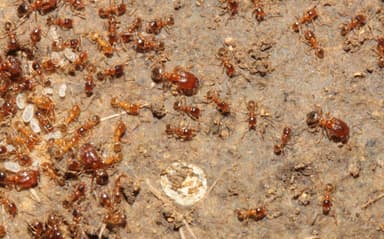
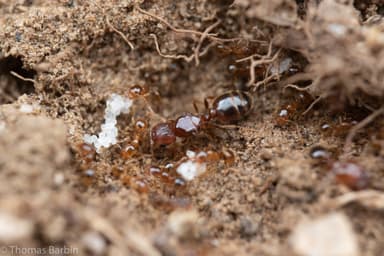
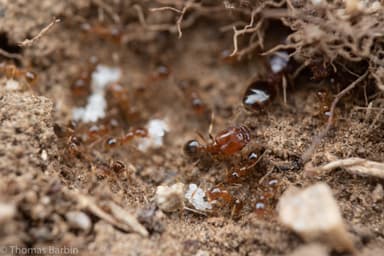
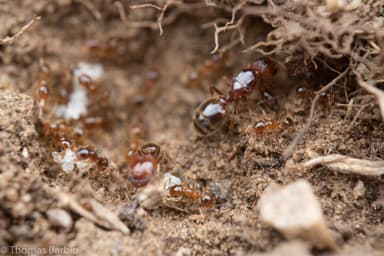
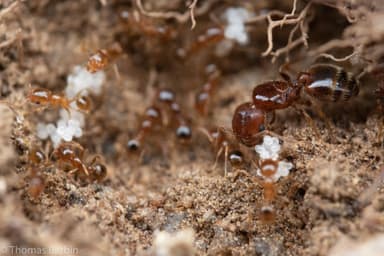
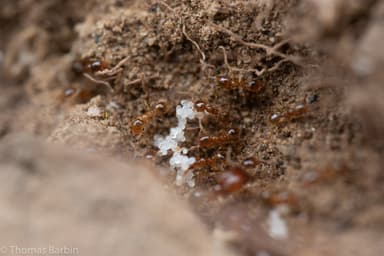
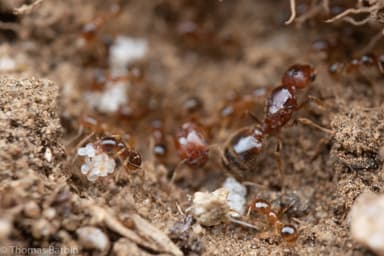
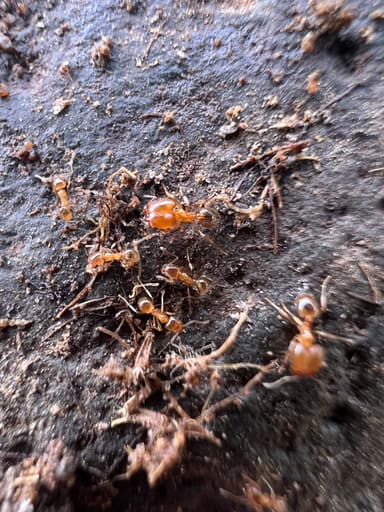
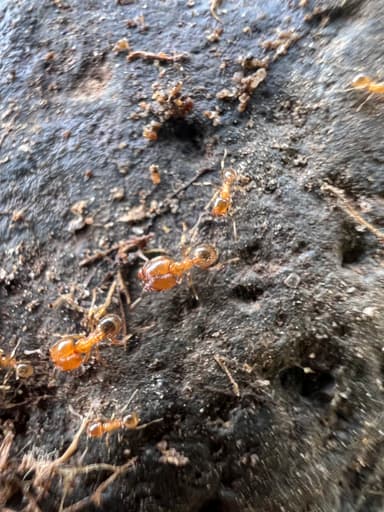
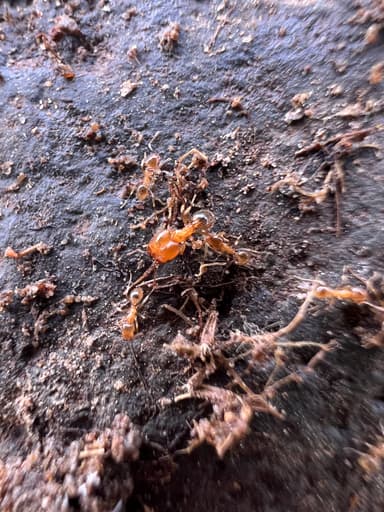
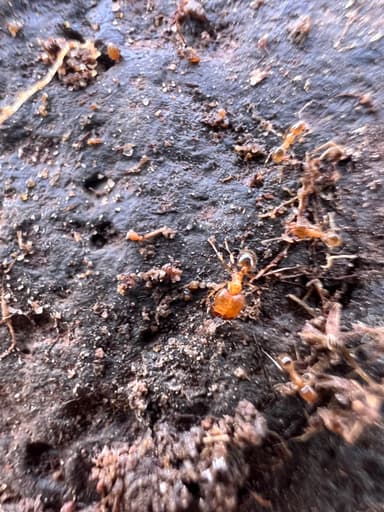
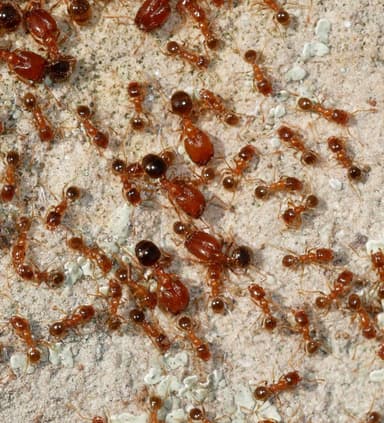
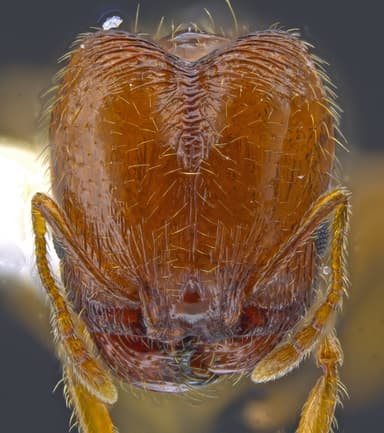
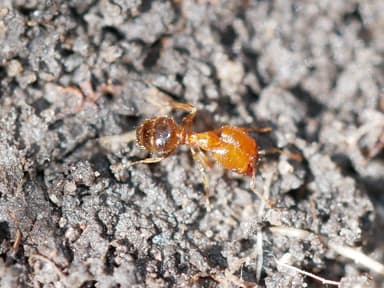
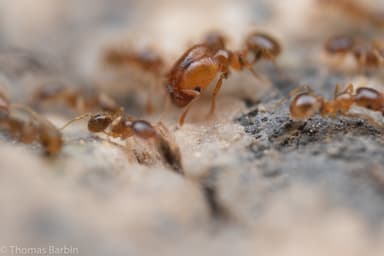
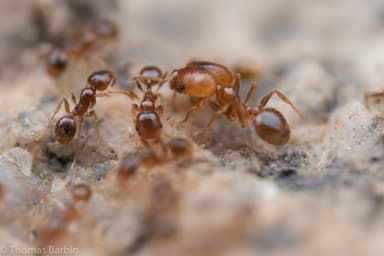
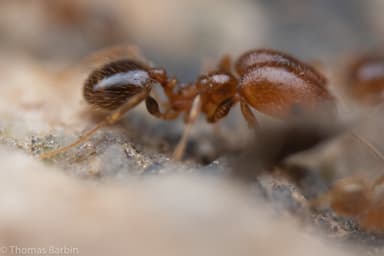
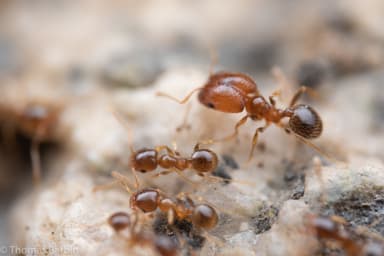
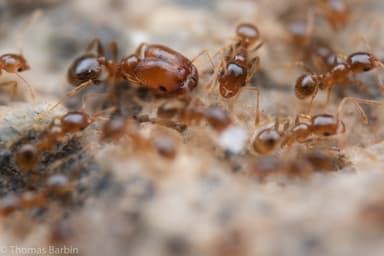
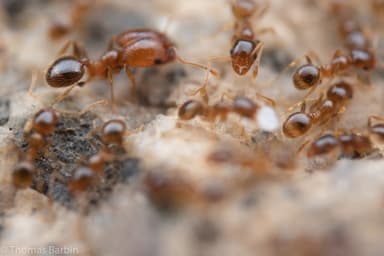
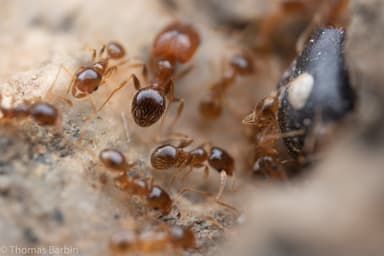
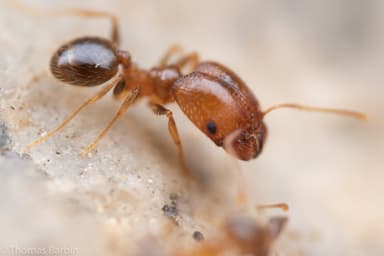
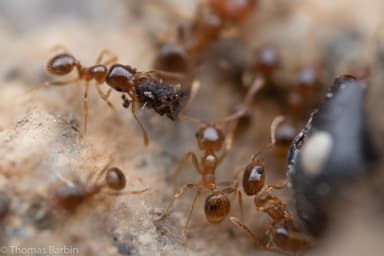
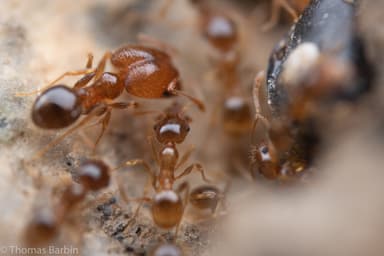
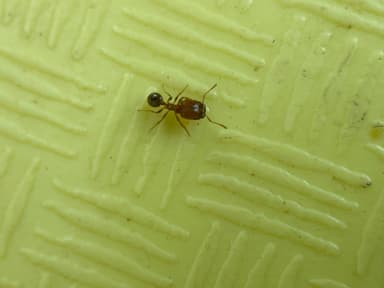
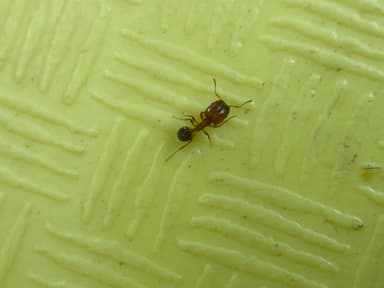
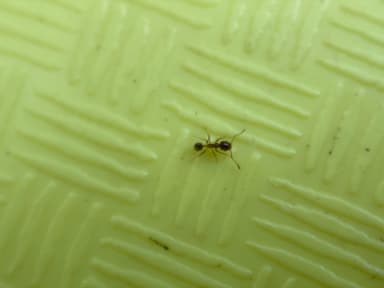
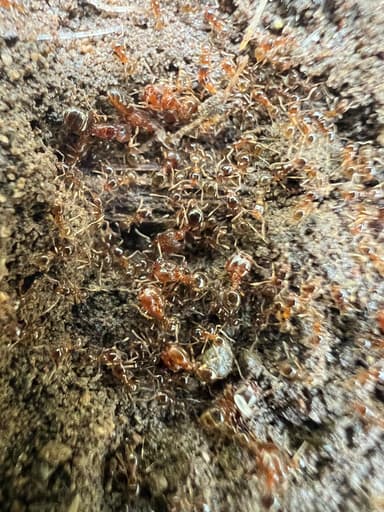
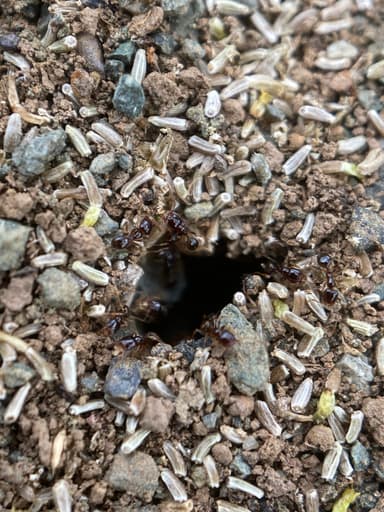
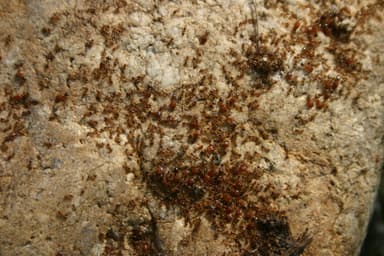
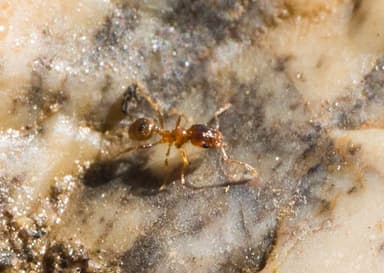
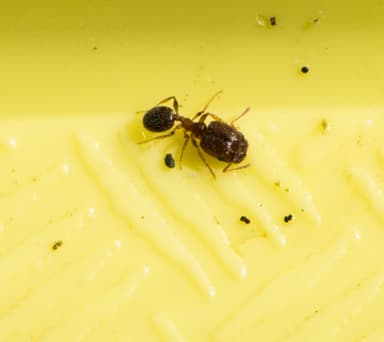
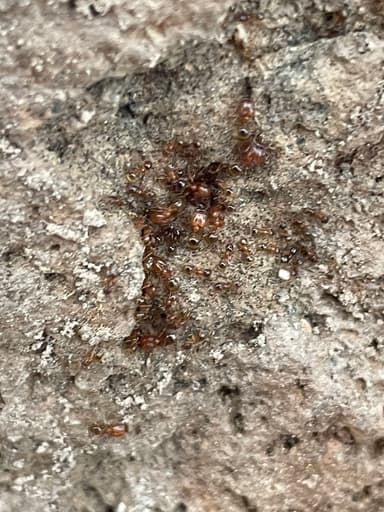
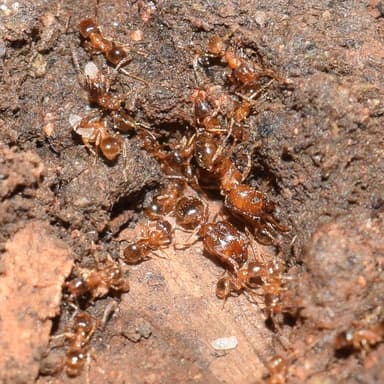
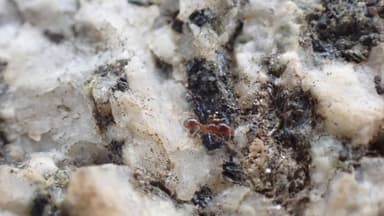
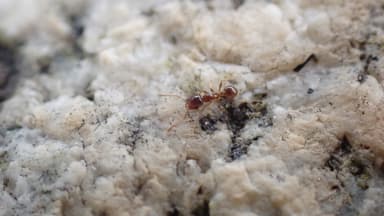
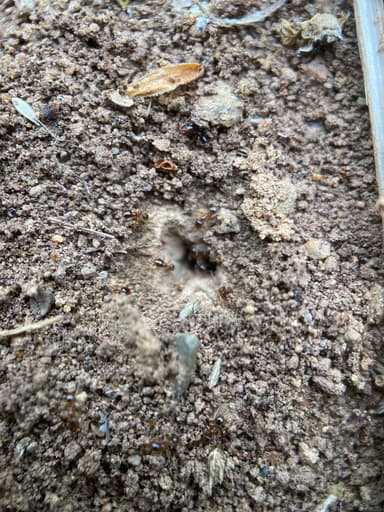
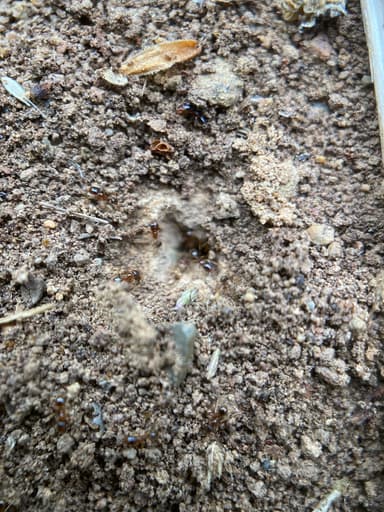
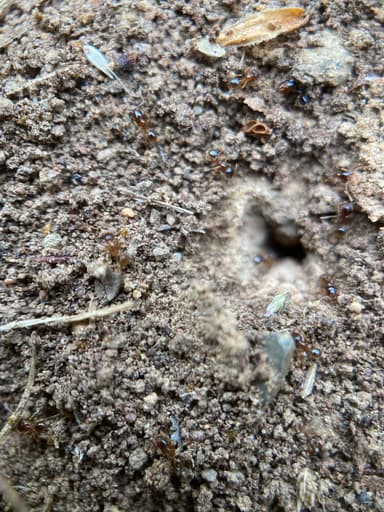
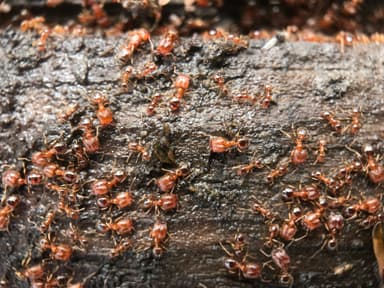
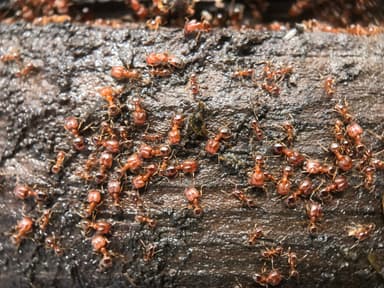
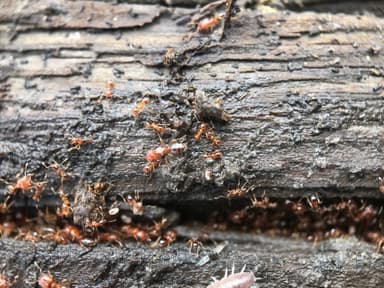
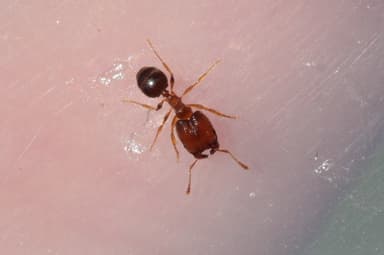
Pheidole californica, an endemic species of California and adjacent southwestern habitats, is a true gem among North American ants. Queens measure a modest 5–6.5 mm, while the workers display the striking dimorphism characteristic of the genus: swift, gracile minors (1.8–3.2 mm) and robust, big-headed majors (Wilson 2003). Mature colonies can swell to 10,000 individuals, bustling with activity as the two castes partition tasks—minors attend brood, forage, and excavate, while the phragmotic majors crack seeds and defend the nest with their powerful mandibles. The species’ distribution, mapped by GBIF occurrence data, spans from southern Oregon to Baja California, hugging the coastal and inland valleys within a bounding box from roughly 28.5°N to 42°N, 124.5°W to 110°W. Nuptial flights occur in early autumn, typically September through November, triggered by warm, humid mornings following the first seasonal rains, when winged reproductives take to the air. This claustral founder emerges from the soil after shedding her wings, sealing herself in a chamber to rear her first brood entirely from internal fat reserves and wing-muscle histolysis—no foraging required. The resulting colony is a miniature society that embodies the hyperdiverse Pheidole radiation, offering keepers a front-row seat to caste specialization and the ceaseless energy of a large formicarium.
Designated as beginner-friendly, Pheidole californica is forgiving of minor husbandry errors, making it an excellent choice for novices and a joyful workhorse for veterans. Its claustral founding eliminates the stress of feeding a lone queen, and the colony grows rapidly once the first workers eclose. The species’ tolerance for a wide temperature window (22–30°C) and moderate humidity (40–60%) means that ambient room conditions often suffice, though a gentle heat mat or cable can accelerate brood development if desired. Because these ants are robust and seldom suffer from sudden collapses, they serve as an ideal introduction to polymorphic species. The only caution is that their eventual size—potentially a teeming mass of ten thousand workers—demands a ready upgrade path in housing and an appreciation that they will quickly consume resources. For those willing to provide that space, the reward is a dynamic, endlessly watchable colony that exhibits textbook seed-harvesting and cooperative transport behaviors.
Housing Pheidole californica requires a nest that accommodates their rapid expansion while providing a moisture gradient suited to their natural semi-arid chaparral and oak-woodland habitats. A plaster, ytong, or 3D-printed formicarium works beautifully, offered with a temperature of 22–30°C and relative humidity between 40% and 60%. While they will accept a simple tub-and-tubes setup, a dedicated nest with a hydration chamber allows the colony to self-regulate—workers will move brood to the zone that best matches their needs. Substrate is not necessary inside the nest, but a thin layer of sand or sterilized soil in an outworld mimics their native terrain and provides grip. Avoid overly humid setups that can cause condensation or mold; these ants hail from regions where dry summers are the rule, and chronic dampness invites mites and fungal blooms. A well-ventilated outworld with a secure barrier (fluon or olive oil) is essential—minors are escape artists par excellence, capable of scaling seemingly glass-smooth surfaces. The majors’ oversized heads are not only defensive weapons but also effective pluggers of nest entrances, so nest portals should be appropriately sized to allow them to pass.
The diet of Pheidole californica reflects a flexible opportunism, grounded in granivory and scavenging. In the wild, these ants collect a wide array of seeds, storing them in subterranean granaries where majors methodically mill them into a fine paste for the colony (Wilson 2003). In captivity, offer a selection of small seeds such as chia, poppy, or crushed sunflower hearts, which will be eagerly harvested. Protein is equally vital for brood production: provide freshly killed insects—fruit flies, pinhead crickets, mealworm pieces, or termites—twice weekly for small colonies, gradually increasing as the population swells. Carbohydrates can be supplied via organic honey, diluted maple syrup, or sugar water soaked into a cotton ball; avoid pure liquid sugars that can drown workers. Always maintain a clean water source, either through a test-tube setup or a water tower. Remove protein leftovers before mold sets in, and be attentive to the colony’s appetite: a refusing colony may be satiated or preparing for diapause. Notably, the majors’ seed-cracking behavior is a spectacle worth the price of admission, and providing a variety of seed textures encourages this natural repertoire.
This species requires a true hibernation period to maintain long-term colony health. In their native range, winter temperatures dip, and short-day signals trigger a metabolic slowdown. Plan for a cool rest at approximately 15°C for two to three months, ideally from December through February. Gradually reduce heating in late November, allowing the colony to settle; workers will cluster tightly around the queen, brood production will cease, and activity will diminish to a crawl. Provide a small water source during diapause, as desiccation remains a risk even in torpor. A wine cooler or basement that reliably holds 15°C is ideal, but a refrigerator with a temperature controller can serve in a pinch—just ensure it does not freeze. When warming them in early spring, raise the temperature incrementally over a week to avoid shock. Skipping hibernation may lead to restless, dwindling colonies and reduced queen fecundity, so this periodic rest is non-negotiable.
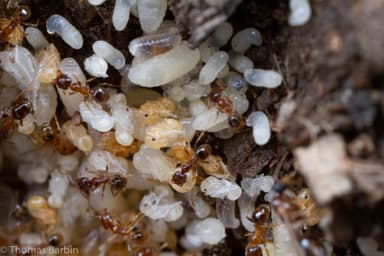
The first days after purchasing a young colony of Pheidole californica are critical for establishing trust between ants and keeper. Upon arrival, gently transfer the colony into its new nest (if not already housed) and place the entire setup in a dim, vibration-free area for 24–48 hours. Resist the temptation to feed immediately; the ants need time to explore, settle, and designate trash and brood zones. After this initial respite, offer a tiny drop of sugar water on a piece of foil or cotton, and a single pre-killed fruit fly or small mealworm segment placed near the nest entrance. Watch that workers discover and recruit quickly—Pheidole minors are expert foragers and will typically begin feeding within hours. If the colony ignores the offerings, remove them after a day to prevent spoilage and try again the next day. A healthy colony will soon display vigorous foraging lines, with majors lumbering out to inspect. Avoid jarring the nest or shining bright lights for the first week; signs of stress include persistent clustering in the furthest corner and refusal to forage. Once the ants are confidently feeding and minor brood is visible, you can gradually introduce a normal feeding schedule. With patience and gentle acclimation, your Pheidole californica will rapidly reveal the ceaseless industry that makes this species a standout in the ant-keeping world.