Myrmica
Myrmica ruginodis
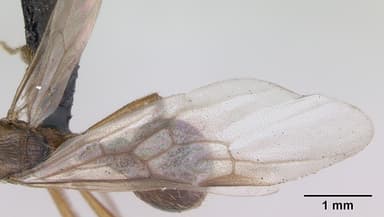
Nuptial Flight Calendar
Flight months: Jul, Aug, Sep
Care Guide
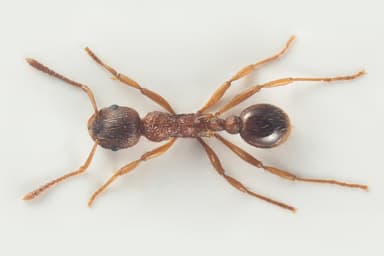
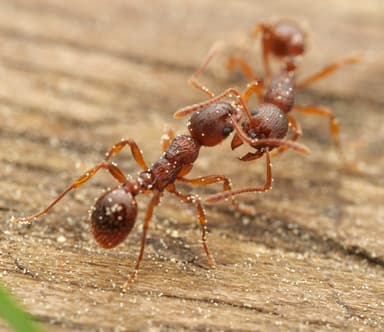
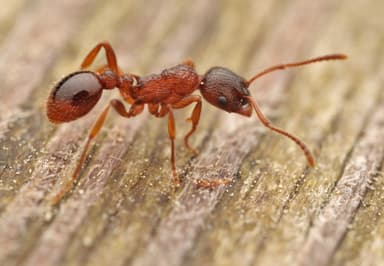
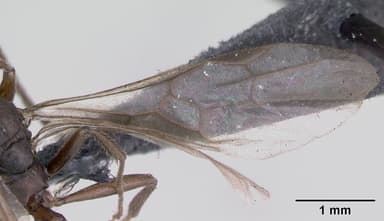
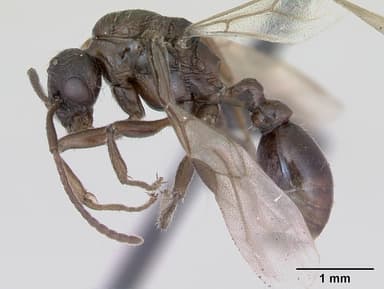
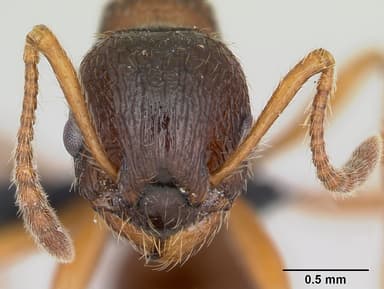
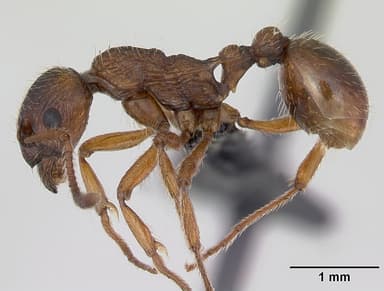
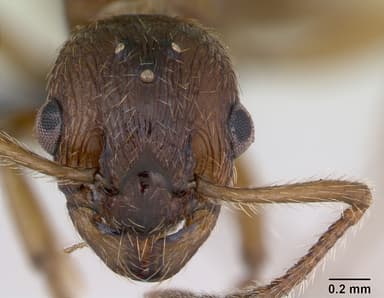
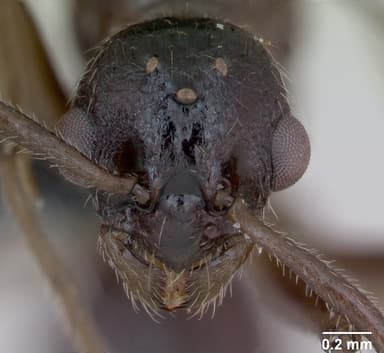
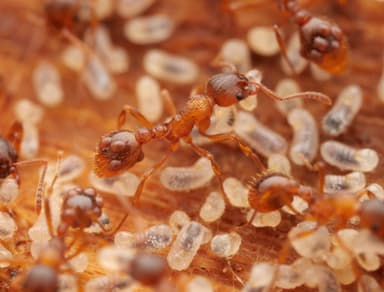
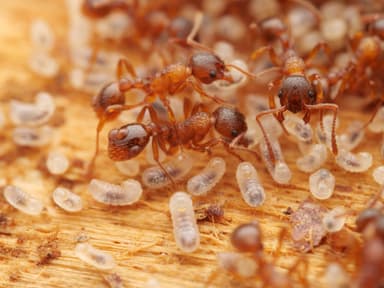
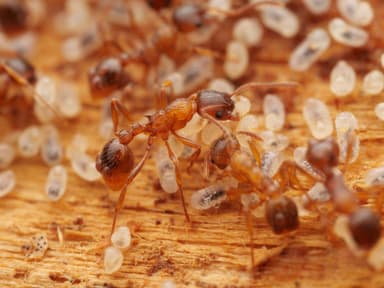
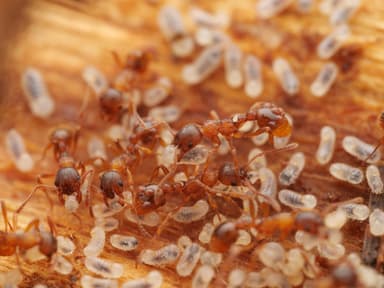
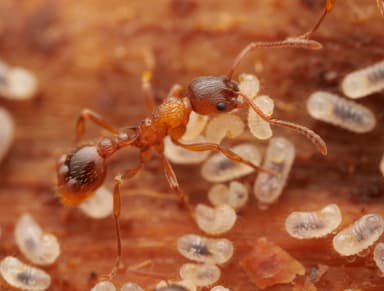
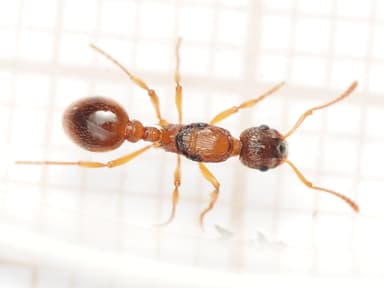
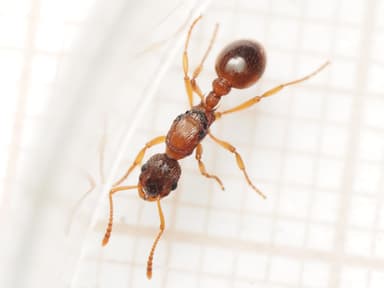
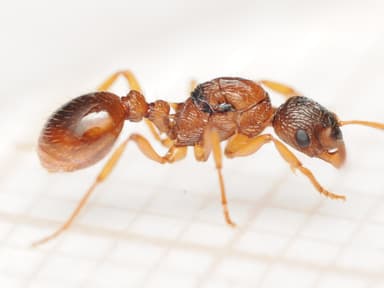
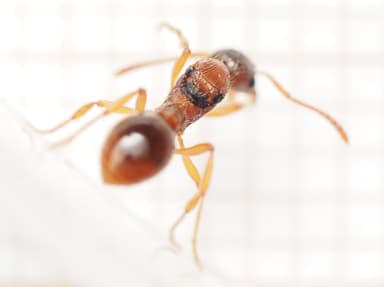
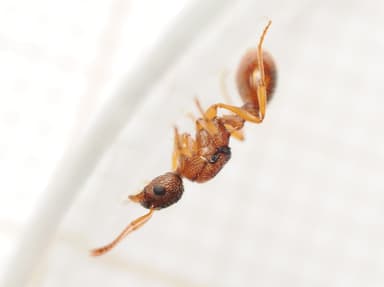
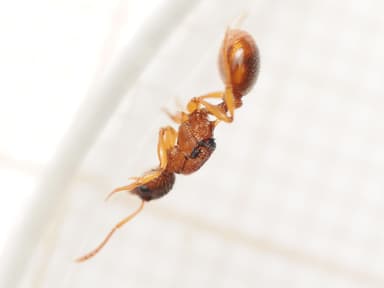
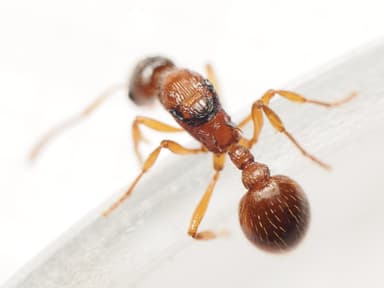
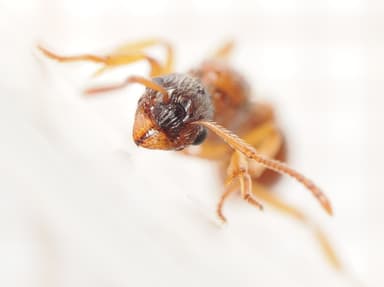
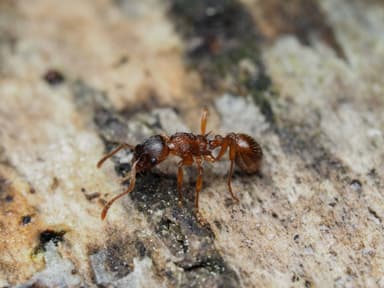
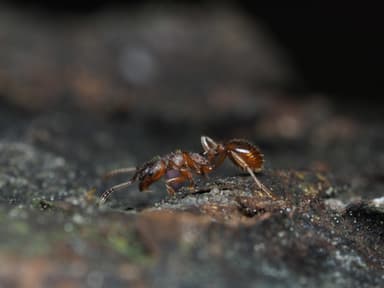
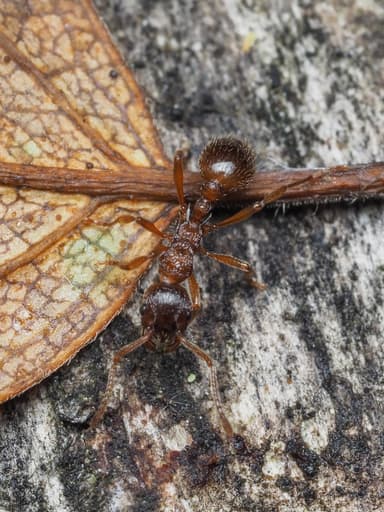
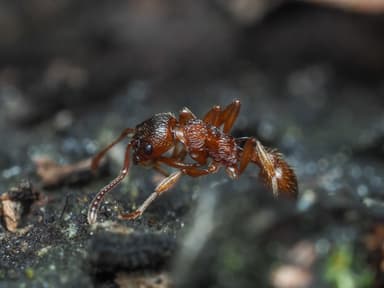
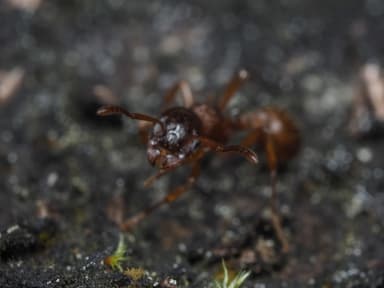
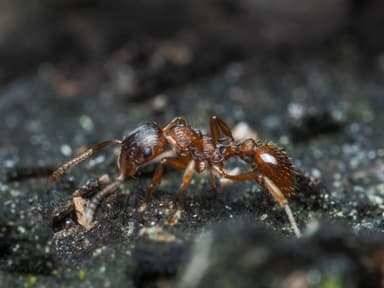
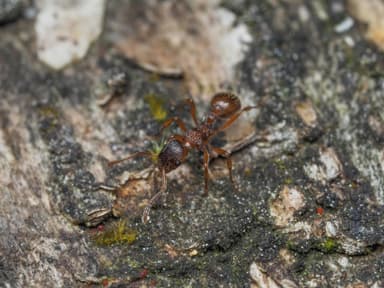
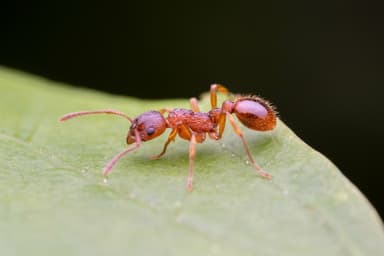
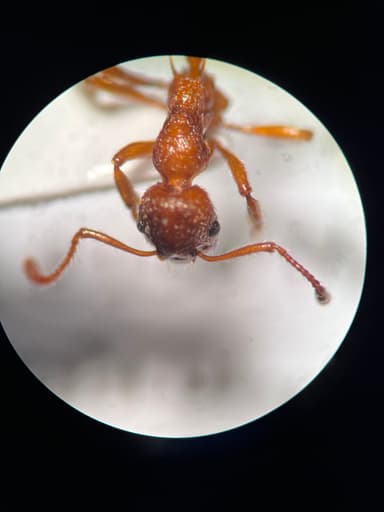
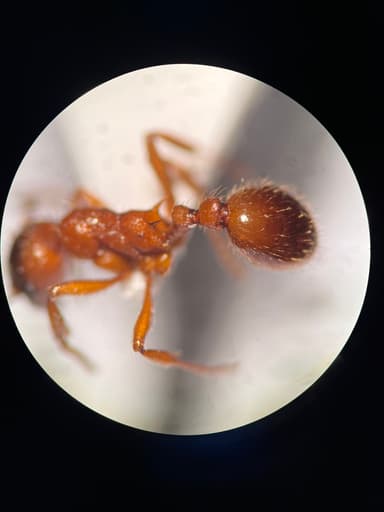
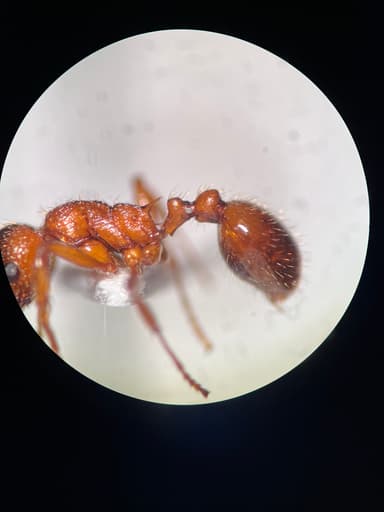
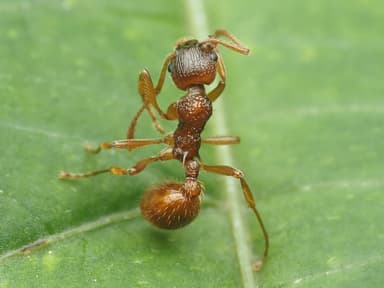
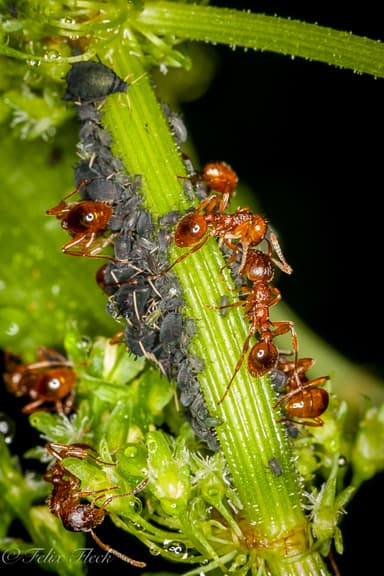
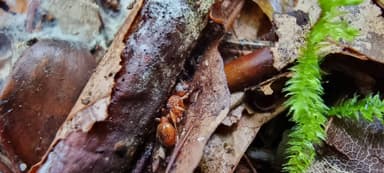
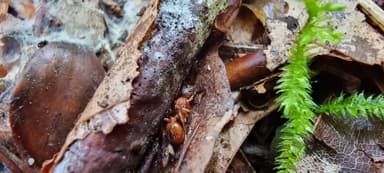
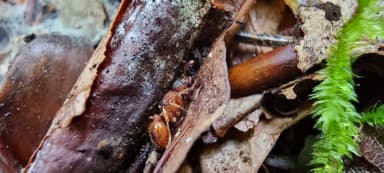
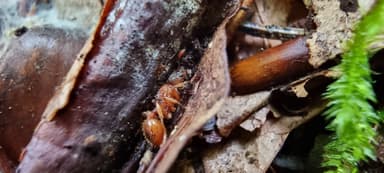
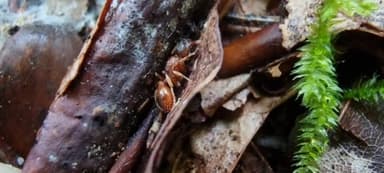
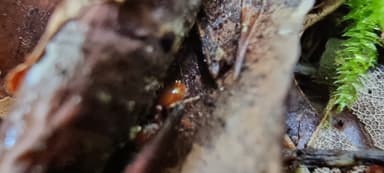
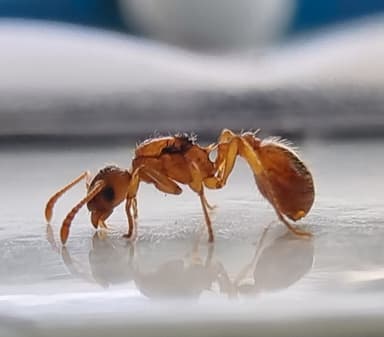
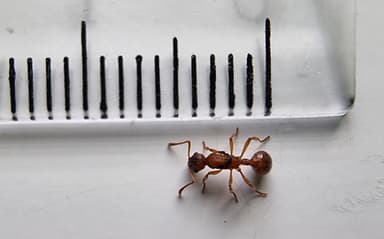
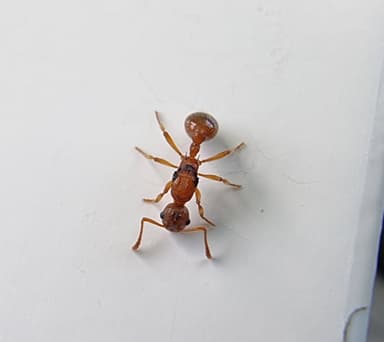
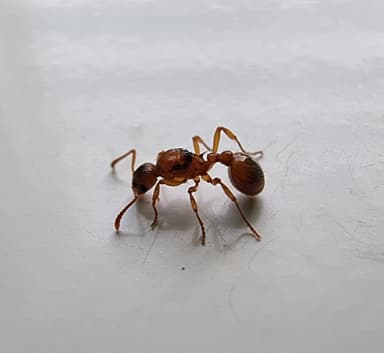
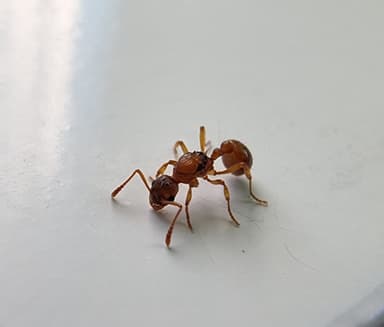
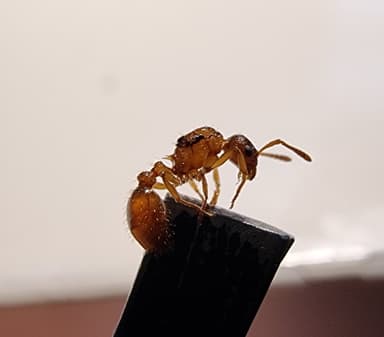
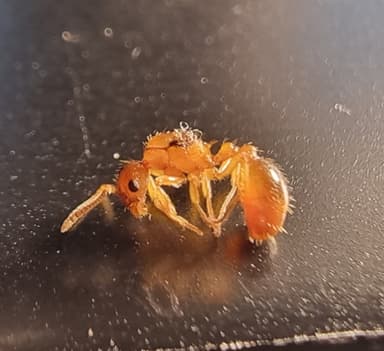
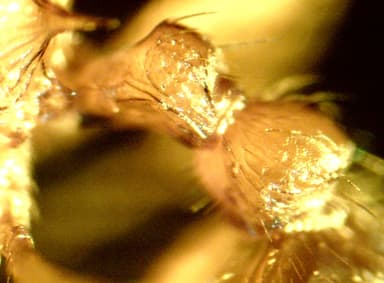
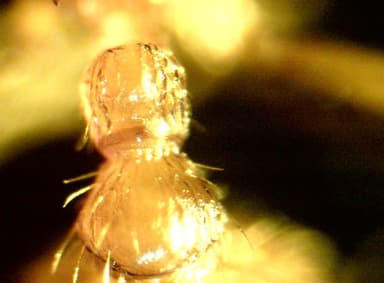
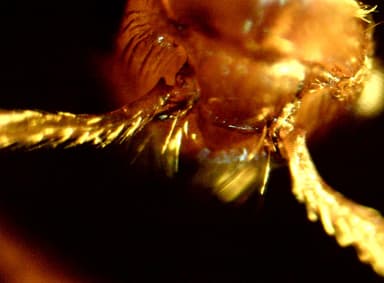
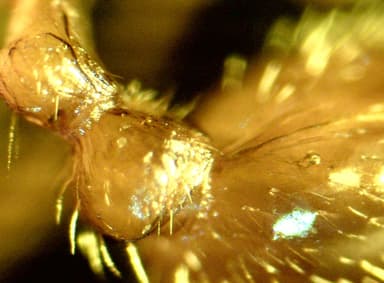
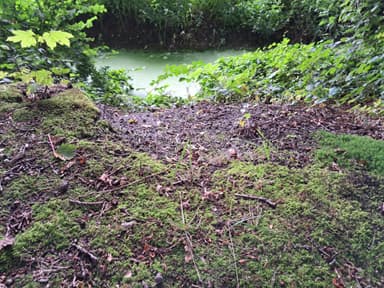
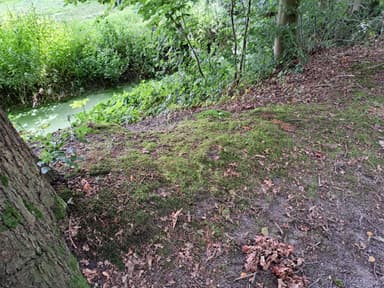
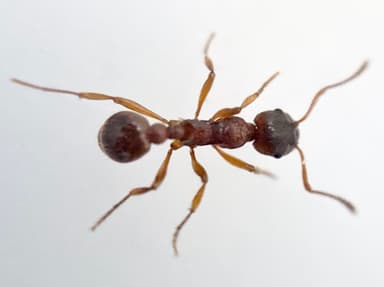
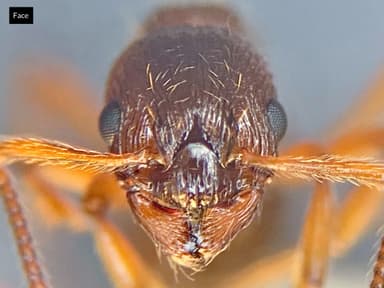
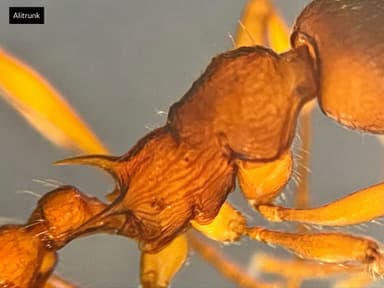
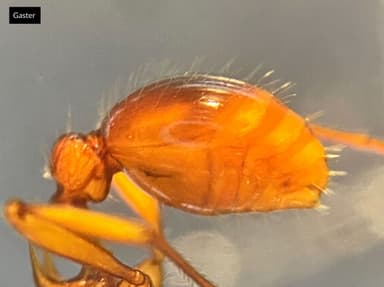
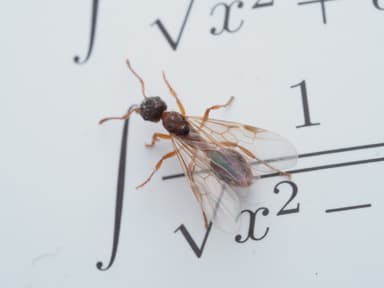
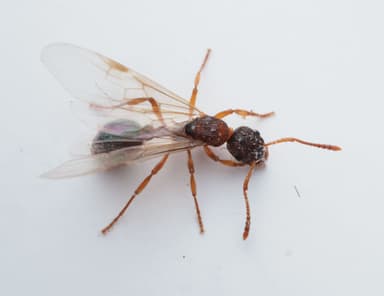
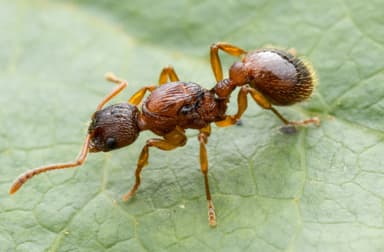
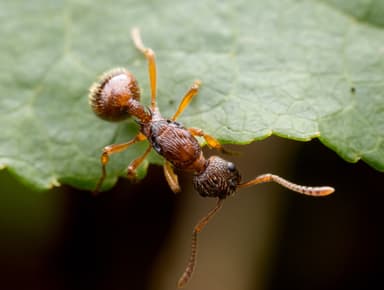
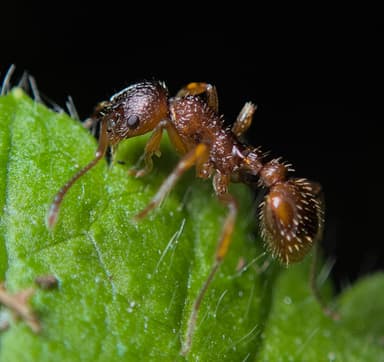
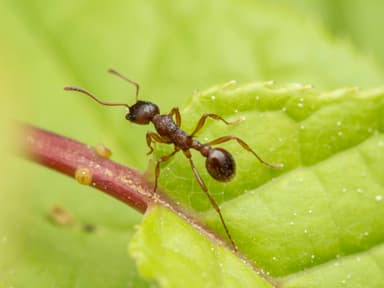
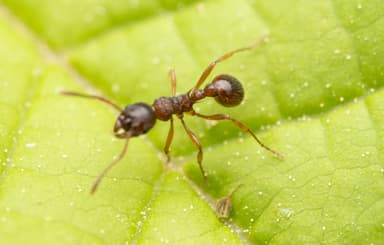
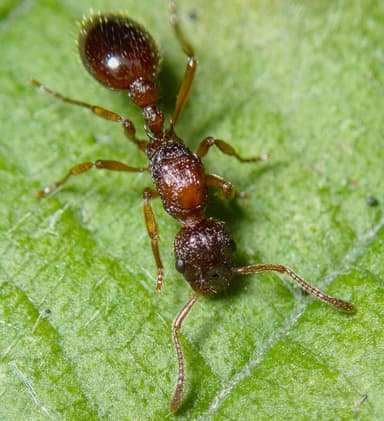
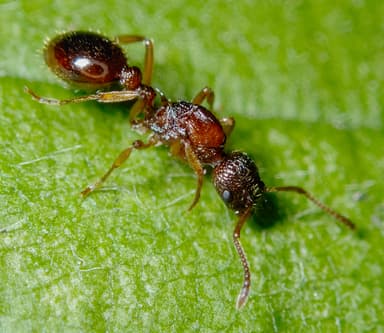
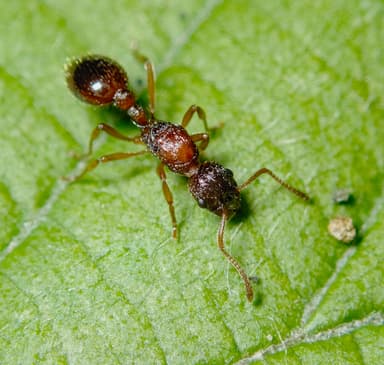
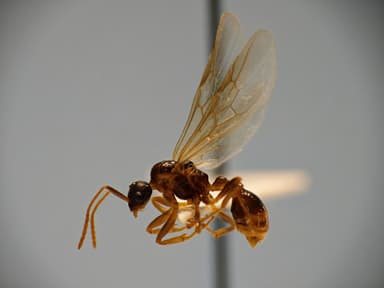
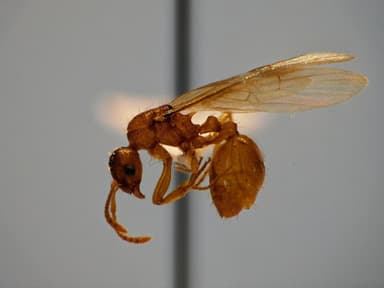
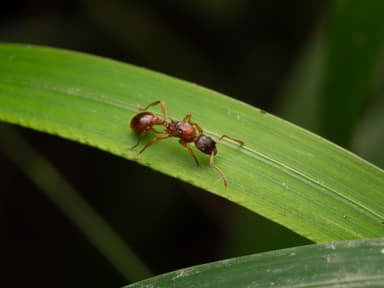
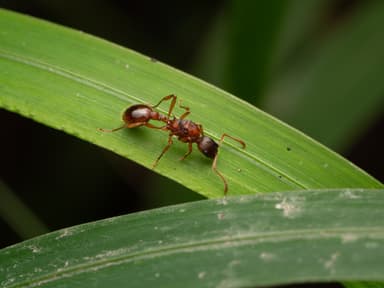
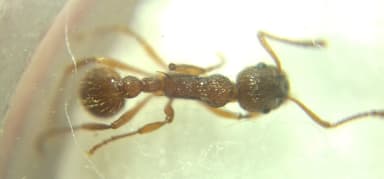
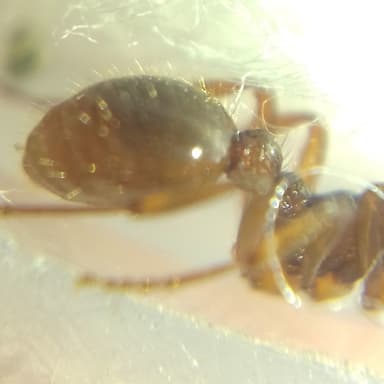
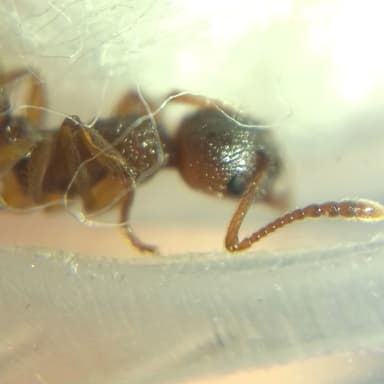
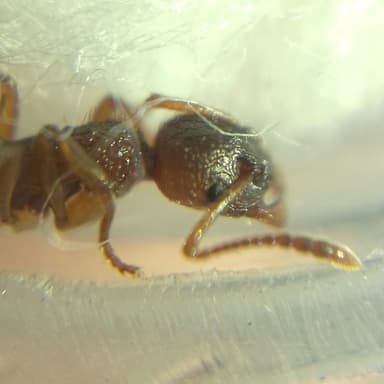
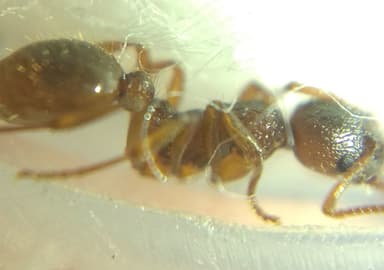
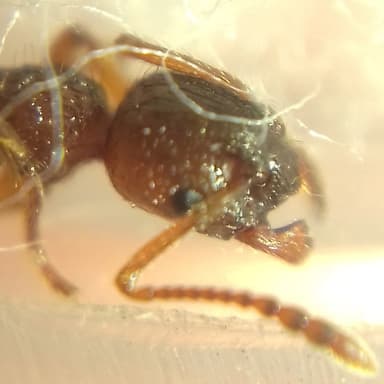
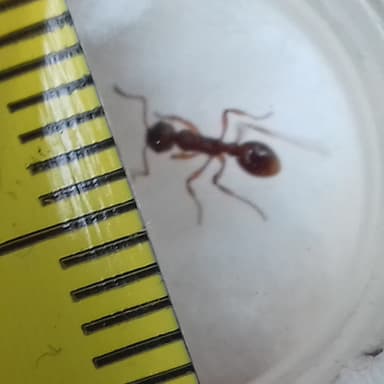
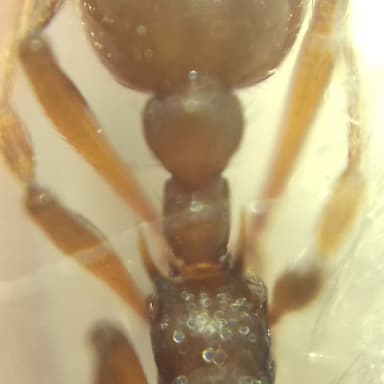
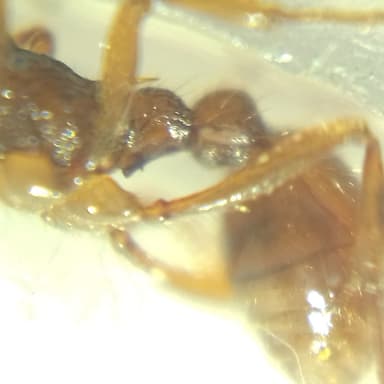
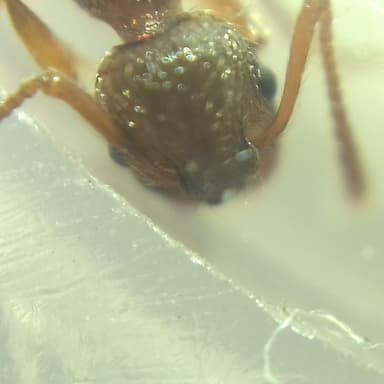
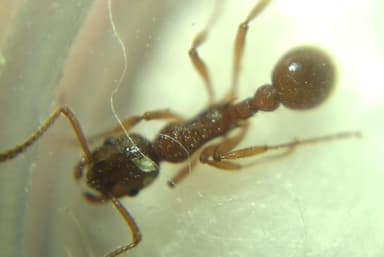
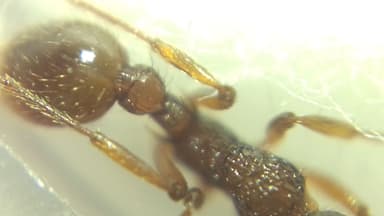
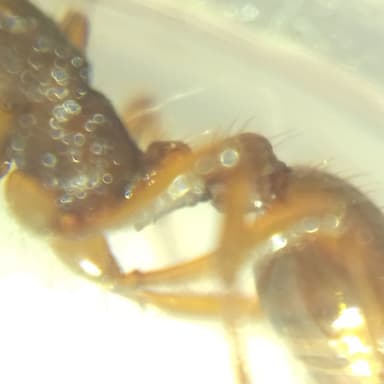
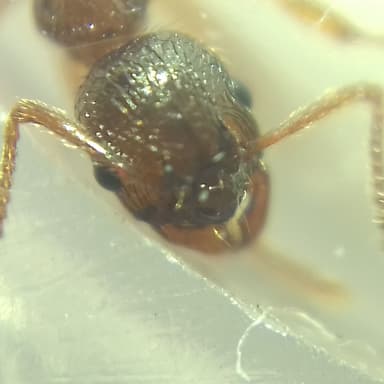
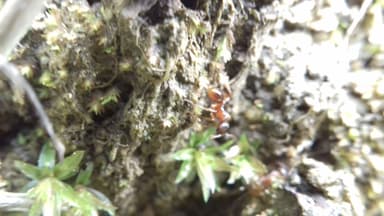
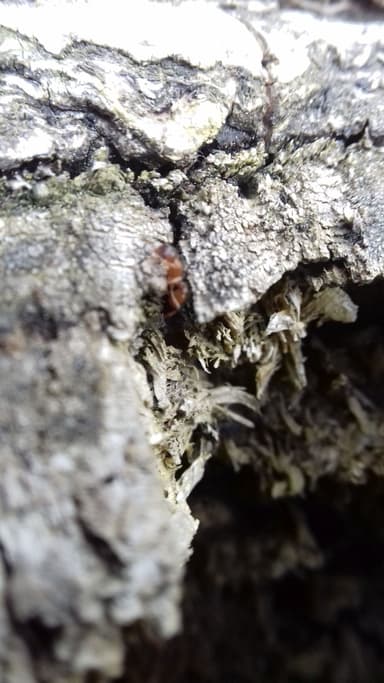
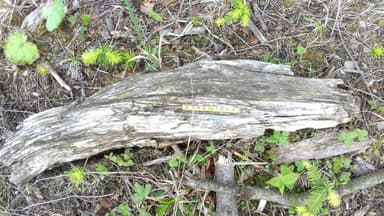
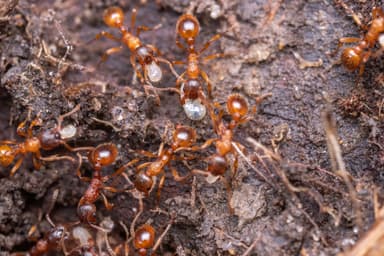
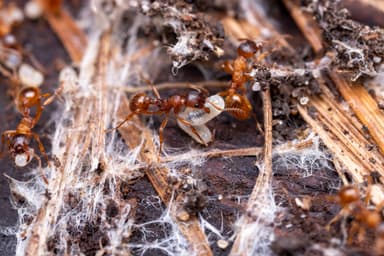
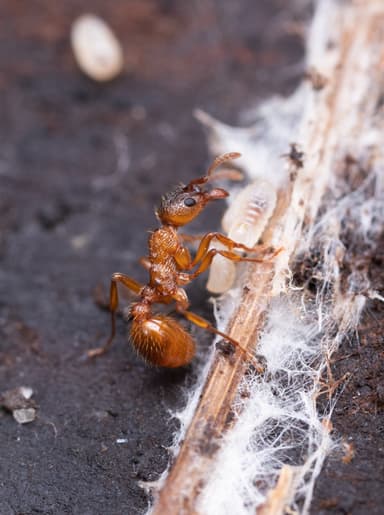
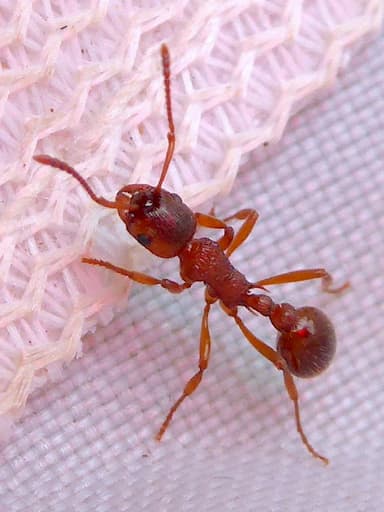
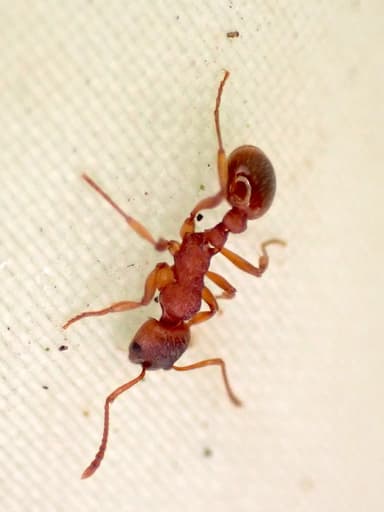
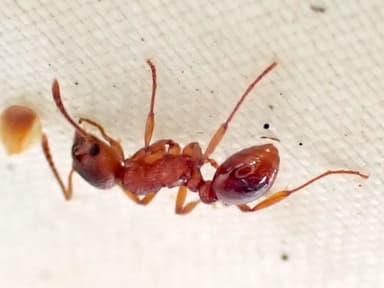
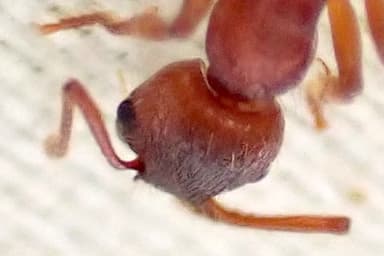
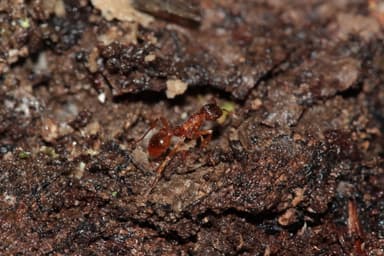
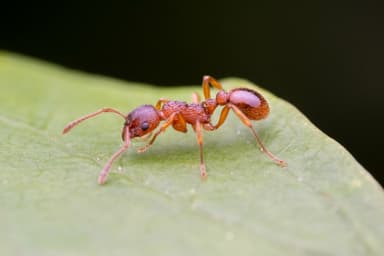
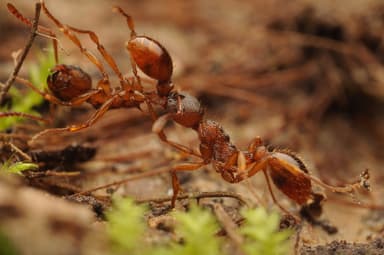
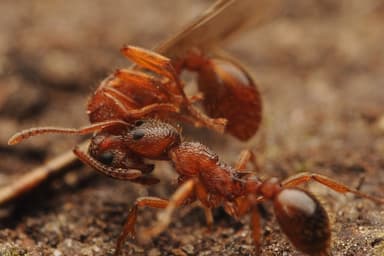
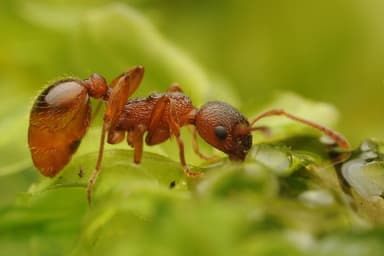
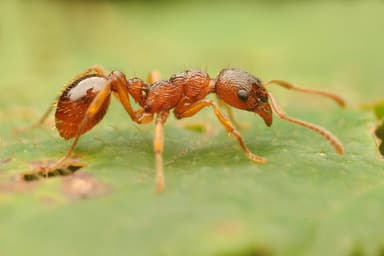
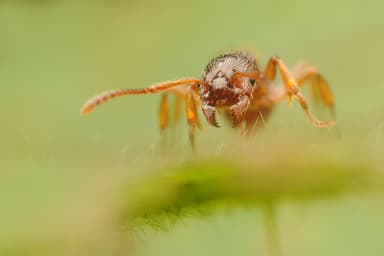
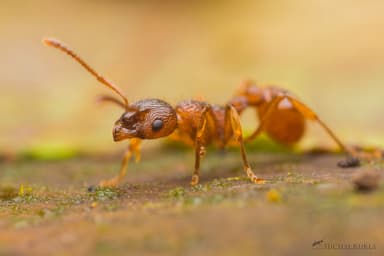
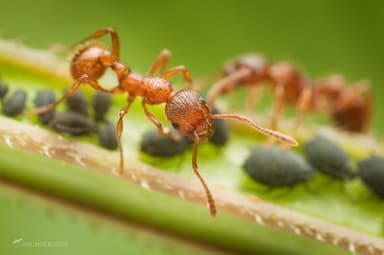
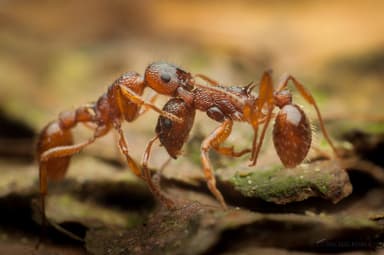
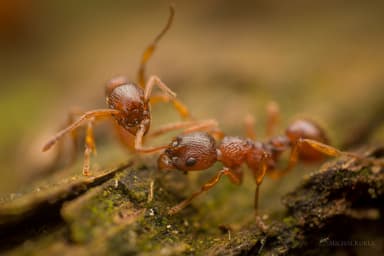
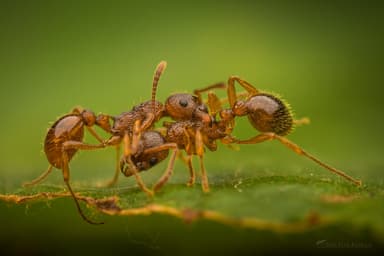
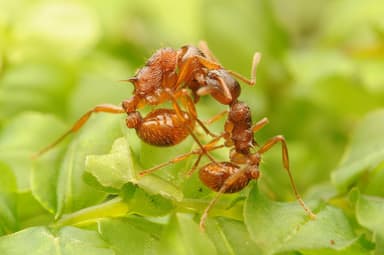
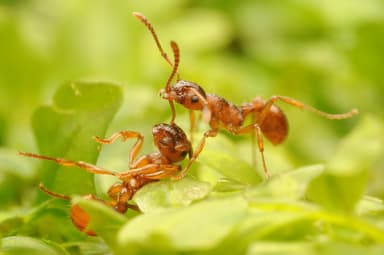
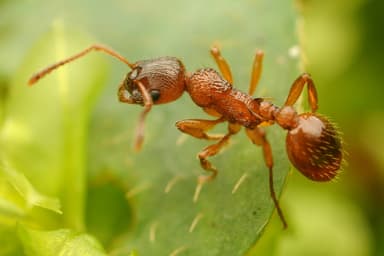
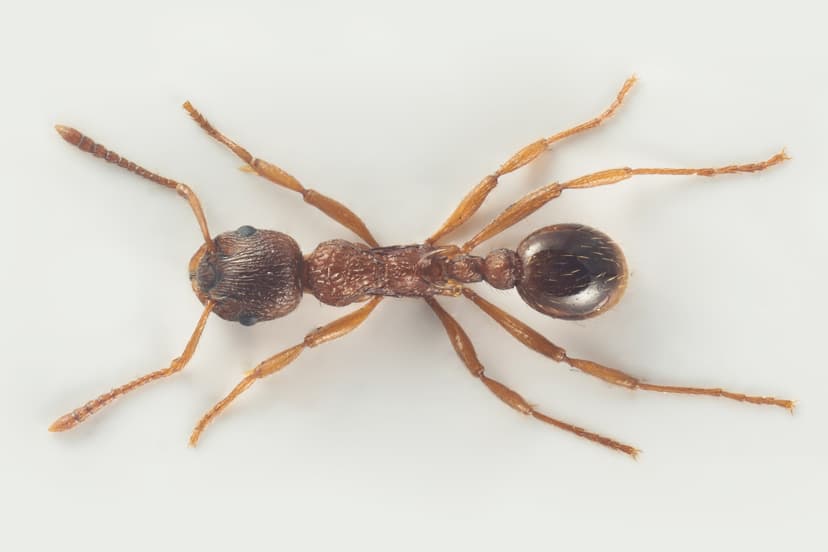
Myrmica ruginodis, a familiar sight across the vast Palearctic from the British Isles to eastern Russia, is a medium‑sized ant that brings a lively, no‑nonsense temperament to the captive colony. Queens measure a robust 6–7.5 mm while the monomorphic workers range from 4 to 5.5 mm, all sporting a characteristic deep reddish‑brown hue and a pair of sharp propodeal spines. This is not an ant for the idle observer: colonies are active, assertive, and armed with a memorable sting. In the wild they flourish in damp woodland, moors, and even above the Arctic Circle, with records extending from a southern limit of 42°N all the way to 71°N (GBIF; Seifert 2018). Nuptial flights are a dependable mid‑summer spectacle, taking place from July through September on warm, humid afternoons, often just after rain and at temperatures around 20–25°C with little wind. A mature colony can house up to 2,500 workers, and polygyny is common, allowing multiple queens to coexist and drive rapid brood production (Elmes & Wardlaw 1982). Newly mated queens found claustrally, sealing themselves away to rear their first nanitic workers without any need for external foraging — a reassuring start for the keeper.
Care difficulty is best described as intermediate, making M. ruginodis an excellent next step for someone who has kept a hardier beginner species and now wants a more dynamic, challenging, yet still manageable display. They do demand strict hibernation and a thoughtful housing setup, but in return they offer year‑round activity, voracious feeding responses, and complex social interactions. Complete beginners who are detail‑oriented and committed to learning may succeed, provided they respect the ants’ capacity for speed and their willingness to use their sting defensively. This species particularly suits keepers in cooler climates, as its natural range already spans truly northern latitudes and it expects a pronounced cold season.
Housing should recreate a cool, moist woodland floor. Stable ambient temperatures of 18–24°C are ideal, and the nest itself must maintain a humidity range of 50–70%, which is easily achieved with a plaster, ytong, or grout‑based formicarium that can be dampened regularly. Myrmica ruginodis instinctively digs and molds its surroundings, so a small amount of sand‑loam substrate within a naturalistic terrarium will be enthusiastically excavated, though a clean artificial nest with a separate foraging arena works equally well and simplifies management. The foraging arena should be spacious and decorated with leaf litter or small pieces of bark, giving the ants cover as they scout. Escape‑proofing is critical; these ants climb smooth surfaces with ease, so a generous barrier of PTFE oil or a tight‑fitting lid is non‑negotiable. Avoid direct sunlight and position the setup away from draughts, heaters, and vibrations.
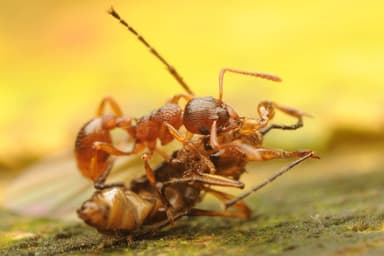
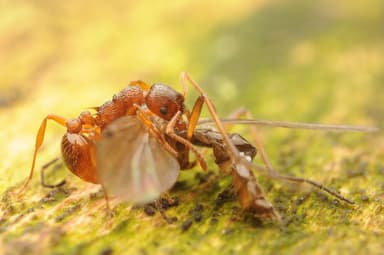
A balanced diet keeps the colony vigorous and the larvae well‑fed. Protein is paramount during the growth season, and the ants will eagerly tackle small insects such as fruit flies, pinhead crickets, freshly killed mealworm segments, and other soft‑bodied arthropods. Present protein every two to three days, removing uneaten portions before they spoil. Carbohydrates come in the form of honey‑water, sugar‑water, or a slice of ripe fruit; offer these in a shallow dish or on a cotton pad to prevent drowning. A small water test tube, always topped up, supplies drinking water and boosts local humidity. The workers are powerful scavengers and hunters, often subduing prey much larger than themselves through sheer numbers and their potent sting, so watching a feeding session is always a highlight.
A rigid hibernation is not optional — it is a biological necessity that, if skipped, will lead to dwindling brood production and queen failure. Once the colony naturally slows down in late autumn, gradually reduce the temperature over several weeks until they remain at a steady 5°C for three to four months. A refrigerator dedicated to ant keeping, a cold cellar, or a wine cooler all serve well, provided the temperature does not fluctuate wildly. Keep the nest slightly humid during dormancy but never wet, and check monthly for any sign of excessive condensation or mold. In early spring, reverse the cooling process gradually, and the colony will rouse itself, primed for a new season of growth.
When your Myrmica ruginodis first arrive, place the sealed test tube or transport container gently into the dark, quiet part of the prepared nest area and leave them undisturbed for at least 24 hours. Early disturbance is the most common cause of queen stress and brood cannibalism. Once the workers have visibly settled and are tending the brood, offer a tiny drop of sugar‑water near the tube entrance, and after another day, a single pre‑killed fruit fly. Watch for immediate acceptance: if the foragers drag the food back toward the queen and larvae, you are on the right path. Keep the nest covered for the first two weeks, sliding it into the light only briefly to check hydration and waste. With patience, the colony will establish a stable rhythm, and you will soon be rewarded with the sight of a bustling, self‑assured miniature society that reflects the tenacity of its wild ancestors from the northern forests and moors.