Myrmica
Myrmica punctiventris
Nuptial Flight Calendar
Flight months: Jul, Aug, Sep, Oct, Nov
Care Guide
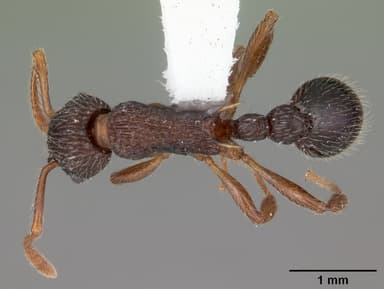
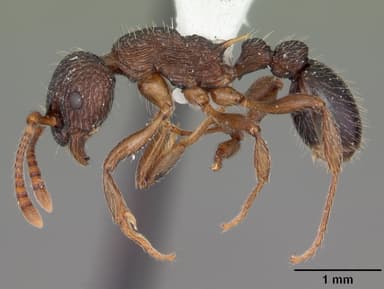
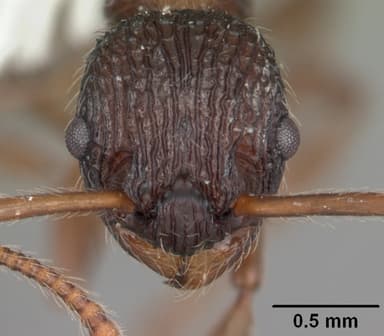
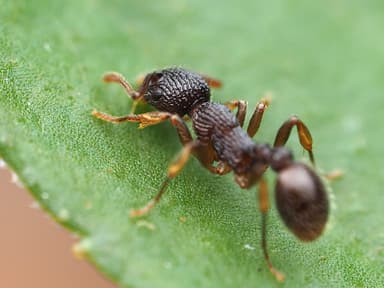
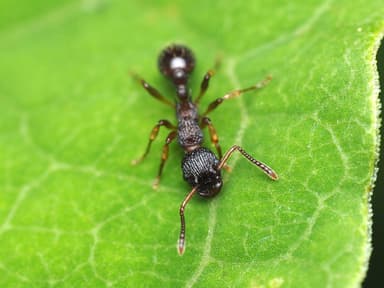
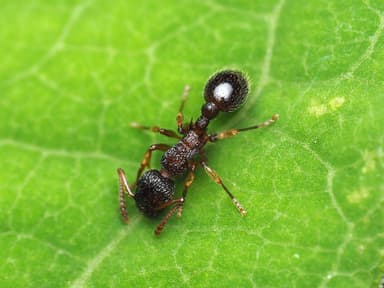
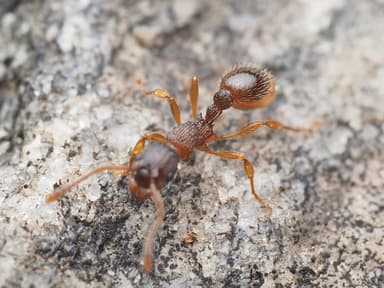
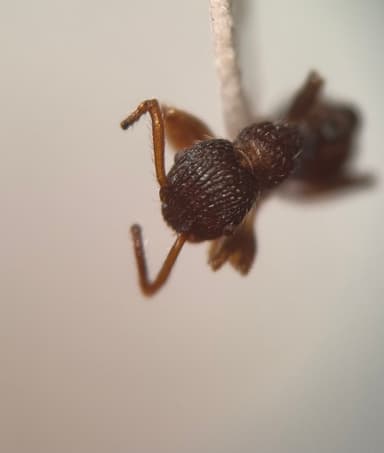
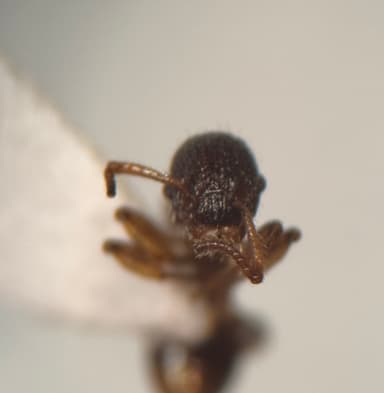
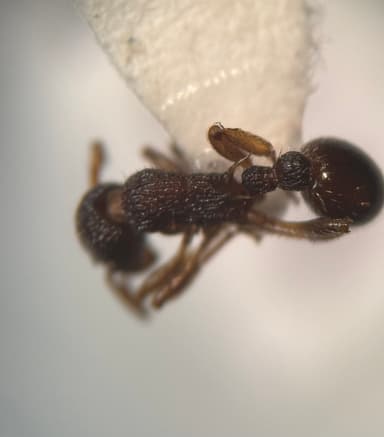
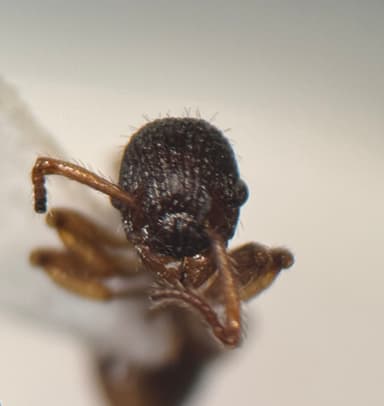
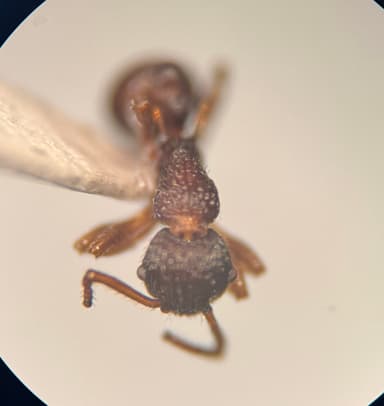
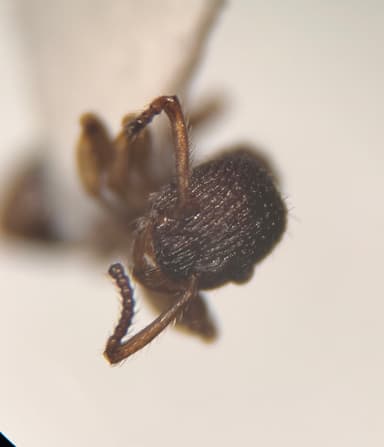
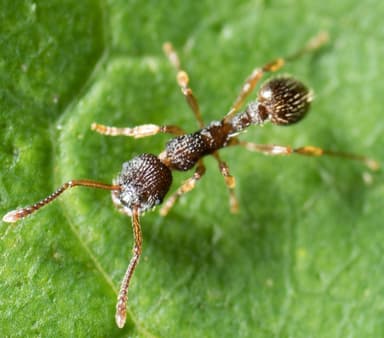
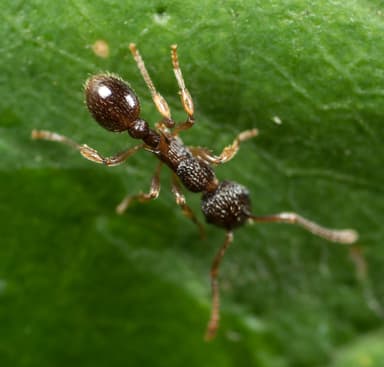
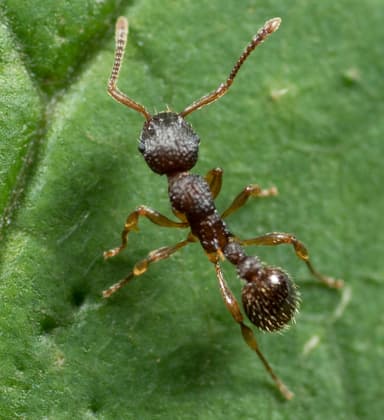
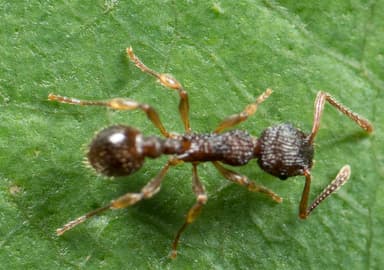
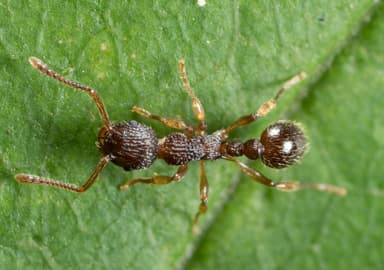
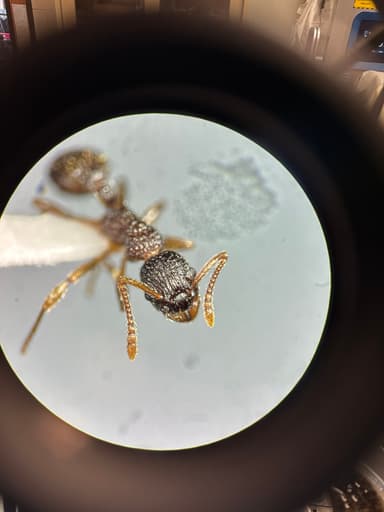
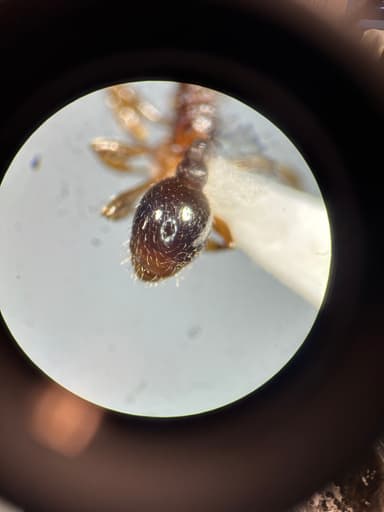
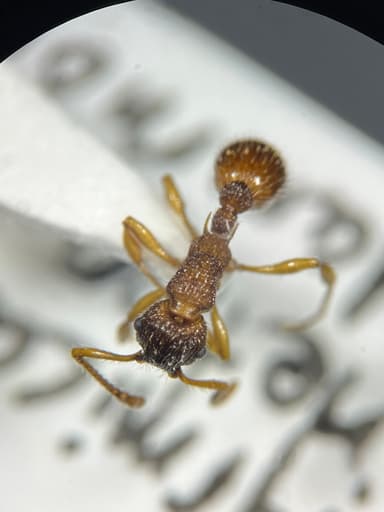
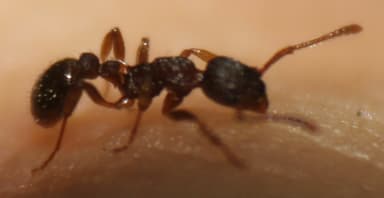
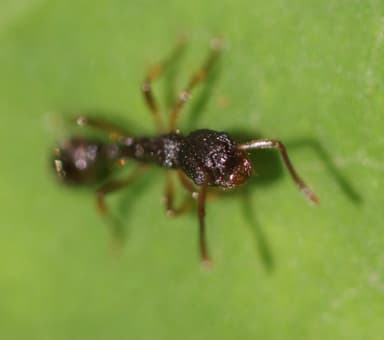
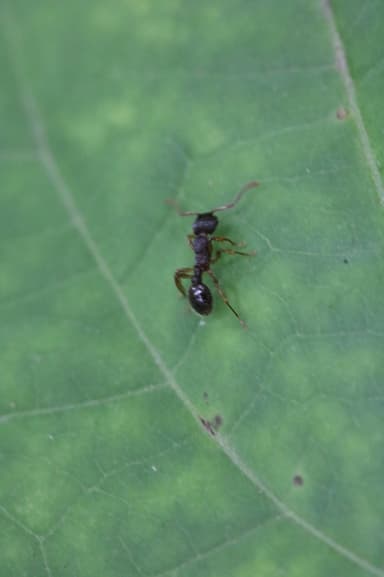
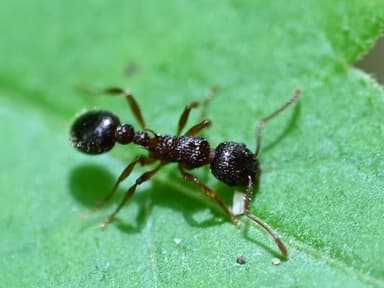
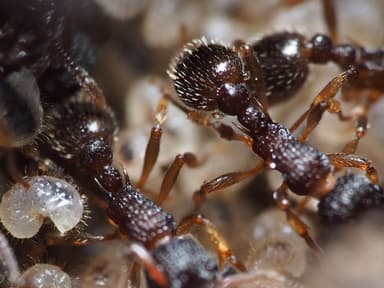
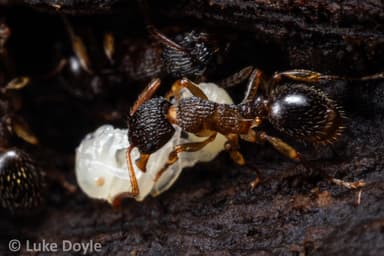
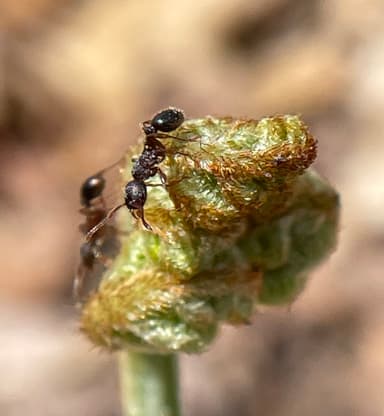
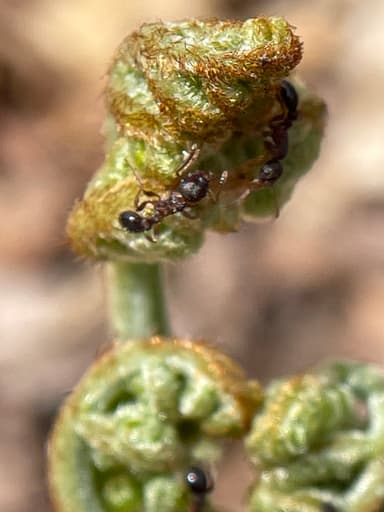
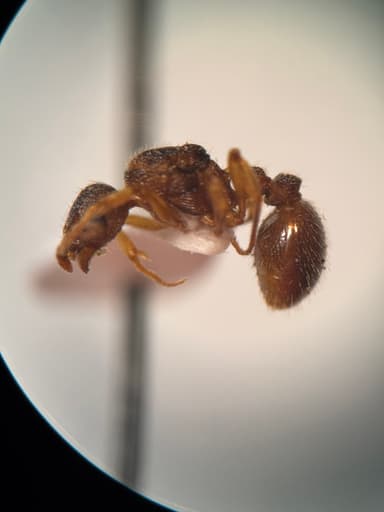
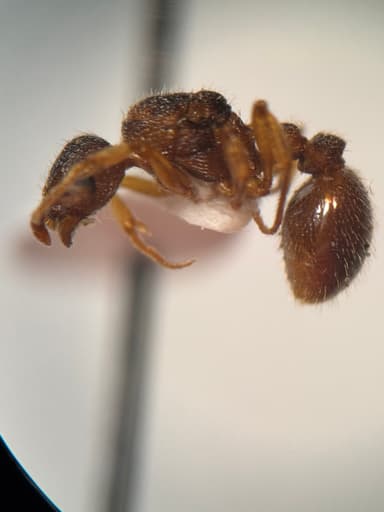
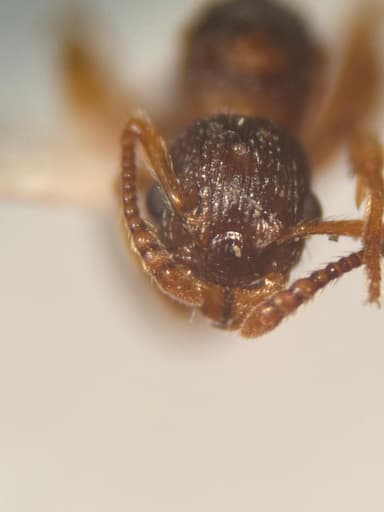
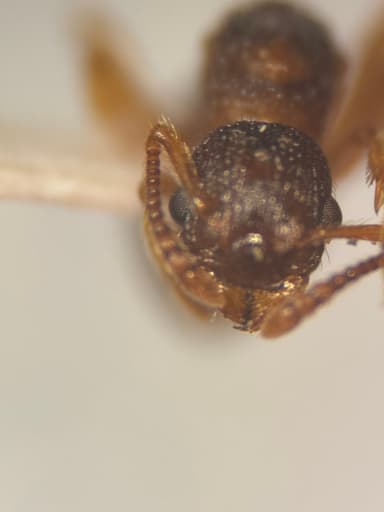
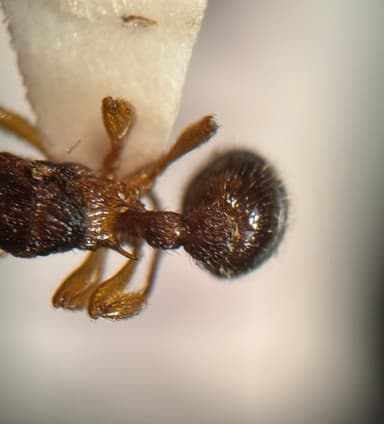
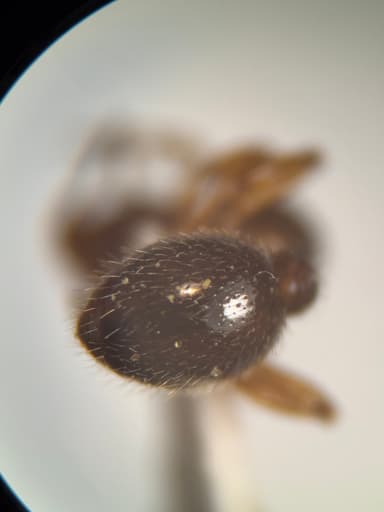
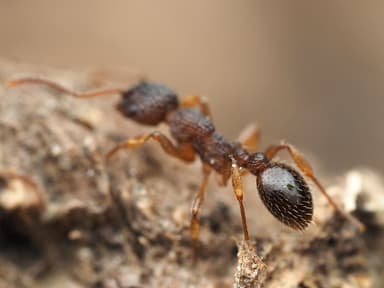
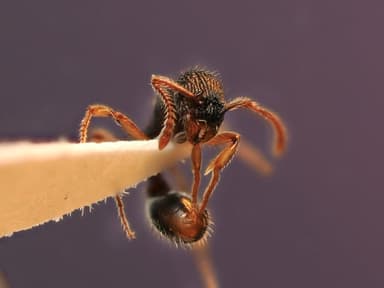
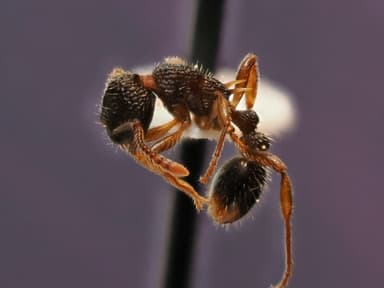
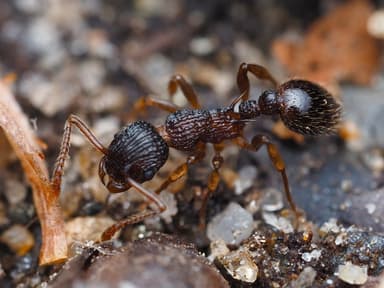
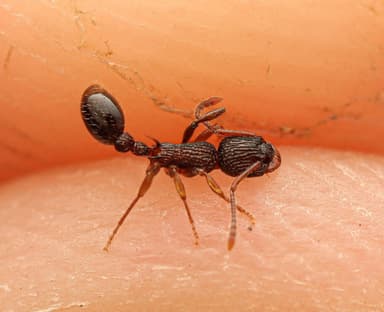
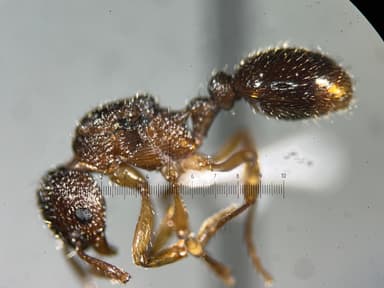
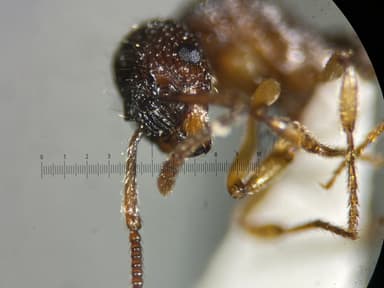
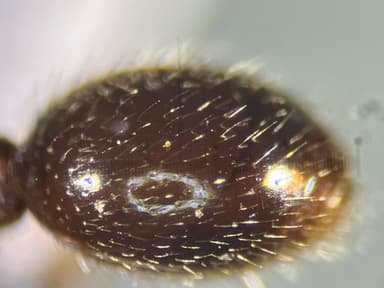
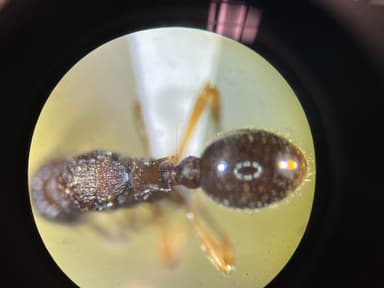
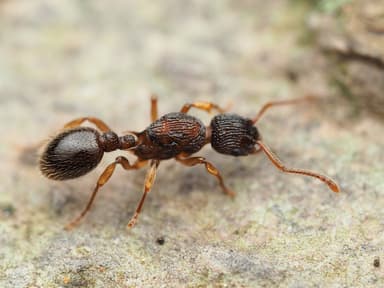
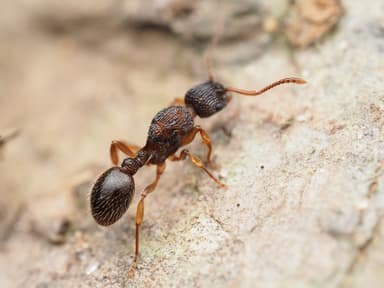
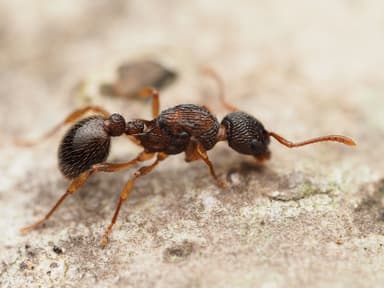
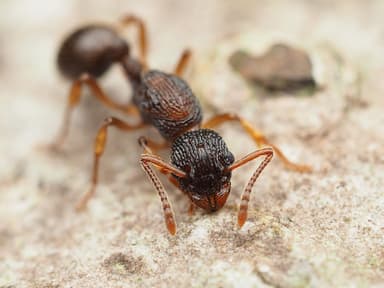
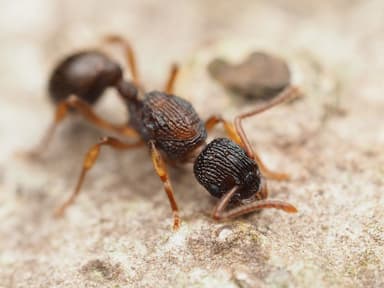
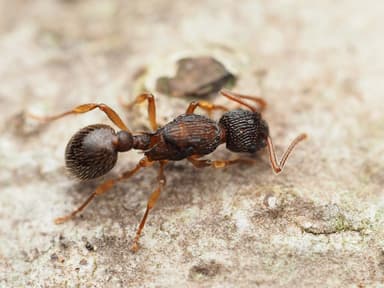
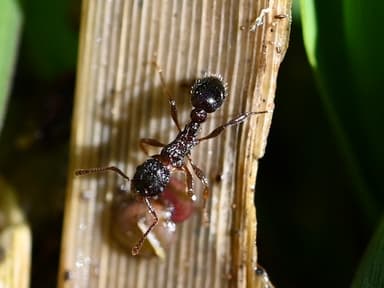
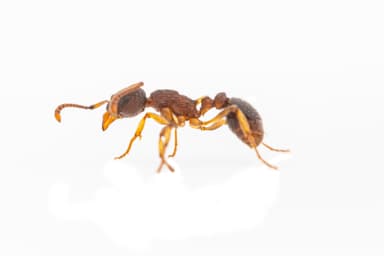
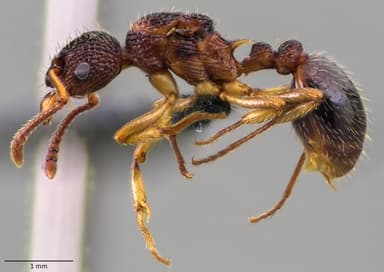
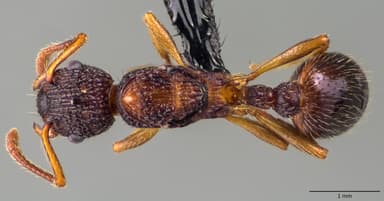
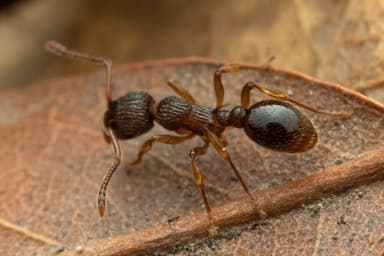
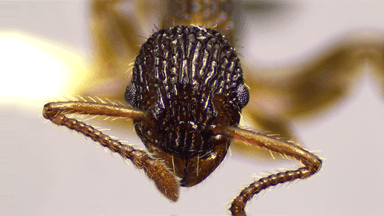
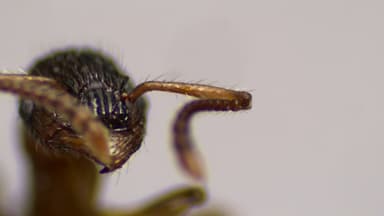
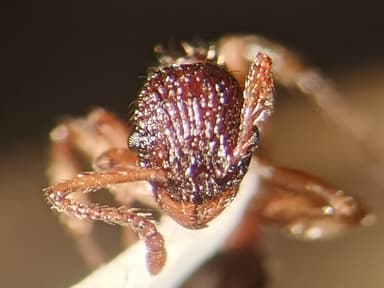
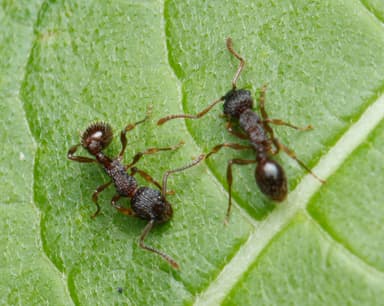
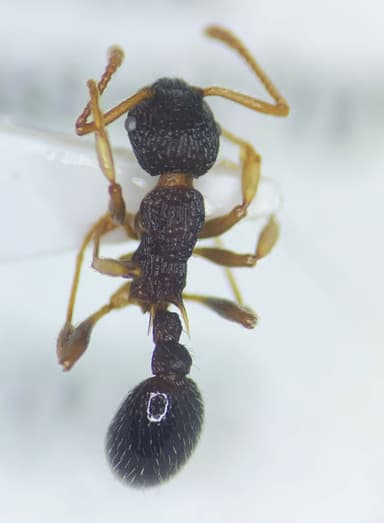
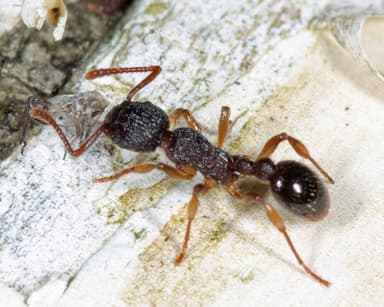
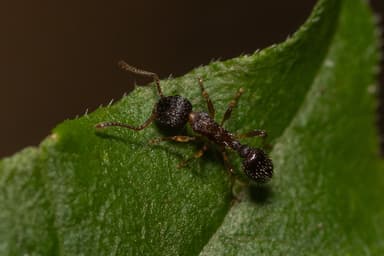
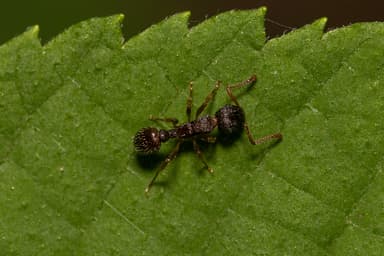
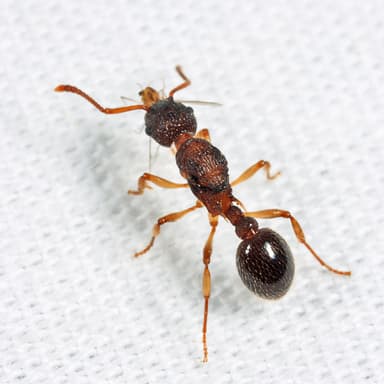
Myrmica punctiventris is a modestly sized but endlessly captivating ant that inhabits the woodlands and meadows of eastern North America, ranging from the Gulf coast northward through the Great Lakes and into New England, and westward to the edge of the Great Plains. Queens measure a sturdy 5.5 to 6.5 millimeters, while the monomorphic workers are noticeably smaller at 3.5 to 4.5 millimeters, all clad in the characteristic reddish‑brown to dark brown exoskeleton of the genus, with fine sculpturing and a pair of short, sharp propodeal spines. Colonies remain relatively compact, rarely exceeding 500 individuals, yet what they lack in sheer numbers they more than compensate for with behavioral complexity. Research by Banschbach and Herbers (1996) uncovered remarkably intricate colony structures, often involving multiple queens and a fluid social organization that challenges simpler narratives of ant hierarchy. They are fully claustral, with new queens sealing themselves away after nuptial flights that occur on warm, humid afternoons in late summer — typically July through September across their range — to raise their first brood in solitude. In the wild, these ants are mid‑level players in the forest floor community (Herbers 1989), both predators and scavengers, and their willingness to sting rather than spray formic acid gives them a bold, hands‑on foraging style that many keepers find endearing.
Care difficulty for Myrmica punctiventris sits firmly at the intermediate level, making this species best suited for hobbyists who have successfully kept one or two easier species and are ready to manage more nuanced environmental demands. There is no extreme polymorphism or challenging dietary specialization to wrestle with, but the two pillars of successful husbandry — stable, elevated humidity and a mandatory winter hibernation — require a degree of attentiveness that novices might underestimate. That said, a dedicated beginner who has done thorough research and can commit to an annual cooling period will not find them overwhelming. The reward is a colony that exhibits intriguing social behaviors, including cooperative brood care and subtle queen‑worker interactions that researchers are still working to fully understand, giving the keeper a living window into a still‑unfolding scientific story.
Housing must prioritize moisture control and escape prevention. In nature, Myrmica punctiventris nests in rotting wood, under stones, or directly in the soil, so a formicarium that offers both a humid nesting chamber and a drier foraging area works beautifully. The ideal temperature range is a gentle 18 to 25°C, with humidity in the nest maintained between 60 and 80 percent. A plaster or gypsum nest with a built‑in water reservoir is an excellent choice, as it reliably wicks moisture and allows the ants to choose their preferred microclimate. Alternatively, a high‑quality soil‑based setup with a moisture gradient can encourage natural tunneling, though it makes observation more difficult. Do include a thin layer of substrate in the outworld — a mix of coco fiber and sand works well — and always check that lid seals and ventilation holes are escape‑proof, because these slender 3.5‑millimeter workers can slip through surprising gaps. Keep the nest away from direct sunlight and drafts, and monitor humidity regularly, as chronic dryness will quickly lead to brood loss and a declining colony.
A balanced diet keeps a Myrmica punctiventris colony active and productive. Protein should come from small, soft‑bodied insects: fruit flies, pinhead crickets, or freshly chopped mealworm segments are all eagerly accepted and should be offered two to three times per week. Scavenging is a substantial part of their repertoire, so even pre‑killed prey is taken without fuss. For carbohydrates, provide a small droplet of diluted honey, sugar water, or a commercial ant nectar on a feeding tray; replace it every other day to prevent spoilage. Water is equally critical and is best supplied through a test‑tube waterer with a cotton plug or a dedicated water tower, ensuring a constant source even if the humidity in the nest temporarily dips. Remove uneaten food within twenty‑four hours to prevent mold, and adjust feeding frequency to match brood volume — a larger colony with many larvae will consume noticeably more protein.
Hibernation is non‑negotiable. In their temperate native range, Myrmica punctiventris experiences a distinct winter, and failing to replicate this at around 5°C for at least three to four months will result in a gradual loss of vigor, cessation of egg‑laying, and ultimately colony collapse. The transition should be gradual: reduce feeding in late autumn, then move the colony to a cool room for a week before placing it in a dedicated refrigerator, programmed cooler, or a reliably cold cellar that remains at a steady 4–6°C. Check periodically that the nest still holds moisture — a fully dry nest at these temperatures can be fatal — but do not feed. When spring arrives, warm them slowly back to room temperature over several days, offer a tiny drop of sugar water, and the queen will resume laying within a week or two. A colony that has been properly hibernated will emerge stronger, with workers that live longer and brood that develops more robustly.
The first days after purchasing a queen or small colony set the tone for a successful relationship. Upon arrival, place the test tube or starter nest in a quiet, dimly lit space and resist the urge to check constantly; shipping is stressful and the ants need calm to settle. After twenty‑four hours, offer a minuscule dab of sugar water on a piece of wax paper near the nest entrance, but delay protein until the second day, as an overly ambitious feeding can alarm the ants. Watch for normal exploratory activity — a few workers will emerge, drink, and return to the queen — while signs of distress such as continuous, agitated patrolling or refusal to touch the food for several days may warrant adjustments to temperature or humidity. Keep the disturbance to an absolute minimum for the first week, and you will be rewarded with a colony that quickly accepts its new home and begins the ongoing, small‑scale drama of life that makes Myrmica punctiventris such a worthy subject for the intermediate ant keeper.