Myrmecia
Myrmecia tarsata
Nuptial Flight Calendar
Flight months: Jan, Feb, Nov, Dec
Care Guide
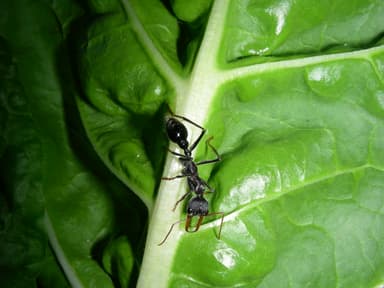
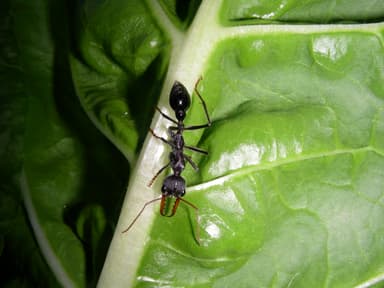
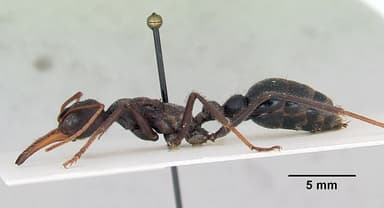
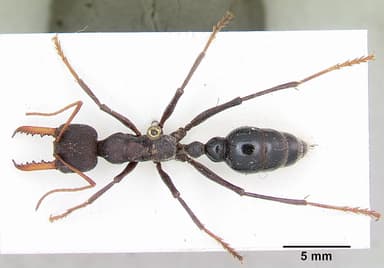
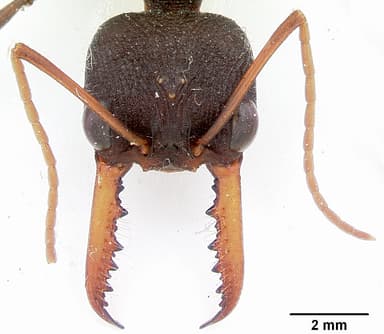
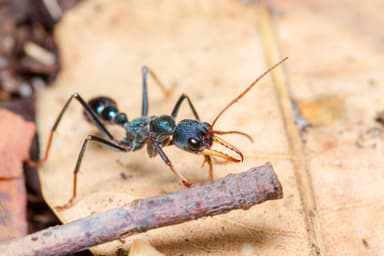
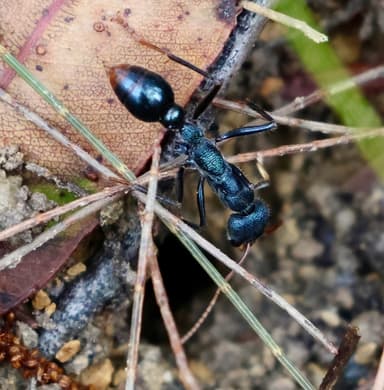
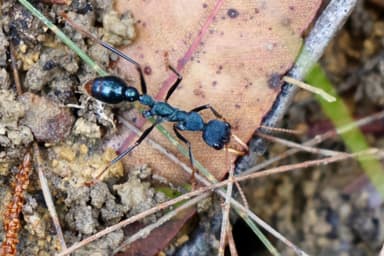
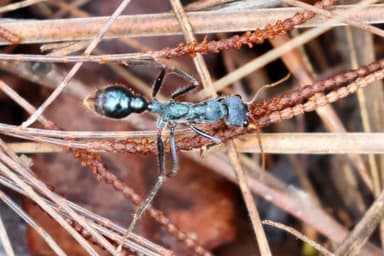
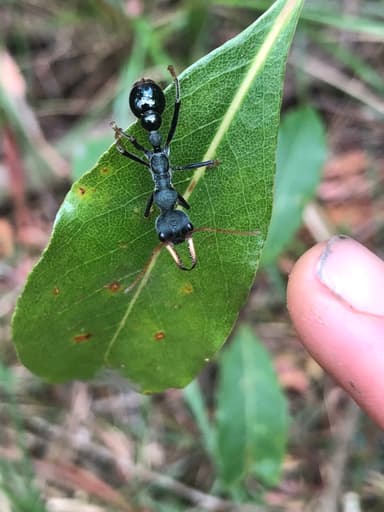
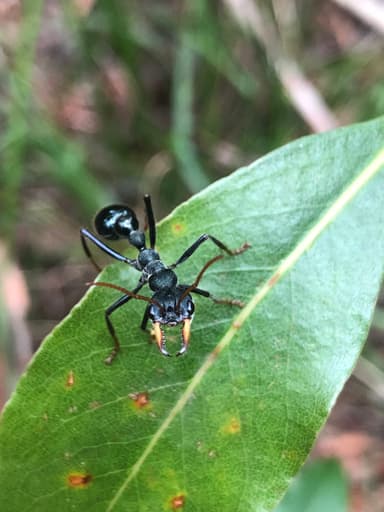
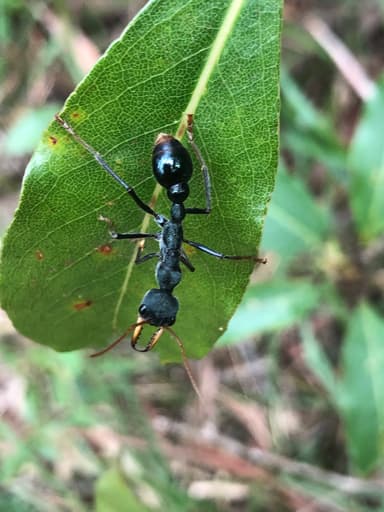
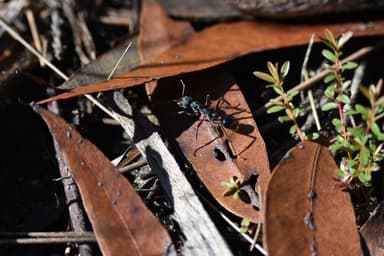
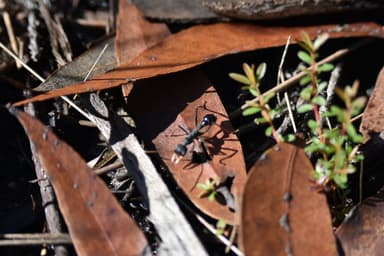
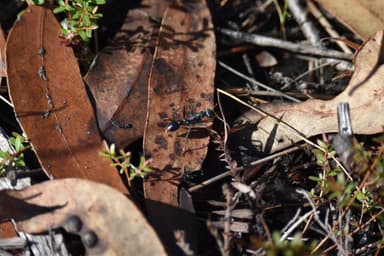
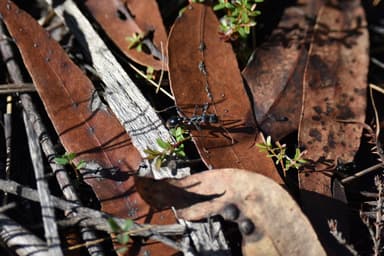
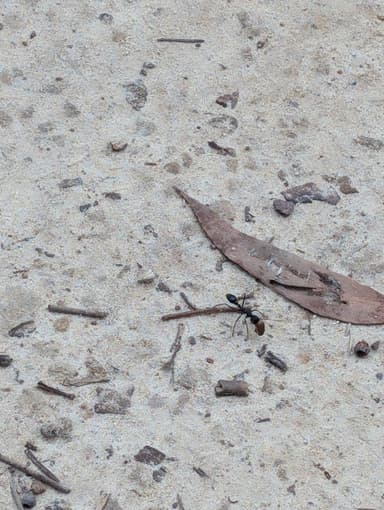
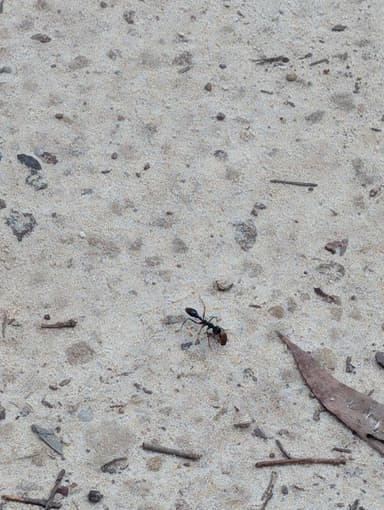
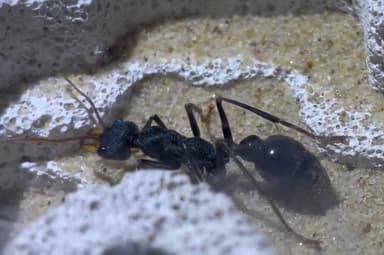
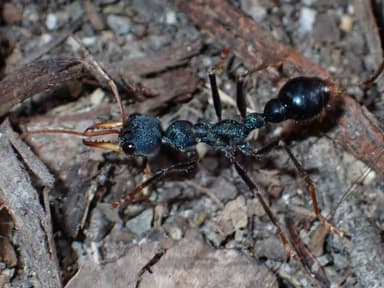
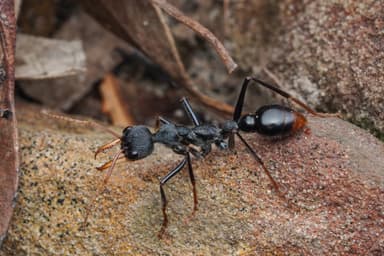
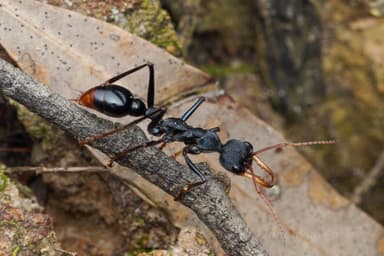
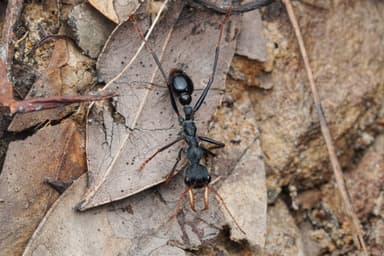
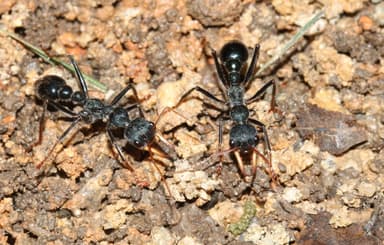
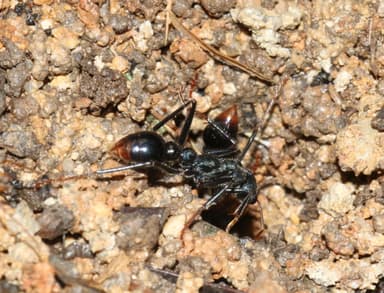
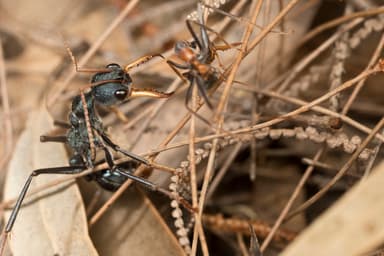
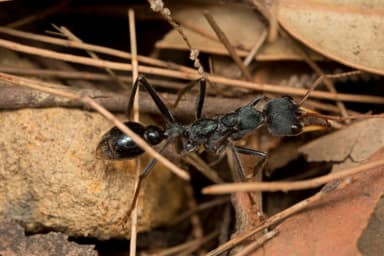
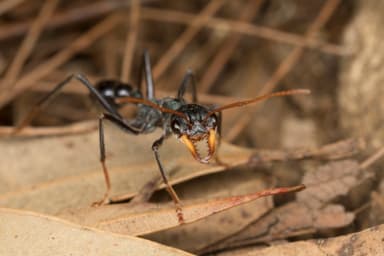
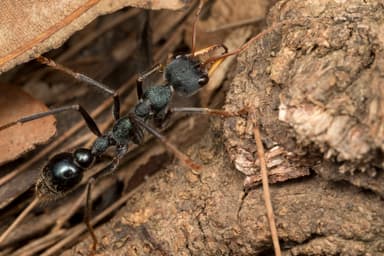
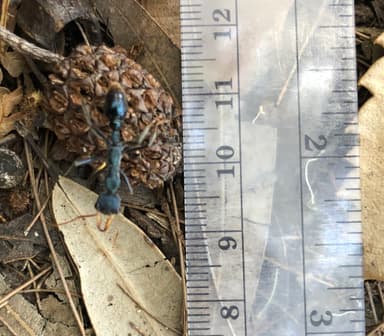
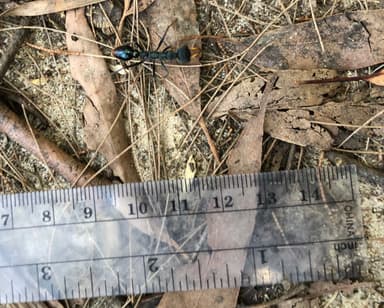
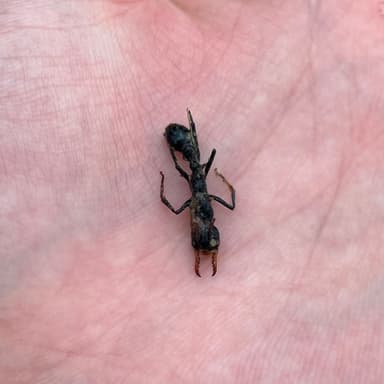
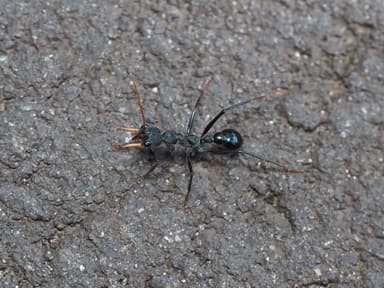
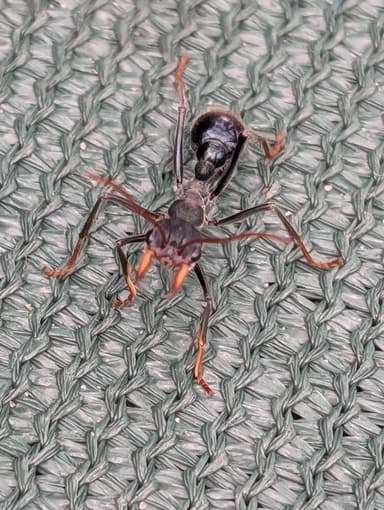
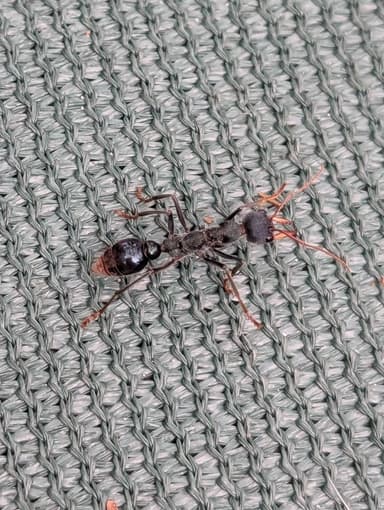
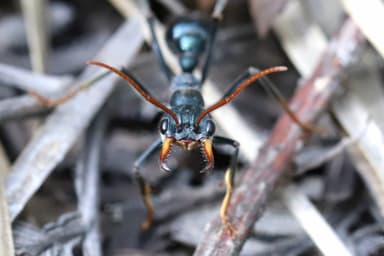
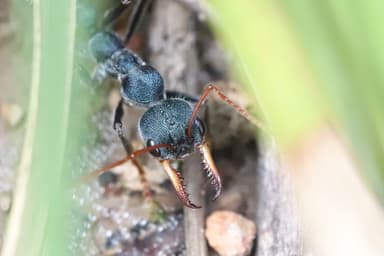
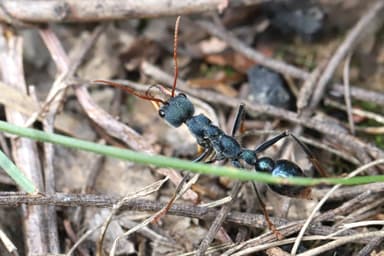
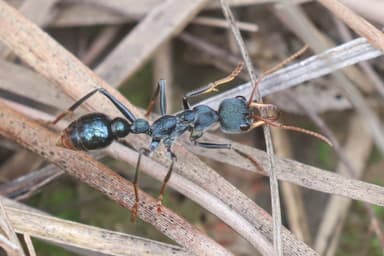
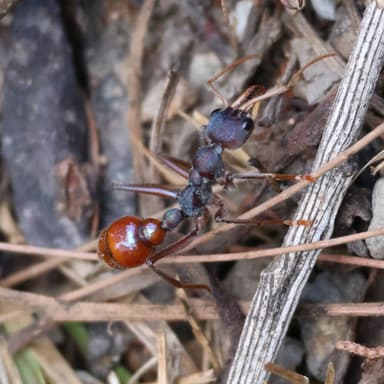
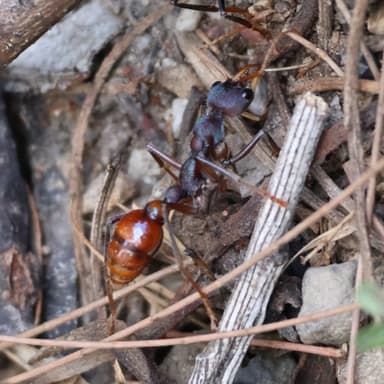
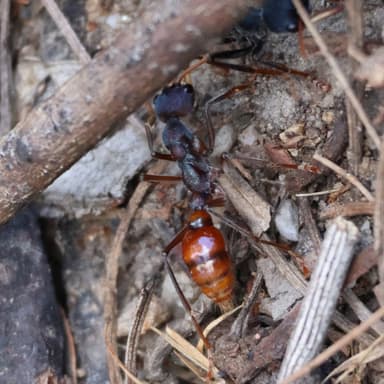
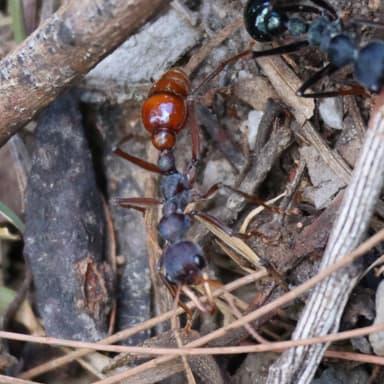
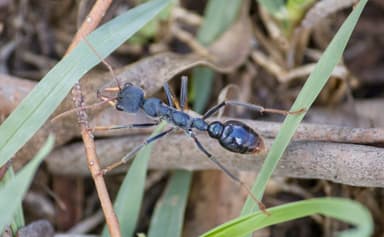
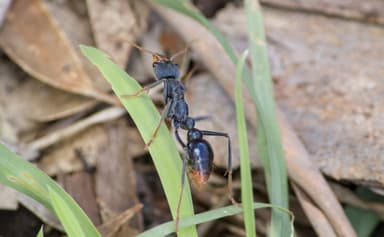
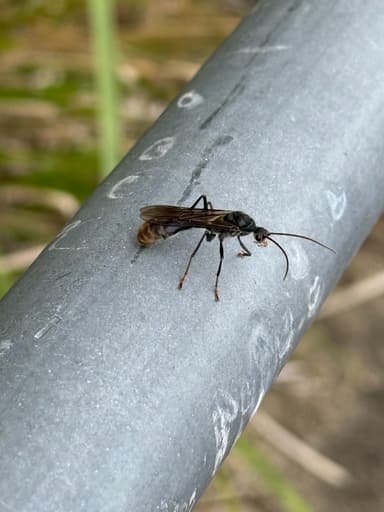
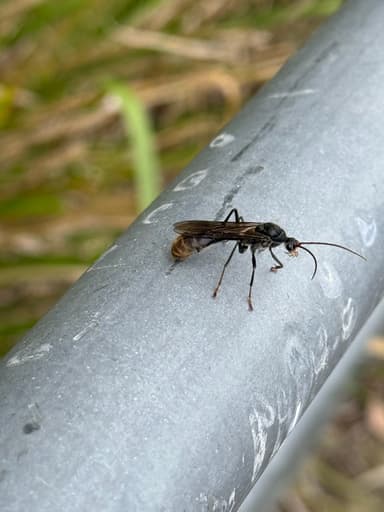
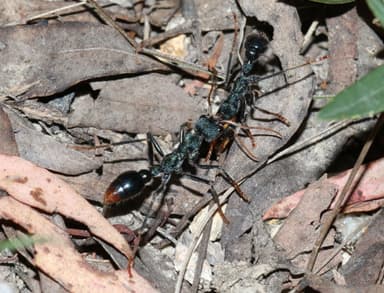
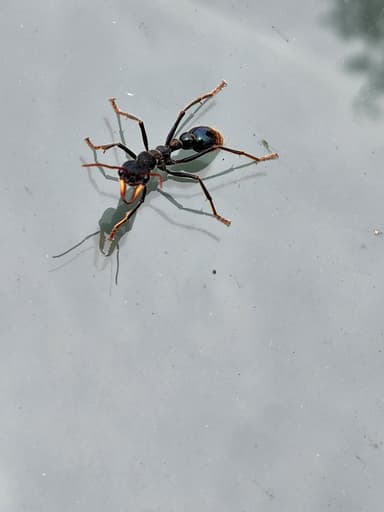
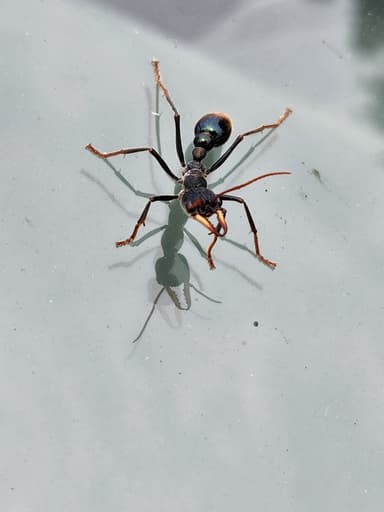
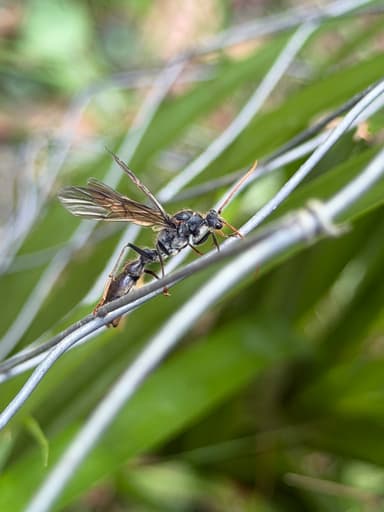
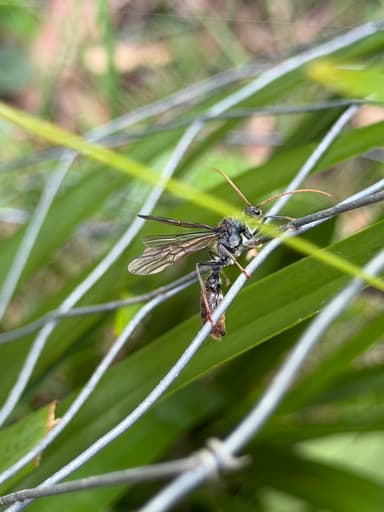
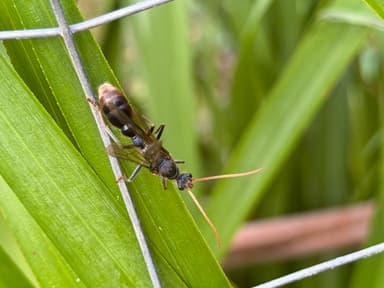
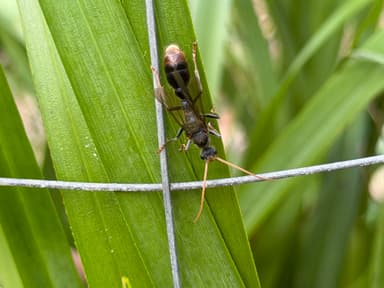
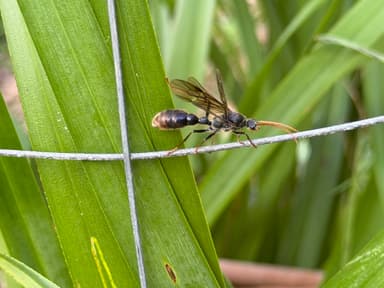
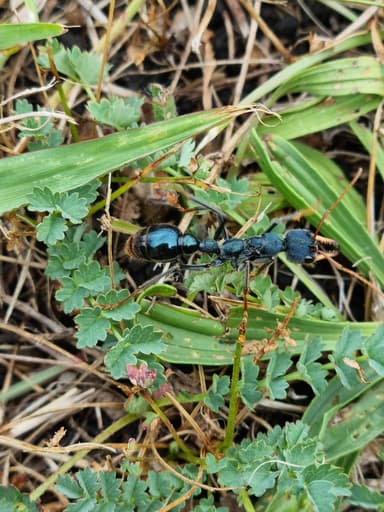
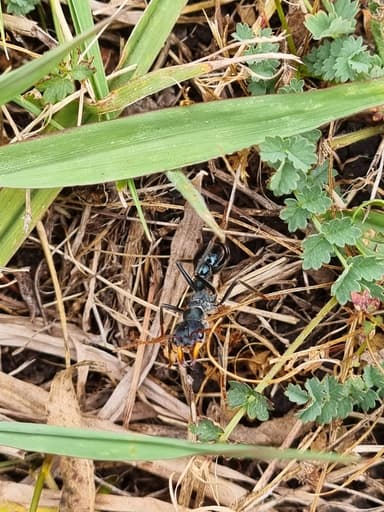
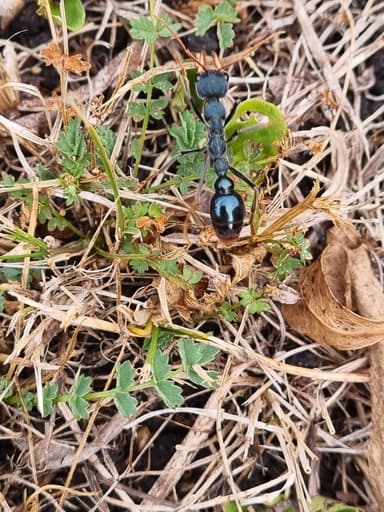
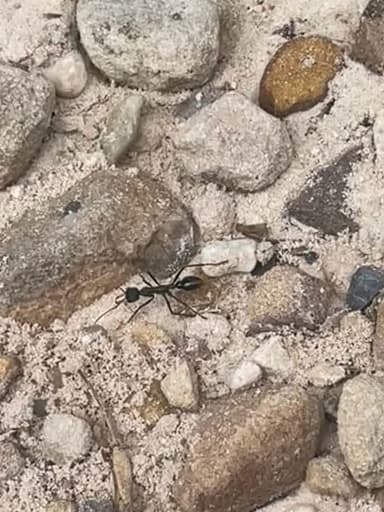
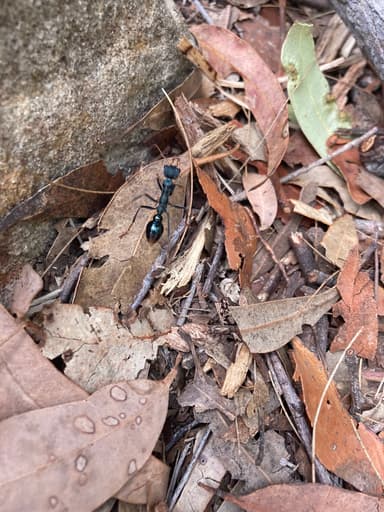
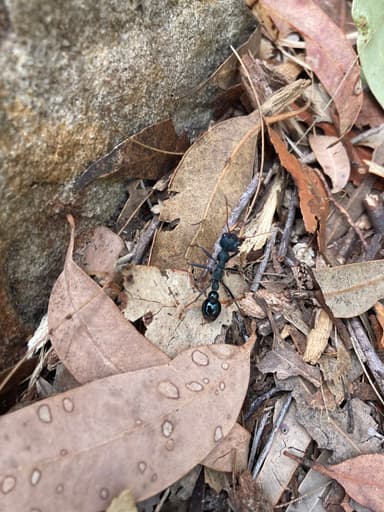
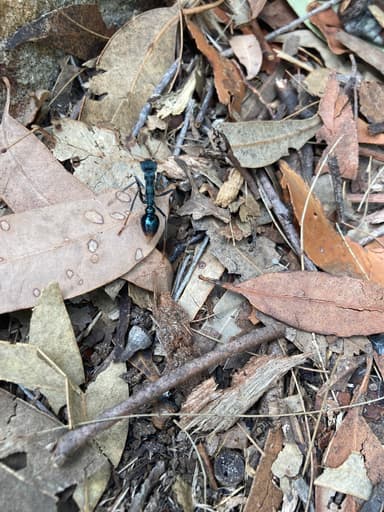
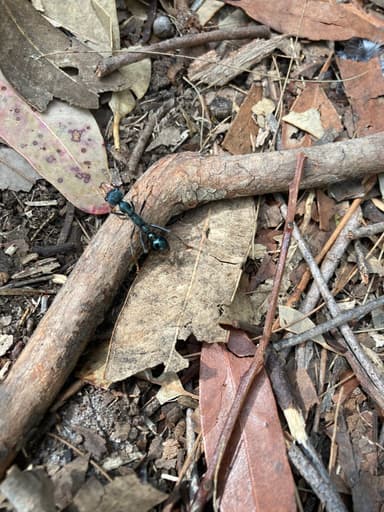
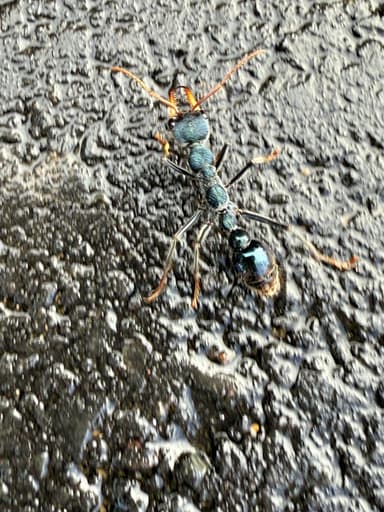
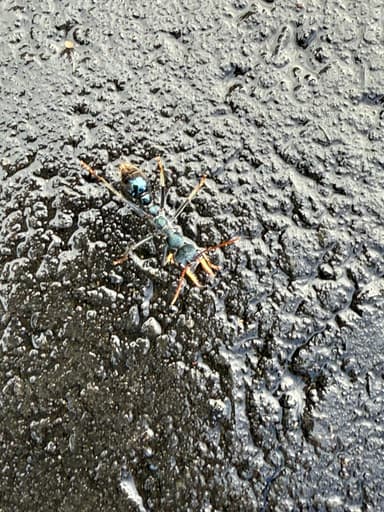
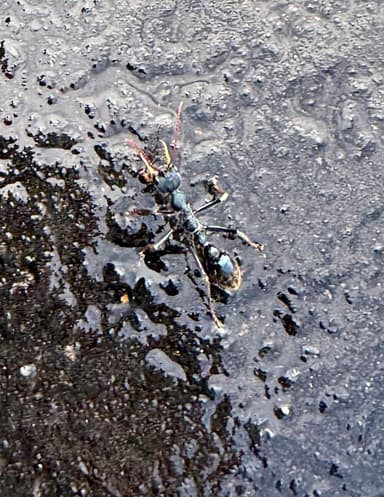
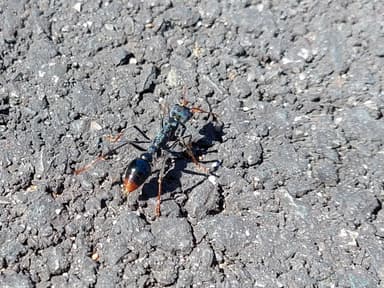
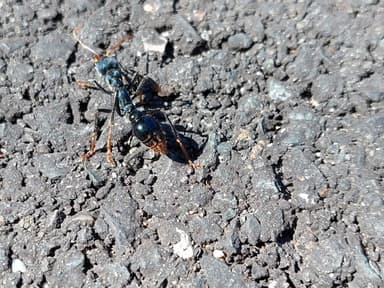
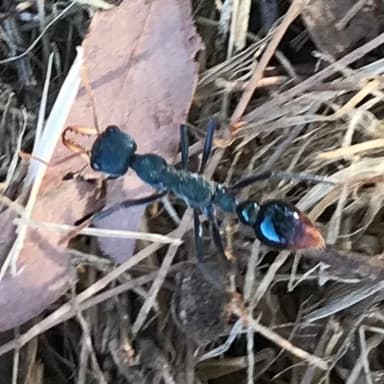
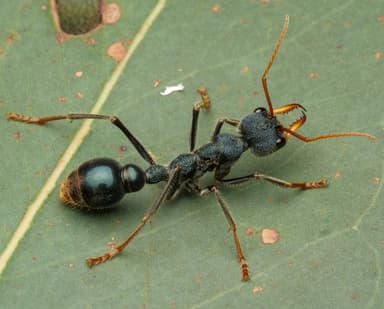
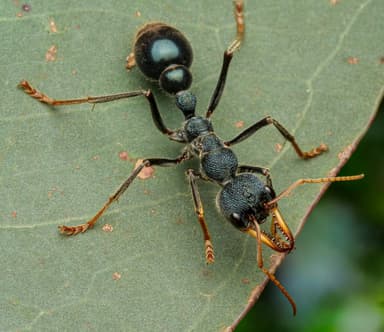
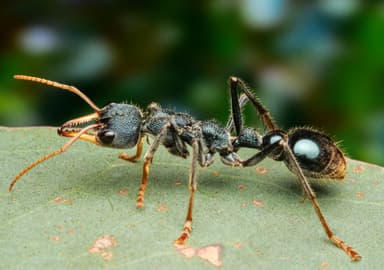
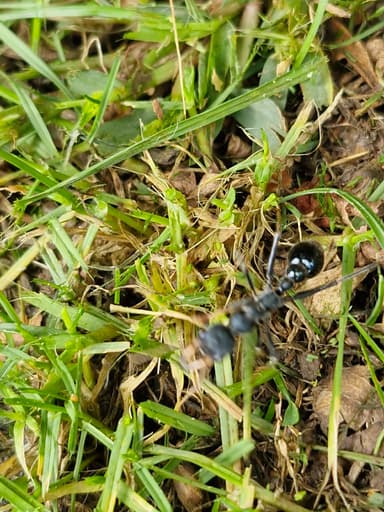
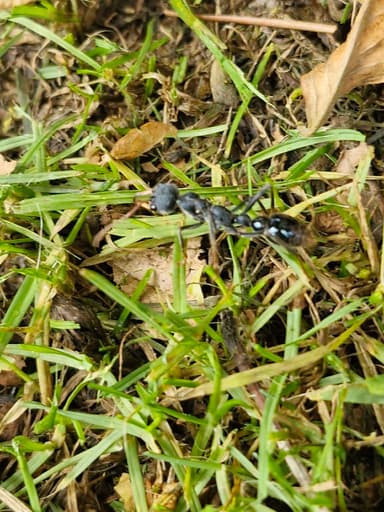
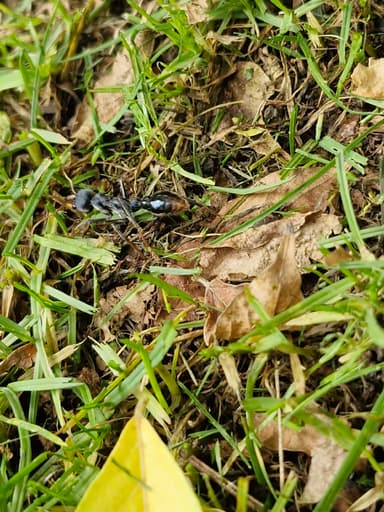
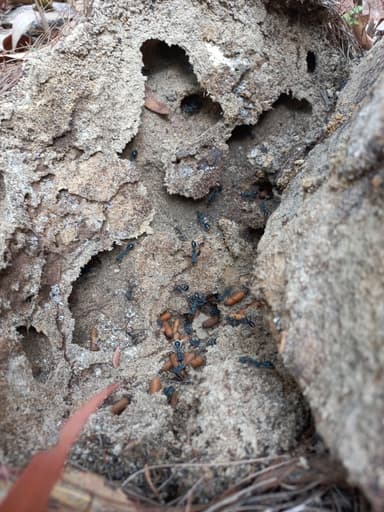
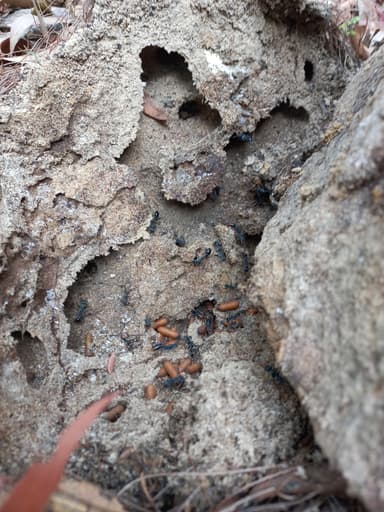
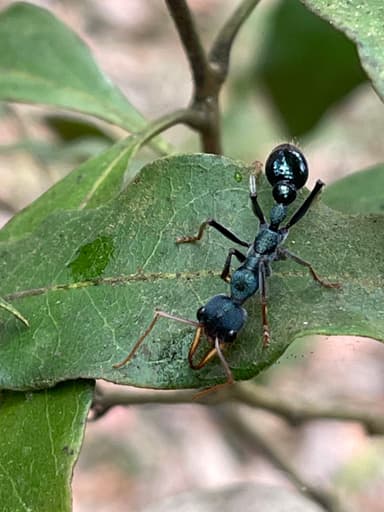
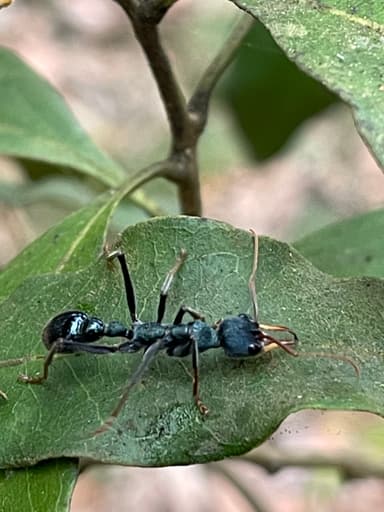
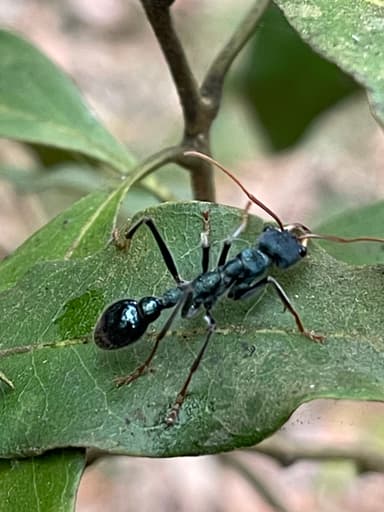
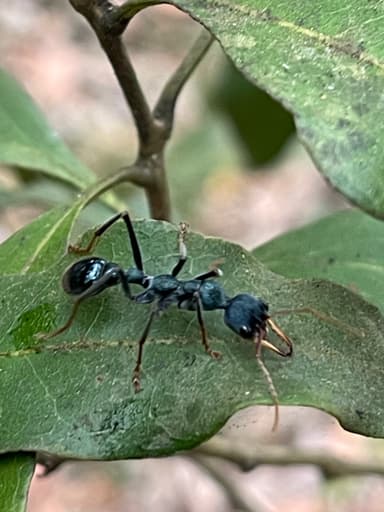
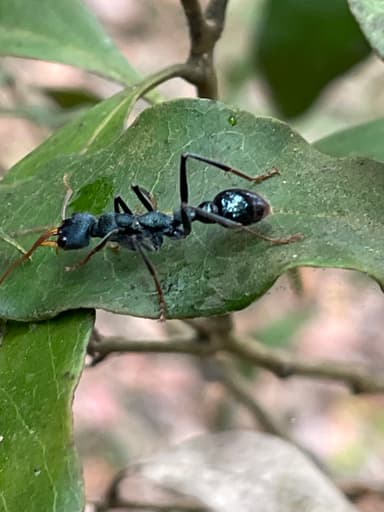
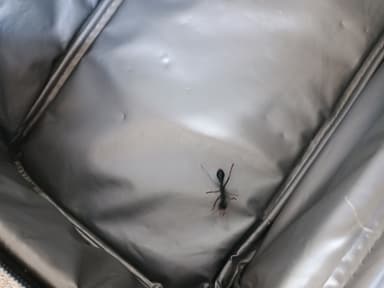
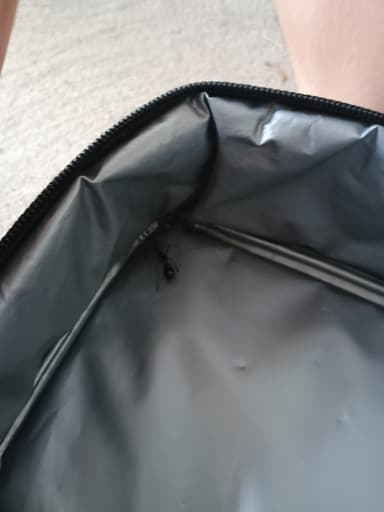
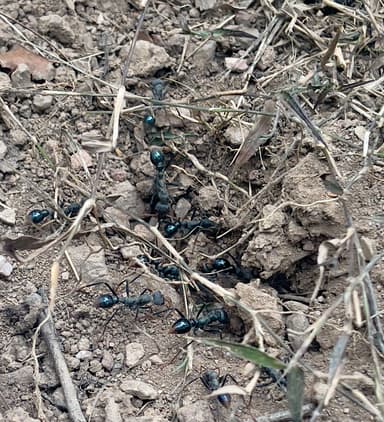
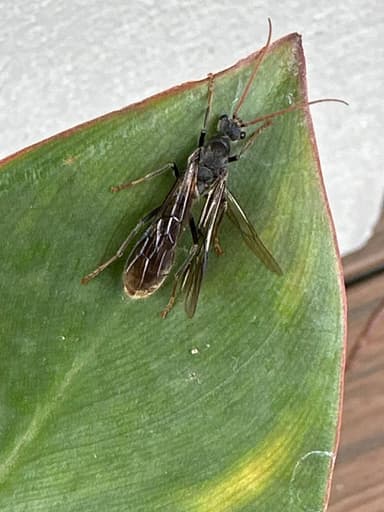
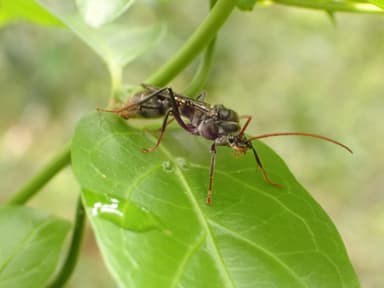
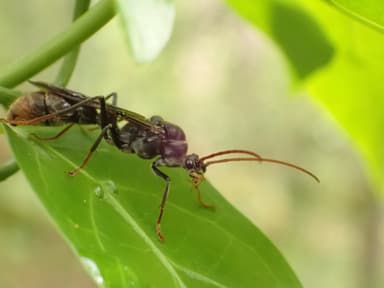
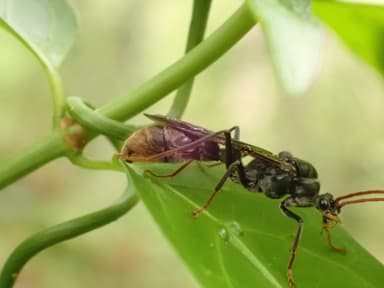
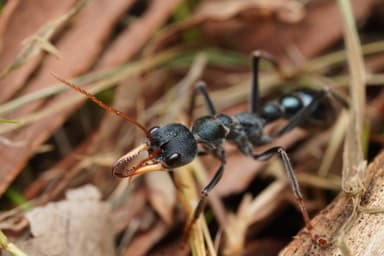
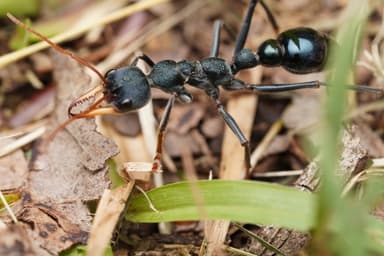
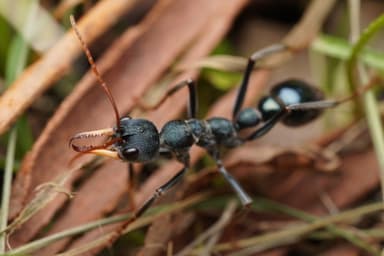
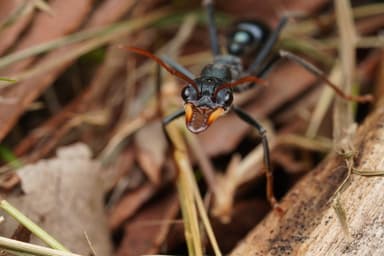
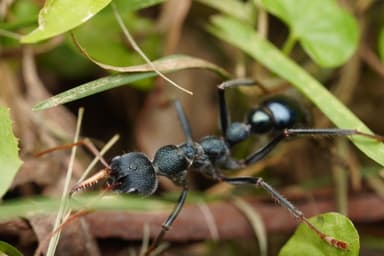
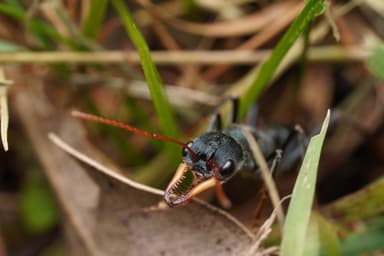
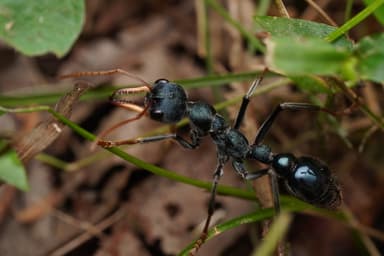
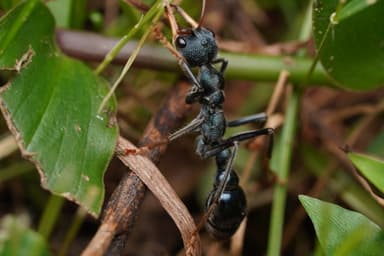
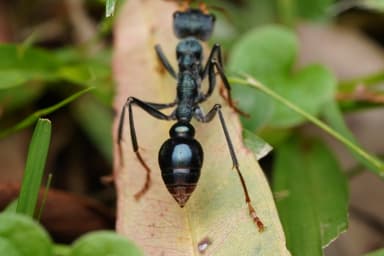
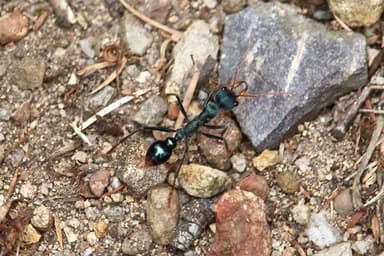
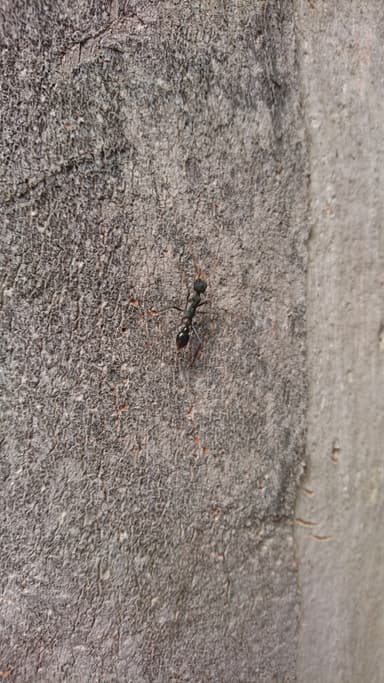
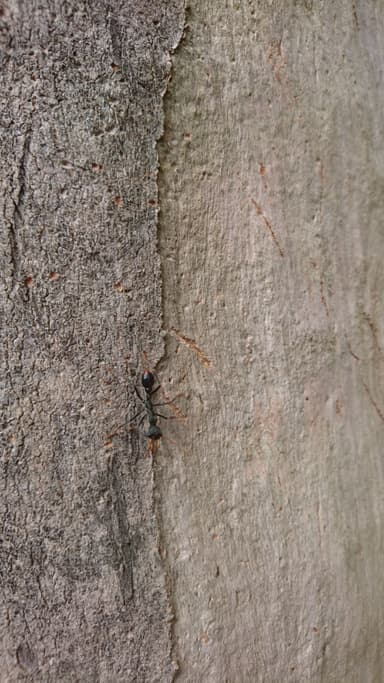
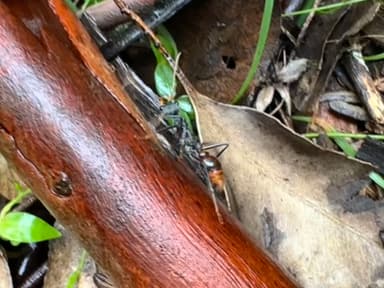
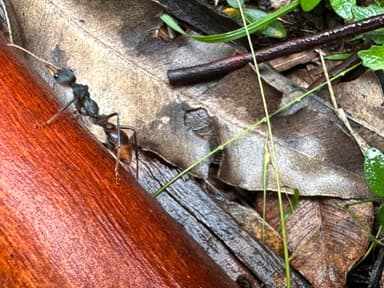
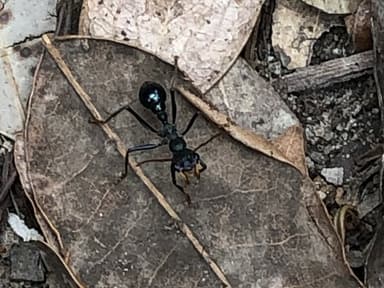
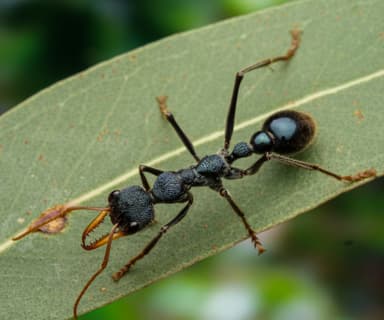
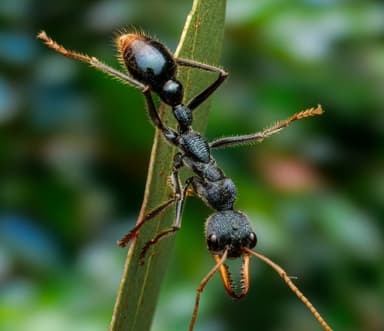
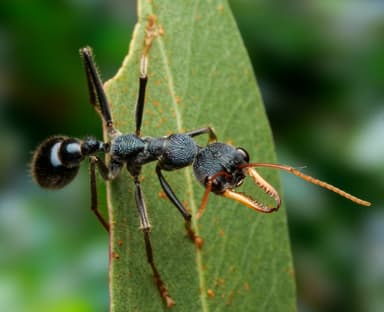
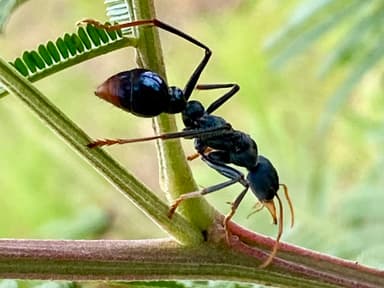
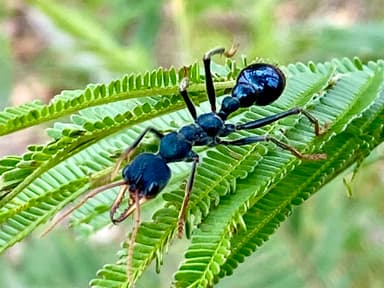
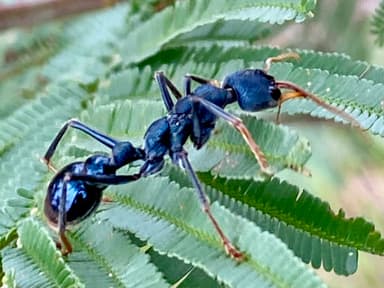
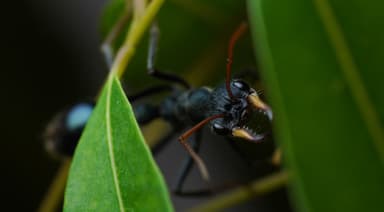
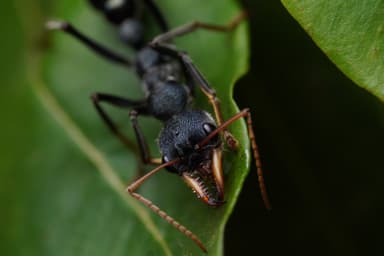
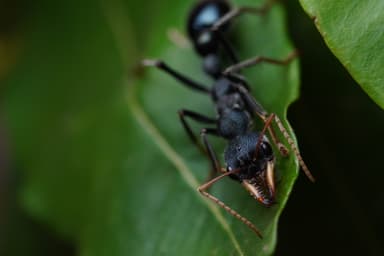
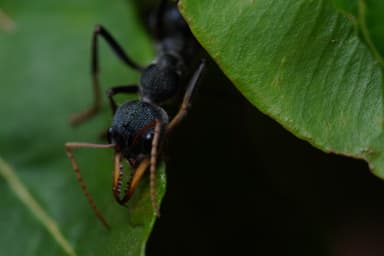
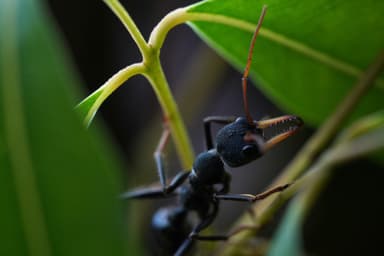
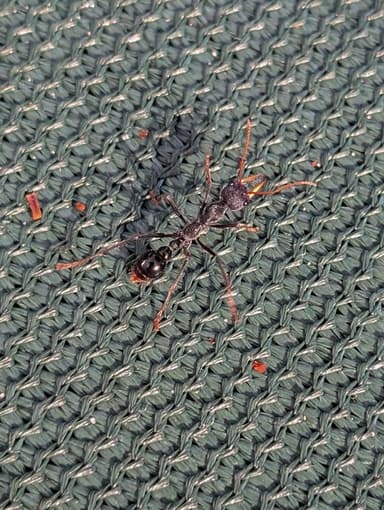
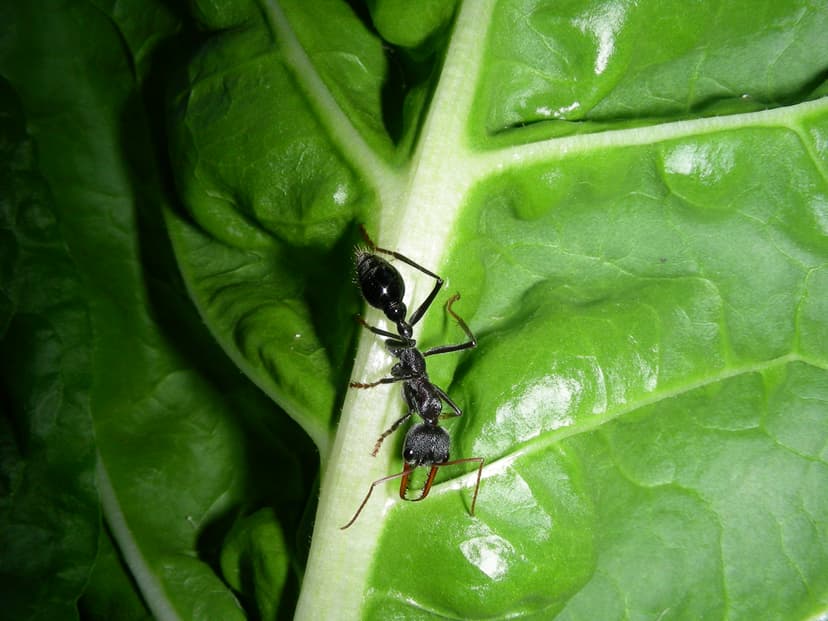
Myrmecia tarsata is a magnificent bull ant whose distribution hugs the eastern Australian seaboard, from the humid forests of tropical Queensland down through the cool, temperate woodlands of Victoria. This species falls squarely into the tradition of large, visually arresting Myrmecia: queens reach an impressive 25 to 30 millimetres, while workers span a continuous size range from about 17 to 26 millimetres, exhibiting a modest but noticeable polymorphism without discrete soldier or major castes. The colony, though not enormous by ant standards, can grow to around a thousand workers over several years, and beneath a single queen they develop a complex social hierarchy fuelled by acute vision, independent foraging, and a famously potent sting. For keepers drawn to the predatory grace and raw behavioural complexity of the bulldog ants, Myrmecia tarsata offers an especially rewarding window into the life of a primitive yet highly capable poneroid lineage, one extensively reviewed by Ogata & Taylor (1991) in their morphological studies of the genus.
Caring for Myrmecia tarsata is best approached at an intermediate level. While not as punishingly sensitive as some rainforest specialists, the demands of a semi‑claustral founding queen, the need for a carefully cycled hibernation, and the sheer physical speed and defensive power of the adults mean this is not a species for a first ant colony. A keeper should already be comfortable maintaining stable temperature and humidity gradients, handling live insect prey with tongs, and reading subtle signs of stress in a colony. The semi‑claustral founding mode, in which the queen actively leaves her nest to hunt during the initial brood‑raising period, requires a dedicated setup from the very start — a quiet, escape‑proof foraging arena connected to a secluded nest chamber. If you have successfully raised species like Myrmecia nigrocincta or other semi‑claustral ponerines, you will find the rhythm familiar, but always respect that a startled Myrmecia queen can leap and deliver a memorably painful sting.
Housing must accommodate both the queens’ need to forage and the colony’s eventual size. A multi‑chamber nest block made of inert, moisture‑retentive materials such as plaster, fire‑brick or Ytong works well, with a hydration system that keeps the interior at a steady 50 to 70 per cent relative humidity. A temperature gradient of 18 to 28 degrees Celsius mimics their natural range across lowland to upland forests; a gentle heating cable under one part of the nest allows the ants to self‑regulate. Provide a deep outworld with a sand‑or‑coco‑peat substrate, cork bark hides, and a tight‑fitting lid, because these ants are accomplished escape artists. A vertical or semi‑vertical orientation of the nesting area is appreciated, as Myrmecia often prefer a slight incline. For founding queens, a simpler setup with a single moist chamber attached to a small foraging dish serves well, allowing her to venture out, capture prey, and return to her eggs without excessive disturbance.
Diet is predator‑centric. These ants are visual hunters that readily track movement, so live or freshly killed insect prey forms the backbone of their nutrition. Offer small to medium crickets, dubia roach nymphs, mealworms, or fruit flies for young colonies, increasing prey size as the worker population grows. Feed prey two to three times per week, removing uneaten remains within a day to prevent mould. Supplement with carbohydrates by providing a drop of sugar water, diluted honey, or sunburst‑type liquid feeders placed on a small platform away from the nesting area; workers drink eagerly but should not be allowed to become sticky. A constant supply of fresh water via a test tube or a plaster‑lined water tower is essential, especially during the warmer summer months when the ants are most active and brood production peaks.
A true winter hibernation is not optional but a biological requirement for long‑term colony health. In their native range, Myrmecia tarsata experience a pronounced cool season, and captive colonies must be gradually cooled to approximately 12 degrees Celsius for three to four months, typically aligning with the southern hemisphere winter from June to August. Reduce feeding two weeks before the cooling period, then move the colony to a cool basement, wine fridge, or other temperature‑controlled space where the temperature remains steady without sudden freezes. During dormancy the ants cluster quietly, and the queen ceases laying; keep the nest barely moist and check periodically that condensation does not build excessively. When spring arrives, warm the colony back to active temperatures slowly over two weeks and resume feeding with small prey items. Skipping or shortening this rest period often leads to dwindling brood production and a marked rise in worker mortality.
The first days after your Myrmecia tarsata colony arrives are a delicate settling‑in phase, particularly for a newly mated queen. Place the sealed travel container inside the prepared outworld and allow her to exit on her own, which may take a few hours. Avoid direct bright light and vibrations, and do not offer food on the very first day. For a semi‑claustral queen, the second day is the time to introduce a tiny drop of sugar water and a small, pre‑killed fruit fly or cricket leg at the entrance of her nest chamber, then retreat and observe through red film if needed. She needs to discover the food quickly and begin storing energy for egg‑laying. Watch that she settles into a consistent routine of short foraging trips and returns; if she paces endlessly, the humidity or temperature may need adjustment. Once the first workers emerge — typically after two to three months — gradually increase prey size, and the colony will begin the steady march toward that impressive adult colony size, rewarding patient husbandry with one of the most enthralling displays of ant behaviour available to the dedicated keeper.