Messor
Messor cephalotes
Nuptial Flight Calendar
Flight months: Jan, Feb, May, Jun, Nov, Dec
Care Guide
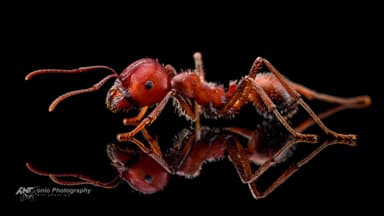
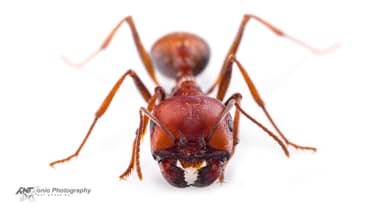
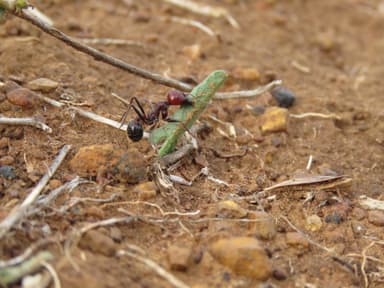
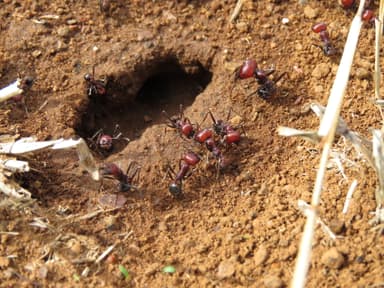
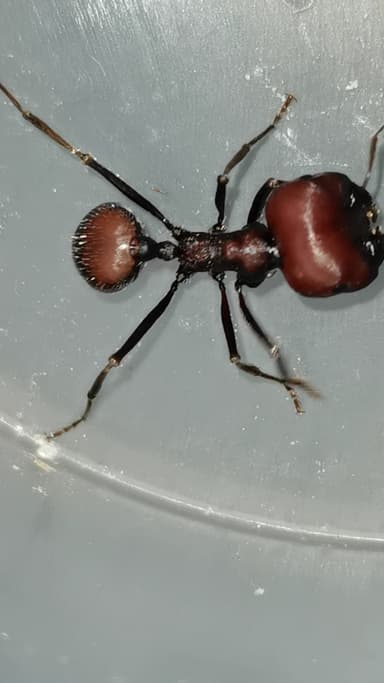
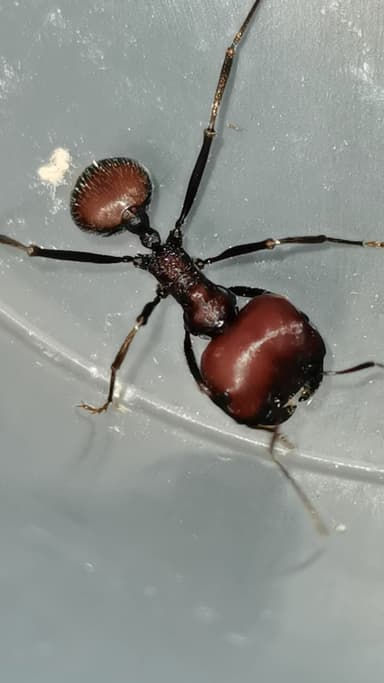
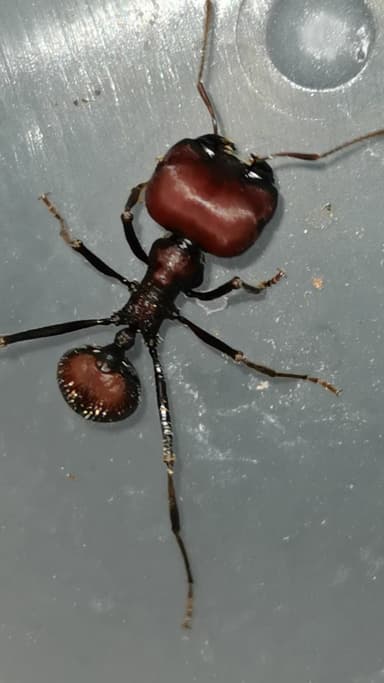
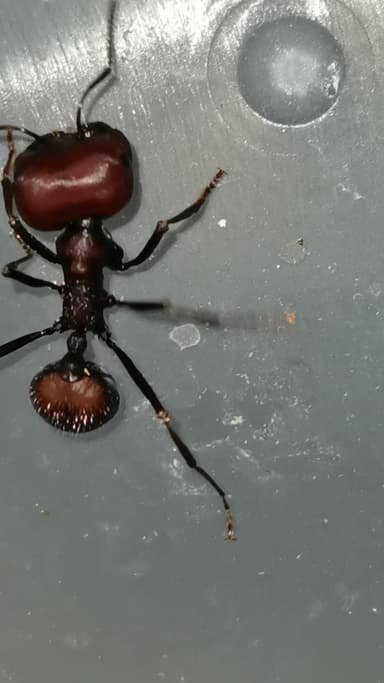
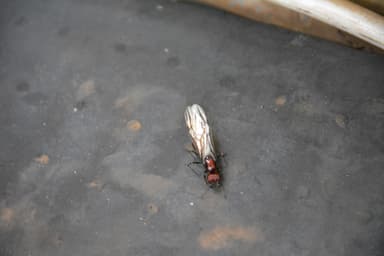
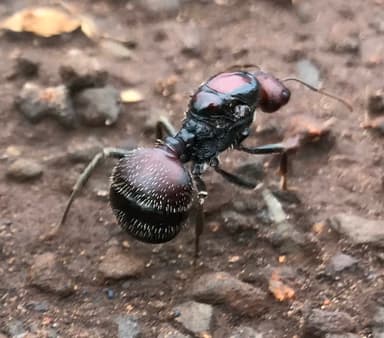
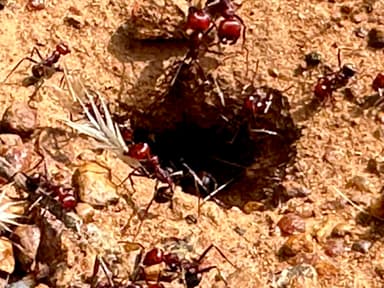
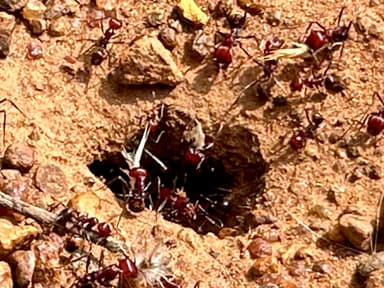
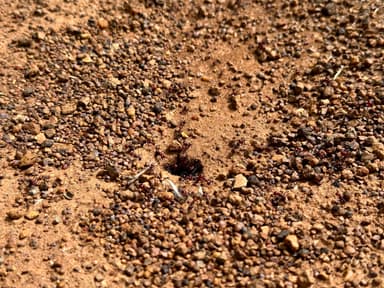
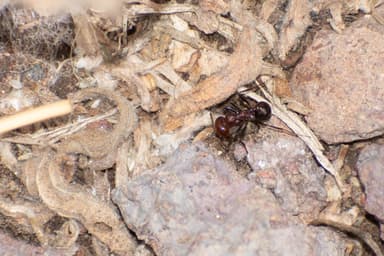
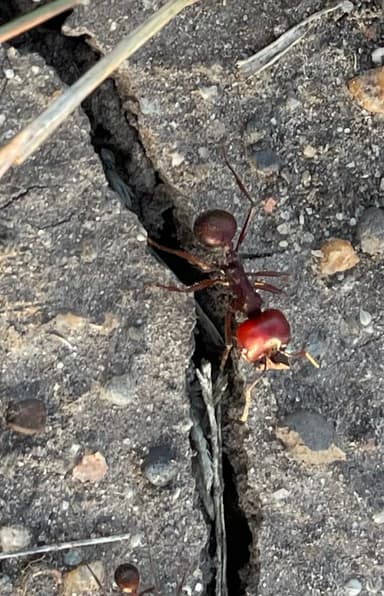
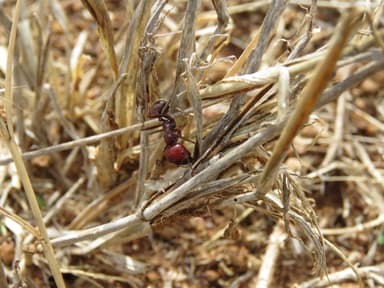
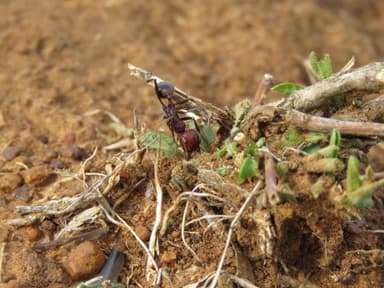
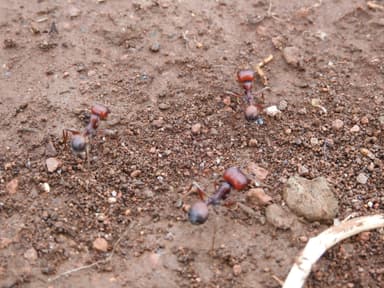
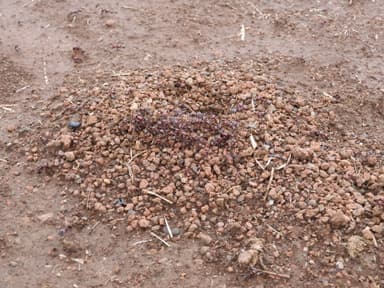
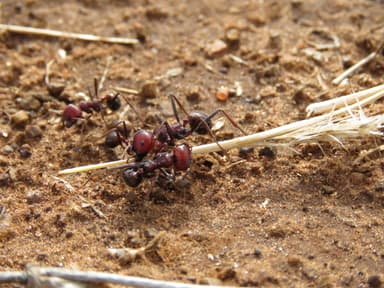
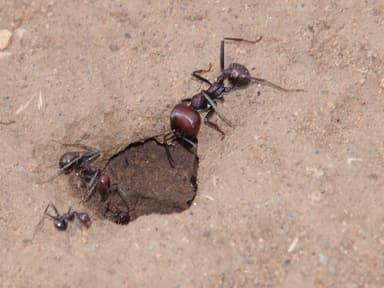
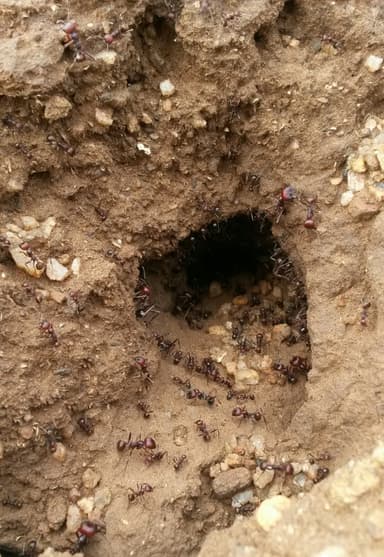
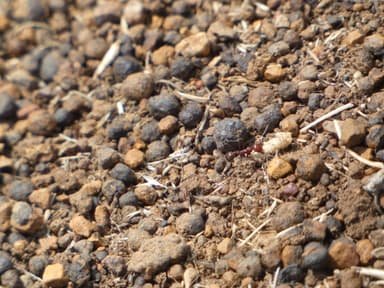
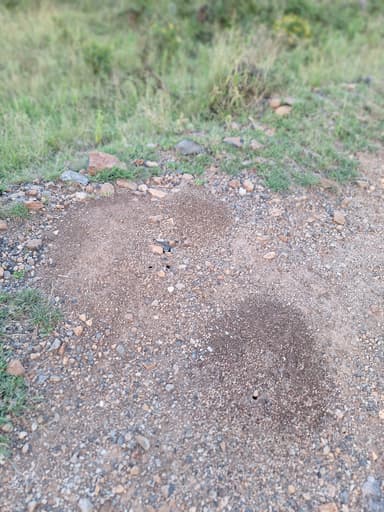
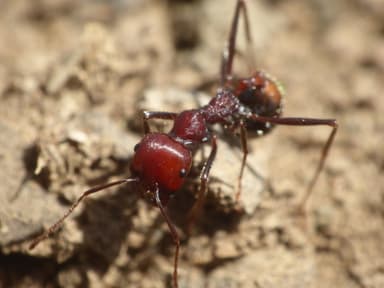
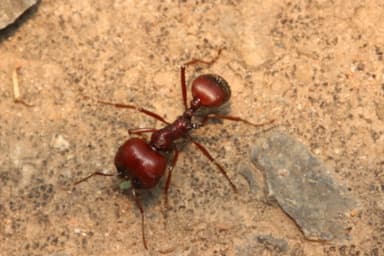
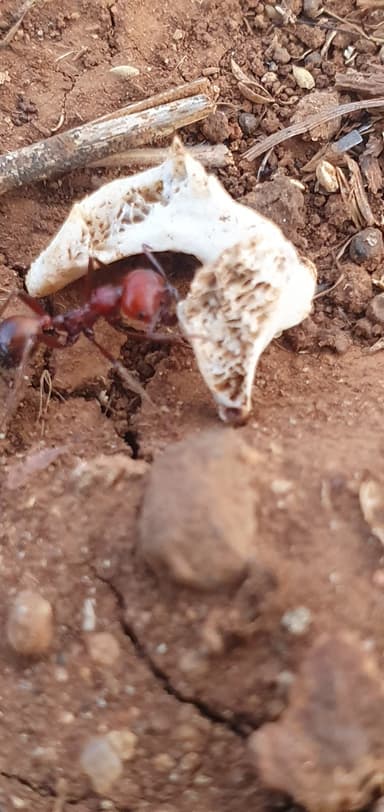
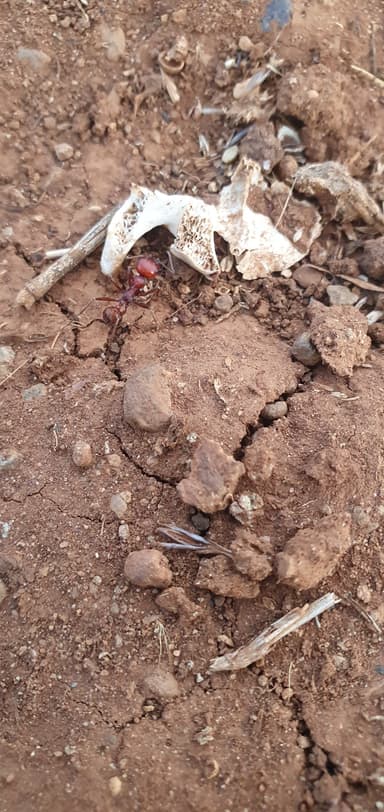
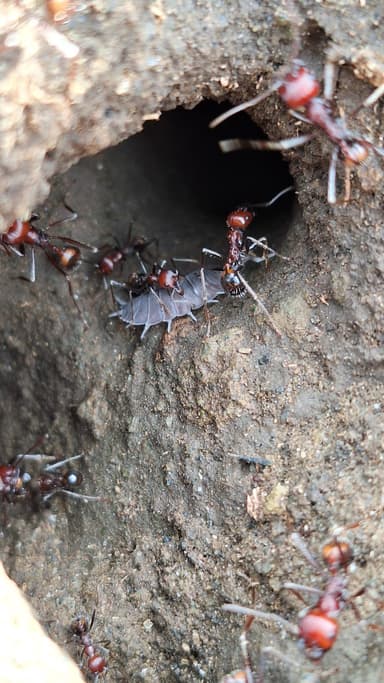
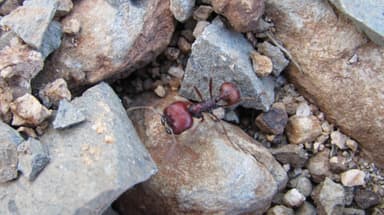
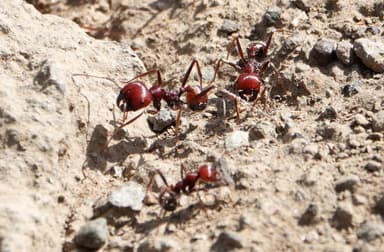
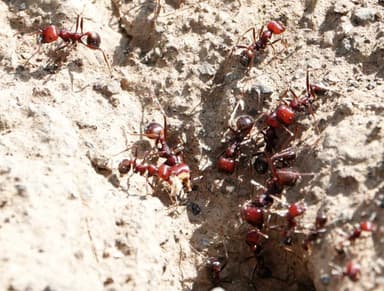
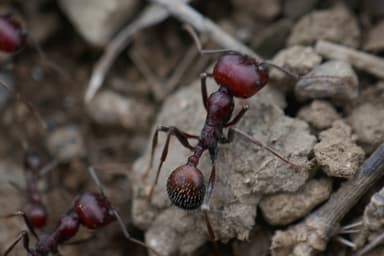
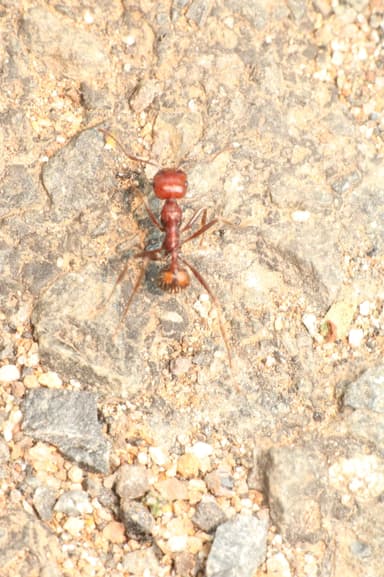
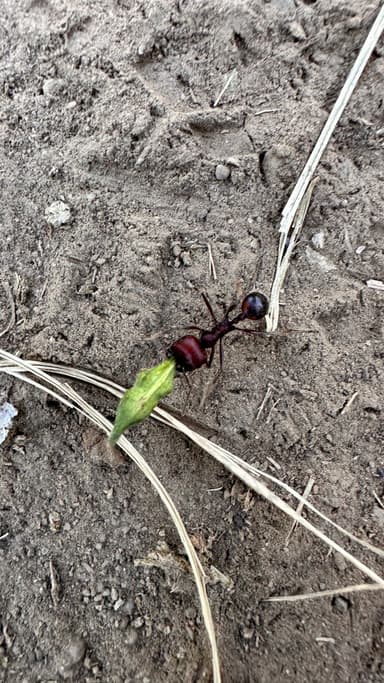
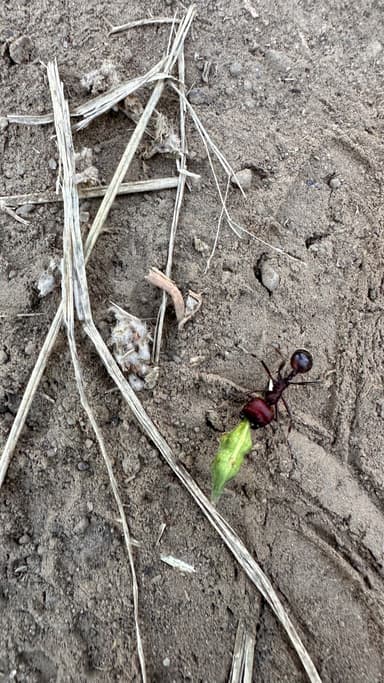
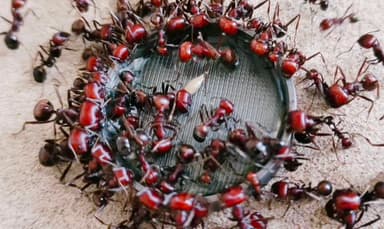
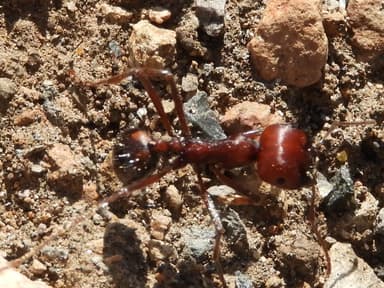
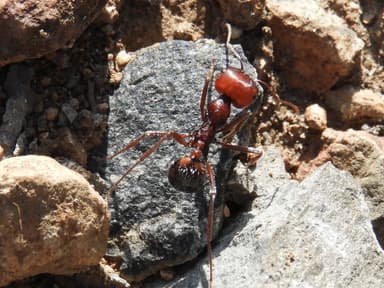
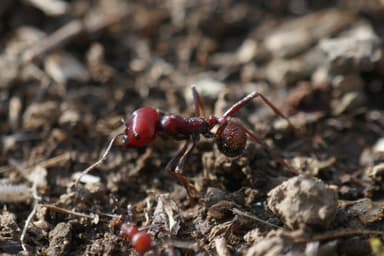
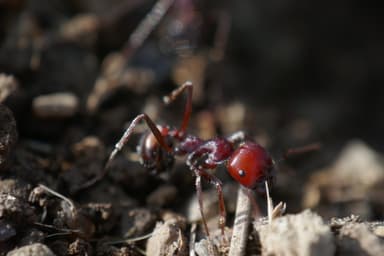
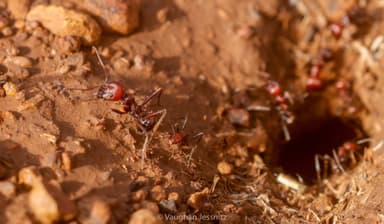
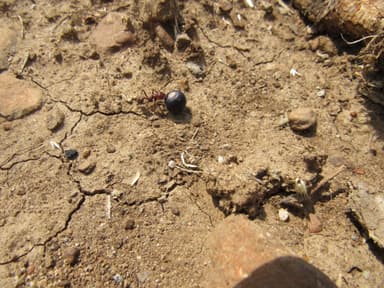
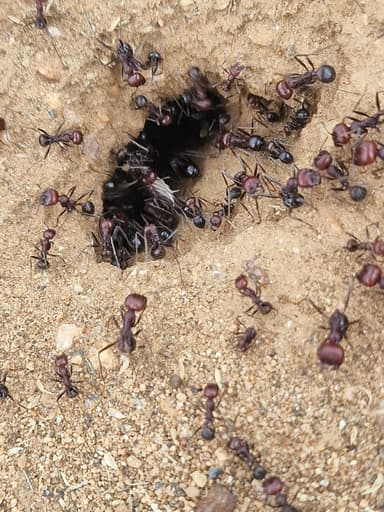
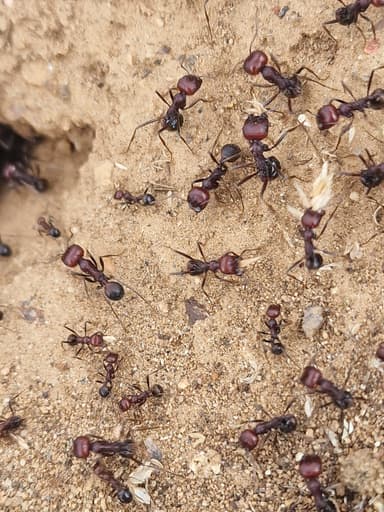
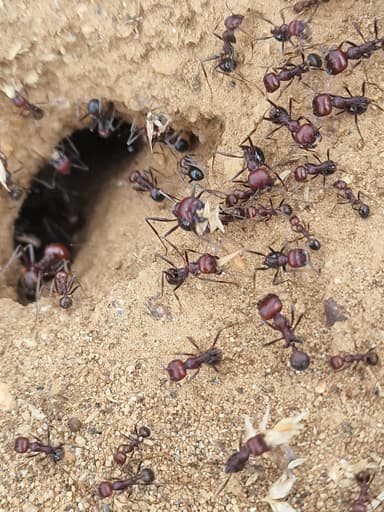
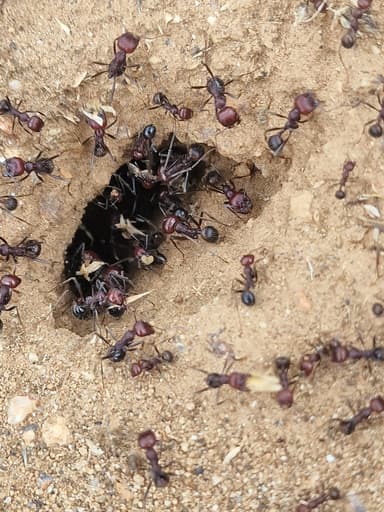
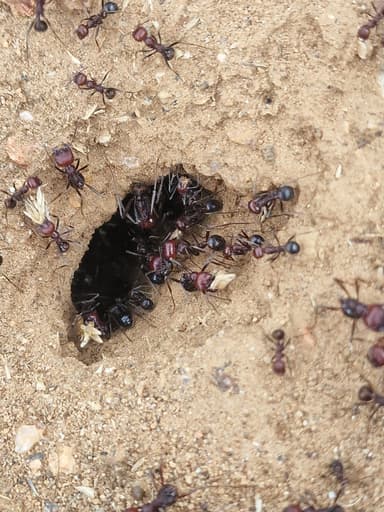
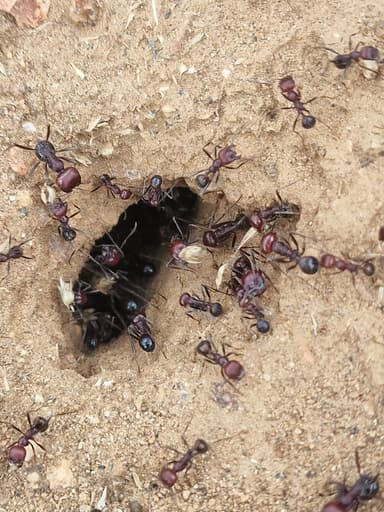
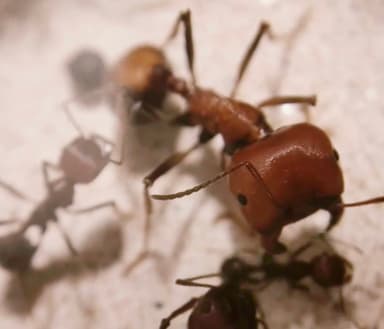
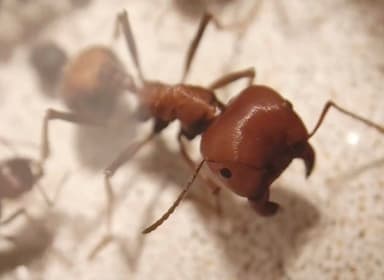
Messor cephalotes is an iconic harvester ant prized for its remarkable size polymorphism and seed-milling behaviour. First described by Emery (1895) from East Africa and later treated in Bolton’s (1982) revision of the Afrotropical Messor group, the species exhibits extreme worker caste differentiation: diminutive minors of only 8 mm, robust media, and colossal majors reaching 18 mm with powerful, blocky heads used to crush hard seeds. The queen herself is a majestic 22–26 mm, among the largest of all Messor queens. Mature colonies can house up to 20,000 individuals, and founding is fully claustral — the queen raises her first brood entirely from her own body reserves without foraging. Nuptial flights occur in the East African wet season, typically between November and February, during warm, humid evenings after heavy rains (GBIF occurrence data; AntWeb). The sight of dimorphic workers methodically processing seeds into a paste known as “ant bread” on a midden heap makes this a fascinating, highly watchable species.
Care difficulty is best described as intermediate. While M. cephalotes is not overly demanding in terms of environmental control, it does require a keeper who appreciates its escape-artist tendencies and specific dietary needs. The large majors are capable of chewing through thin plastics, soft silicone and fine mesh, so robust glass or thick acrylic nests with a well-designed foraging arena are mandatory. They suit a keeper who has successfully maintained a smaller colony for at least a full season and can provide a stable temperature regime and a reliable supply of small seeds mixed with supplementary insect protein. Complete beginners might be daunted by the initial shyness of the colony and the need to monitor food spoilage, but for those with some prior ant-keeping experience, this ant’s hardiness, continuous activity and striking appearance more than repay the modest extra effort.
Housing must reflect the species’ semi-arid African origins. A temperature gradient between 24 °C and 30 °C, ideally held at 27–29 °C through a heat mat or cable attached to part of the nest, keeps the colony active and accelerates brood development. Humidity is surprisingly flexible: a range of 30–60 % is well tolerated, but the ants strongly prefer a dry nest chamber with a distinct moisture source elsewhere. A plaster or grouted nest with a single watered block, or a modular ytong setup with a dampened end, works perfectly; many experienced keepers achieve excellent results with an open, ventilated acrylic nest and a water-filled test tube placed in the outworld (ant-keeping forum reports). Substrate is not required inside the nest, but a shallow sand-clay mixture in the foraging arena encourages natural digging and seed burial. Secure the outworld with a high-quality liquid PTFE barrier (Fluon) and provide ample ventilation to prevent condensation, which may cause stored seeds to mould.
Diet revolves around the colony’s granivorous lifestyle. Offer a varied seed mix of small, oily seeds such as grass seed, poppy, chia, amaranth and canary seed, replenished every couple of days; workers will carry seeds to the nest and transform them into ant bread. Brood development demands additional animal protein, so supply freshly killed insects — fruit flies, chopped crickets or small mealworms — twice weekly, removed if uneaten. Unlike many ants, M. cephalotes rarely needs sugary liquids; a tiny drop of honey water offered once a month is more than sufficient. Clean water must always be available via a test tube or water tower placed in the outworld, never directly in the nest to avoid flooding. A critical note for new keepers: freeze all seeds for 48 hours before use to destroy mite eggs, and discard any seed that begins to spoil in the warm, humid arena.
This equatorial species requires no hibernation. In its native range between latitudes 5° N and 12° S, seasonal variation is minimal, and the colony breeds year-round. Maintaining a steady temperature around 27 °C without a winter drop is not only acceptable but necessary — prolonged exposure to temperatures below 22 °C will slow brood production and stress the queen. Even a simulated cooler night just serves to lower activity without any physiological benefit. Simply keep the heat source on a consistent thermostat-controlled schedule and enjoy a colony that never slips into diapause.
When your M. cephalotes queen and first workers arrive, patience is everything. Connect the transport tube directly to the nest’s entrance, place the setup in a dim, low-traffic area and leave it completely undisturbed for at least 24 hours. Provide a small pile of seeds and a water feeder immediately; the workers will explore and drink once the tube is opened, but protein can wait until the second or third day when the colony has begun to settle. Watch for the queen — her gaster should be plump and mobile — and for the first tiny minors starting to nibble at seeds. Resist the urge to open the arena or reapply barrier during the first week. If seeds are carried into the nest and chewed, the colony is off to a sound start. The only early warning signs to heed are a thin, sluggish queen or seeds left untouched for several days; the former may indicate shipping stress, the latter often a simple matter of offering a finer seed type. As the workforce expands and the first formidable majors appear, this shy beginning gives way to one of the most visually spectacular and educationally rich ant-keeping experiences the hobby has to offer.