Messor
Messor barbarus
Nuptial Flight Calendar
Flight months: Sep, Oct, Nov
Care Guide
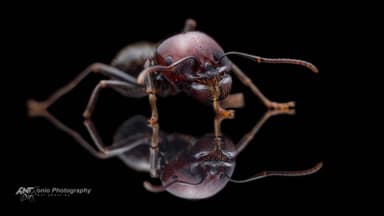
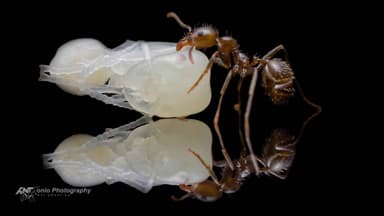
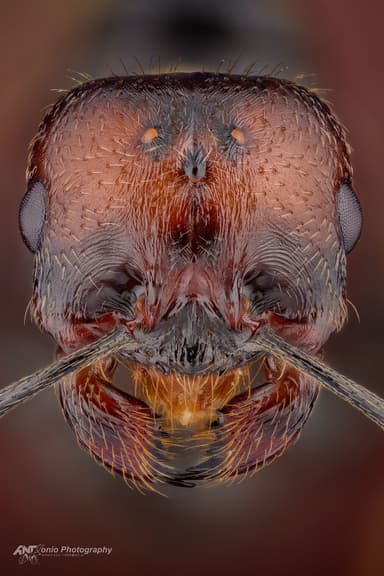
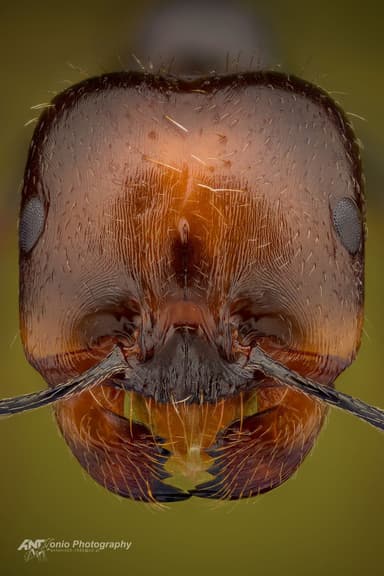
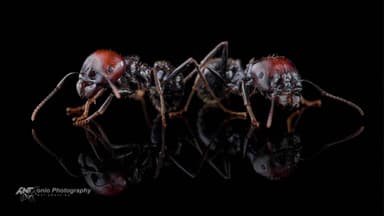
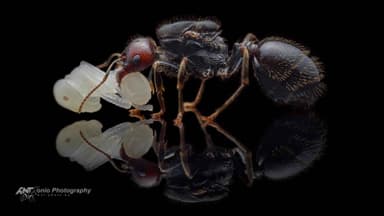
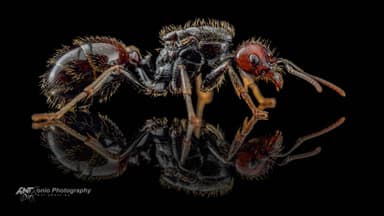
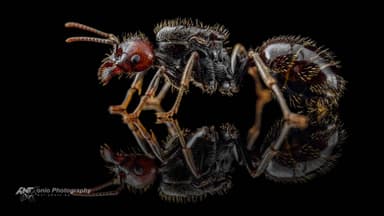
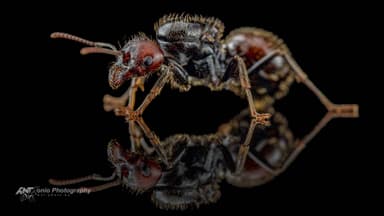
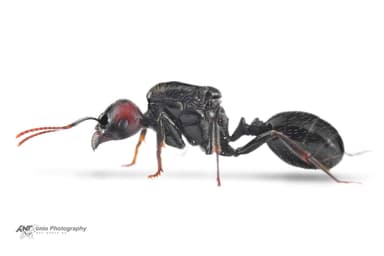
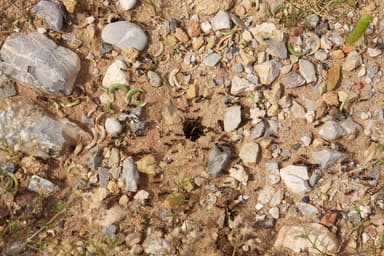
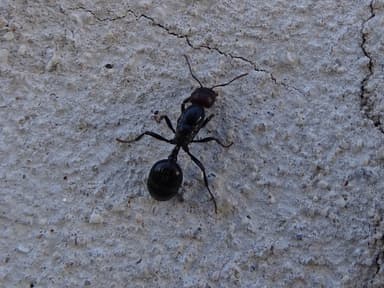
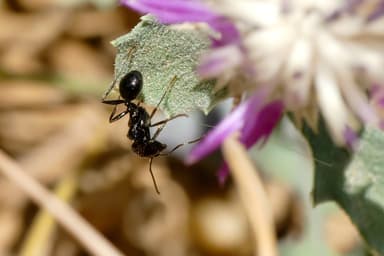
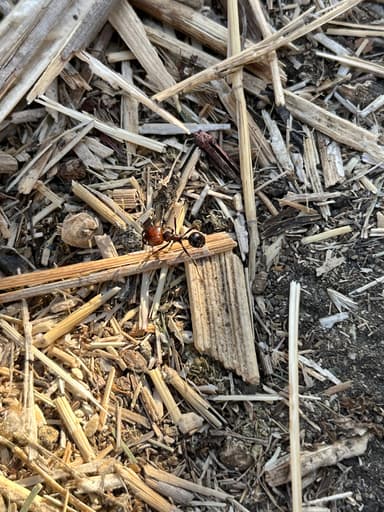
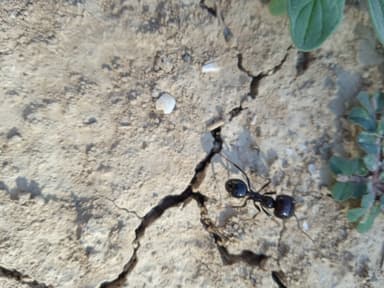
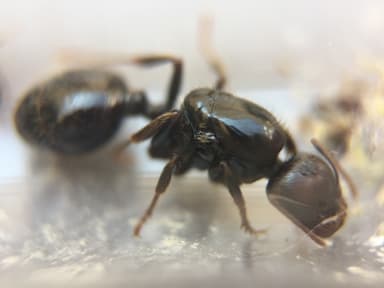
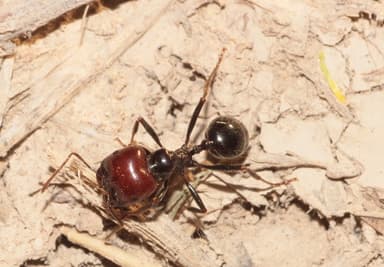
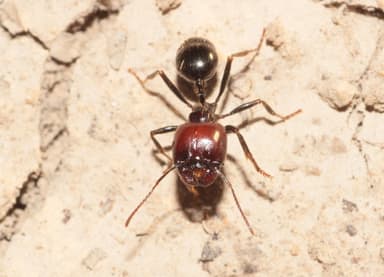
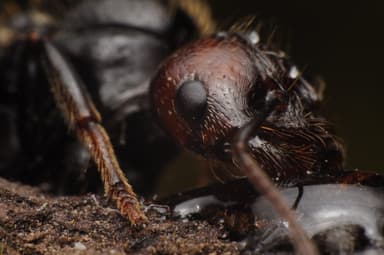
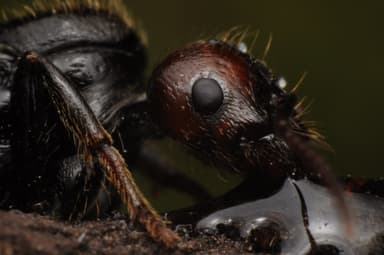
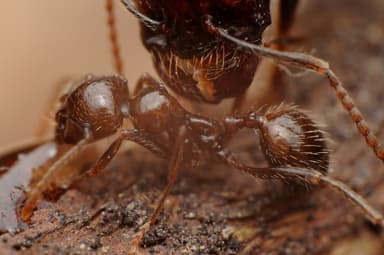
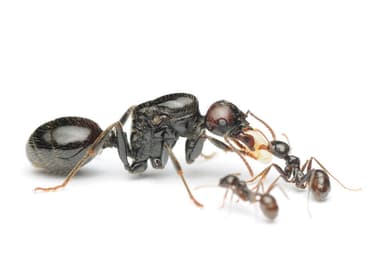
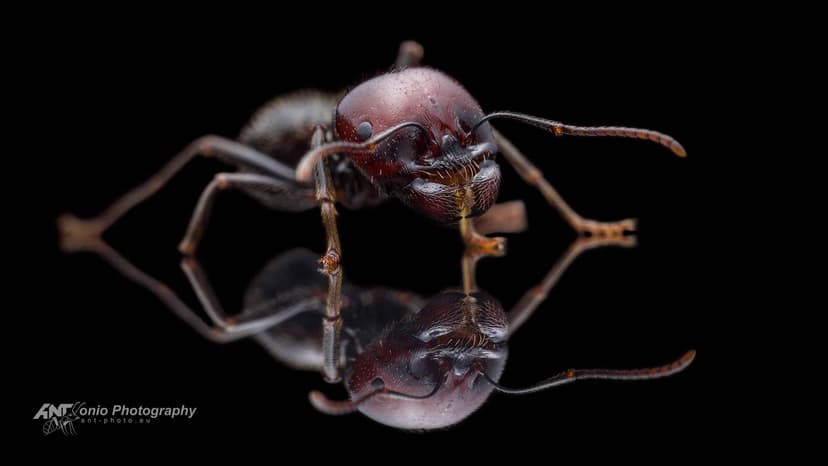
Messor barbarus, the European harvester ant, is a remarkably rewarding species that captivates keepers with its complex seed-processing behaviours and striking worker polymorphism. Queens are robust, measuring 14 to 18 millimetres and cloaked in a glossy black exoskeleton, while the workers span a dramatic size range from tiny 3‑millimetre minors through to broad‑headed 14‑millimetre majors. A mature colony can number up to 30,000 individuals, with three distinct physical castes — minor, media and major workers — each specialised for different tasks such as brood care, seed transport and milling, and defence. The foundation is fully claustral, meaning the queen raises her first workers without foraging, sealed within her natal chamber. In the wild, these ants are a familiar sight across the Iberian Peninsula, southern France and North Africa, where nuptial flights occur in the afternoons of September to November, typically after the first autumn rains have saturated the soil (Cerdá & Retana 1994; AntWiki). For the hobbyist, nothing compares to watching a major worker crack open a tough seed with her mandibles, while minors patiently reduce it to a fine ant‑bread — a living granary at the heart of your home.
The species is firmly classed as beginner‑friendly, yet holds enduring appeal for experienced keepers. Their tolerance of minor husbandry missteps, modest humidity requirements and relatively calm demeanour make them an excellent first ant for those new to the hobby. Even so, their intricate caste system, prodigious seed stashes and seasonal rhythms provide a fascinating long‑term study. Because they do not require live plants, elaborate hydration systems or frequent feeding, Messor barbarus suits keepers who appreciate a self‑contained, low‑maintenance display that nevertheless reveals new details with every observation. The colony grows steadily but not explosively, allowing you to upgrade their living quarters at a comfortable pace as numbers increase.
Housing these ants demands a nest that mimics the dry Mediterranean soils of their native range. A plaster, ytong or sand‑clay formicarium with a shallow hydration option works beautifully, maintaining a humidity gradient between 40% and 60% — which is quite dry by tropical ant standards — while central nest chambers can be even drier. Temperature should be kept between 21 and 28 °C for active development, easily achieved with a gentle heat mat placed under one corner of the setup to create a thermal gradient. A generous foraging arena filled with a shallow layer of fine sand and scattered pebbles will satisfy their instinct to scout and transport seeds; tunnels and chambers they may dig themselves are a source of endless entertainment. Crucially, the nest should include a dedicated, dry granary area where workers will warehouse their harvest. Excessive moisture in the seed stores must be avoided, as it promotes mould — a regular check to remove any germinating or spoiled seeds is good practice.
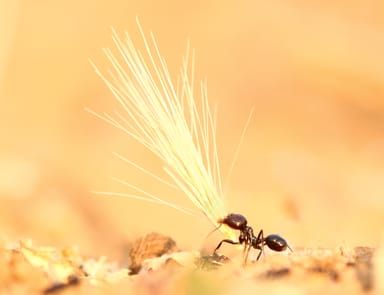
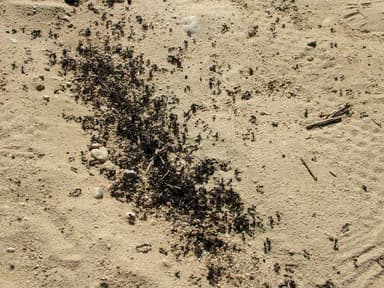
Diet revolves around seeds, which form both the energetic and cultural core of the colony. Collectively, workers select, transport and store an array of small, dry seeds — dandelion, poppy, grass, amaranth and even budgerigar mix — which they then dehusk and chew into a protein‑rich paste known as ant‑bread (Plowes et al. 2014). This processed food sustains the entire colony, but larvae also require fresh protein for optimal growth. Offer tiny insects such as fruit flies, freshly killed mealworm segments or small crickets two to three times a week; the workers will eagerly carry these back to the brood chambers. A constant supply of clean water, provided via a test‑tube drinker or a moist sponge, is essential, but avoid open water sources that raise humidity excessively. You may occasionally see workers feeding on sugary liquids, but this is far less important than in nectar‑dependent species, and a tiny dab of honey can be offered as an infrequent treat.
Messor barbarus requires an annual winter rest. From roughly November to February, the colony should be gradually cooled to around 15 °C. During this hibernation period activity slows to a near halt; the queen ceases egg‑laying and workers cluster quietly. Continue to provide a water source and a small cache of seeds, but suspend protein feeding entirely. The rest is not a suggestion — failure to hibernate often results in dwindling colony health, reduced queen longevity and erratic brood cycles the following spring. After two to three months, gently warm the nest back to the active range, and the renewed energy will be palpable within days.
When your colony first arrives, give it the gift of calm. The queen and her workers will be stressed from transit, so attach their transport tube to a small foraging area, cover the setup to exclude light and resist the urge to check for at least 24 hours. Offer just two or three tiny seeds and a droplet of water; do not flood the tube. During the first week, look for signs that workers are exploring the arena at their own pace — this indicates they are settling in. If they retreat, hide and refuse to forage, simply wait longer. Once you see the first seed carried into the nest, you can gradually introduce a protein source and slightly increase seed offerings. Monitor humidity carefully: the tube or nest should be dry apart from the water source, as an overly damp environment is the quickest way to lose a young Messor colony. With patience and a light touch, you will soon have a thriving miniature grain empire.