Lasius
Lasius psammophilus
Nuptial Flight Calendar
Flight months: Jul, Aug, Sep
Care Guide
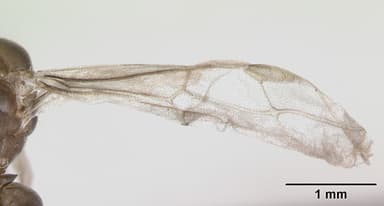
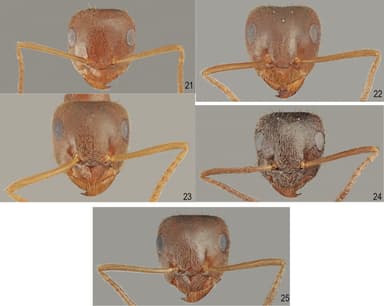
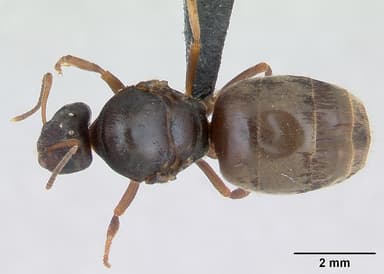
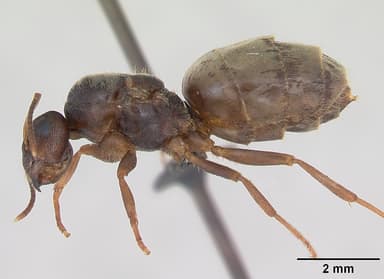
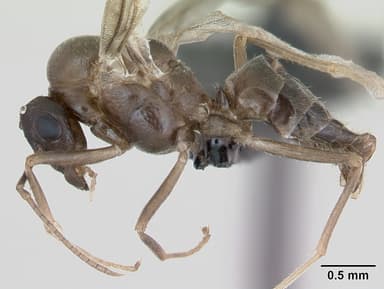
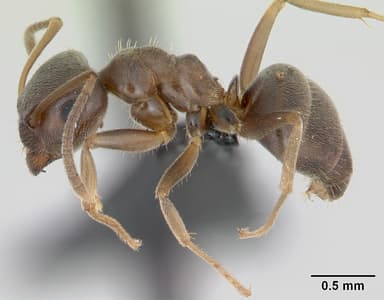
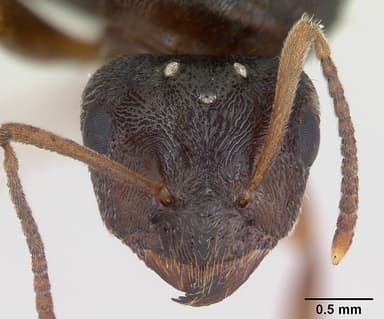
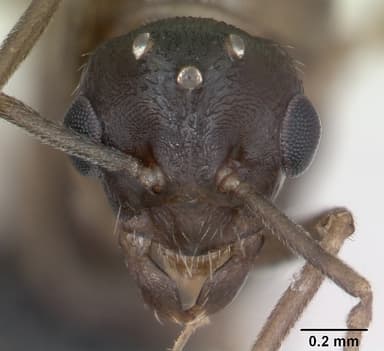
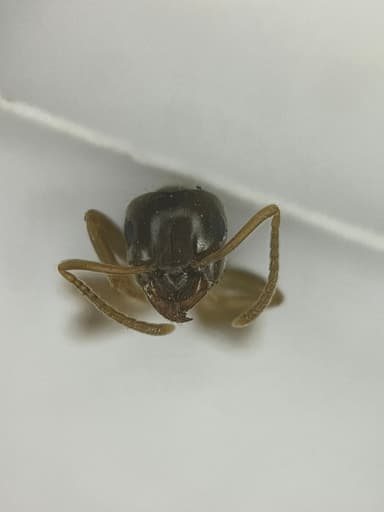
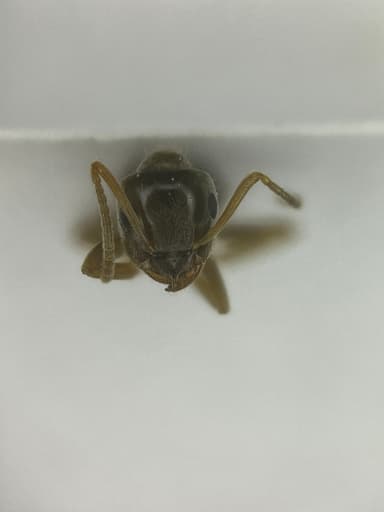
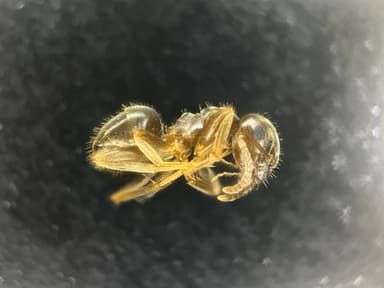
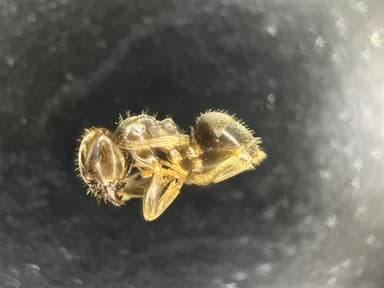
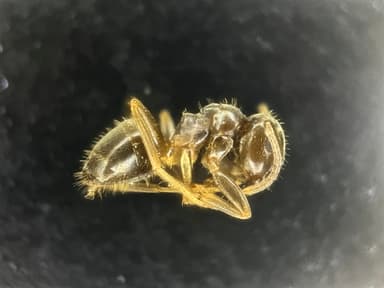
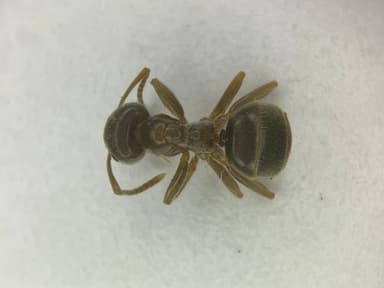
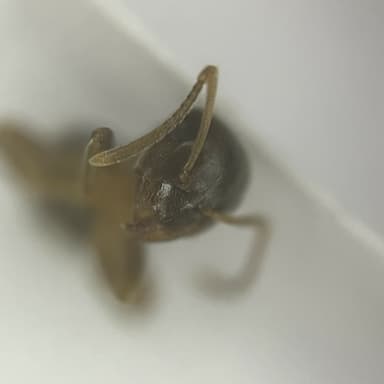
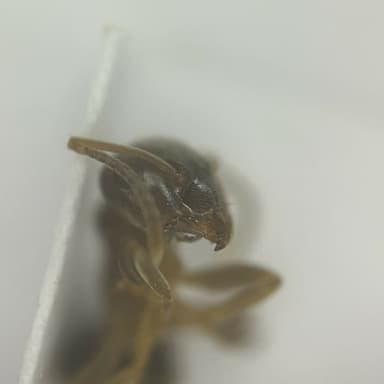
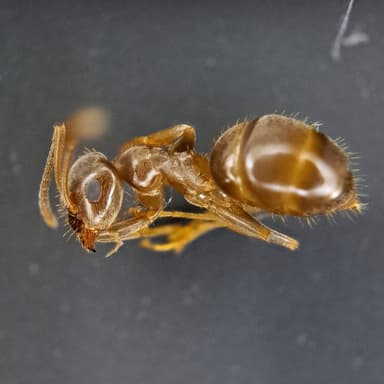
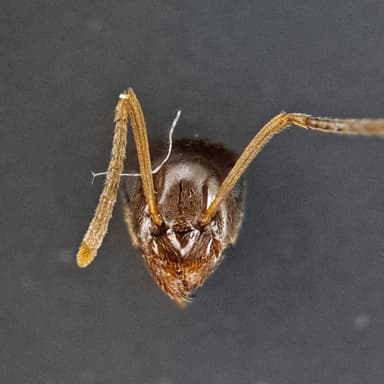
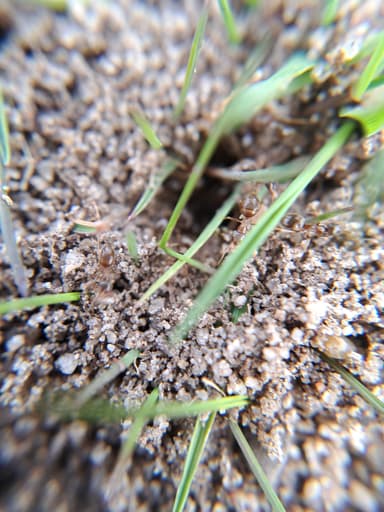
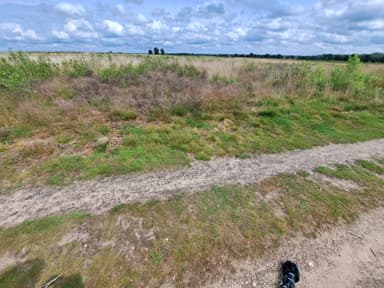
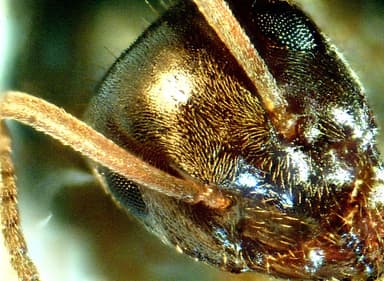
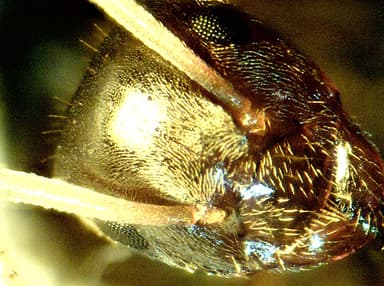
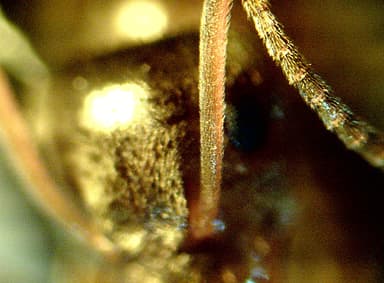
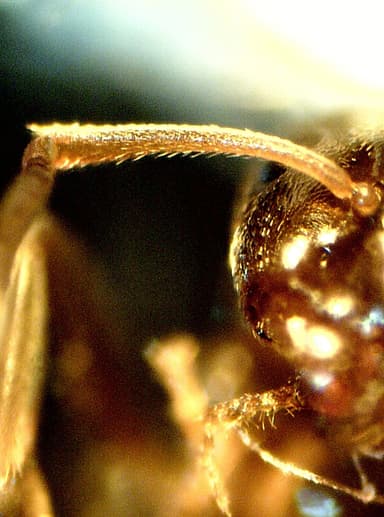
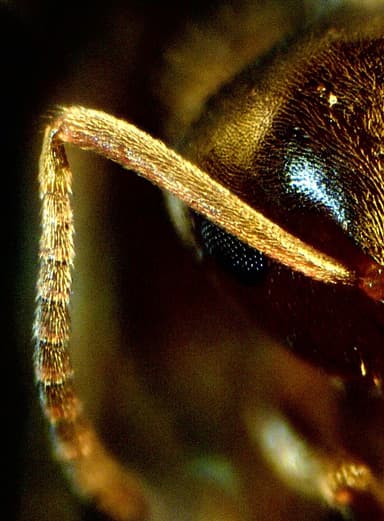
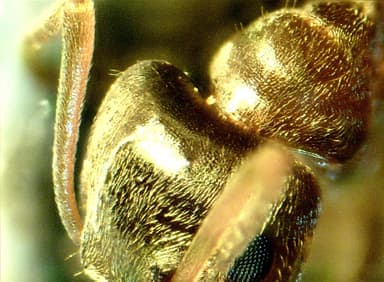
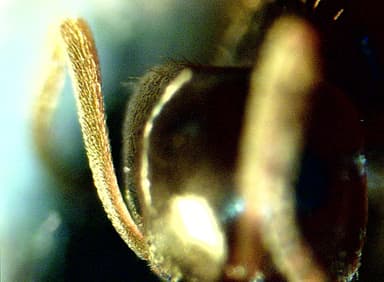
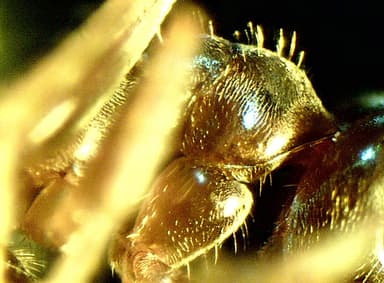
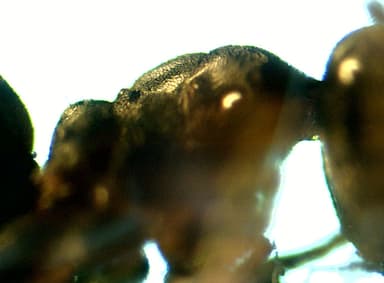
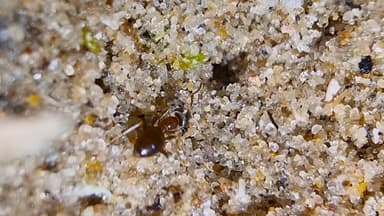
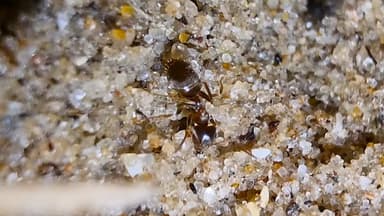
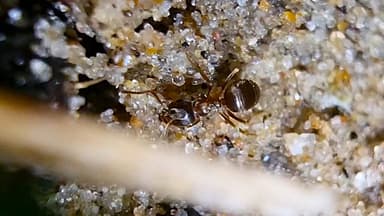
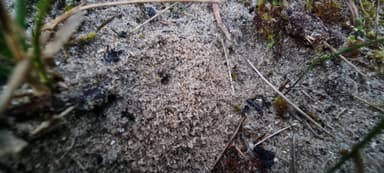
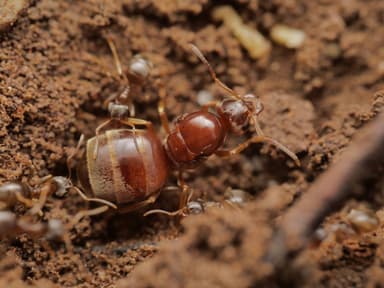
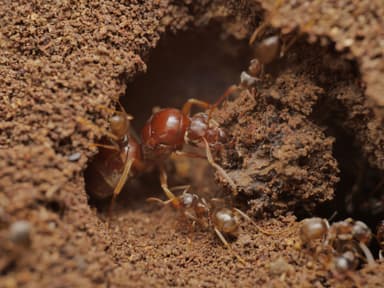
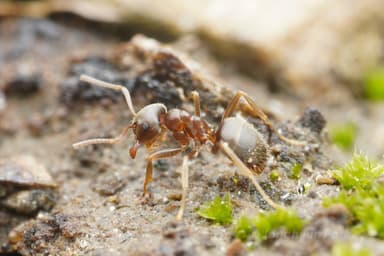
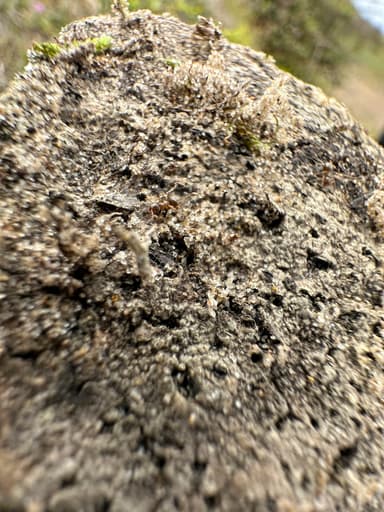
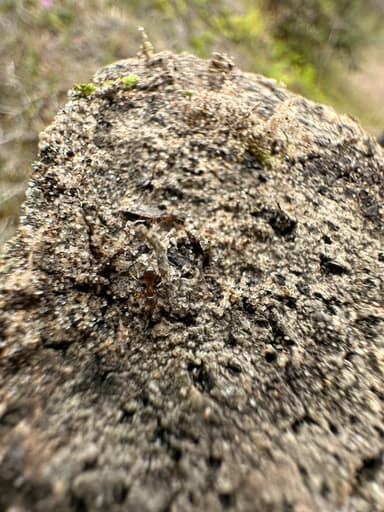
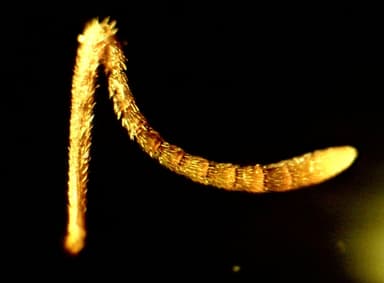
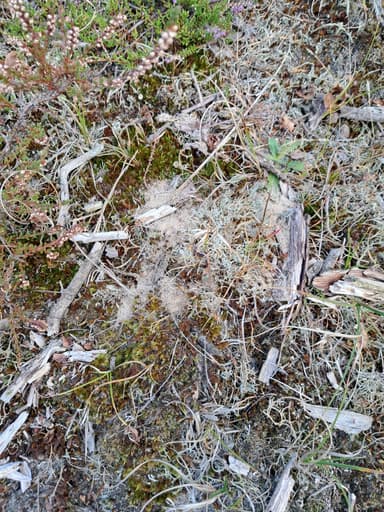
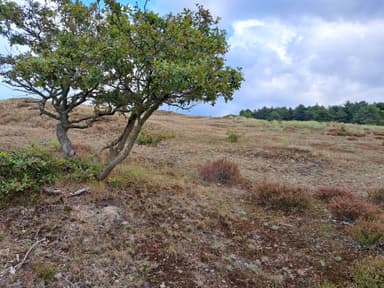
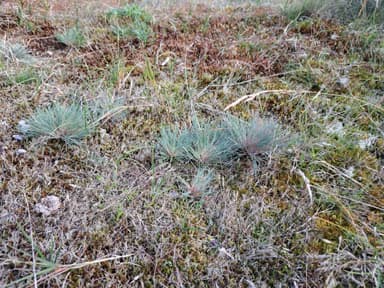
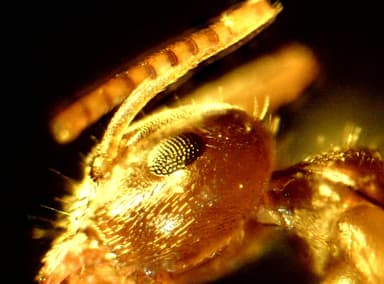
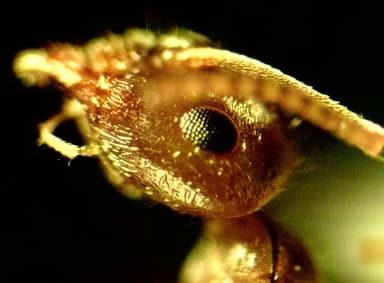
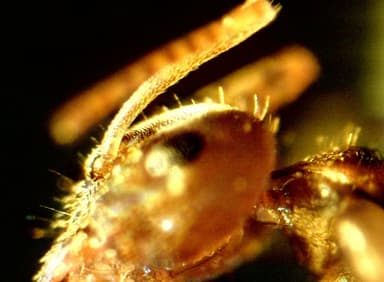
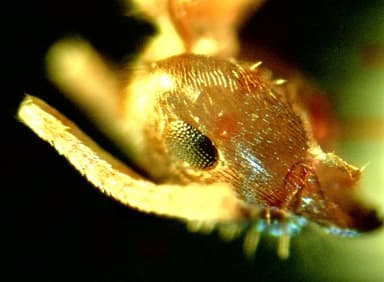
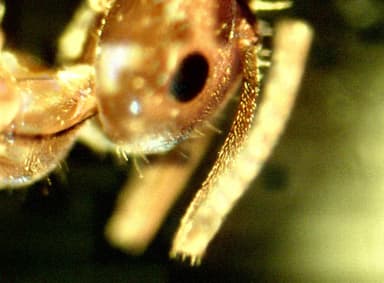
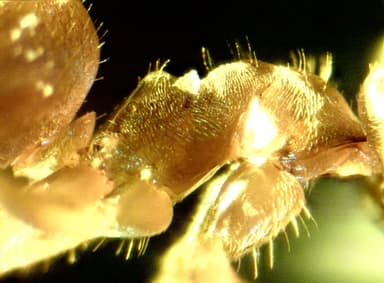
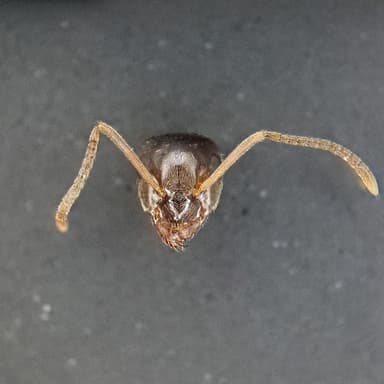
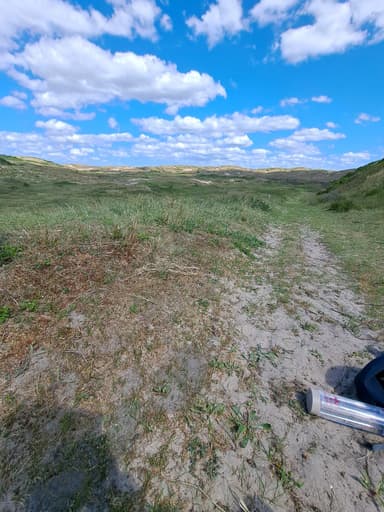
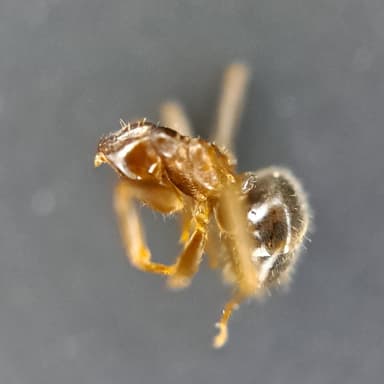
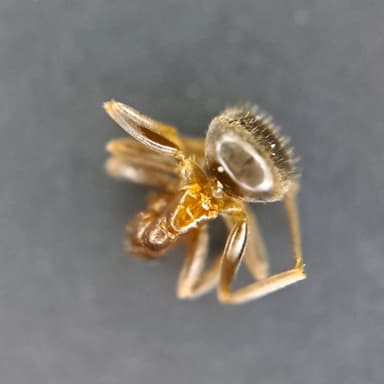
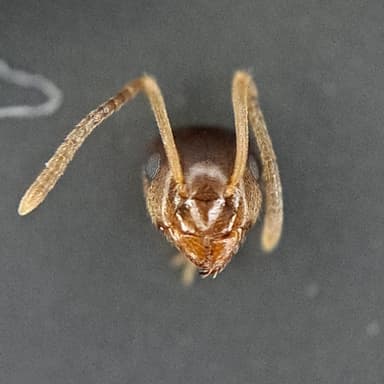
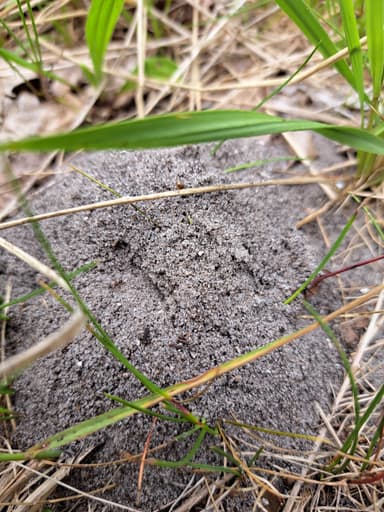
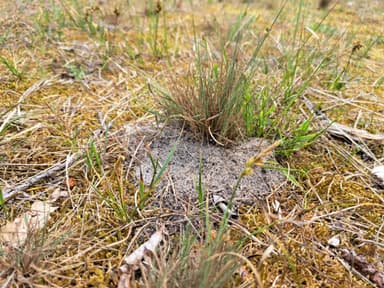
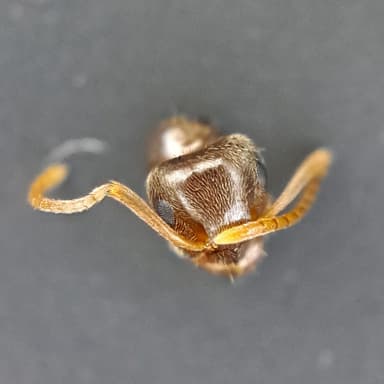
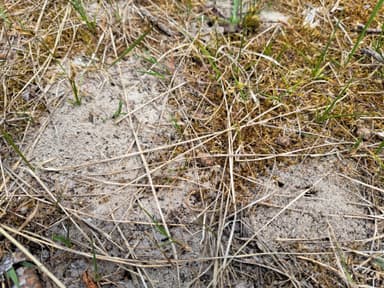
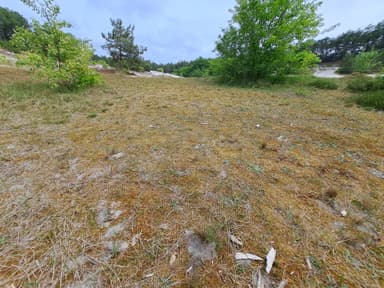
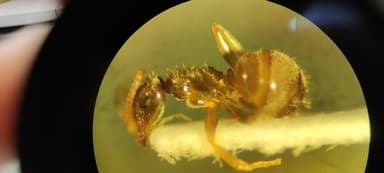
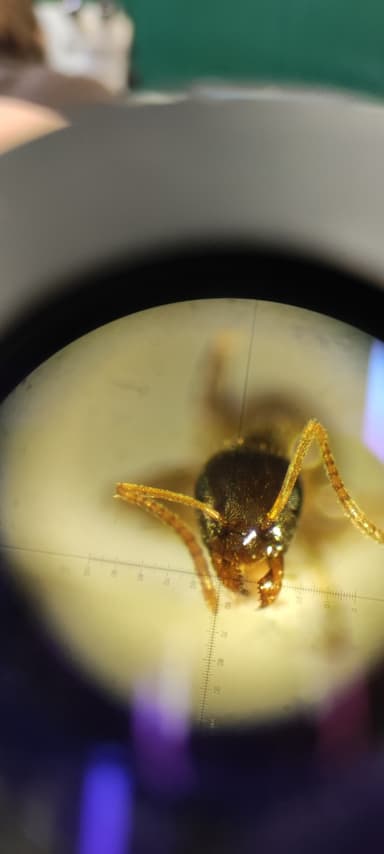
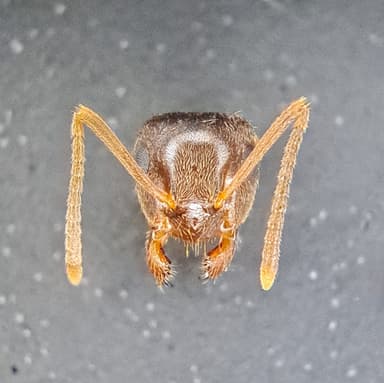
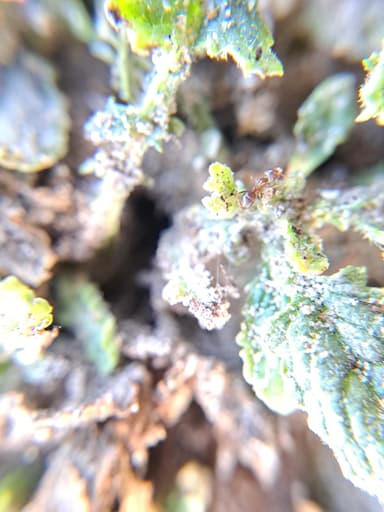
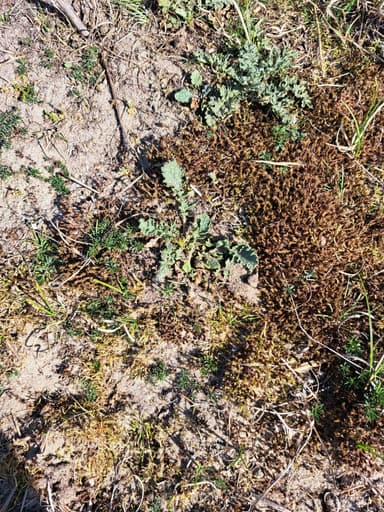
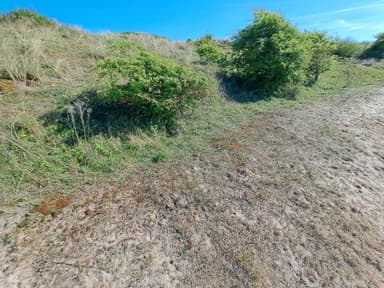
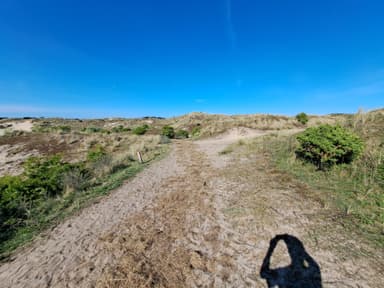
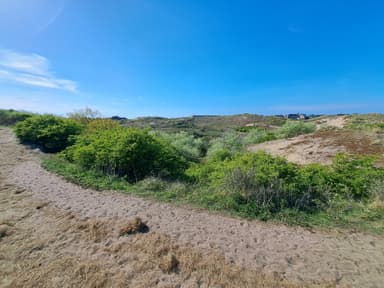
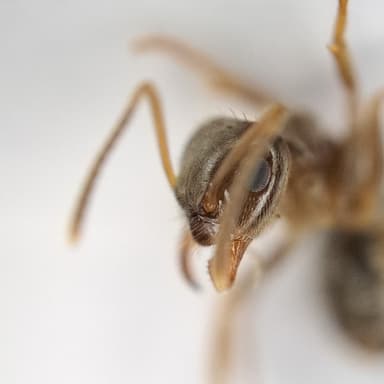
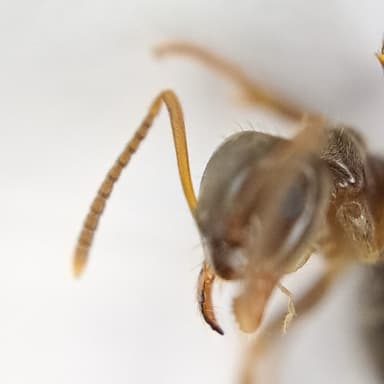
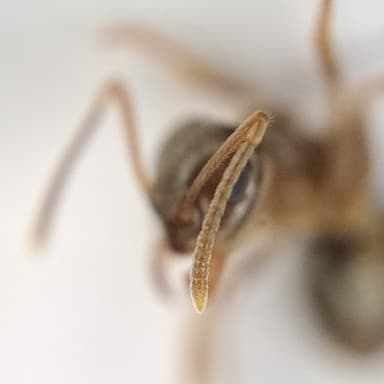
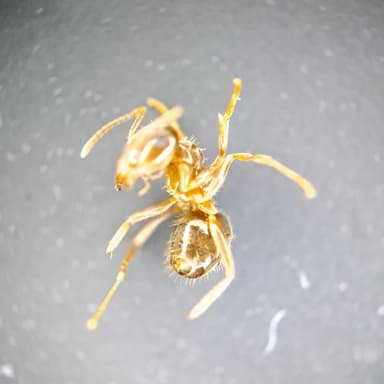
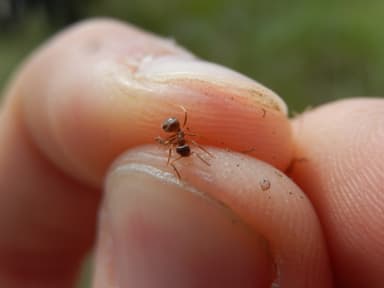
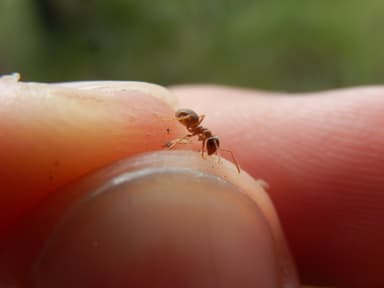
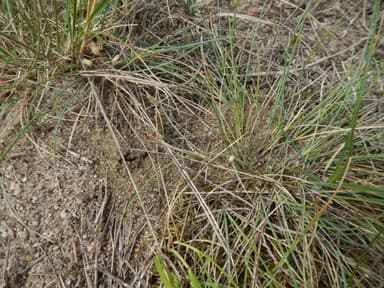
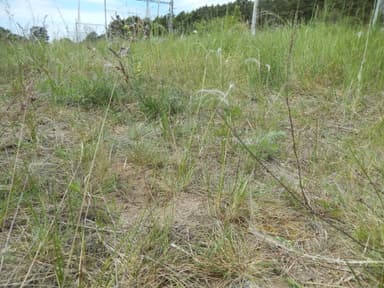
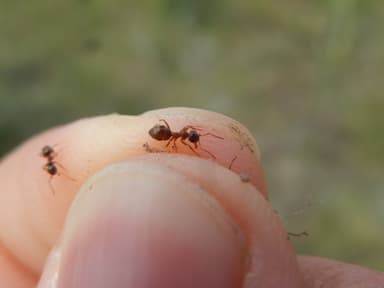
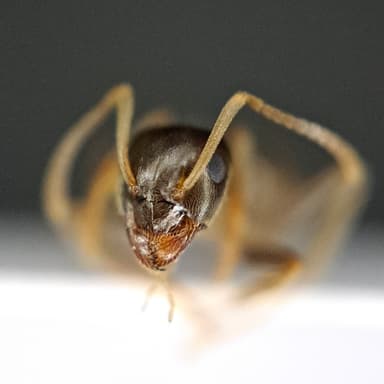
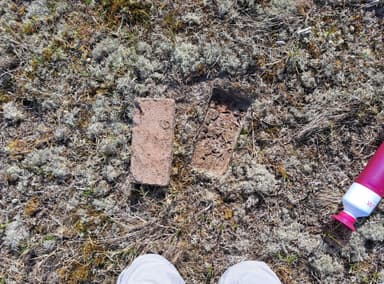
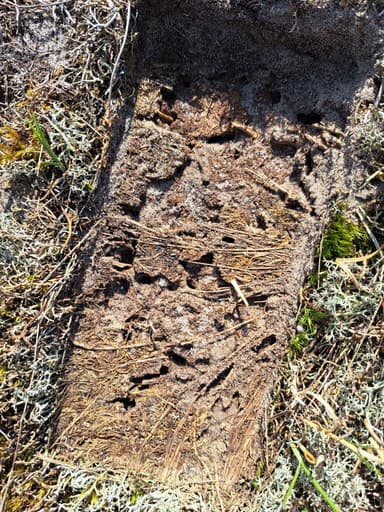
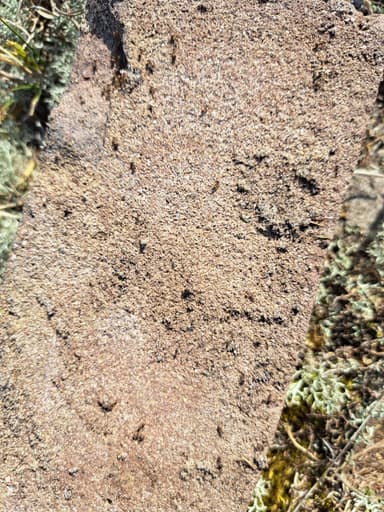
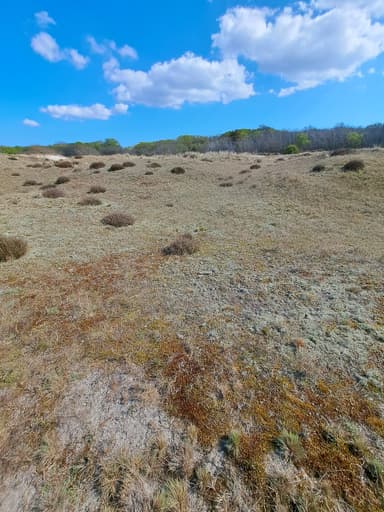
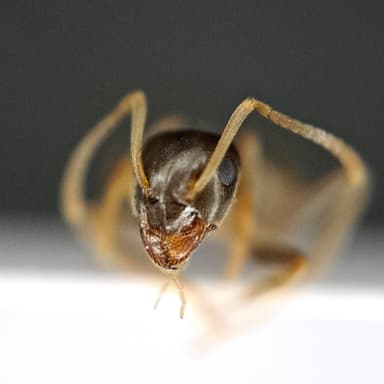
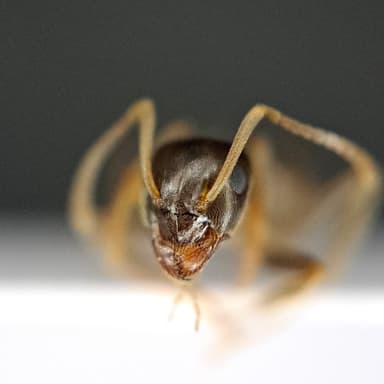
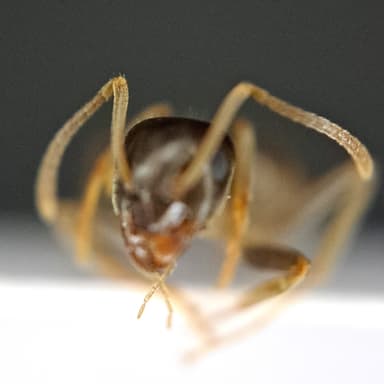
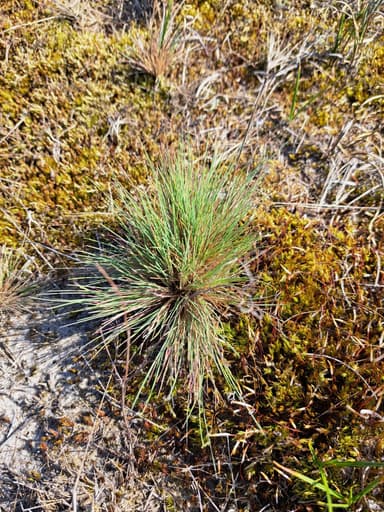
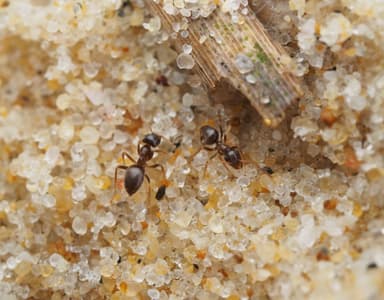
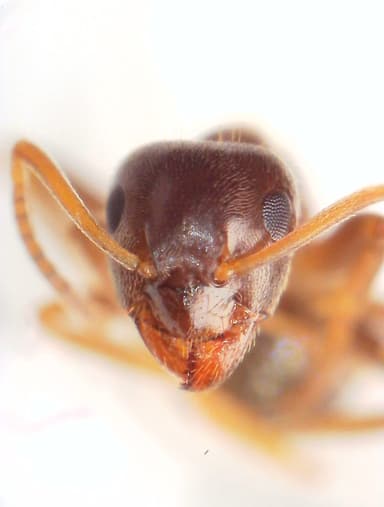
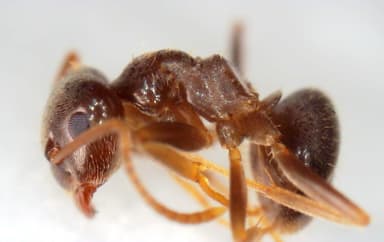
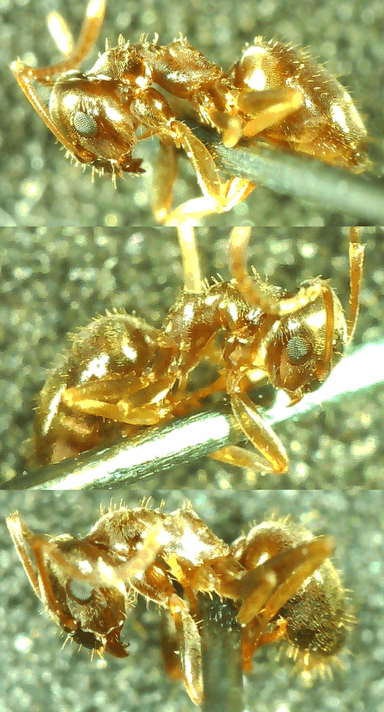
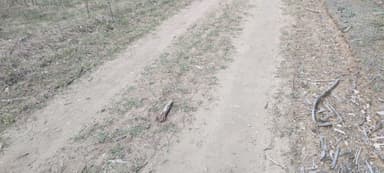
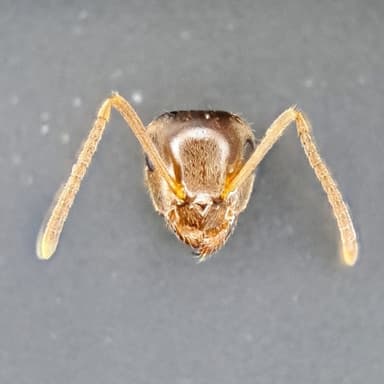
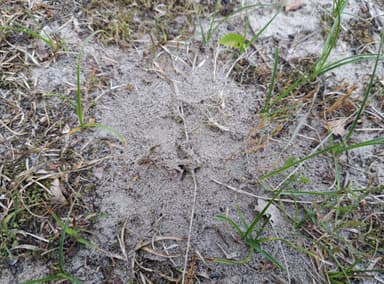
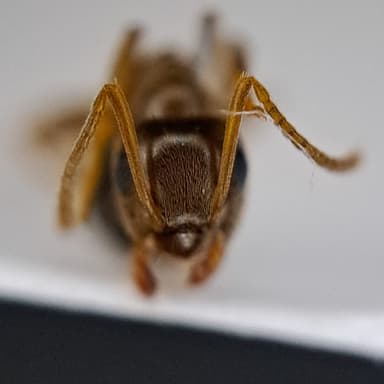
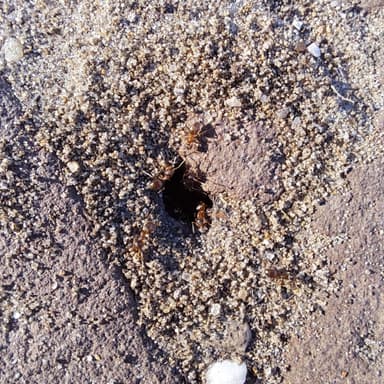
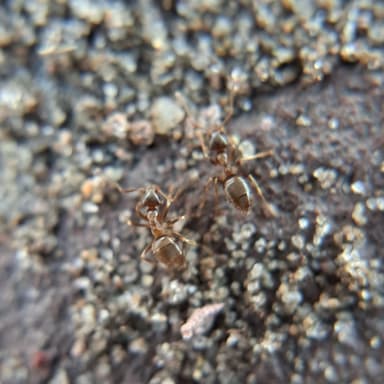
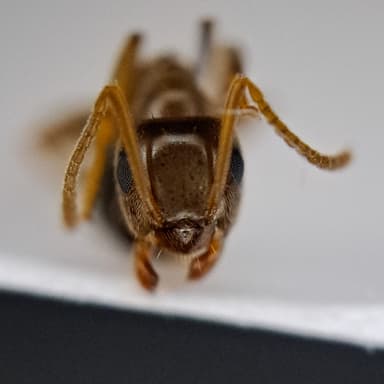
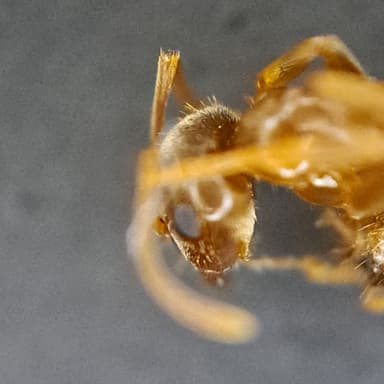
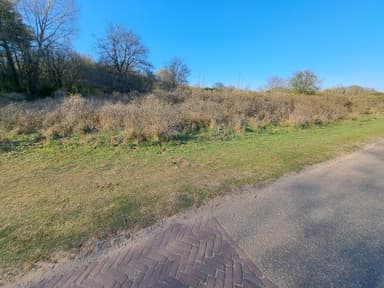
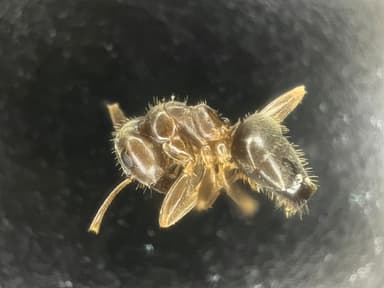
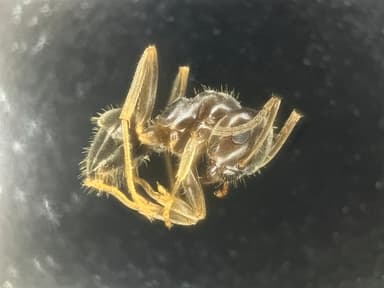
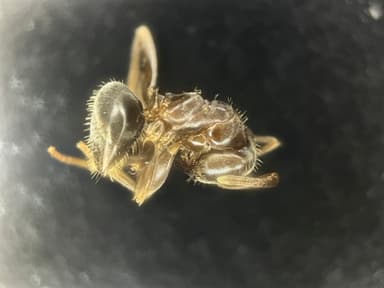
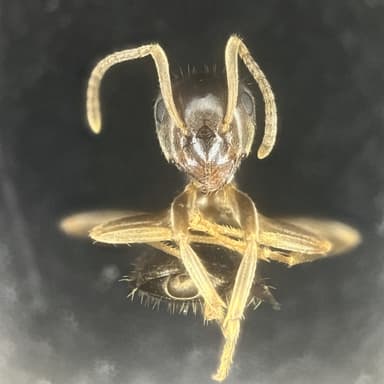
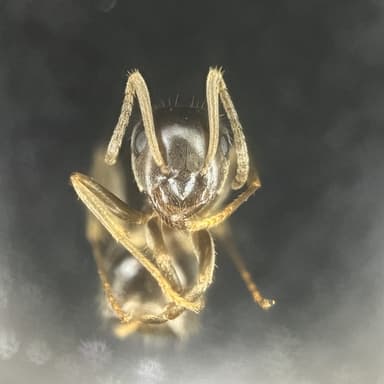
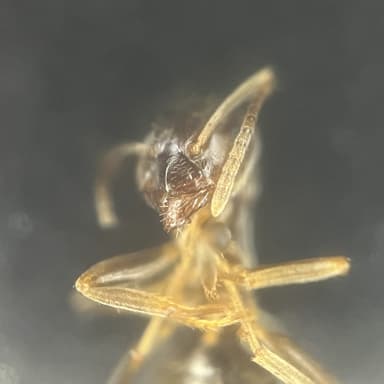
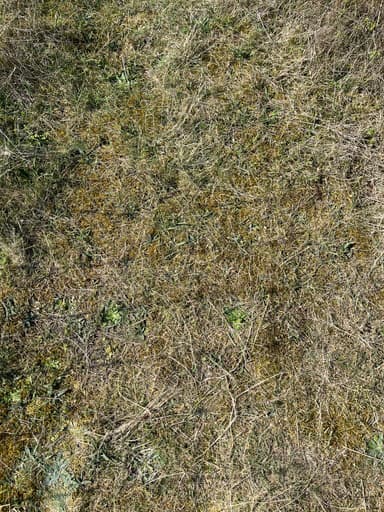
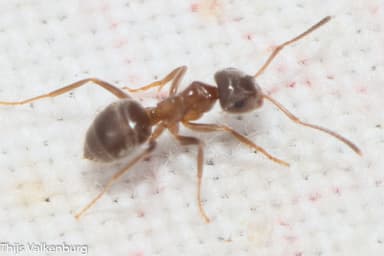
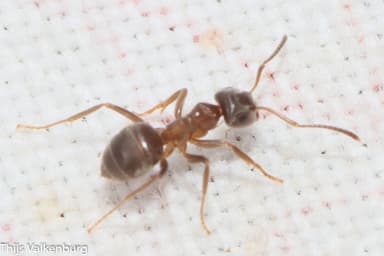
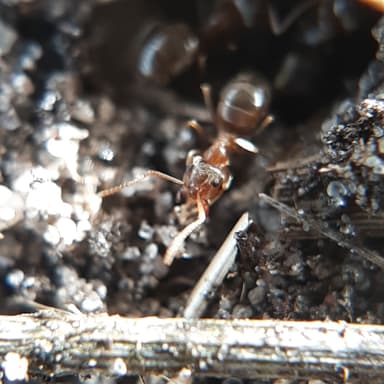
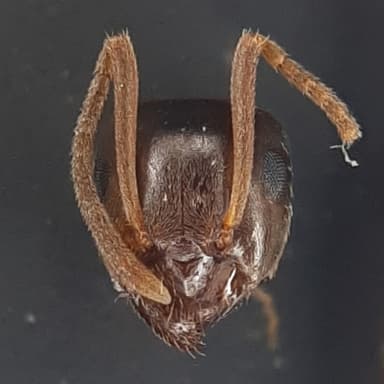
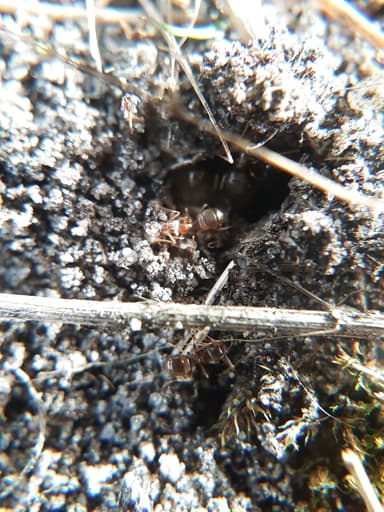
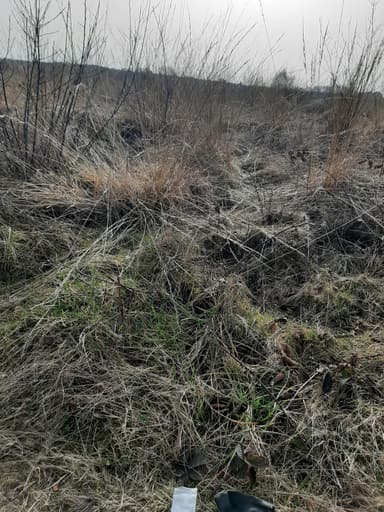
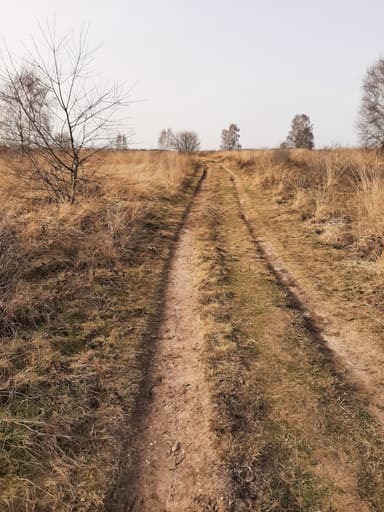
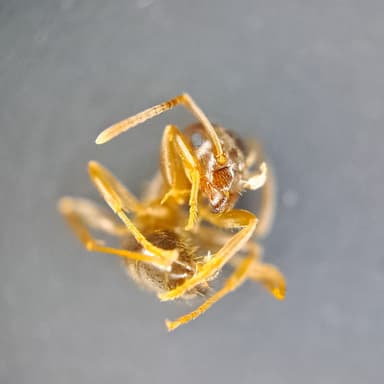
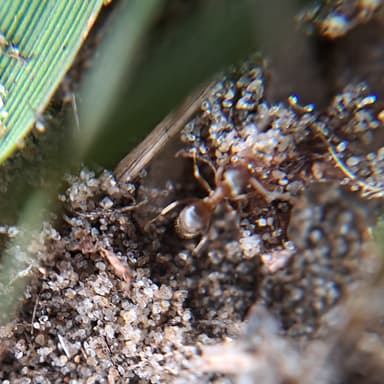
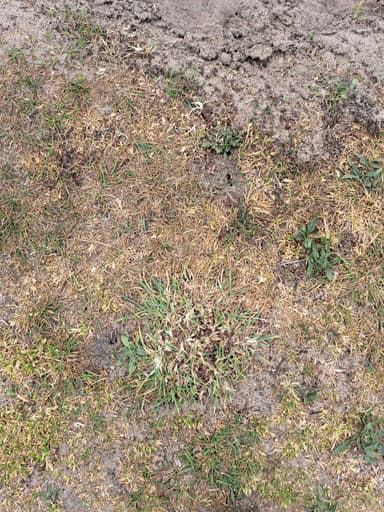
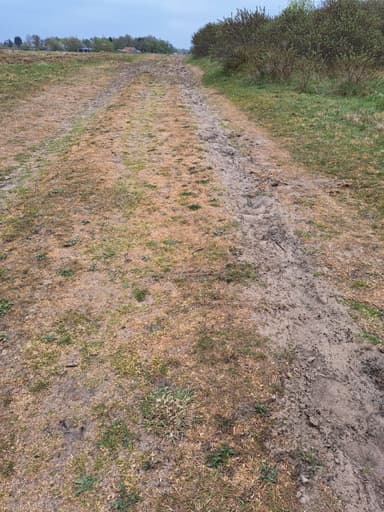
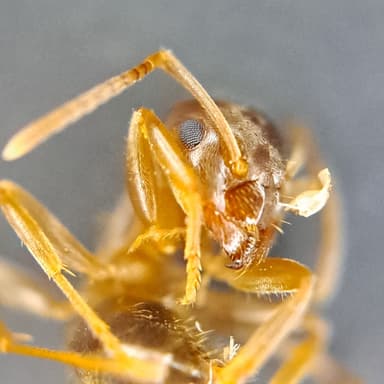
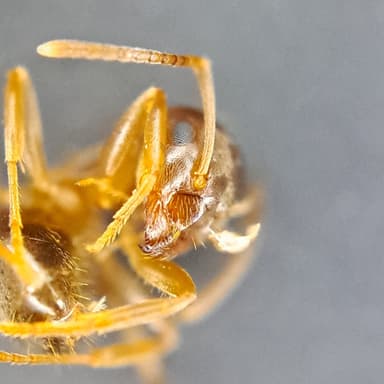
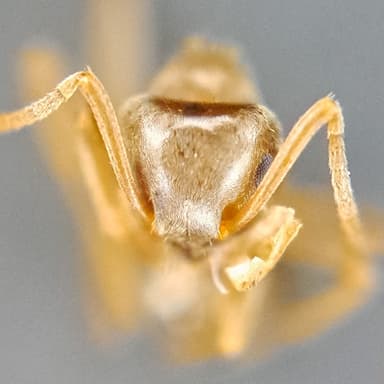
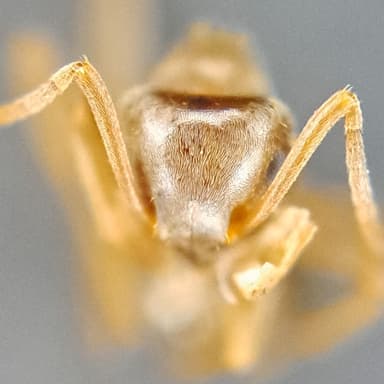
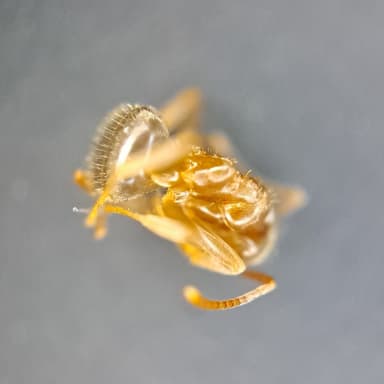
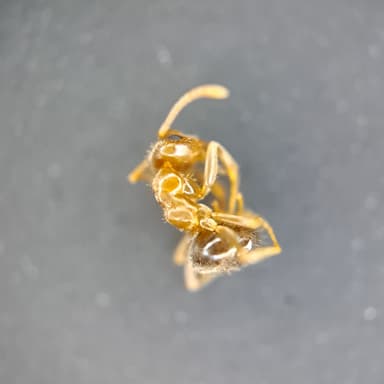
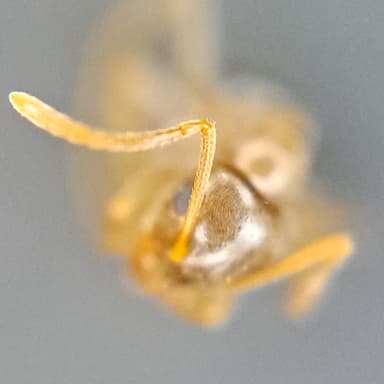
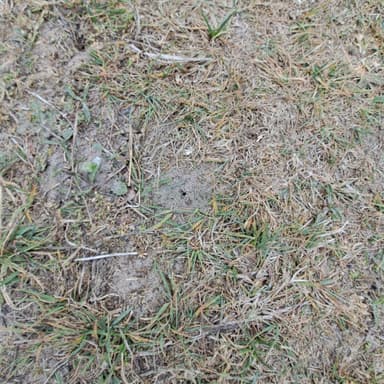
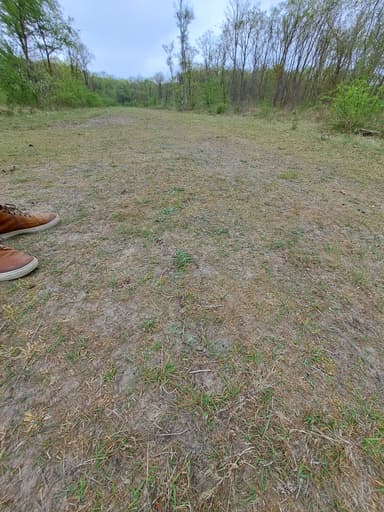
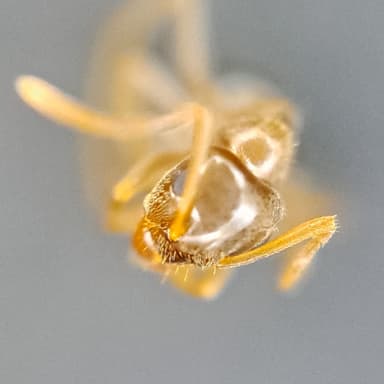
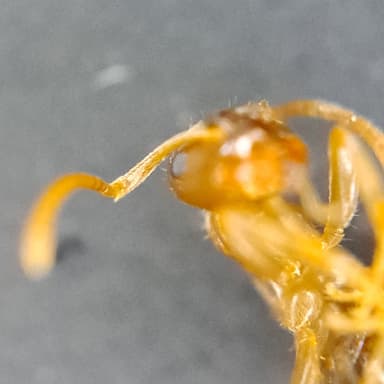
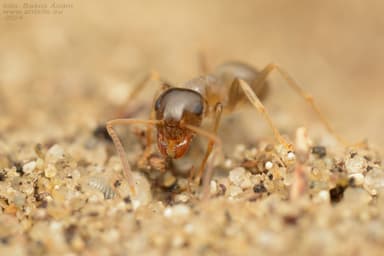
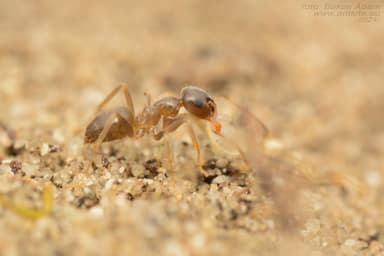
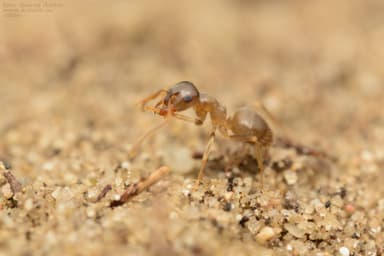
Lasius psammophilus is a charming, sand-loving ant from the widespread Lasius s. str. group whose unassuming appearance belies its remarkable vigor. Often known to enthusiasts as the dune Lasius, it was historically grouped with other small, dark species before Bernd Seifert’s meticulous taxonomic revision teased it apart (Seifert 1992). Workers are entirely monomorphic, measuring just 2.5 to 4.5 mm, and sport a sleek brown to blackish-brown cuticle with a subtle silky sheen under good light. Queens are noticeably more robust at 6.5 to 8.5 mm, their deeper brown thorax hinting at the claustral reserves that will fuel the founding stage. In nature these ants build populous colonies of up to 20,000 individuals, often nestled under stones in open sandy heaths and coastal dunes across a vast European range stretching from Iberia to southern Scandinavia. What makes Lasius psammophilus especially attractive to keepers is its quick, bustling activity and the way a mature colony turns a formicarium into a living mosaic of tiny foragers. Their nuptial flights, occurring on warm humid afternoons in August and September, signal the end of high summer, and a freshly captured queen can become the start of years of enjoyment.
This species is a perfect entry point for the beginner, yet it rarely disappoints even long-time myrmecologists. Its care is rated as easy: the ants are robust, relatively forgiving of minor environmental fluctuations, and lack the complex caste systems that demand meticulous nutritional balancing. The colony’s hardiness and rapid growth from a single queen to many thousands of workers offer a satisfying learning curve without the anxiety that more demanding species can induce. A novice can master all foundational ant-keeping skills—diet, hydration, hibernation management—while being rewarded with a dynamic, highly visible colony. That said, experienced keepers also appreciate L. psammophilus for its lively temperament and the opportunity to create elaborate naturalistic dry-landscape setups. Because workers are small, attention to barrier security is important, but overall this ant is an undemanding and deeply pleasing housemate.
Housing should reflect the thermophilic, xerothermic affinities of Lasius psammophilus, as noted by Seifert (2018) in his overview of Central European ants. Temperature is central to wellbeing: maintain the nest area between 20 and 28°C, ideally using a gentle heat mat or cable applied to one side to create a thermal gradient that lets the colony self-regulate. Humidity requirements are modest—40–60% is quite sufficient—so avoid the overly damp setups that suit woodland Lasius species. A nest made of Ytong aerated concrete, gypsum, or a sand-clay mixture works beautifully; many keepers offer a foraging arena filled with a few centimetres of dry sand, which the ants will eagerly excavate and landscape. If you opt for a naturalistic vivarium, incorporate plenty of sandy substrate and flat rocks where the colony can nest and sun-warmed brood. The outworld should include a drinking station, such as a tiny water feeder or a piece of cotton wicking from a reservoir, because while they appreciate moderate humidity in the nest, free-standing water for drinking is essential. Avoid overly deep, moist nests that risk mold; a well-ventilated, airy setup mimics their native open habitat.
Diet is uncomplicated. As with other Lasius, this species thrives on a balance of protein and sugars. In the wild, workers tend aphids and scale insects for honeydew, a trait that makes them particularly enthusiastic about liquid carbohydrates in captivity. Offer a small dab of organic honey, maple syrup, or sugar-water mix on a piece of foil or in a liquid feeder; they will consume it with noticeable zeal. For protein, provide freshly killed insects, such as fruit flies, pinhead crickets, or chopped mealworms. During the brood-rearing months, a steady supply of protein ensures healthy larval development, while sugars power the adult workforce. After the founding stage, feeding can be adjusted to the colony’s size: start with a single fruit fly per day for a few dozen workers, and scale up as the population explodes. Always remove uneaten prey within a day or two to prevent mold. A clean, constant water source completes their needs.
Hibernation is a non-negotiable part of the yearly cycle for Lasius psammophilus, a deep dormancy encoded in the species’ temperate biology. In their natural range, temperatures plummet during winter, and captive colonies must replicate this rhythm to trigger the physiological reset that restores queen fecundity and worker longevity. Prepare to hibernate at a steady 5°C for three to four months, typically from November to early March. Reduce temperatures gradually over a couple of weeks, and ensure the nest retains moderate moisture so the ants do not desiccate. A dedicated fridge, cool cellar, or insulated cool box works well; check periodically for condensation and mold. When spring arrives, warm them gradually, and you will see the queen resume laying and workers dash out to forage. Skipping hibernation often leads to a lethargic, dwindling colony that loses its queen prematurely.
When you first bring a Lasius psammophilus queen or small founding colony home, patience is your best tool. A freshly mated queen collected during the late summer flights should be housed in a standard test tube setup with a water reservoir, sealed with cotton, and placed in a dark, vibration-free spot at around 25°C. She needs no food at all—like all fully claustral founders, her body metabolizes wing muscles and fat reserves to rear the first nanitic workers. Check on her only occasionally, perhaps once every two weeks, to avoid stress. If you have acquired a small colony with a handful of workers, transfer them gently into a small, escape-proof nest. For the initial feeding after workers have dug in, offer a minuscule droplet of sugar water and a single pre-killed fruit fly; their reactions will tell you if they are ready. Watch for normal behaviors: steady foraging, trophallaxis, and the queen resting calmly in the brood chamber. In the following days, gradually increase offerings as demand rises, and you will witness the colony’s momentum build into the bustling miniature society that makes this sand-dwelling Lasius such a delight.