Formica
Formica ulkei
Nuptial Flight Calendar
Flight months: Jul, Aug, Sep
Care Guide
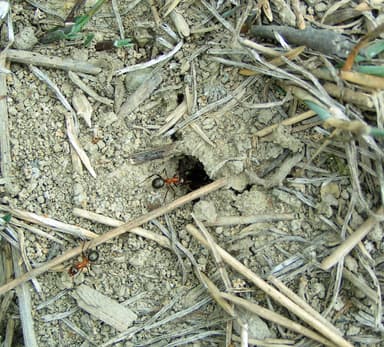
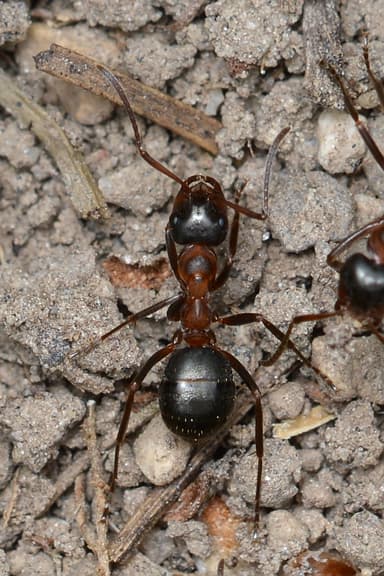
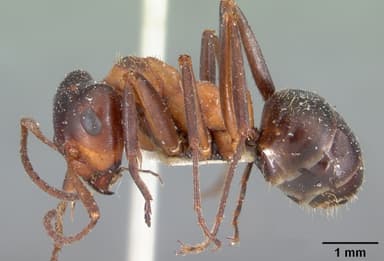
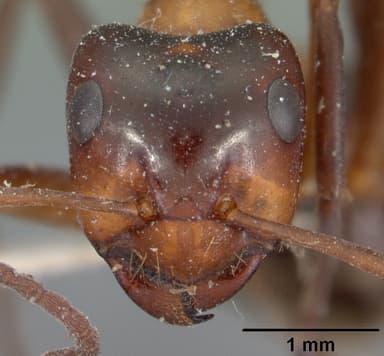
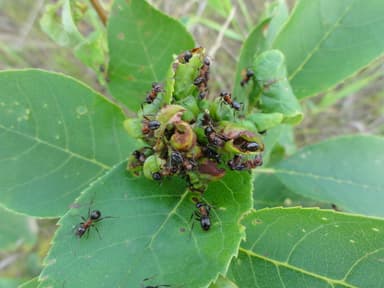
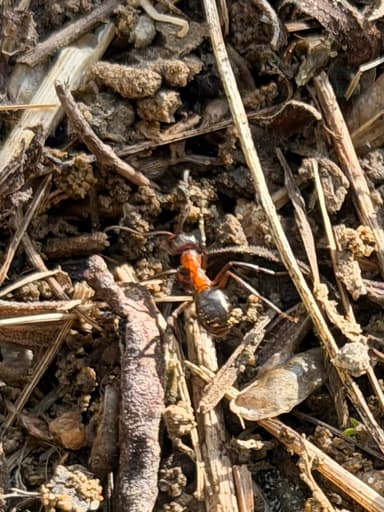
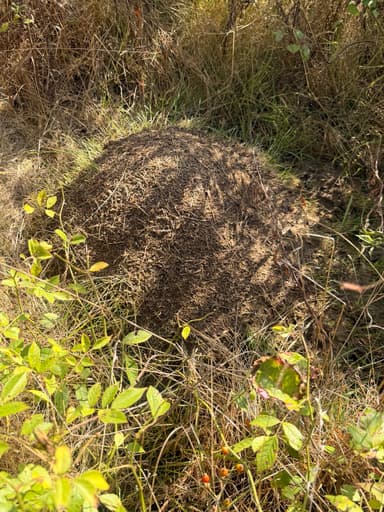
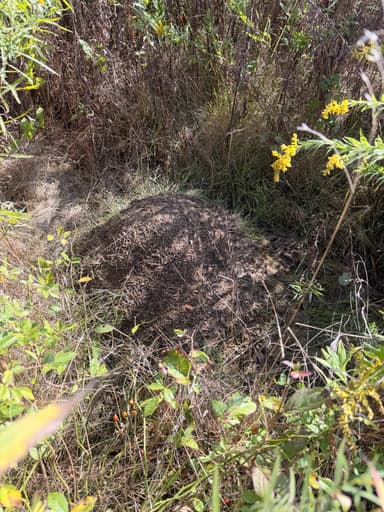
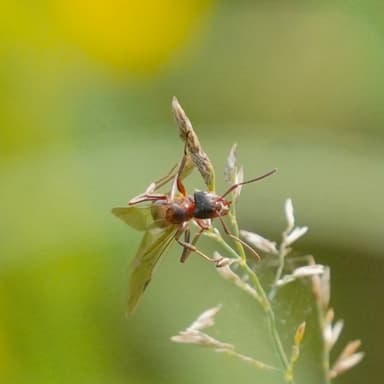
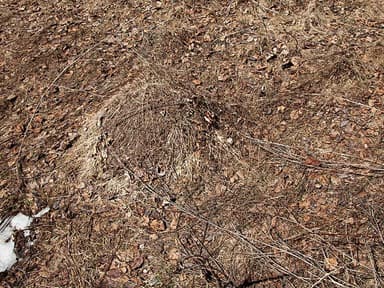
Formica ulkei is a robust and visually striking ant that belongs to the mound-building Formica rufa group, although it is currently placed within a broader revision of the exsectoides complex (Trager 2007). Queens typically range from 8 to 10 mm, while the monomorphic minor workers show a size gradient from 4.5 to 7 mm, all clad in a deep blackish-brown cuticle with subtle reddish highlights on the thorax. In the wild, mature colonies can swell to an impressive 50,000 individuals, constructing large thatch mounds from soil, grass, and pine needles across the Great Plains and Midwest region, from roughly Montana to Ohio and the Dakotas down to Missouri (GBIF occurrence data). What truly sets this species apart is its fascinating yet demanding mode of reproduction: it is a temporary social parasite. Newly mated queens cannot start a colony alone; instead, they infiltrate an existing nest of a different Formica species, usually from the fusca group, kill the host queen or crowd her out, and then use the host workers to rear her own brood until the colony eventually becomes pure ulkei. This aggressive yet delicate founding strategy, combined with their large colony size and potent formic acid defenses, makes them a captivating but exceptionally challenging species to maintain.
Given its specialized life history and substantial colony requirements, Formica ulkei is firmly an expert-level species. It is only suitable for keepers who have extensive experience with temperate Formica and a thorough understanding of social parasitism. The founding process alone is a high-stakes endeavor that often fails without perfectly timed host worker introductions, and even established colonies demand a great deal of space, consistent monitoring, and an annual hibernation. This ant is not a good fit for beginners or those with limited space, as a large colony will rapidly outgrow small setups and can deliver painful, formic-acid-laced bites. However, for the dedicated specialist, successfully keeping a thriving F. ulkei colony is one of the most rewarding achievements in the hobby, offering an intimate view of complex behaviors like cooperative mound construction, aphid tending, and thermoregulation within the nest.
Housing must mimic the cool, humid soil environment of their natural mounds. A spacious and well-ventilated formicarium is non-negotiable to prevent formic acid buildup, which can be fatal in enclosed setups. The ideal nest offers a deep, slightly moist substrate where workers can excavate, with a temperature gradient ranging from 18 to 28°C, while maintaining a stable relative humidity between 50 and 70 percent. Naturalistic vivaria using a mix of unfertilized peat, sand, and coconut fiber provide the best tactile medium for mound construction, though large acrylic or ytong nests connected to a generous foraging arena can also work if regularly misted. Because these ants actively build thatch, supply them with materials like dried grass clippings, small twigs, and shredded cellulose. The foraging arena should be escape-proof and large enough to accommodate their far-ranging hunting activity; a perimeter of PTFE or a liquid barrier is essential, as these ants are strong climbers and will fiercely defend their territory.
Feeding an active F. ulkei colony requires a steady supply of protein-rich insects and a separate carbohydrate source. Worker ants are aggressive predators that readily accept crickets, mealworms, roaches, and fruit flies, which should be offered live or freshly killed several times a week, especially during brood-rearing peaks. For carbohydrates, provide a dilute sugar-water solution, honey, or artificial nectar in a small feeding dish; in nature they avidly tend aphids, so a honeydew substitute is highly beneficial. Always keep a clean, accessible water source in the arena, either via a test tube setup or a plaster-filled water dish. Be mindful to remove uneaten food to prevent mold, which can quickly overrun the humid environment.
A strict annual hibernation is mandatory for the long-term health of the colony. From late fall, gradually reduce temperatures over several weeks until the nest stabilizes at around 5°C (a wine cooler or a refrigerator with a thermostat works well) and keep them there for a minimum of four to five months. During this period, activity ceases almost completely; do not feed, but ensure the nest medium remains just barely moist to prevent desiccation. Bringing the colony out of dormancy in early spring should be done slowly, ramping up temperatures by a couple of degrees each day. Skipping hibernation or attempting to overwinter them at room temperature invariably leads to a slow decline, with reduced brood production and eventual colony collapse.
When you first receive your Formica ulkei colony, patience is paramount. The ants will be stressed from shipping, so place the sealed formicarium in a quiet, dimly lit room at around 20°C and resist the urge to disturb them for the first few hours. Once they have settled, offer a few drops of sugar water on a small piece of aluminum foil directly in the foraging area; this provides immediate energy without overwhelming them. Wait a full day before introducing a single, small pre-killed insect, and watch for acceptance. Over the first week, closely monitor humidity levels to ensure the nest does not dry out, and look for normal behaviors such as foraging, antenna-laden social grooming, and the first signs of thatch gathering. Do not attempt to move them into a larger setup until you see consistent brood production and a steady stream of workers venturing out, which indicates the colony has acclimated. Any sign of workers carrying dead nestmates to a refuse pile or huddled lethargically near the heat source suggests stress, so adjust temperature and humidity accordingly and minimize intrusions.