Formica
Formica lugubris
Nuptial Flight Calendar
Flight months: May, Jun, Jul, Aug
Care Guide
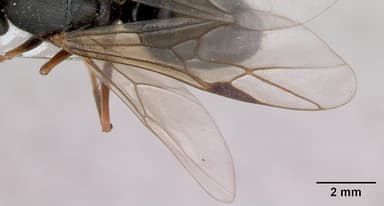
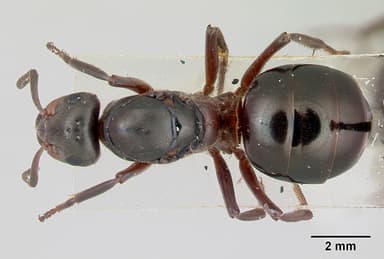
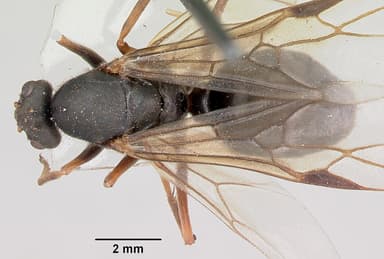
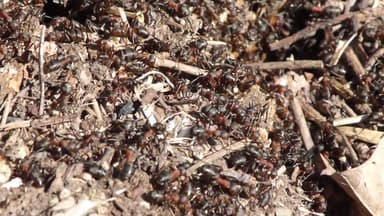
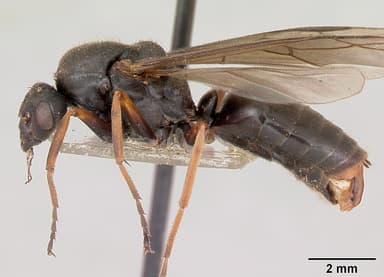
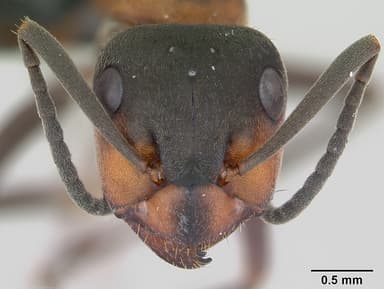
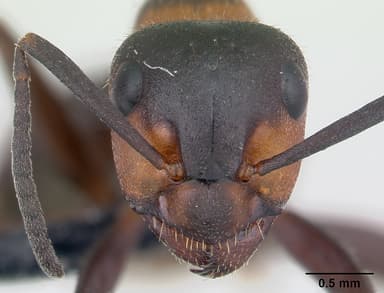
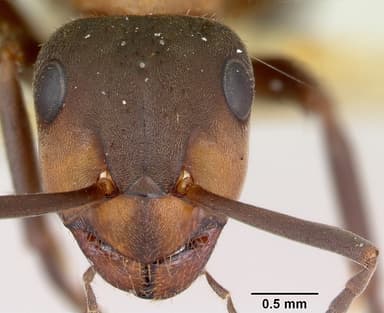
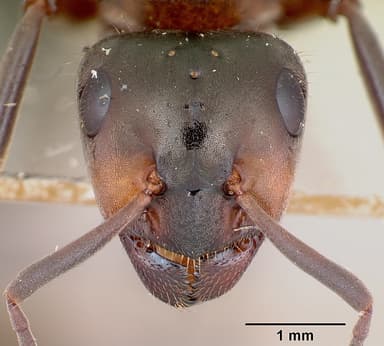
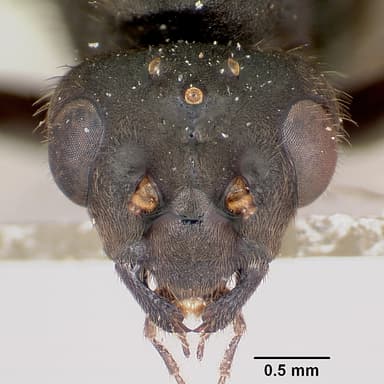
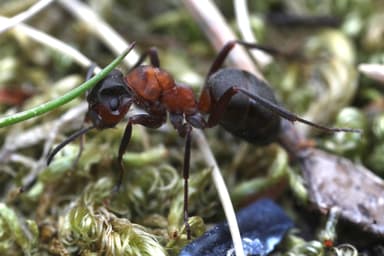
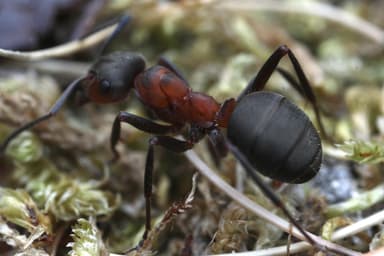
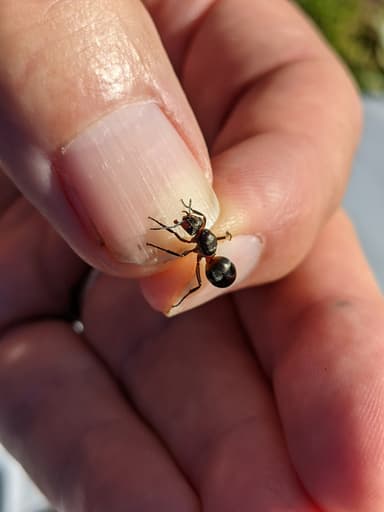
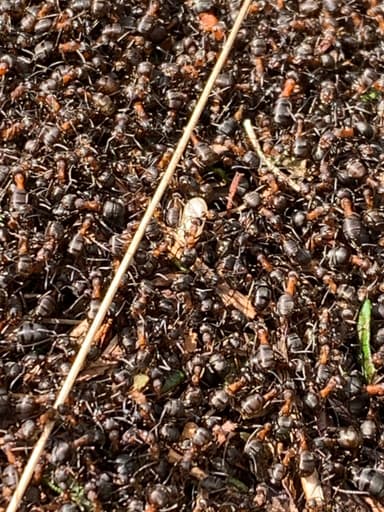
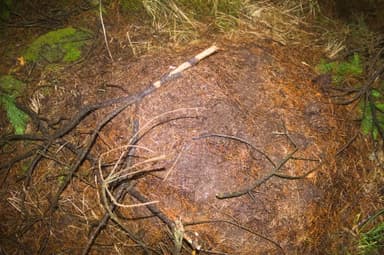
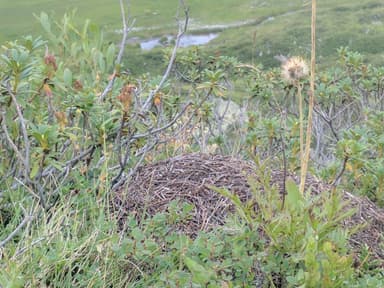
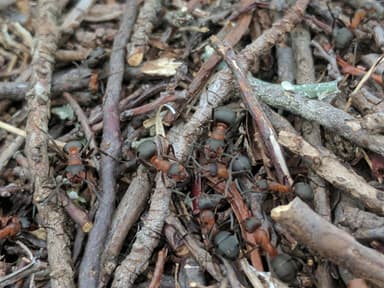
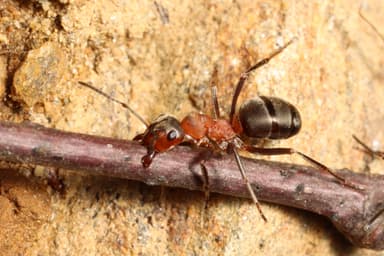
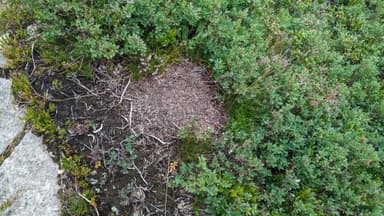
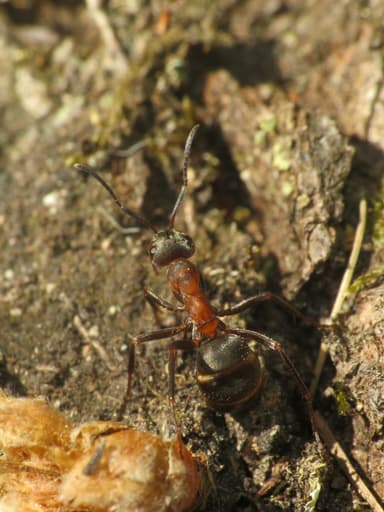
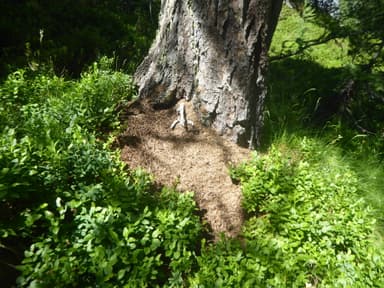
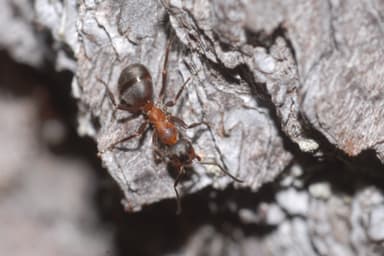
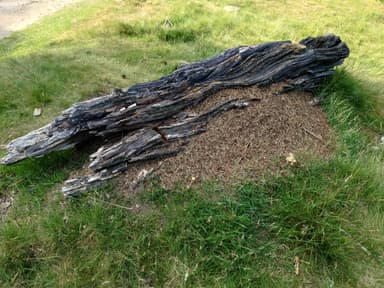
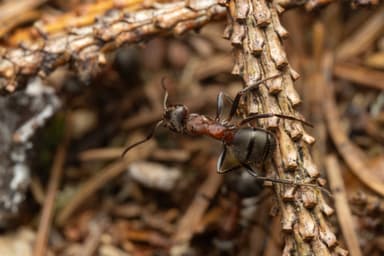
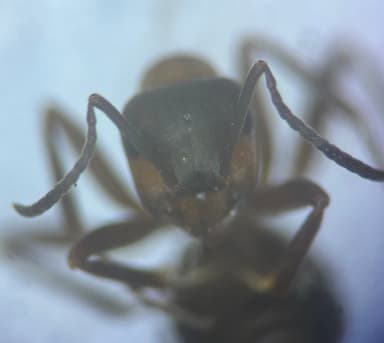
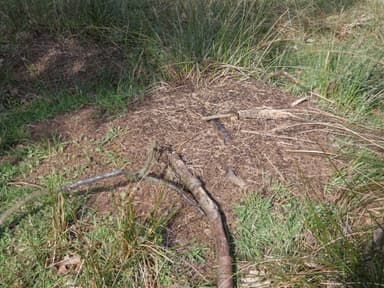
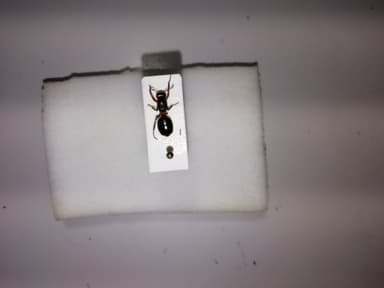
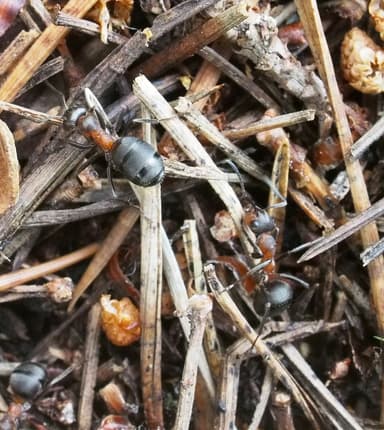
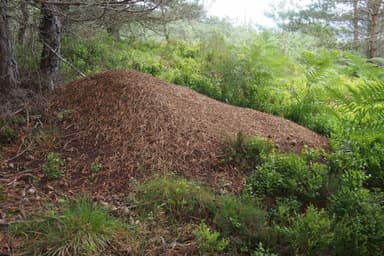
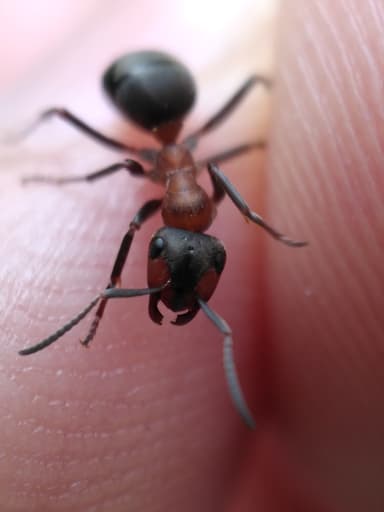
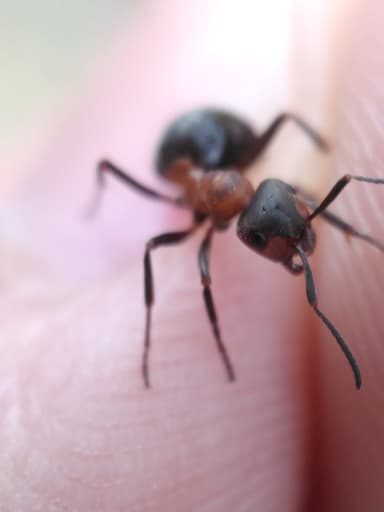
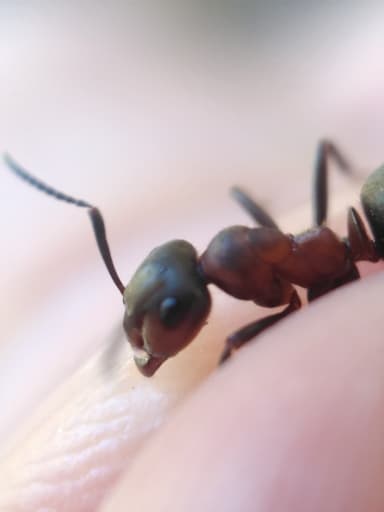
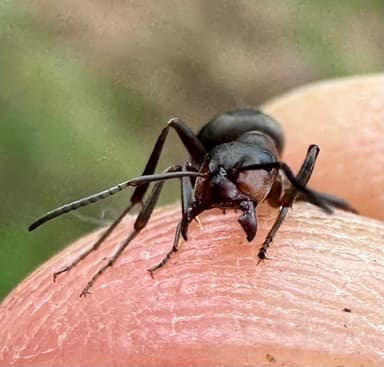
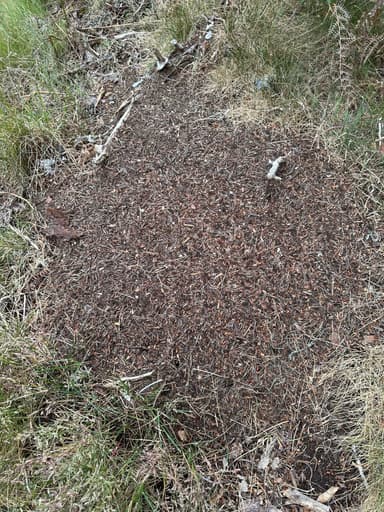
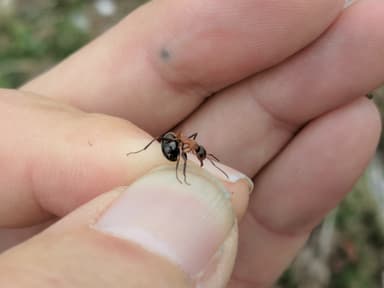
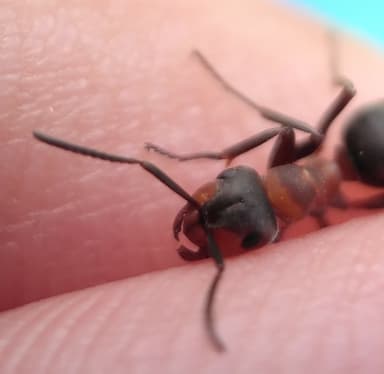
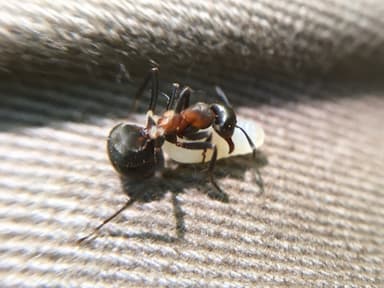
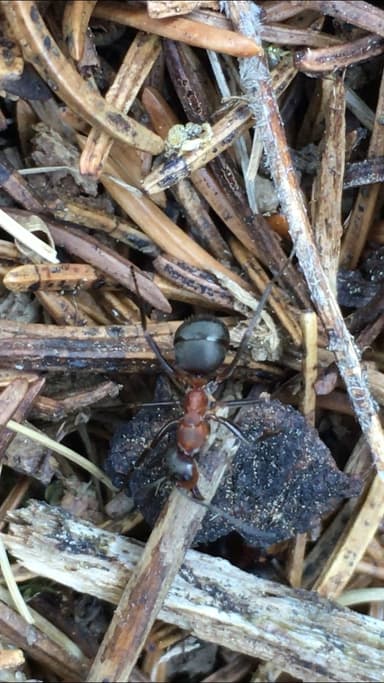
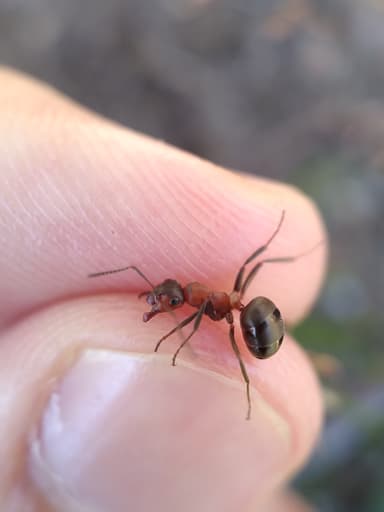
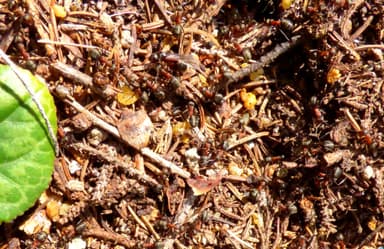
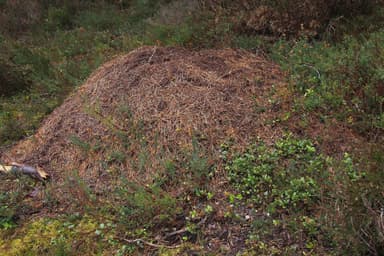
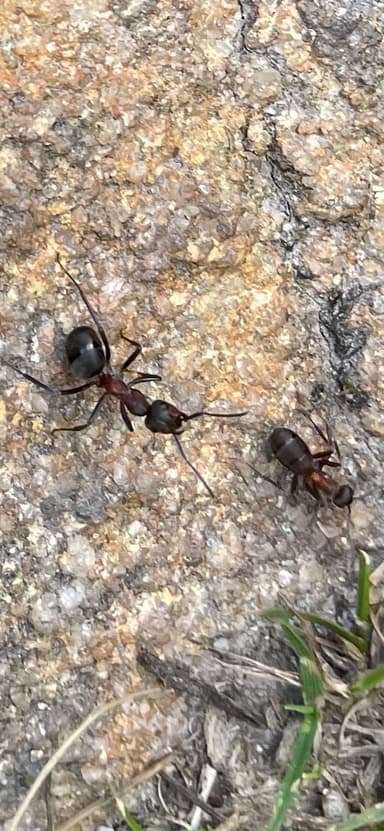
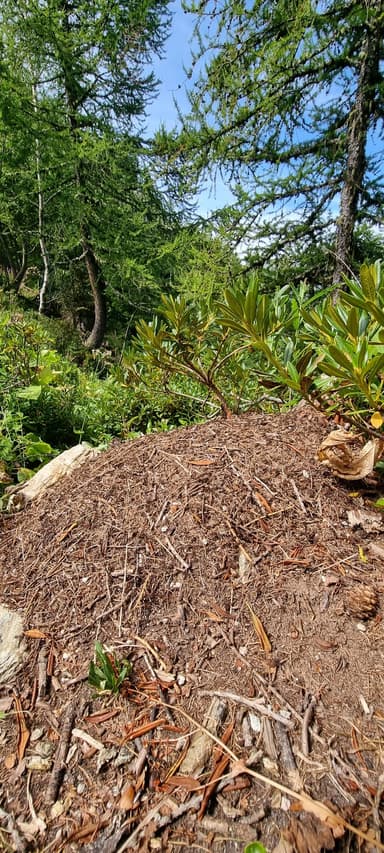
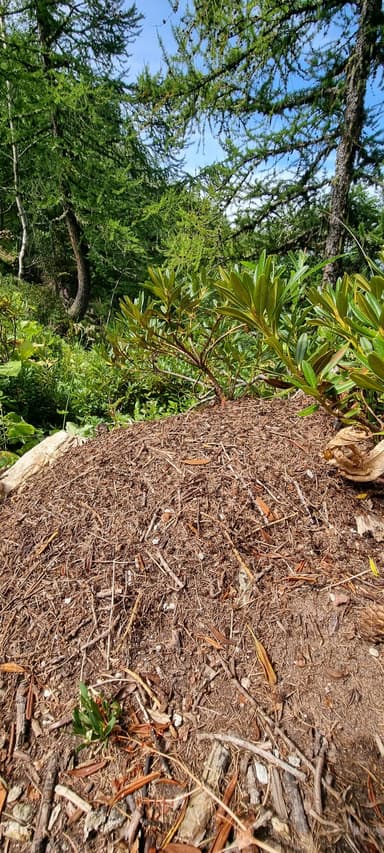
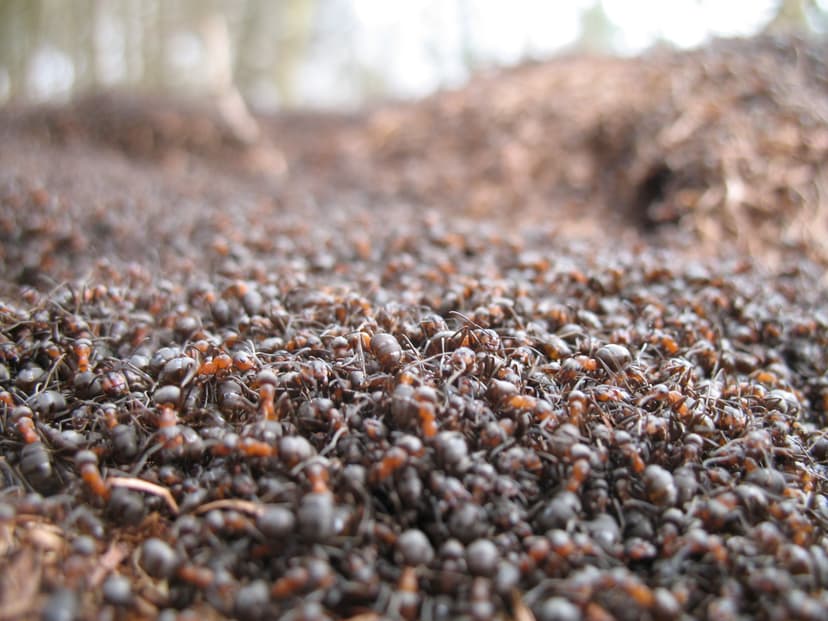
Formica lugubris, often called the hairy wood ant, is a true titan of the temperate Holarctic, ranging from the alpine meadows of the Pyrenees and Alps north into the boreal forests of Scandinavia and east across Russia to the shores of the Pacific (Seifert 2018). Queens are robust, measuring 9 to 11.5 millimetres, while the worker caste displays marked polymorphism with minors as small as 4.5 millimetres and large, formidable majors reaching 9 millimetres, all clad in a distinctive coat of erect hairs that gives the species its lugubris (mournful) epithet. In the wild a single mature colony can swell to an astonishing one million individuals, building thatched mound nests over a metre tall that serve as hubs for vast foraging trails stretching hundreds of metres into the canopy. Beyond sheer scale, what makes this ant so captivating to the advanced keeper is its complex social parasitic founding: newly mated queens cannot start a colony alone but must infiltrate an established nest of a related Formica species, typically within the fusca group, eliminate the resident queen, and gradually usurp the workforce (Stockan & Robinson 2016). This high-stakes reproductive strategy, combined with the colony’s ecological role as an apex predator of forest insects, offers a window into some of the most dramatic evolutionary dynamics in the ant world.
Make no mistake, Formica lugubris is a species reserved exclusively for expert keepers. The challenges begin at the very beginning: without an intimate understanding of temporary social parasitism and access to a compatible host colony with brood and freshly emerged workers, founding is nearly impossible for the uninitiated. Even once established, the colony’s explosive growth rate demands a continuously expanding housing system and an unwavering feeding regime; a colony of several hundred thousand workers can consume prodigious quantities of insect protein each day. Furthermore, these ants produce copious formic acid when alarmed, which in a confined indoor space can reach irritating concentrations and damage some plastics and adhesives. Anyone considering this species must be fully prepared for a decades-long commitment to a large, fast-moving, and chemically armed society that leaves little room for error in husbandry. For the dedicated specialist with ample space and experience managing large formicaria, however, F. lugubris offers an unparalleled spectacle of mass coordination and ecological mimicry.
Housing a wood ant colony of this potential magnitude requires a generous, well-ventilated setup that can accommodate their need to build. A large glass tank or custom acrylic formicarium with a deep foraging arena is ideal; the ants will instinctively gather soil particles, sand, and organic debris to construct their own internal nest structures if given the materials. Naturalistic setups with a substrate mixture of coco coir, sand, and clay work beautifully, allowing them to sculpt chambers and regulate microclimates. Temperature should be maintained between 18 and 26°C, with a distinct thermal gradient so the ants can move freely to select their preferred conditions; a basking spot at the warmer end during active months stimulates brood development. Humidity within the nest should remain stable at 50 to 70 percent, which can be achieved by a combination of partial substrate hydration and a micro-irrigation system in larger installations. Crucially, the outworld must be expansive enough to support their extensive foraging trails, and all seams must be absolutely escape-proof, as these determined climbers will exploit even the tiniest gap. A pair of well-fitted fine-mesh ventilation panels is essential to prevent condensation and ensure fresh air exchange without risking mass breakouts.
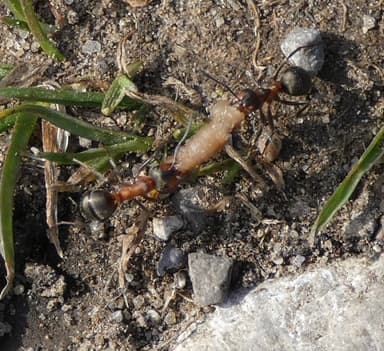
Dietary demands shift seasonally but are dominated by a relentless hunger for protein during the larval growth phase. Offer a varied menu of freshly killed crickets, mealworms, roaches, and occasionally other soft-bodied arthropods, chopped to appropriate sizes. Major workers can tackle surprisingly large prey, but be mindful to remove uneaten remains promptly to prevent mould. Carbohydrate intake is equally critical: provide diluted honey, maple syrup, or a high-quality ant nectar on a feeding platform that workers can easily access without drowning. As a species that tends aphids in the wild, they will avidly lap up sugar-rich liquids, which fuel the adult workforce. Fresh water must be available at all times via a test-tube waterer or shallow dish filled with cotton, especially in the dry indoor air of centrally heated homes. During the peak of the colony cycle, when larvae are present in huge numbers, daily feeding may be necessary; a mature colony can easily consume several large insects and millilitres of sugar water per day.
Like all ants from boreal and montane latitudes, Formica lugubris requires a true hibernation. Without a cold rest period at a stable temperature around 5°C, the colony will gradually dwindle, with queens ceasing egg-laying and workers dying prematurely. The hibernation should last for a minimum of three to four months, typically from November through February, and can be executed by gradually lowering the temperature over several weeks until the nest reaches its winter range. A dedicated refrigerator, a cold cellar, or a temperature-controlled cabinet works well, provided the nest medium is kept slightly moist and the ants are not disturbed by fluctuating temperatures or light. Never attempt to skip or shorten this dormancy; it is an absolute non-negotiable requirement for colony health and longevity.
When you first receive your founding colony — likely a mated queen already established with a handful of host workers or a small queenright fragment — settle them into a modest temporary nest such as a well-ventilated test tube setup or a small founding chamber connected to a tiny outworld. Offer a drop of dilute honey on a piece of foil within a few hours of arrival; this allows the stressed ants to rehydrate and refuel without immediate pressure to forage. Do not introduce live prey for the first 24 to 48 hours, as a panicked queen may be injured by even small insects. Slowly raise the temperature to around 20°C over a day or two, and watch closely for signs of acceptance and grooming among the workers and queen — a smooth, synchronized movement that indicates the social unit is stabilising. Provided the queen begins laying and the first larvae appear within a week or two, you can cautiously begin offering tiny pre-killed fruit flies and gradually scale up the housing and diet as the colony expands. Patience and meticulous observation in these opening days will set the trajectory for a thriving Formica lugubris empire.