Dolichoderus
Dolichoderus attelaboides
Nuptial Flight Calendar
Flight months: Jan, Feb, Oct, Nov, Dec
Care Guide
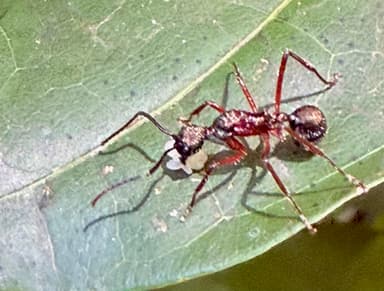
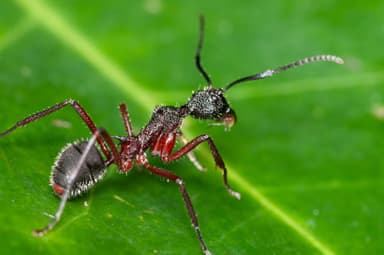
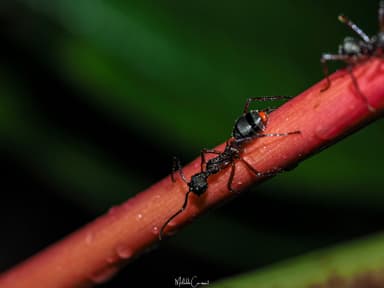
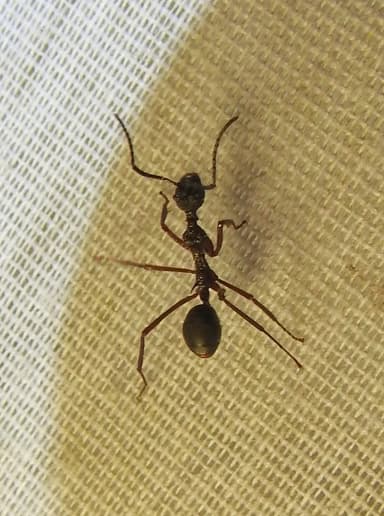
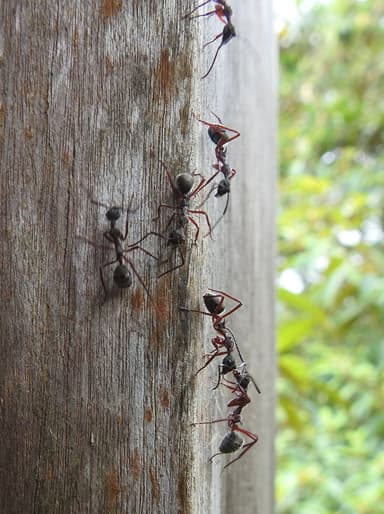
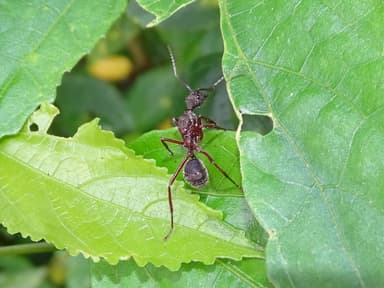
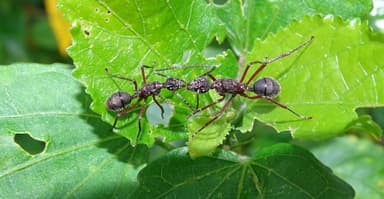
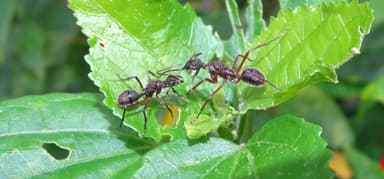
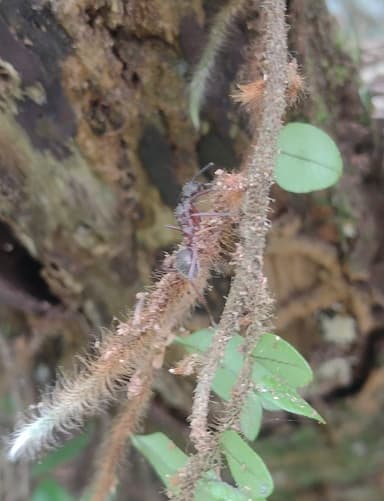
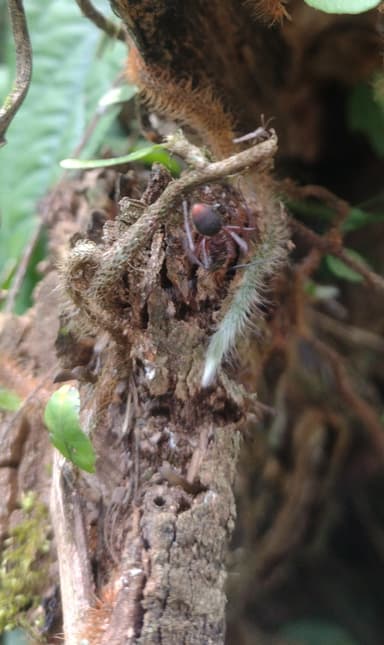
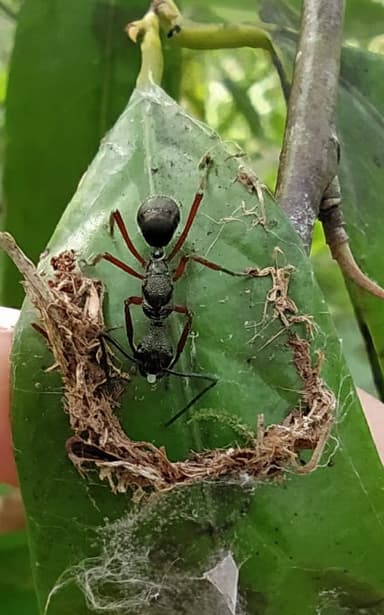
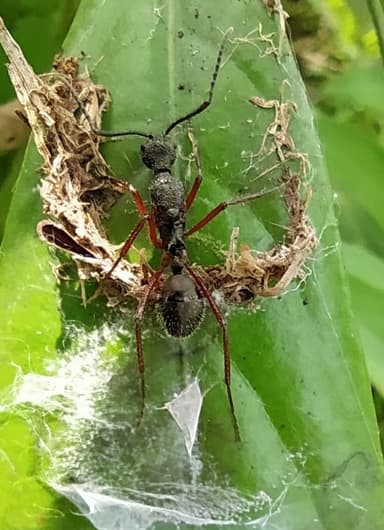
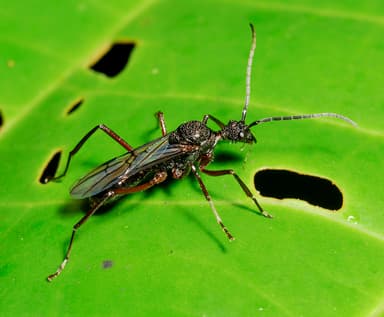
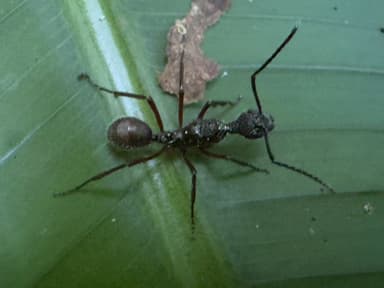
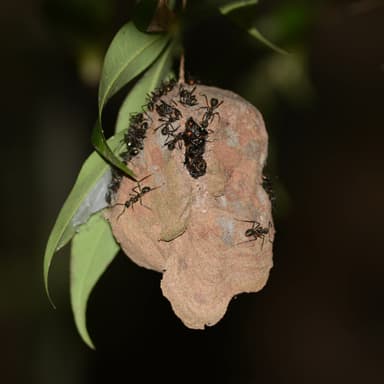
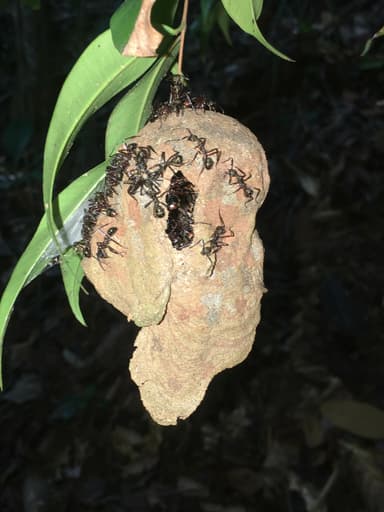
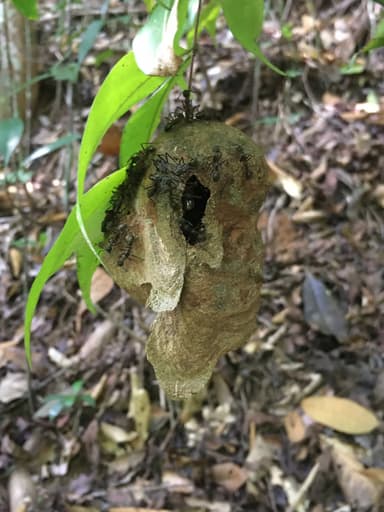
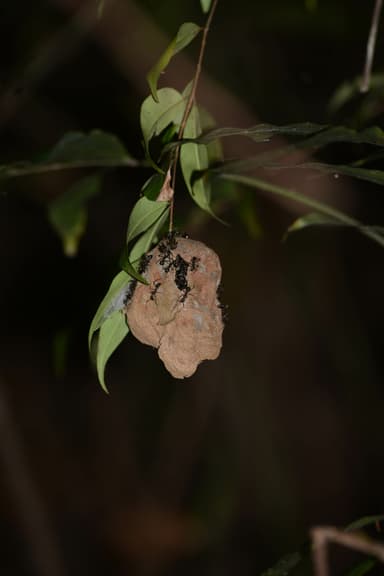
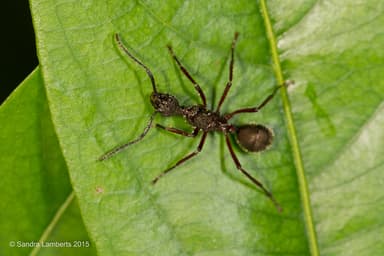
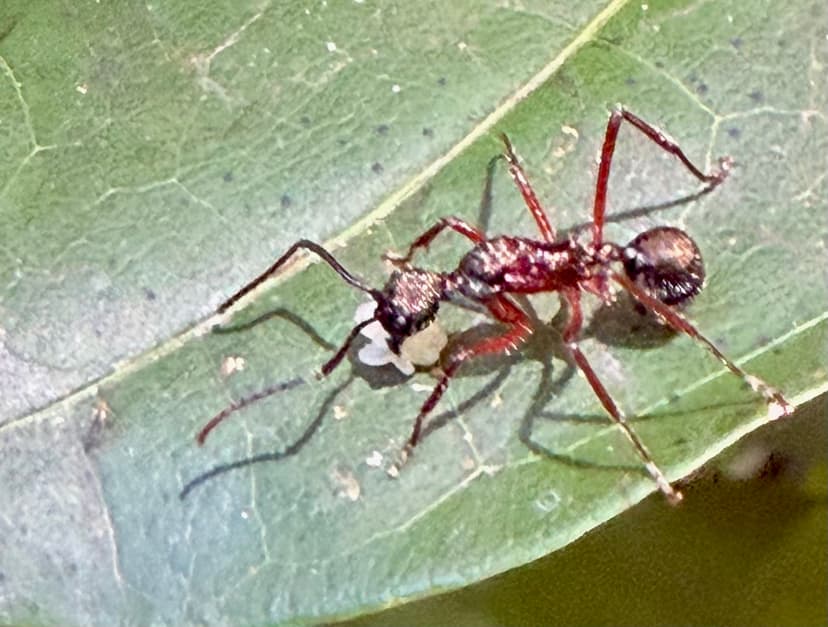
Dolichoderus attelaboides is a sleek, fast-moving ant of the Neotropical lowlands, ranging widely from the Amazon basin to the Atlantic forests of Brazil and parts of the Guiana Shield (Fernández & Sendoya 2004). Queens measure 10 to 13 millimeters, while their monomorphic workers span 7 to 9.5 millimeters, all clad in a polished black or dark brown exoskeleton that glints under good lighting. The genus name, meaning “long neck,” is apt: these ants have an elongated, gracefully arched mesosoma and a distinctively flattened petiole that gives them a streamlined, almost wasp-like gait. Colonies are modest in size, topping out around 5,000 individuals, and are founded claustrally by a single queen. What makes D. attelaboides especially captivating to observant keepers is their alert, confident foraging—workers pour out along trails with a nervous energy, constantly tasting the air with their antennae. Unlike some of their arboreal relatives, they do not weave nests with larval silk; instead, they occupy preformed cavities in trees or soil, often in close association with myrmecophytes or under loose bark (MacKay 1993). The result is a colony that feels perpetually alive and reactive, a diorama of Amazonian forest-floor dynamics scaled to a formicarium.
This is, by any measure, an expert-level ant. The “expert” difficulty rating owes to a combination of speed, escape artistry, and environmental sensitivity. Workers are capable of scaling smooth vertical surfaces with ease—a standard PTFE or fluon barrier is an absolute necessity, and even then, a vigilant eye is mandatory during feeding and maintenance. Their small size and rapid movements allow them to exploit minute gaps in lids or ventilation mesh. More than that, D. attelaboides demands a narrow range of temperature and humidity: the sweet spot lies between 22 and 28°C, with relative humidity held at 60 to 80 percent at all times. Fluctuations, especially sudden drops in humidity, can quickly trigger stress, brood die-off, or queen failure. These ants are suited to keepers who have successfully maintained other high-needs tropical species—such as leafcutter ants or large Camponotus—and who enjoy the challenge of replicating a rainforest microclimate. Novices will likely find the escape risk and precise climate control frustrating, while seasoned myrmecologists will relish the keen observation and hands-on micro-management the species invites.
Housing must prioritize vertical space, escapability, and stable humidity. In the wild, D. attelaboides nests in arboreal cavities, so a formicarium with a generous vertical or multi-chambered nest block is ideal; cork-lined setups, poured plaster nests with carved galleries, or high-sided naturalistic terraria all work well. The foraging arena should be separately enclosed, with a tight-fitting, fine-mesh lid. Substrate in the arena can be a mix of coconut coir, sand, and clay—materials that retain moisture without becoming waterlogged. A deep layer of 3–5 centimeters allows workers to excavate and assists in humidity regulation. Live plants such as small ferns or Philodendron species are not merely decorative; they aid in maintaining ambient humidity and offer natural cover, reducing colony stress. Maintain the temperature gradient with a heat cable or mat applied to one side of the nest, never over the entire floor, so the ants can thermoregulate. Monitor humidity with a digital probe; if readings fall below 60 percent, mist the arena or use a humidity chamber attached to the nest. A hydration source integrated into the nest material—such as a water-filled reservoir behind a porous clay wall—is strongly recommended. Ventilation must balance moisture retention with preventing mold, so incorporate small, screened ports at the top of the arena.
Their diet should mirror the opportunistic, sugar-rich foraging of wild colonies. Protein sources are vital during brood rearing: provide freshly killed fruit flies, small crickets, or chopped mealworms two to three times a week. Workers will eagerly recruit to insect prey, so place items near the nest entrance to watch their cooperative transport. Carbohydrates are the energetic mainstay; offer a dilute honey-water solution, sugar water, or cut segments of ripe fruit such as mango, banana, or melon on a small feeding tray. Replace carbohydrates and remove uneaten protein within 24 hours to prevent spoilage and mite infestation. Despite their love of sweets, D. attelaboides are not particularly fond of oily seeds or nuts. Fresh, clean water must always be available—a test tube with a cotton wick placed in the arena is the simplest, most hygienic option. As the colony grows, increase both the quantity and frequency of feedings; a mature colony of a few thousand workers can consume surprising amounts of sugar water daily during peak activity.
There is no hibernation or diapause requirement. These ants originate from equatorial and low-latitude regions where seasonal temperature swings are negligible (Fernández & Sendoya 2004). Year-round, keep them at the recommended 22–28°C with high humidity, and they will maintain a steady brood cycle. A slight natural fluctuation—perhaps a few degrees cooler at night—mimics diurnal patterns and can be beneficial, but never allow temperatures to drop below 20°C for extended periods. The absence of a cold rest phase simplifies long-term care for keepers who can provide stable indoor conditions, but it also means the colony never pauses its food demands, so consistent attention is required through all months.
The first days after purchase are a delicate period during which the queen’s stress must be minimized. Place the test tube or small founding container in the prepared nest and cover the setup with a dark cloth; leave the colony undisturbed for 24 to 48 hours. After this settling phase, offer a tiny droplet of sugar water just outside the tube entrance using a syringe or cocktail stick. Watch to see if workers emerge and drink—this is a reassuring sign. Do not offer protein until the colony has accepted at least one carbohydrate meal, usually two or three days post-arrival. During these early days, keep vibrations and bright light to an absolute minimum. The most common initial problem is escape: double-check all seals and barriers before introducing the ants. If you notice workers clumping near ventilation points or the queen ceaselessly wandering, the humidity or temperature may need adjustment. A colony that quickly settles into a tight cluster around the brood, with foragers returning to the arena with clear purpose, is a colony that will thrive. With patience and exacting care, Dolichoderus attelaboides rewards its keeper with a riveting window into the restless energy of the Neotropical canopy floor.