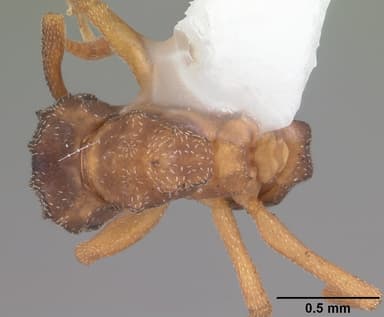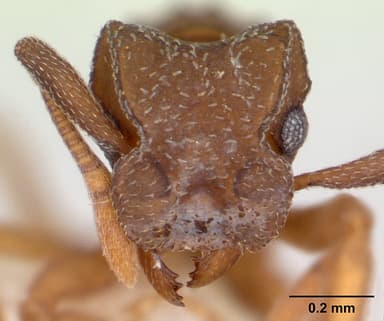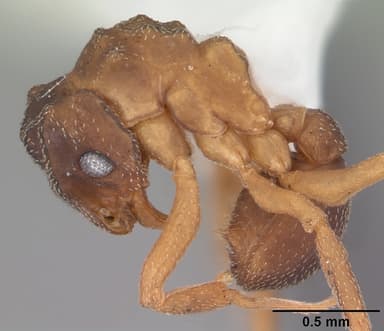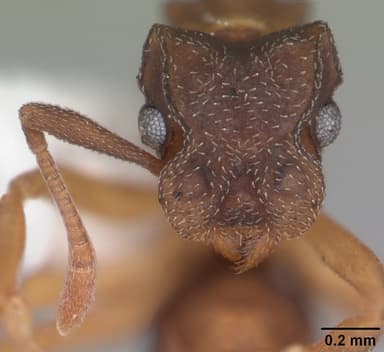
Cyphomyrmex
Cyphomyrmex minutus
Nuptial Flight Calendar
Flight months: Apr, May, Jun, Jul, Aug, Sep, Oct
Care Guide
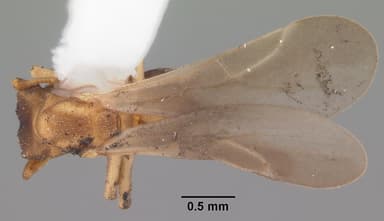
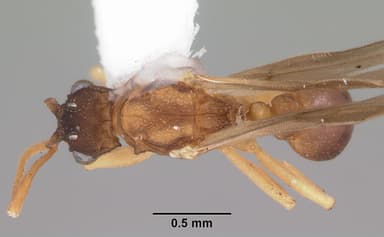
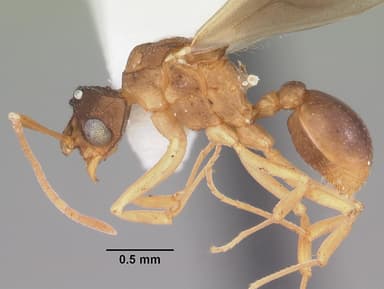
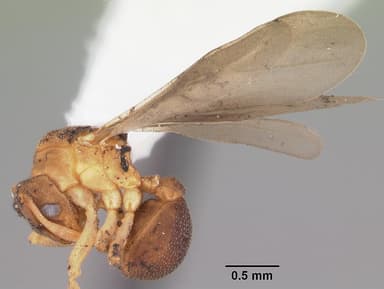
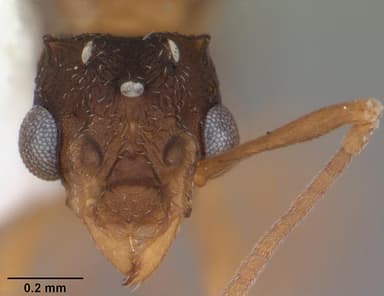
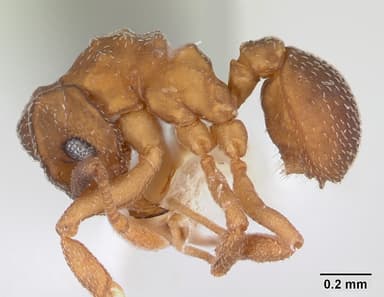
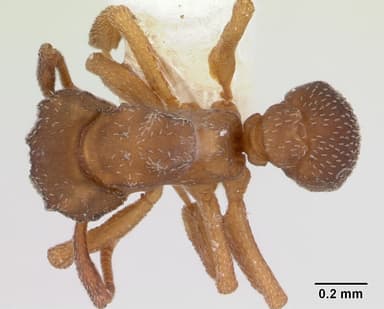
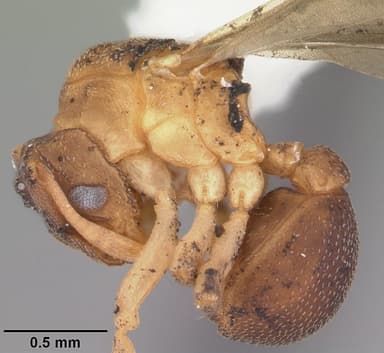
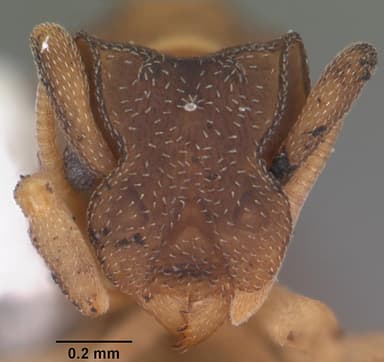
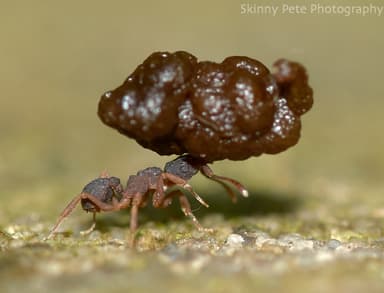
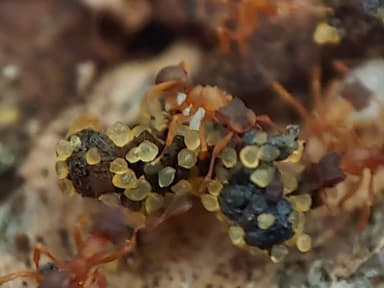
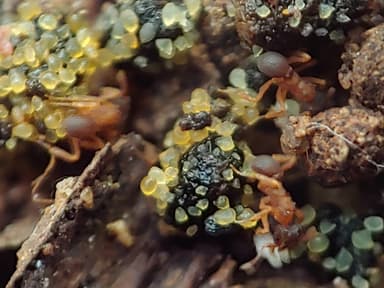
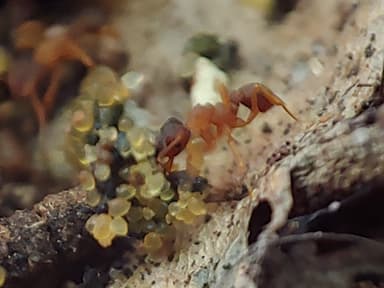
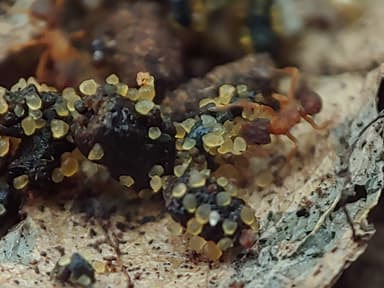
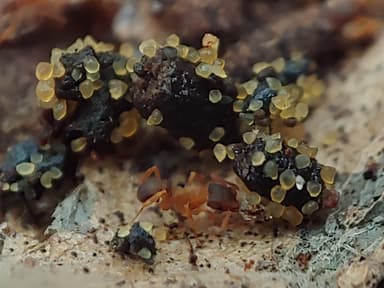
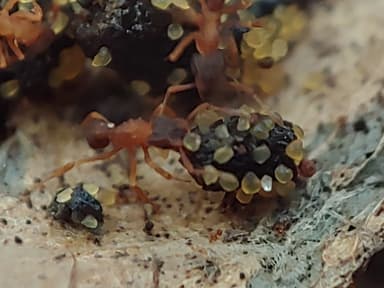
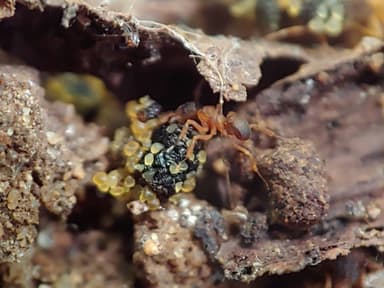
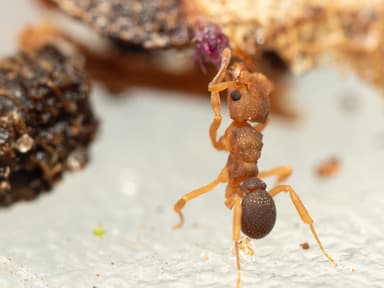
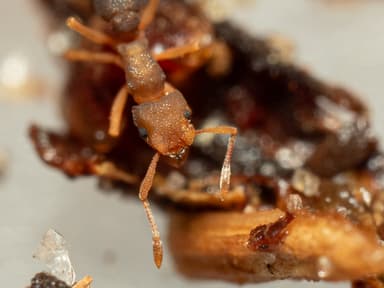
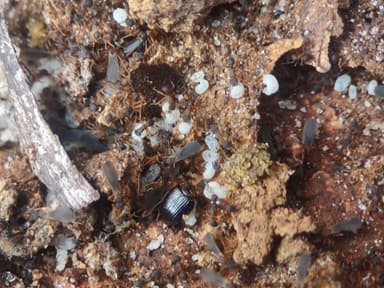
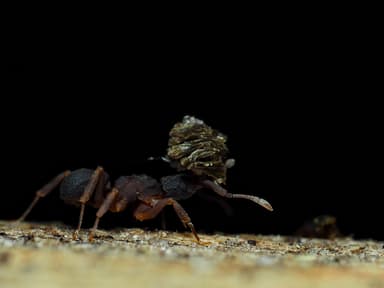
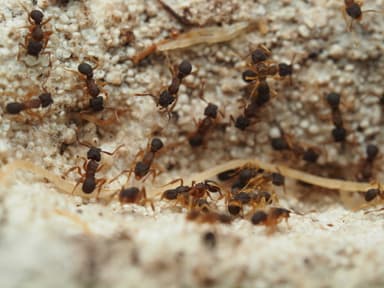
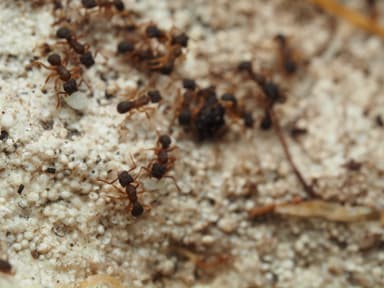
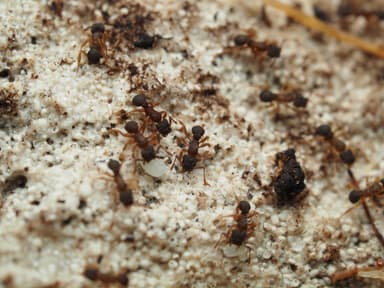
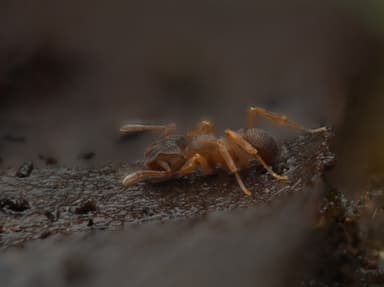
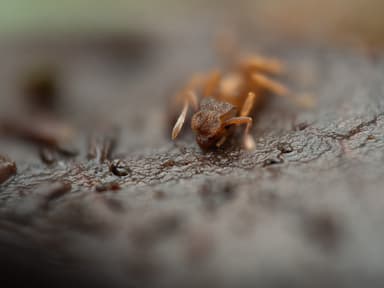
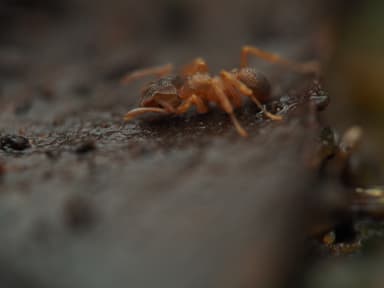
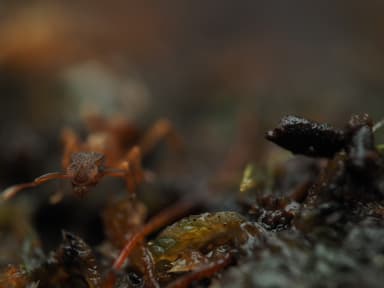
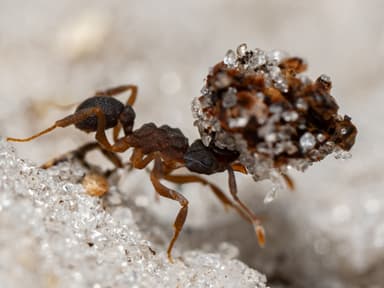
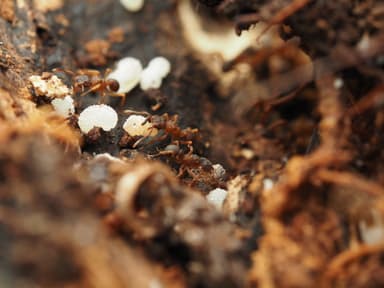
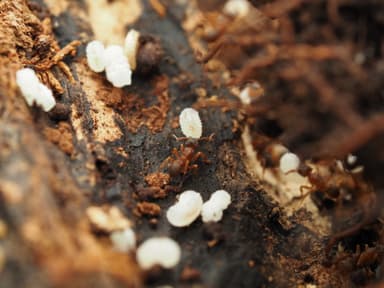
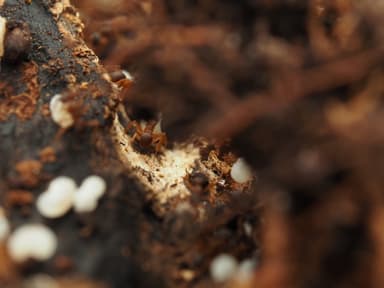
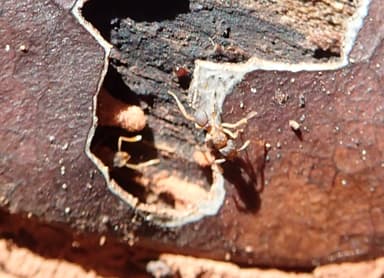
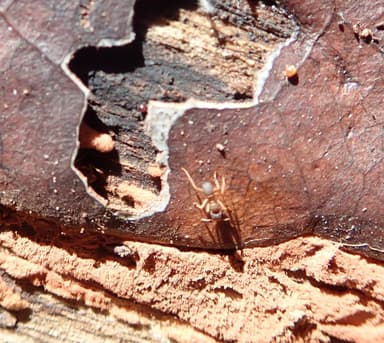
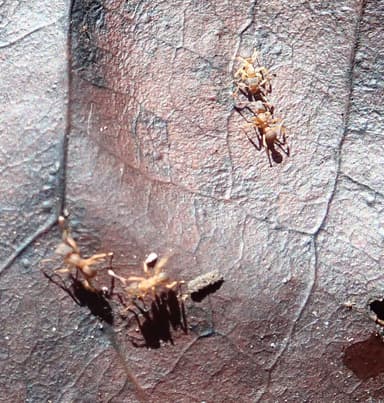
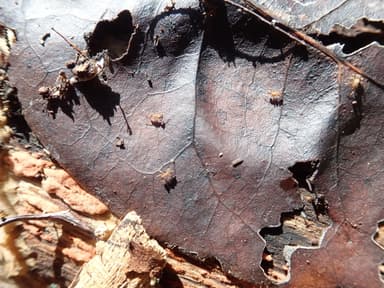
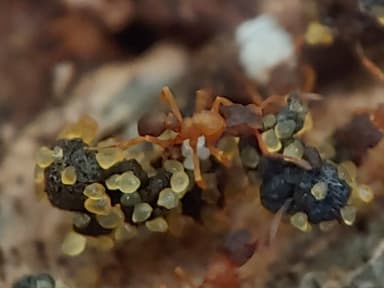
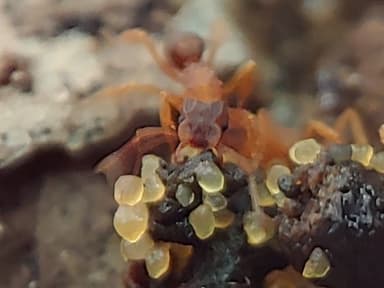
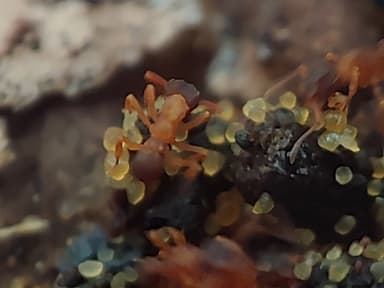
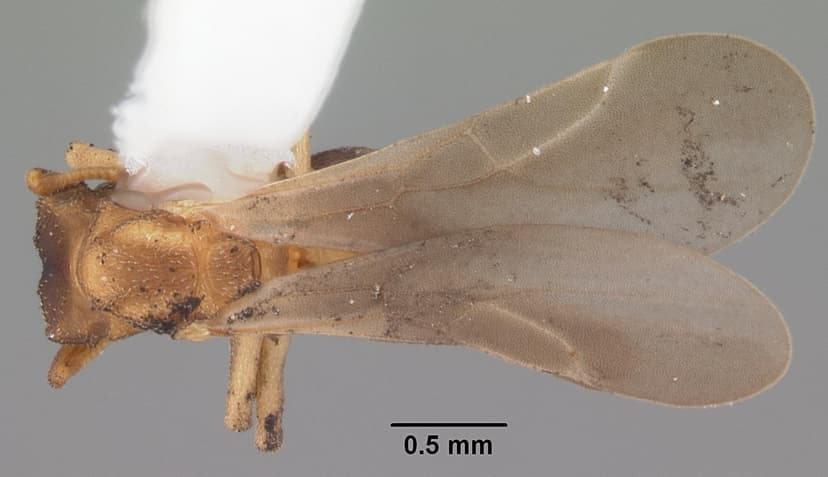
Among the smallest and most secretive fungus-growing ants, Cyphomyrmex minutus is a diminutive species that fascinates myrmecologists with its obligate reliance on a cultivated fungus for sustenance. Workers are monomorphic and measure only 1.8 to 2.5 mm in length, while queens reach a modest 3 to 3.5 mm. Colonies rarely exceed 500 individuals and contain only minor workers, giving them a delicate, understated presence. Their geographic range extends from peninsular Florida, where Deyrup (2017) documented scattered populations, south through the Caribbean and Central America into northern South America, thriving in warm, humid woodlands. Nuptial flights in North America appear to occur on warm, humid afternoons following rain from May through September, while across their native Neotropical range flights may persist from April into October during the wet season. What makes C. minutus truly remarkable is its status as a lower attine ant that tends a fungus garden within the nest, cultivating it on a substrate of decomposing organic matter—a miniature agricultural system that predates human farming by millions of years and rewards the patient observer with a glimpse into a microcosm of symbiosis.
Care for C. minutus is firmly rated as expert-level, and this is not a species for beginners or those unfamiliar with the demands of fungus-growing ants. Their minute size makes escapes a constant threat; any gaps in the formicarium must be sealed with fine-mesh stainless steel screens or a PTFE-based escape barrier, as these ants can slip through the tiniest cracks. The colony’s health hinges entirely on the stability of its fungus garden, which is exquisitely sensitive to desiccation and rapid temperature swings. Only hobbyists who have successfully maintained high-humidity micro-habitats and are willing to adopt a hands-off, observational style should consider this species. The rewards, however, are immense: witnessing the slow, deliberate expansion of the garden and the ants’ meticulous husbandry is an experience unmatched by more conventional ants.
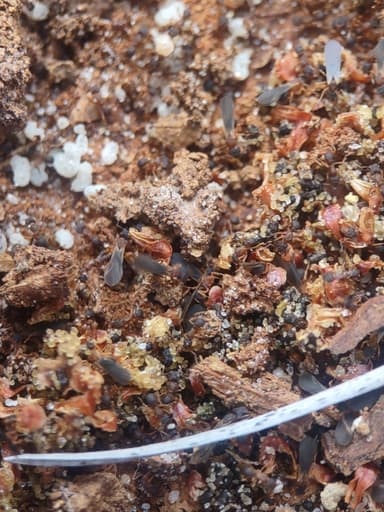
Given their tropical affinities, C. minutus requires a warm and constantly moist environment with temperatures kept between 22 and 28°C and relative humidity between 70 and 90%. The nest itself should be a small, escape-proof chamber—plaster, grout, or a carefully hydrated clay setup works well, as these materials wick moisture evenly and allow the ants to sculpt the garden. Some keepers succeed with a simple test-tube nest inside a larger humidity-controlled outworld, but the colony eventually needs a dedicated space where the fungus can be anchored. A shallow layer of fine, sterilized soil mixed with crushed, decaying leaf litter, tiny fragments of rotten wood, and insect frass provides both the physical structure and the microbial precursors for the fungus to thrive. Avoid strong ventilation and direct light; instead, create a dark, quiet refuge by covering the nest with a red film or opaque hood. Gentle bottom-heating from a small mat under one corner of the nest will encourage the ants to cluster and tend their garden optimally.
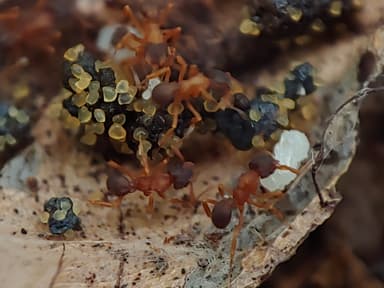
Feeding Cyphomyrmex minutus is unlike provisioning typical ants, because they derive the bulk of their nutrition from the fungus they cultivate, not directly from prey. The fungus, in turn, grows on a matrix of organic debris that the ants painstakingly prepare in the wild from leaf litter, dead arthropod fragments, and even caterpillar droppings. In captivity, the keeper must replicate this by offering a dry mix of finely ground dead insects (flightless fruit flies or pinhead crickets are excellent), powdered oatmeal or bran, and desiccated, crushed hardwood leaves. A pinhead-sized dab of dilute honey or sugar water can be provided once every week or two, but it is primarily used by the ants as a fungal additive rather than as a direct food; excess sugars can quickly foul the small garden. Always supply a clean, drinking-water source via a micro-feeder or a small piece of moistened sponge, and remove any uneaten or moldy material within a day. The fungus garden itself will emit a faint, sweet, earthy scent when healthy—any sour or musty odor signals trouble and should prompt an immediate check of humidity and substrate quality.
As a species of tropical and subtropical distribution, C. minutus does not undergo hibernation and remains active throughout the year. Keep conditions stable year-round; cool temperatures below 22°C will slow the colony, weaken the fungus, and may prove fatal. During winter, if the room cools, a thermostat-controlled heating mat is an indispensable tool to maintain the necessary warmth without fluctuation.
When your colony first arrives, likely in a sealed tube containing a small piece of fungus garden and a few bewildered workers, immediate patience is paramount. Place the tube inside their pre-prepared nest or outworld, gently open it, and then retreat—do not attempt to shake or prod the ants out. The first two to three days should be a period of complete darkness and zero disturbance, allowing the ants to recover from transit stress and begin transferring their fungus to the new substrate. After this settling phase, you may offer a speck of the prepared dry substrate mix near the entrance and a minute droplet of water. Watch for the workers to begin weaving the fungus into the fresh material; a healthy colony will soon show a growing, fluffy grayish-white mass. Avoid the temptation to peer at them constantly, but a brief weekly inspection will suffice. Should the garden appear to shrink or the ants become lethargic, increase the nest humidity slightly and add another tiny pinch of substrate. With deft, almost invisible care, your Cyphomyrmex minutus will gradually reveal the profound beauty of their fungal symbiosis, a living testament to the complexity that can be housed in a space no larger than a matchbox.